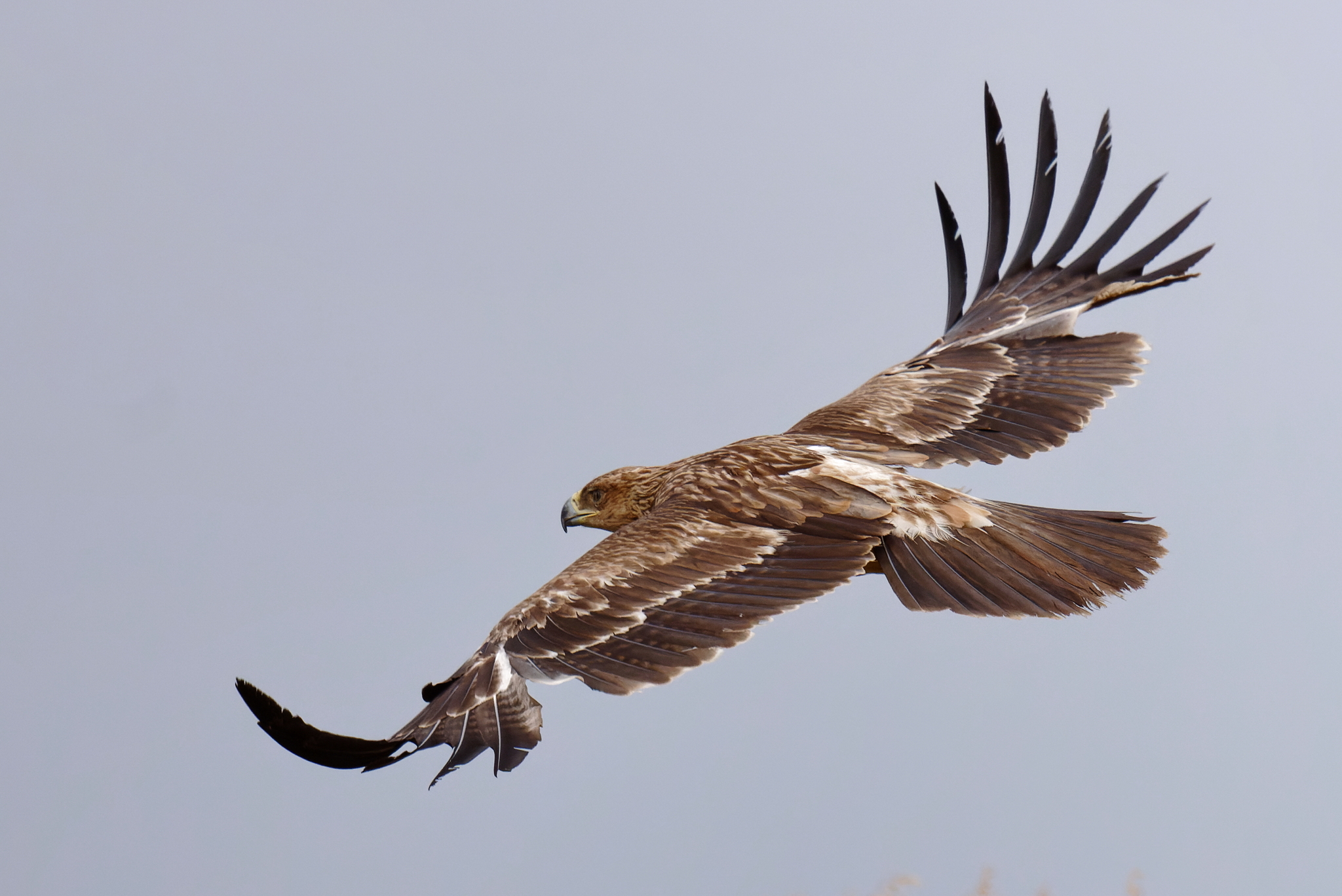
Eastern Imperial Eagle
Aquila heliaca
Aquila heliaca
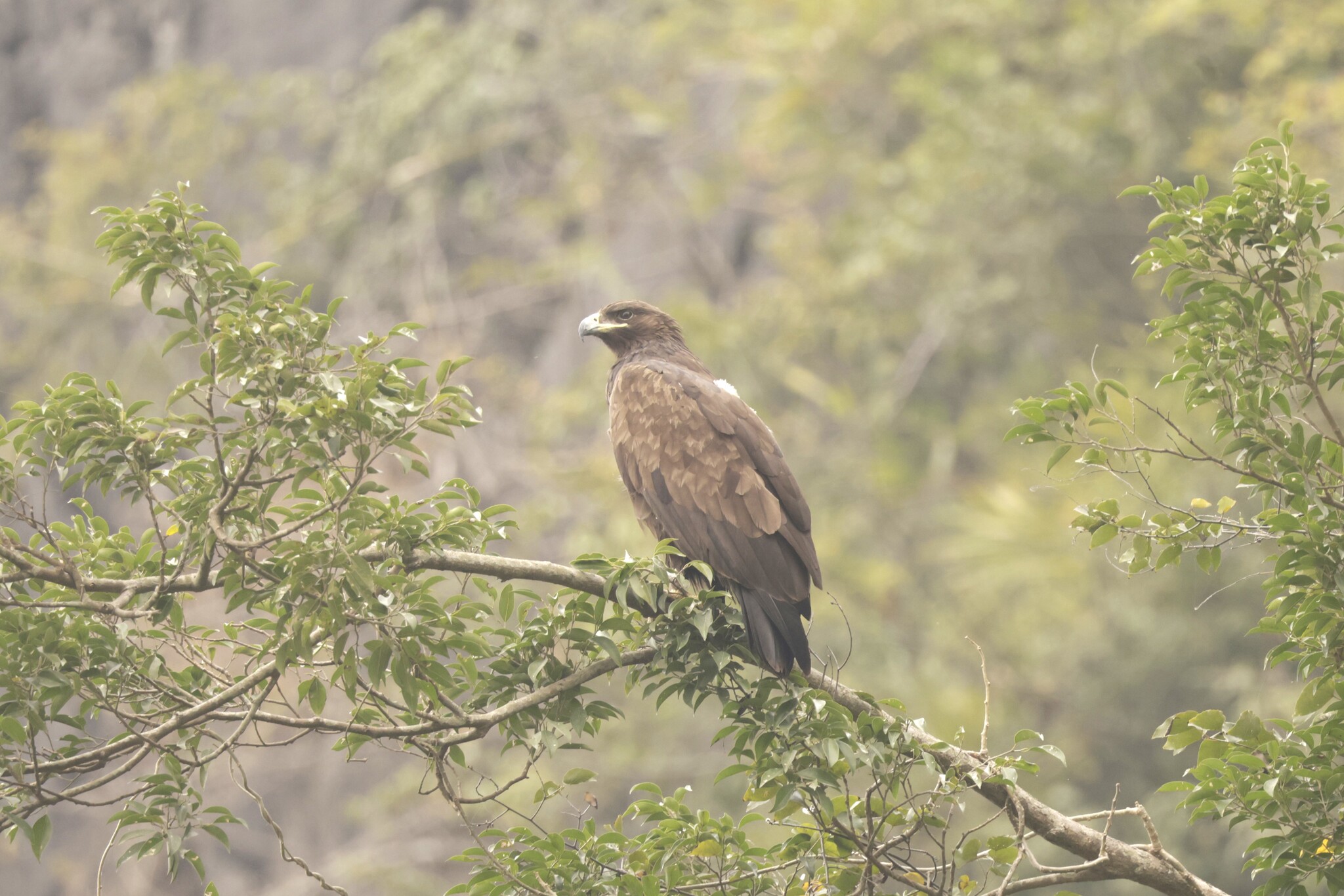
Clanga clanga
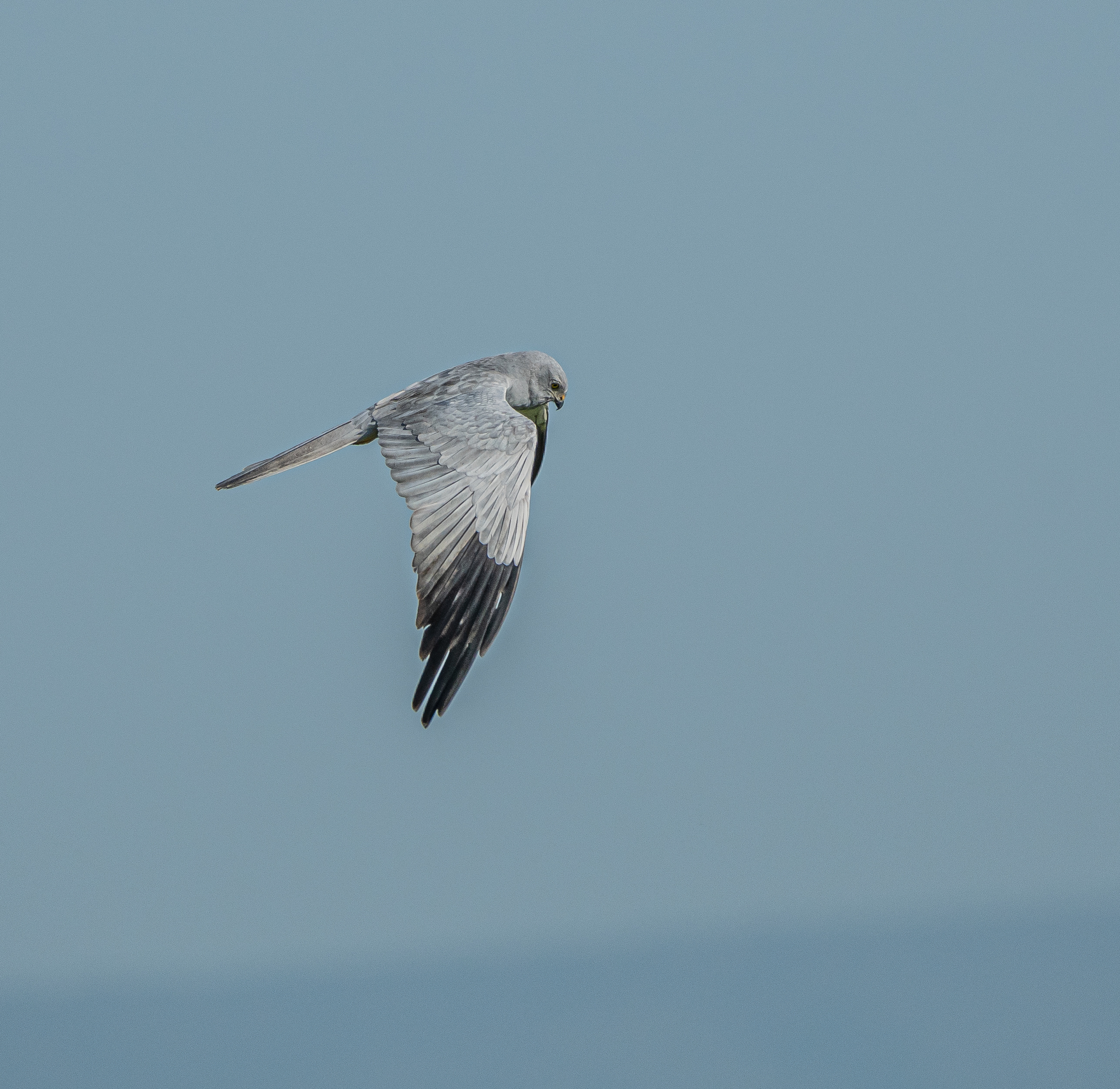
Circus macrourus
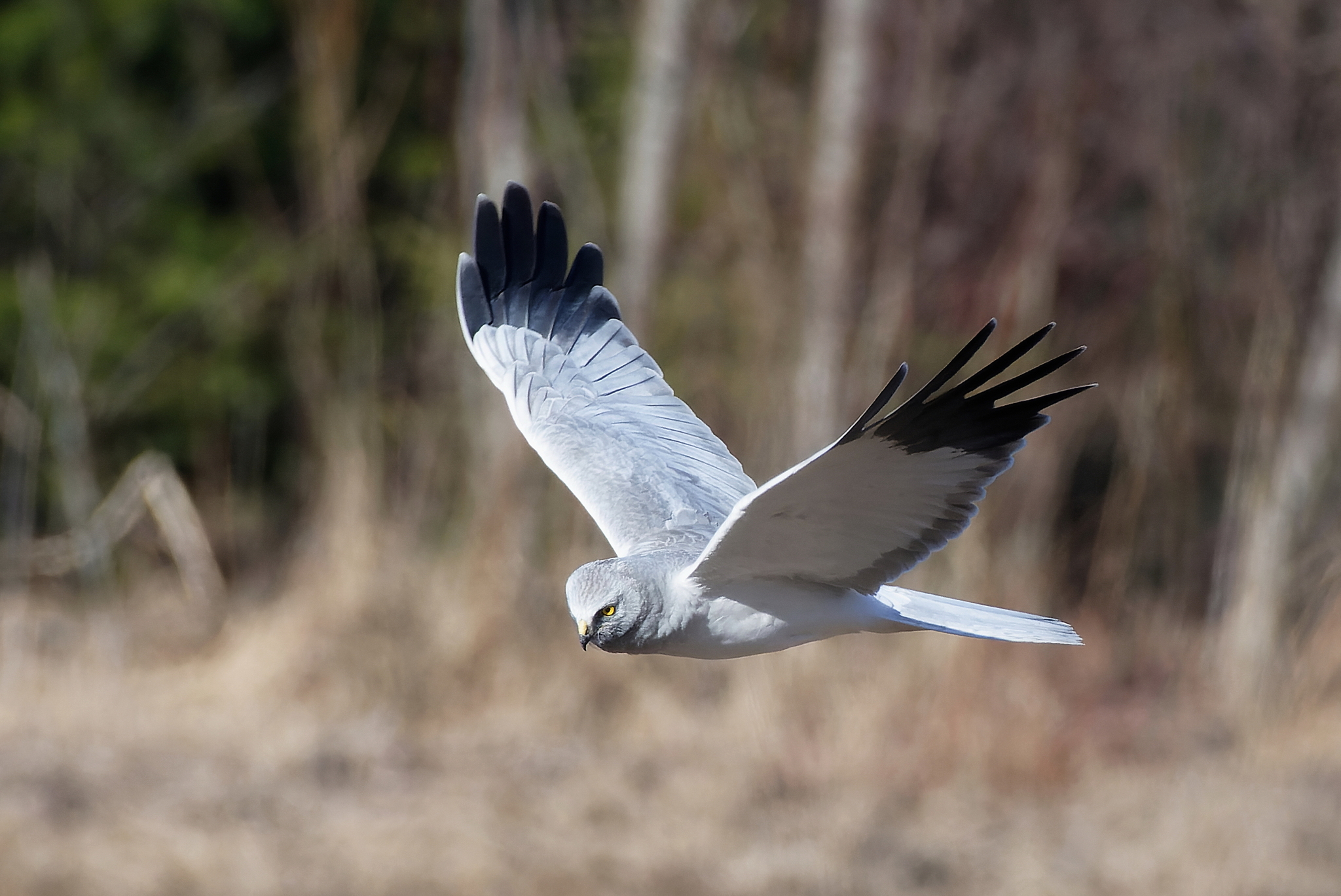
Circus cyaneus
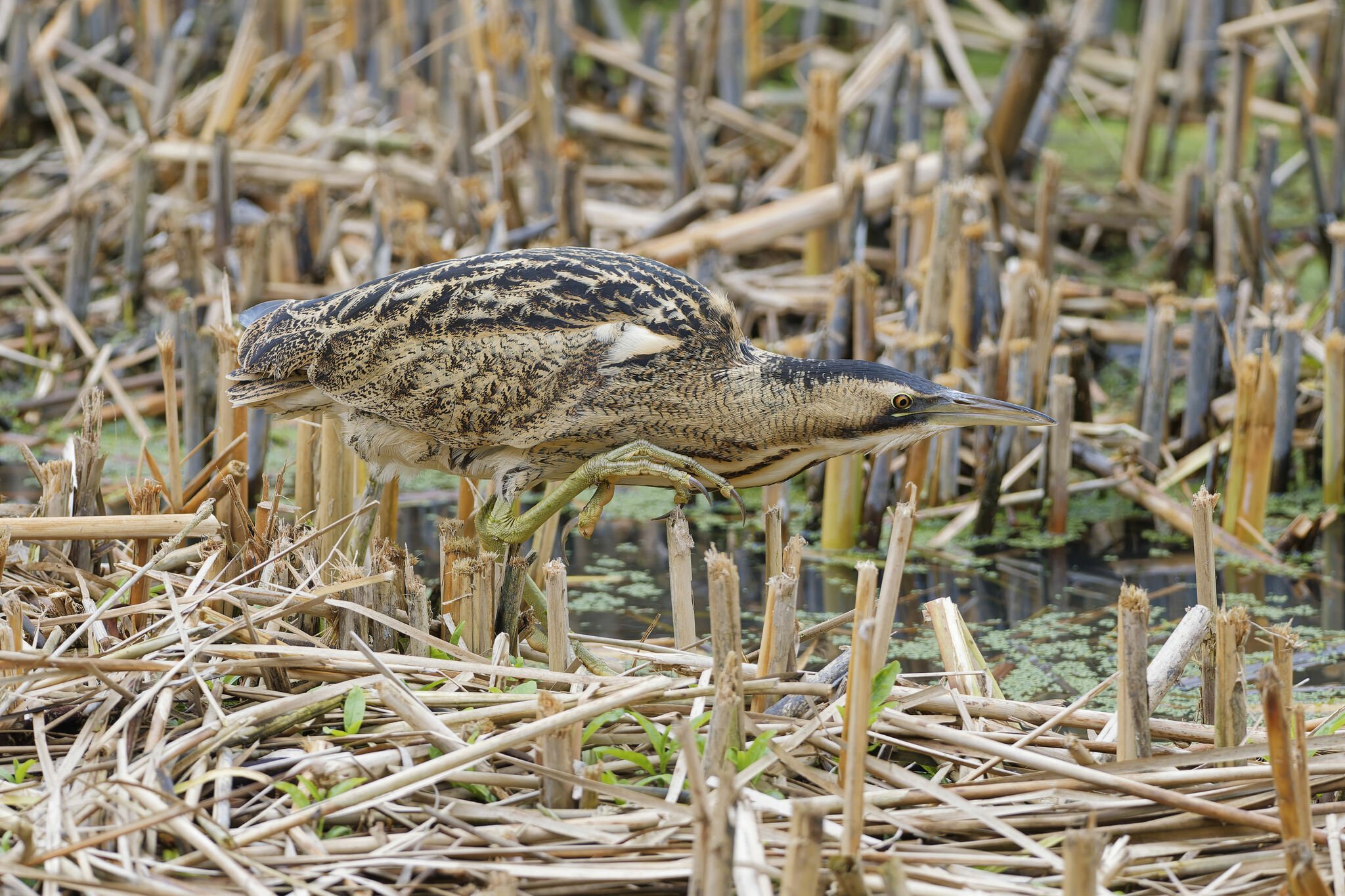
Botaurus stellaris
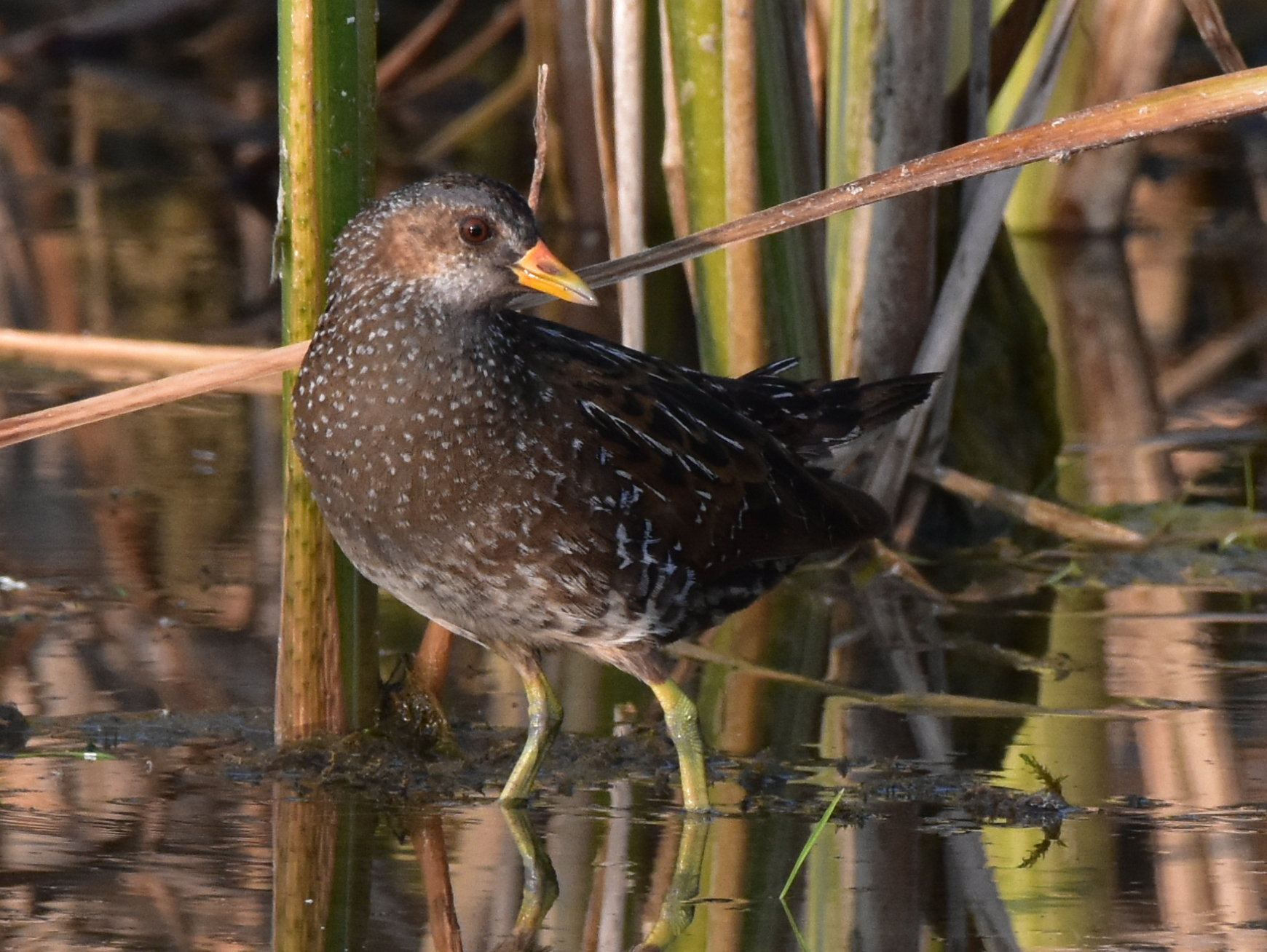
Porzana porzana
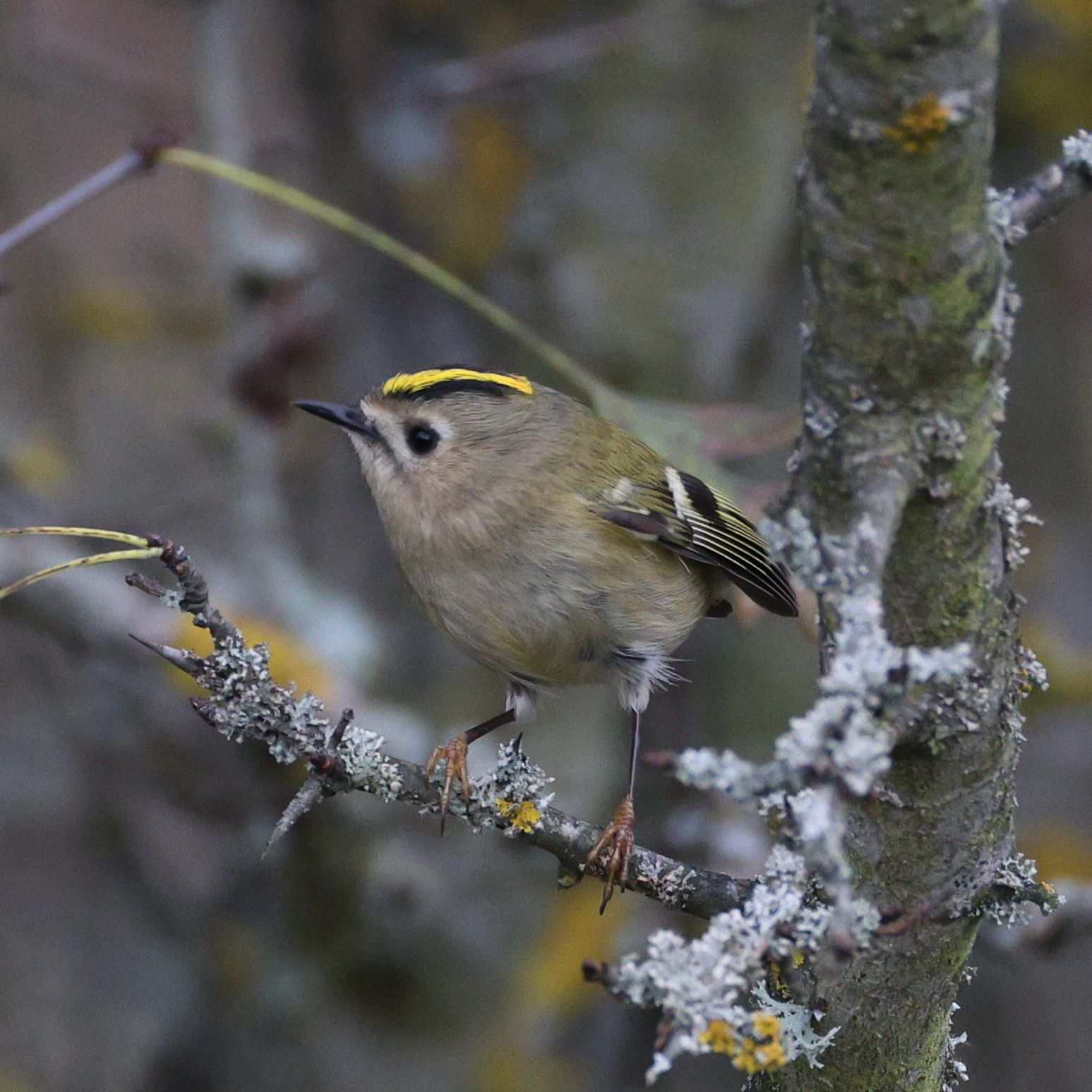
Regulus regulus
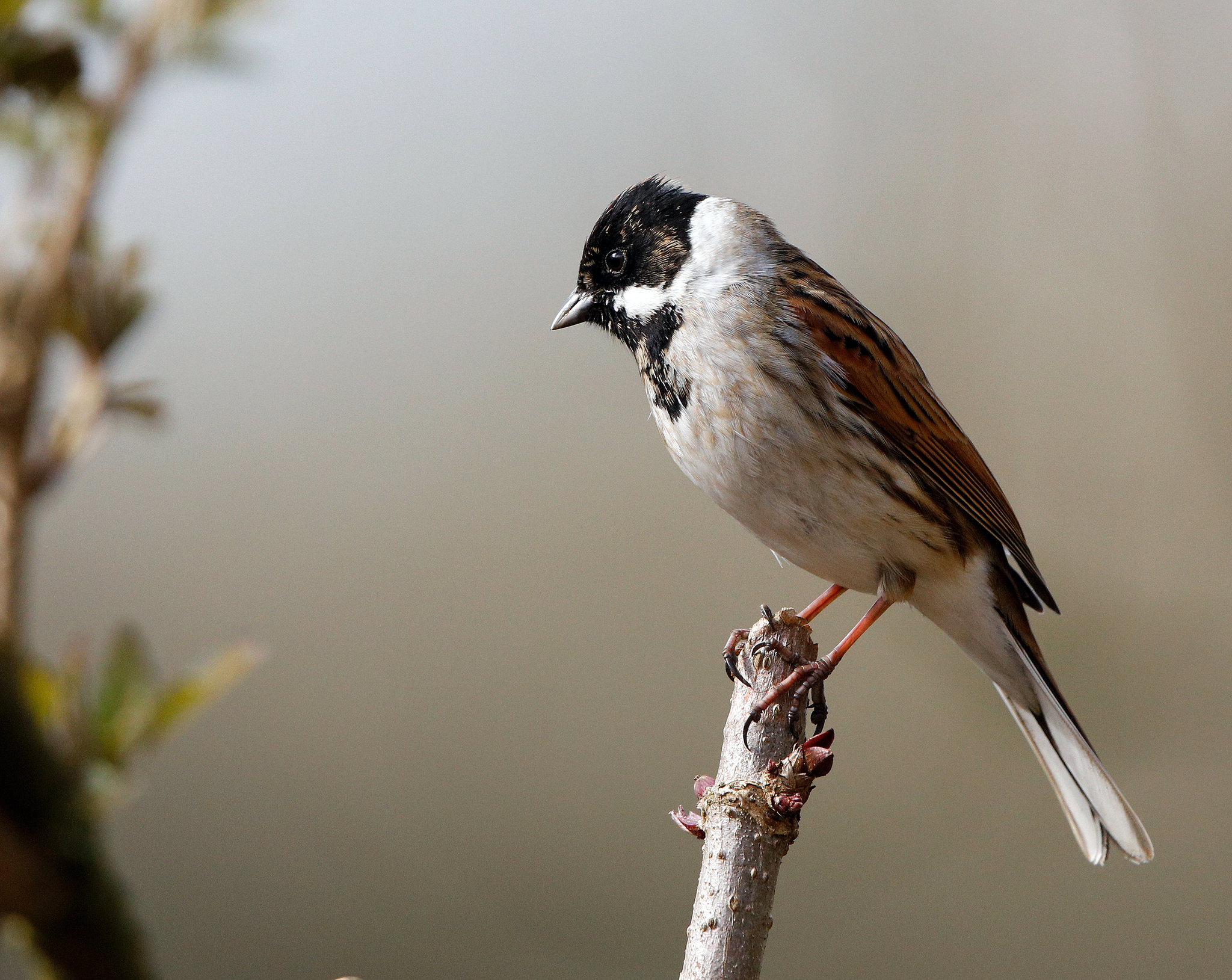
Schoeniclus schoeniclus
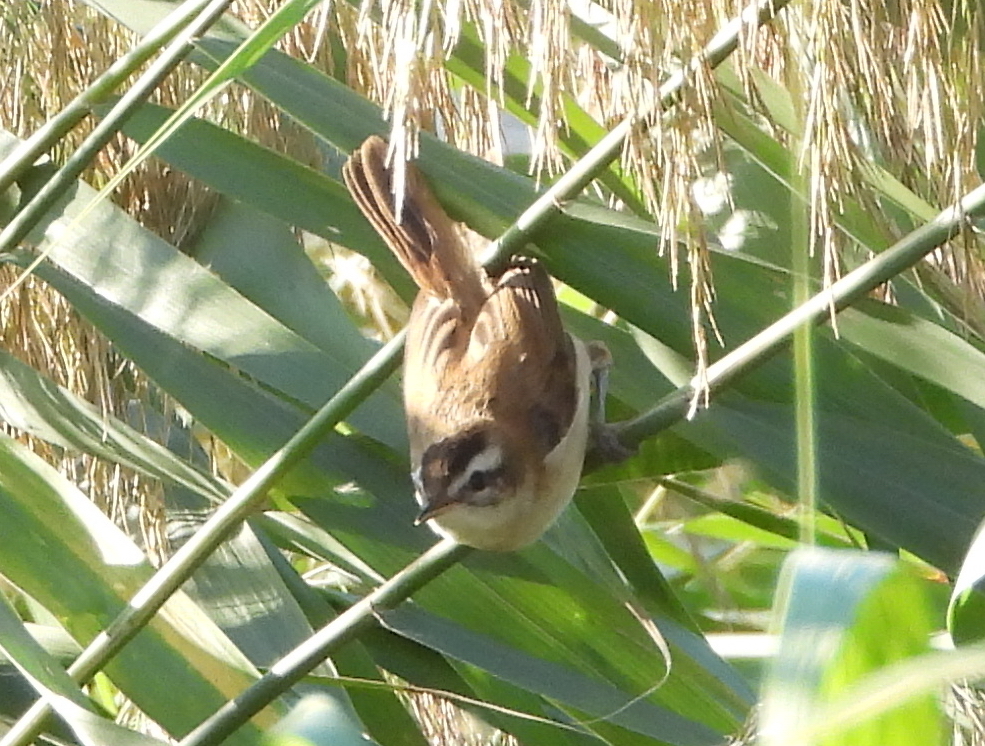
Acrocephalus melanopogon
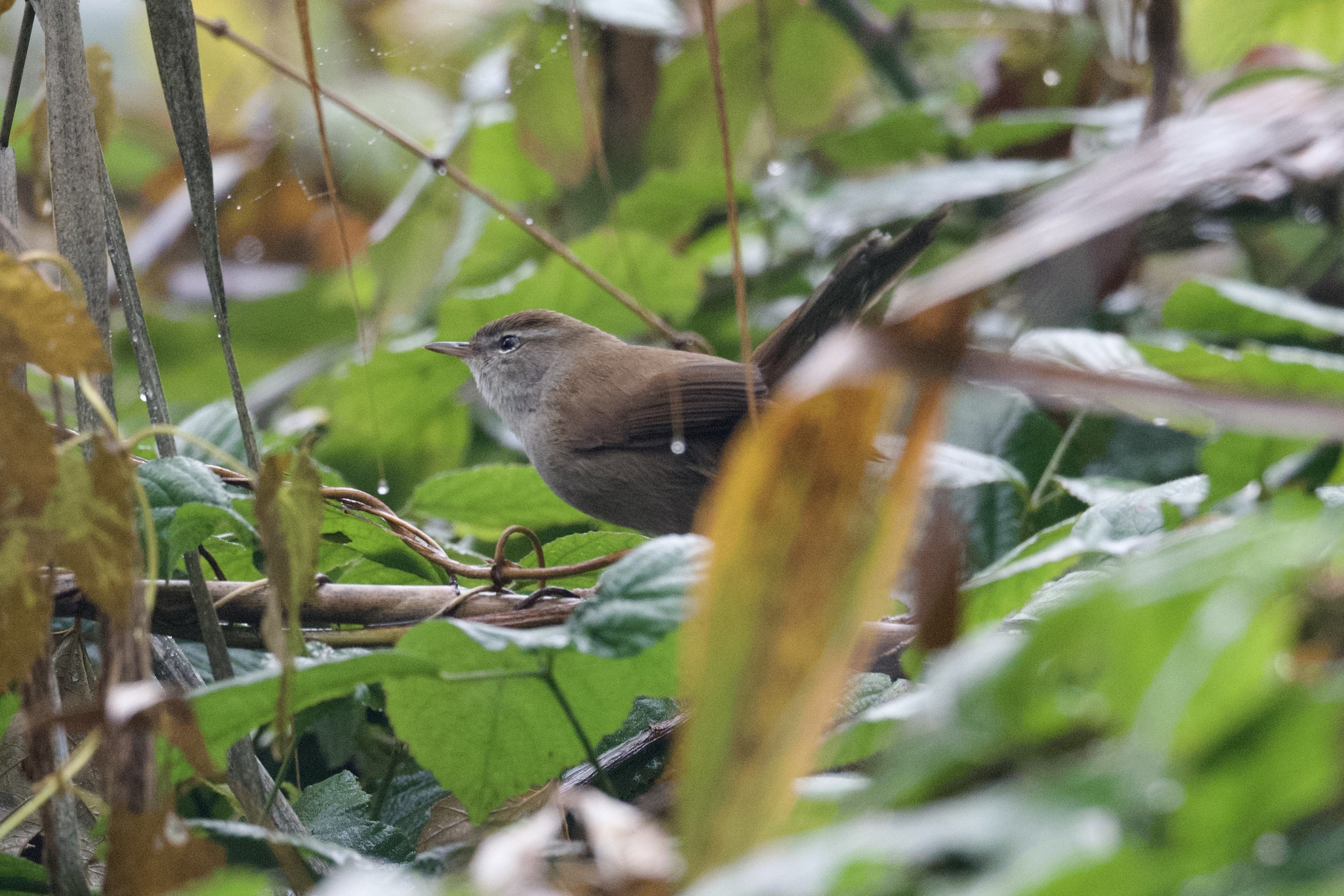
Cettia cetti
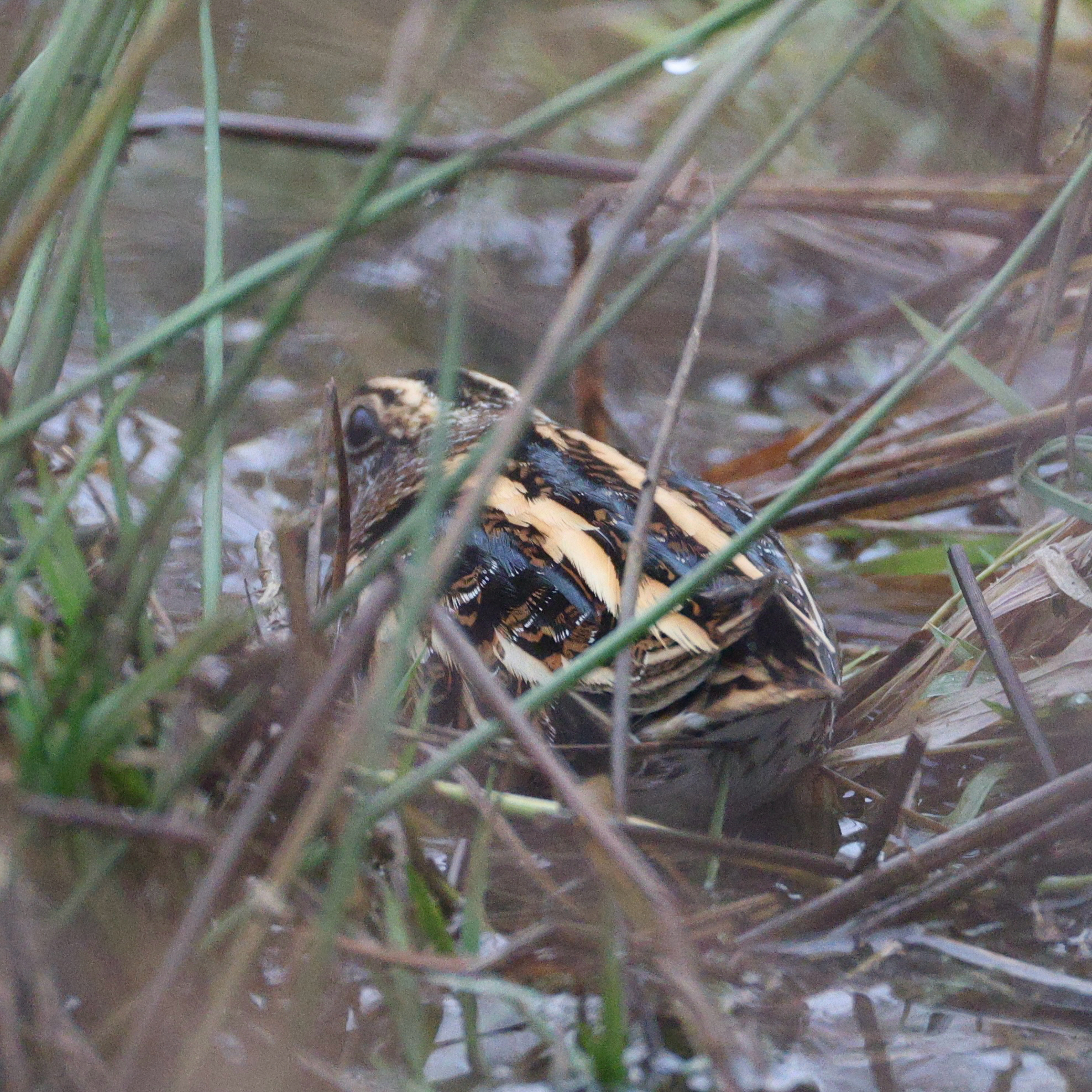
Lymnocryptes minimus
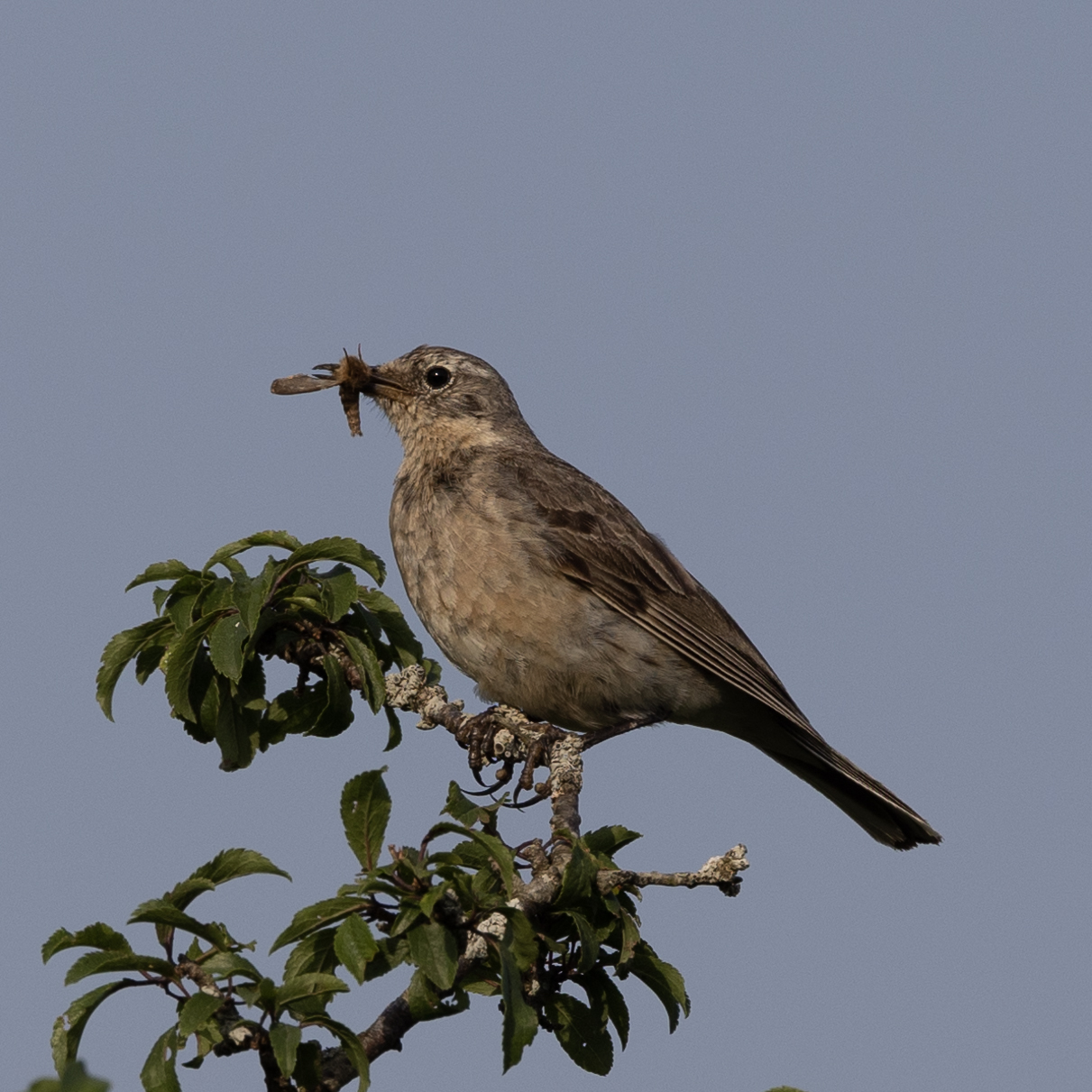
Anthus spinoletta
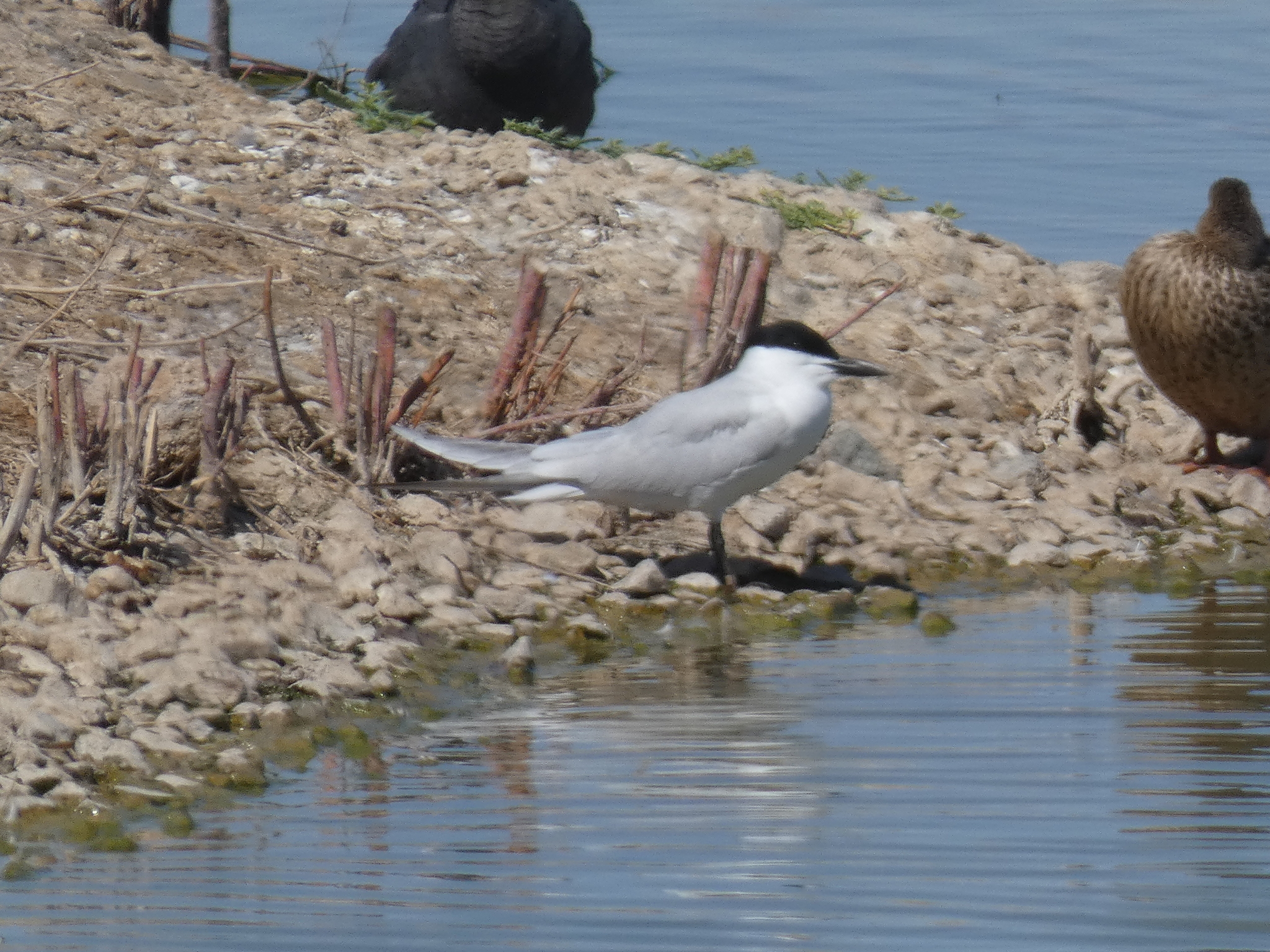
Gelochelidon nilotica
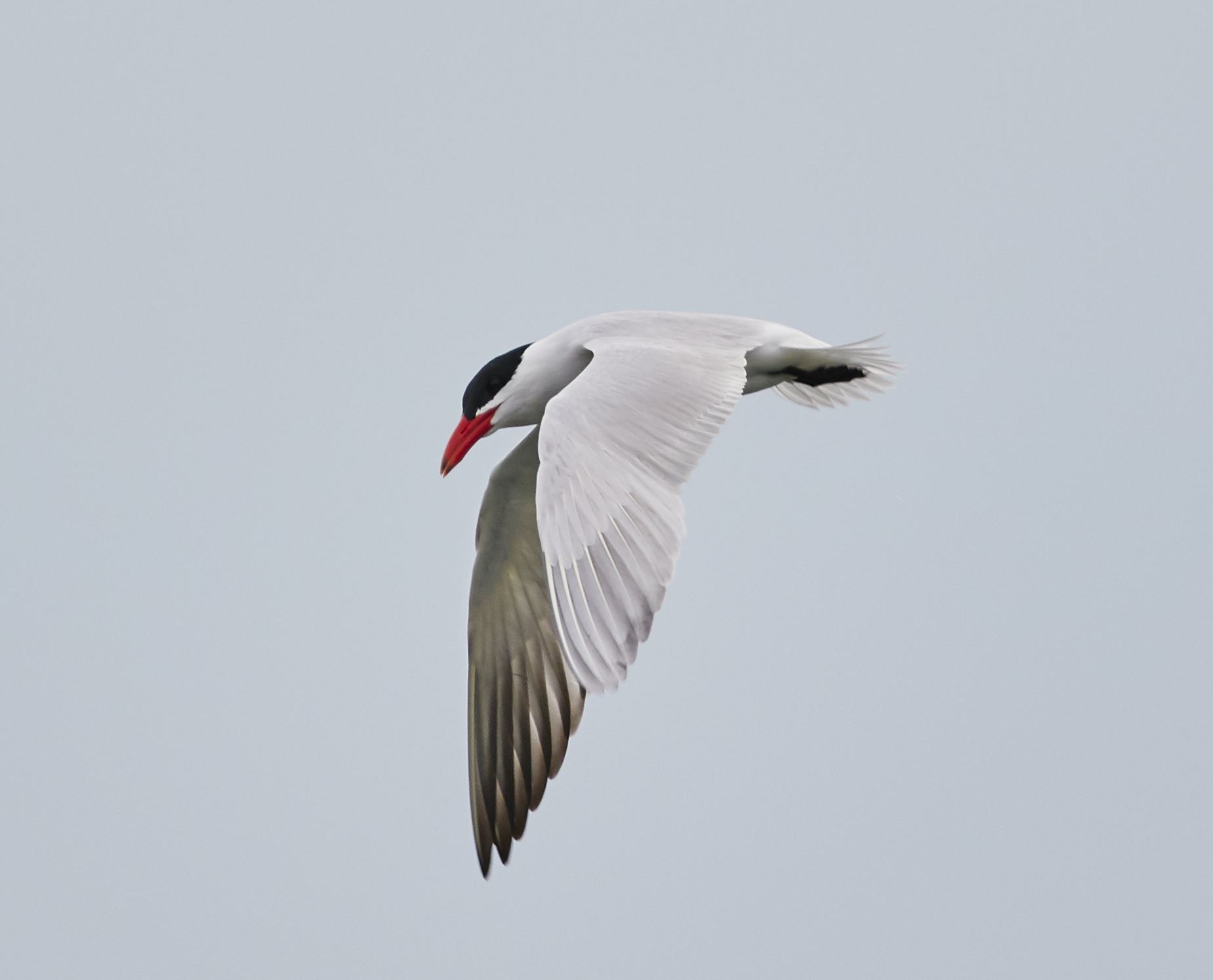
Hydroprogne caspia
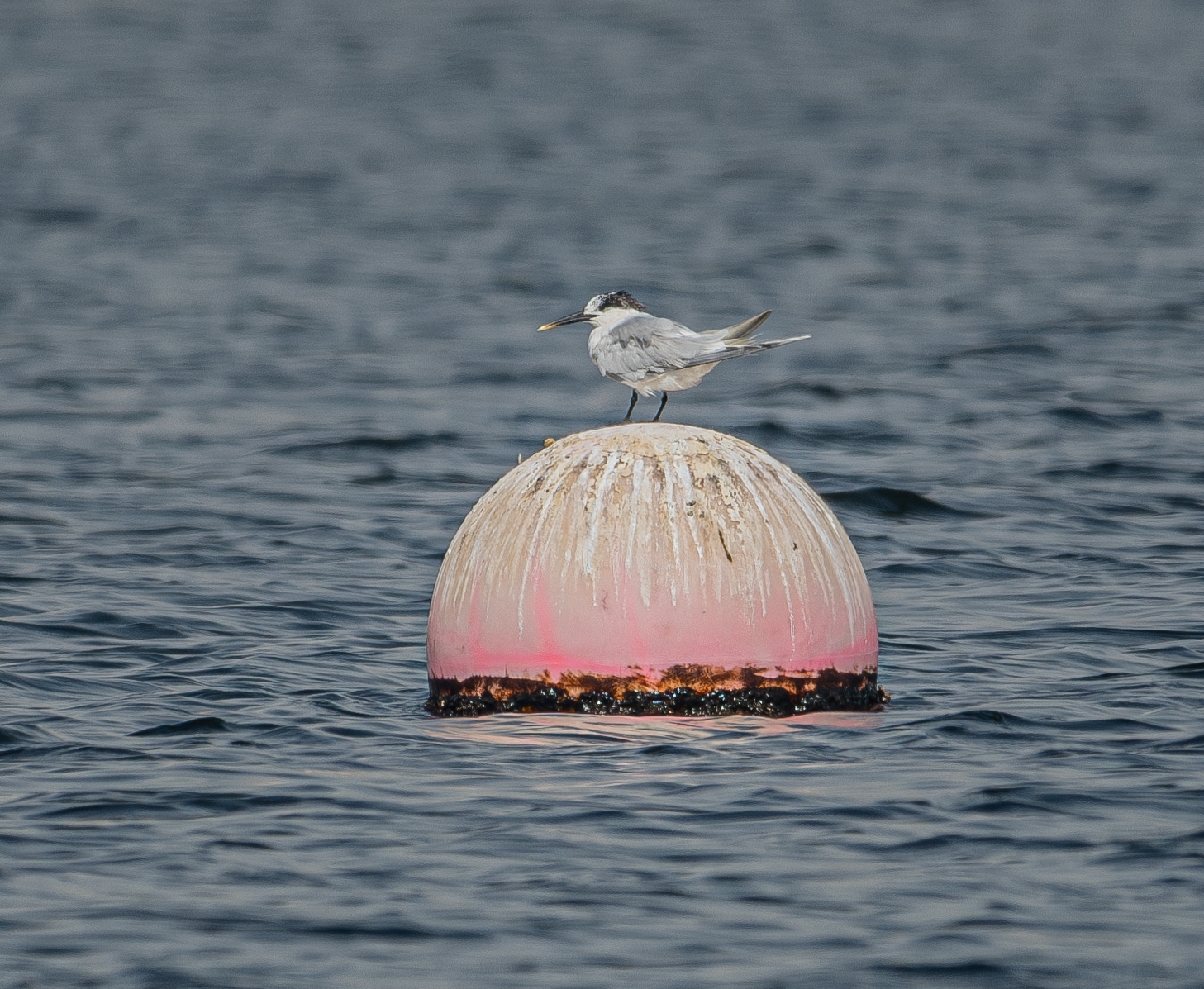
Thalasseus sandvicensis
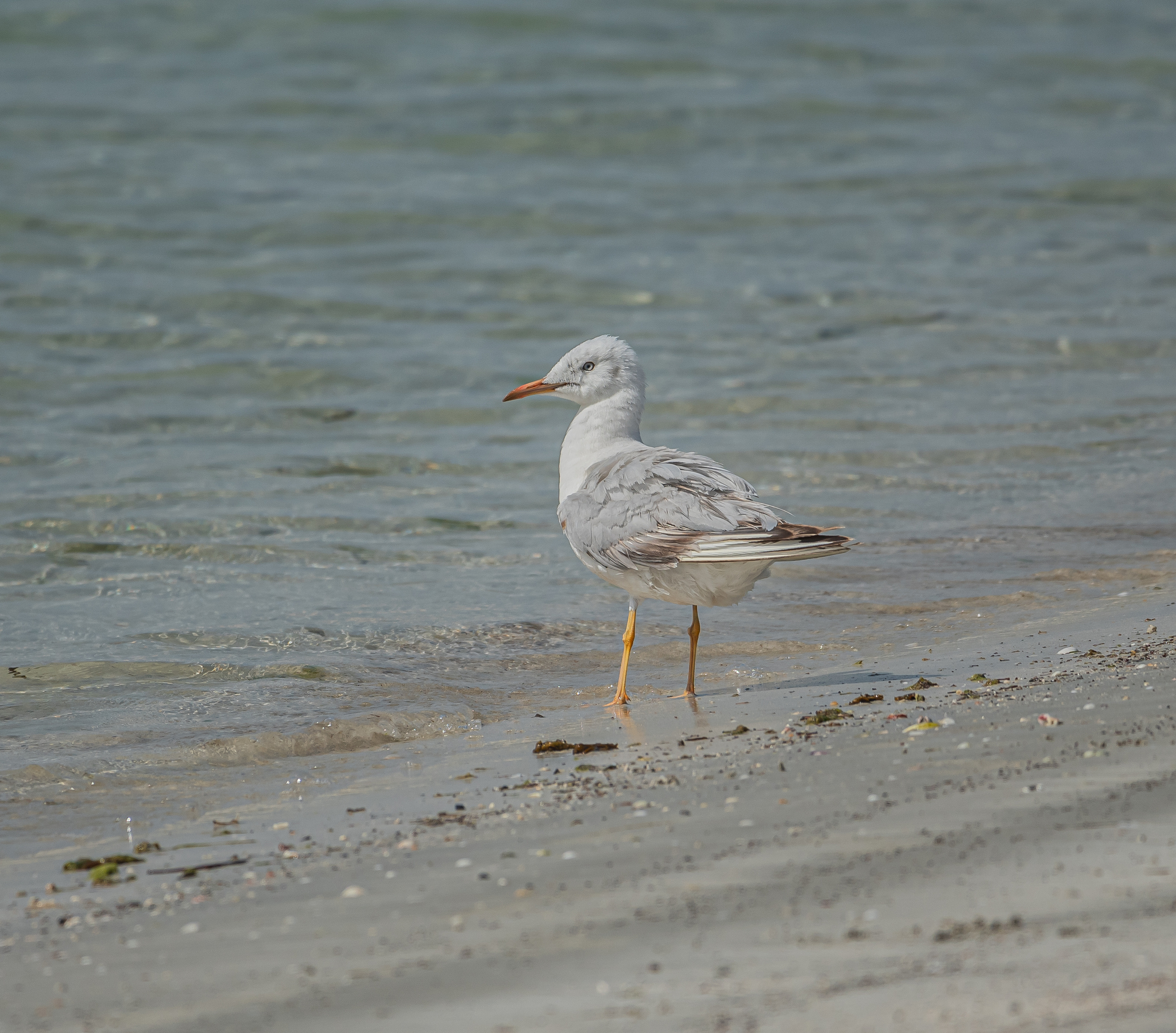
Chroicocephalus genei
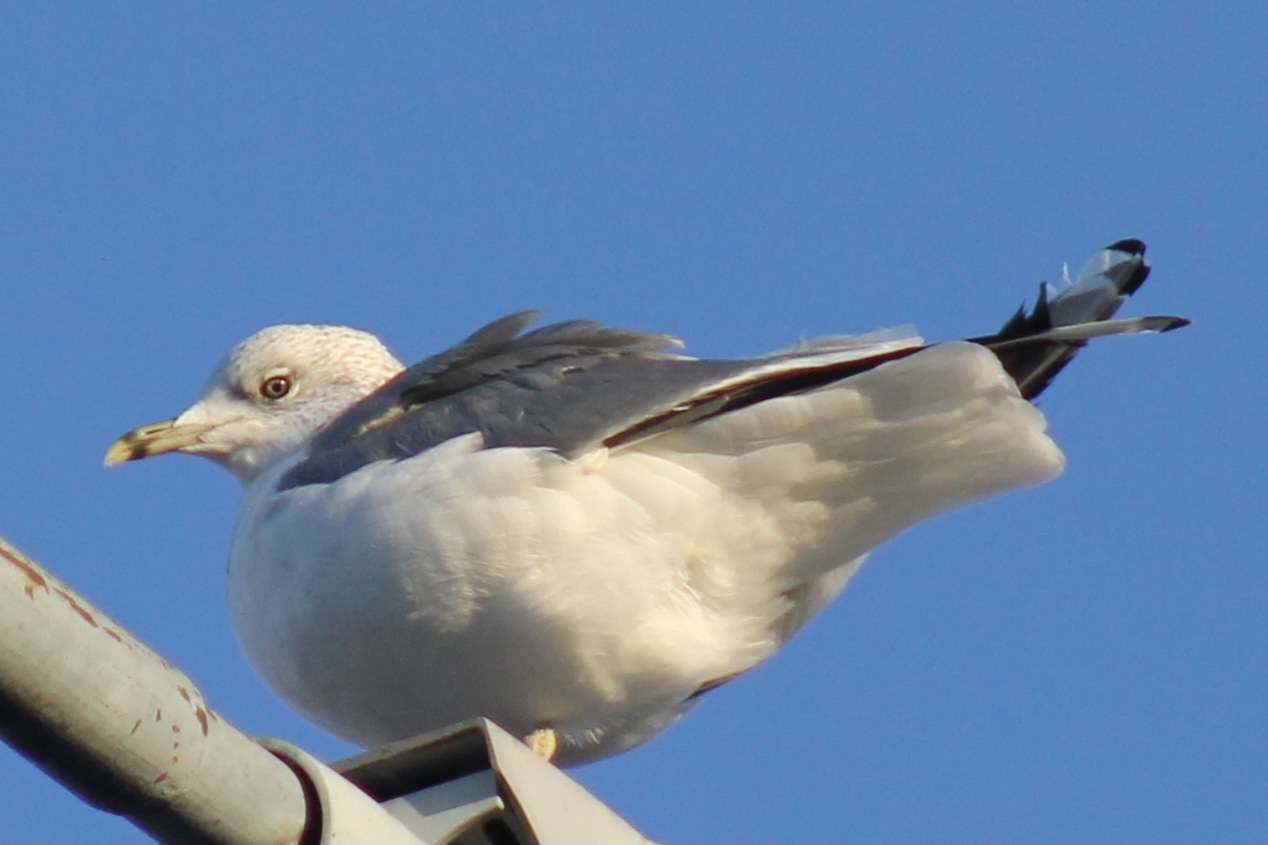
Larus canus
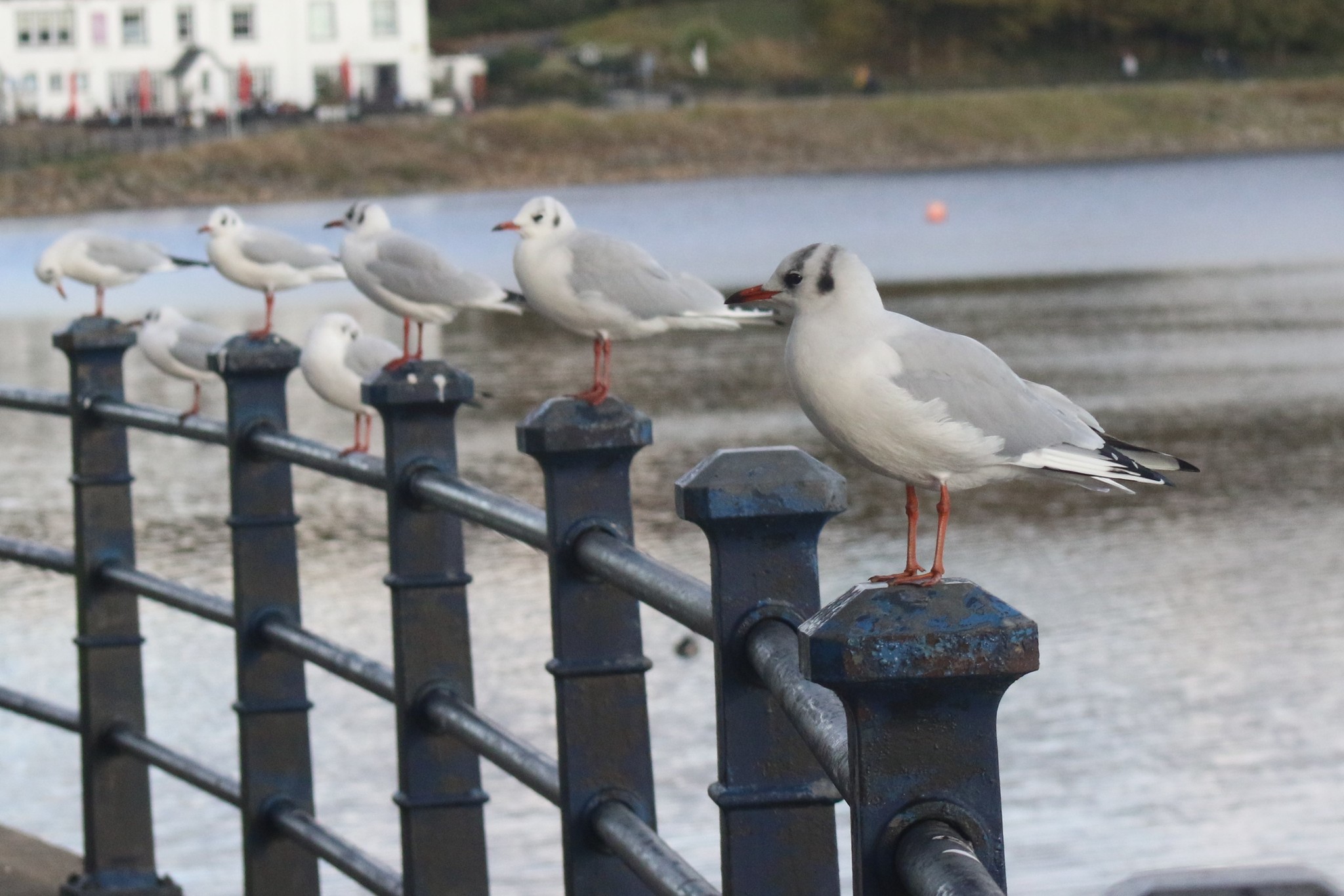
Chroicocephalus ridibundus
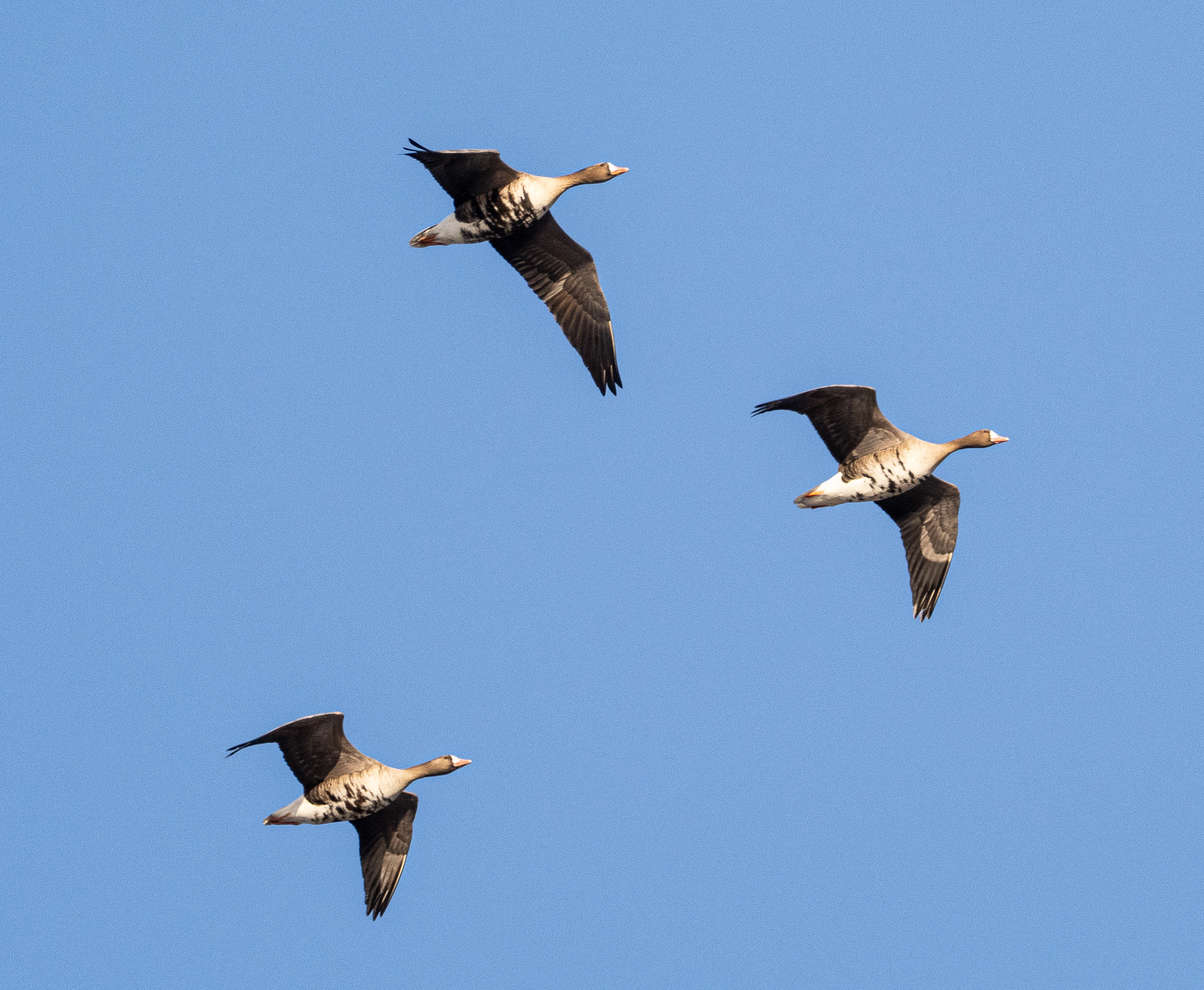
Anser albifrons
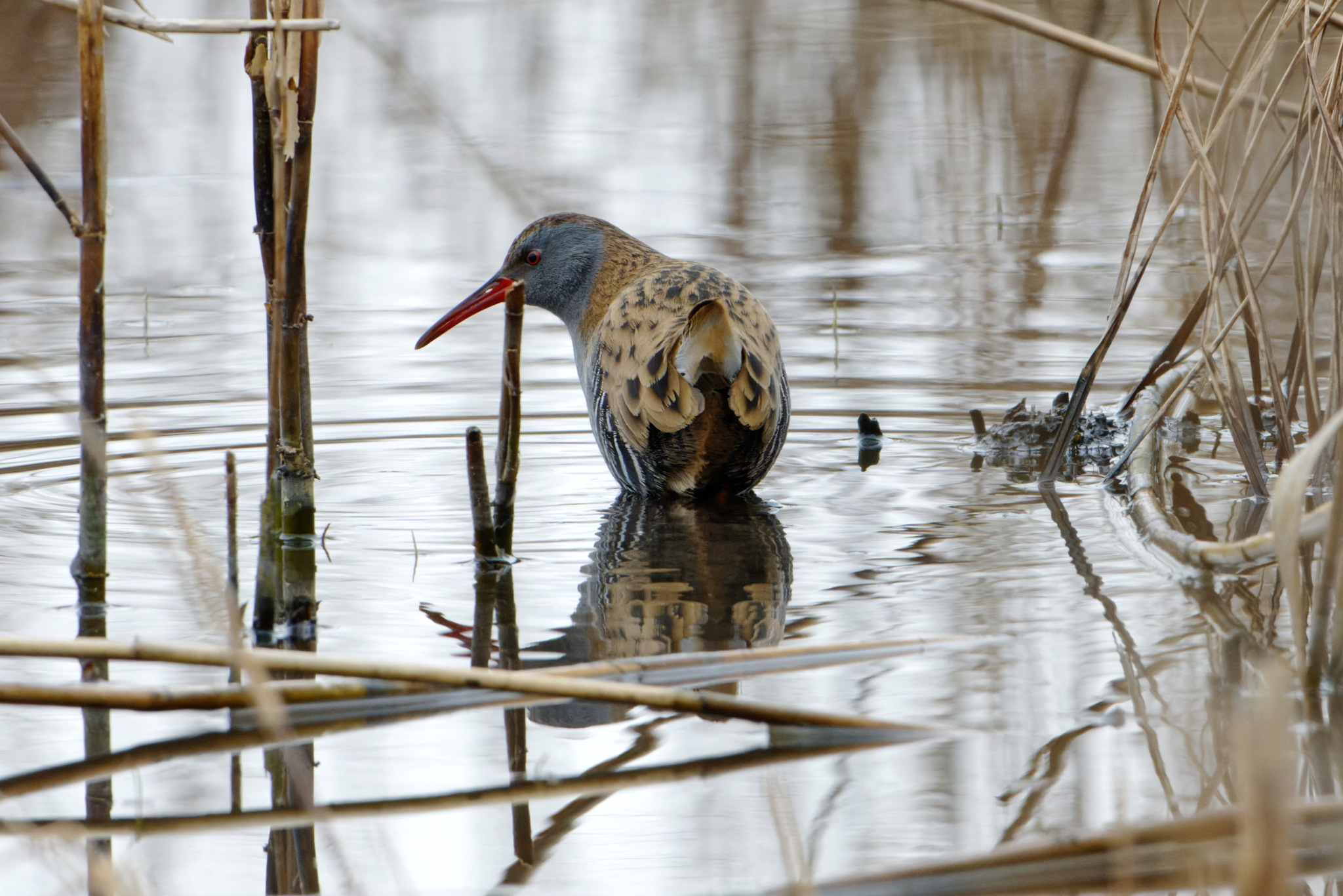
Rallus aquaticus
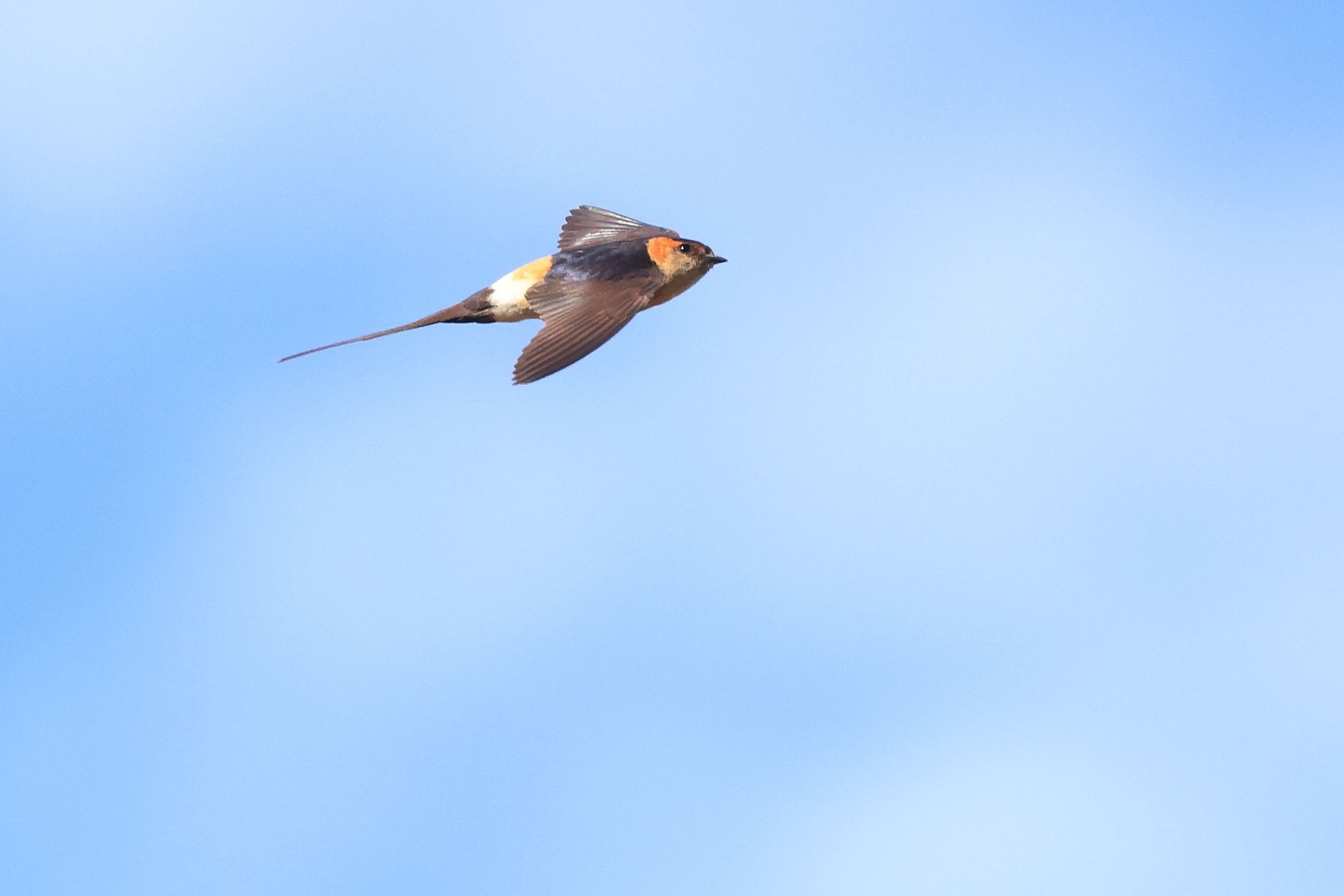
Cecropis rufula
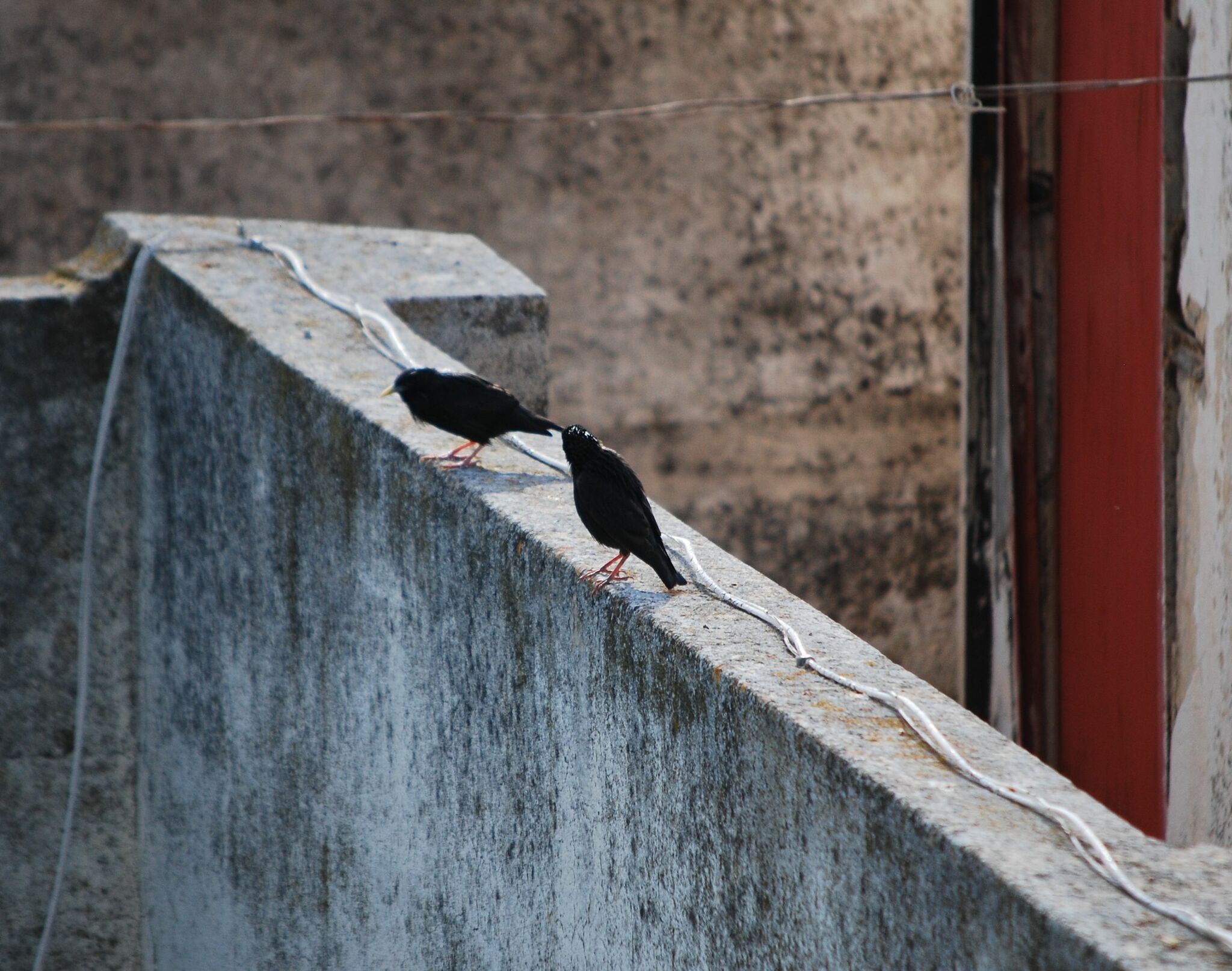
Sturnus unicolor
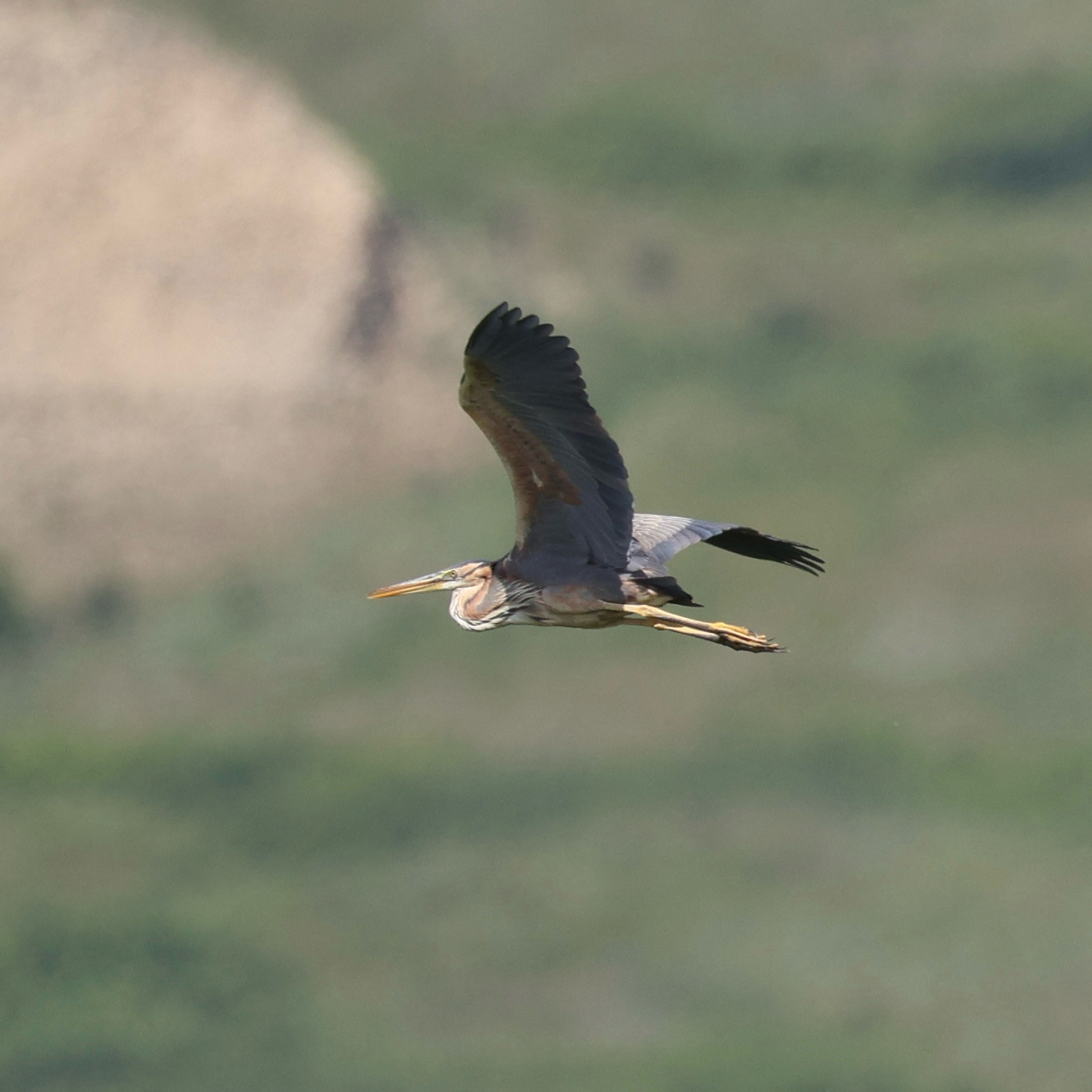
Ardea purpurea
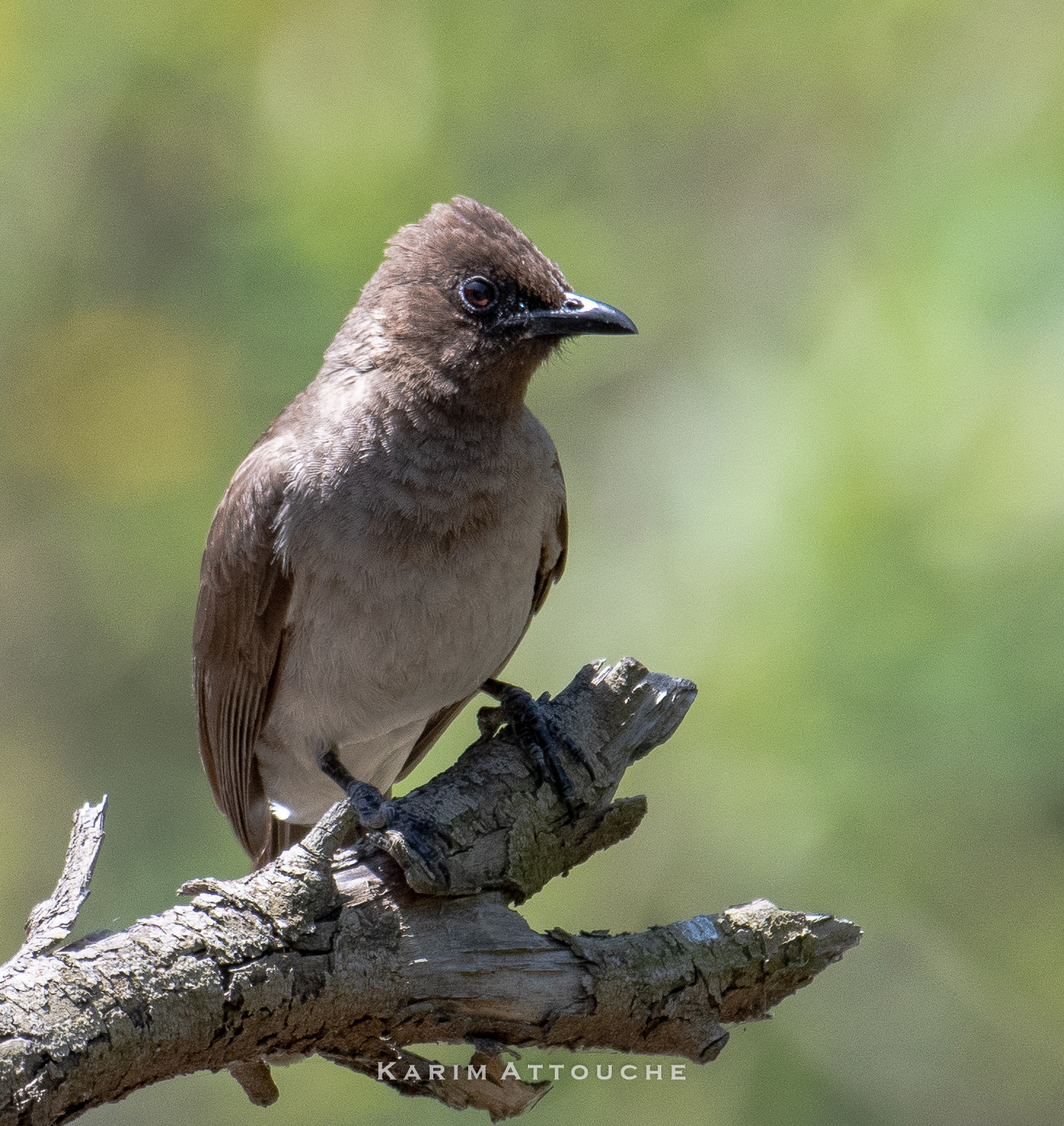
Pycnonotus barbatus
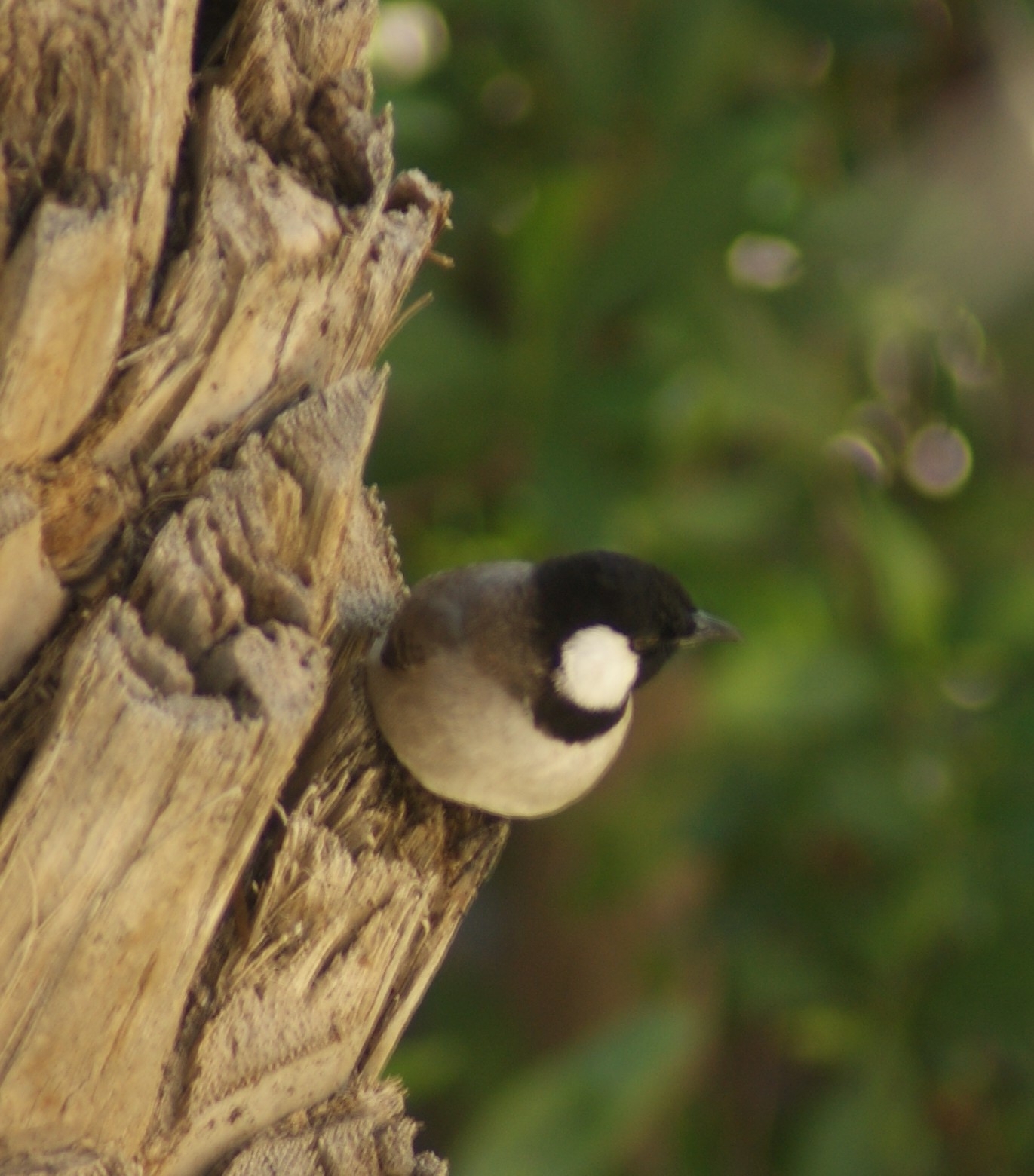
Pycnonotus leucotis
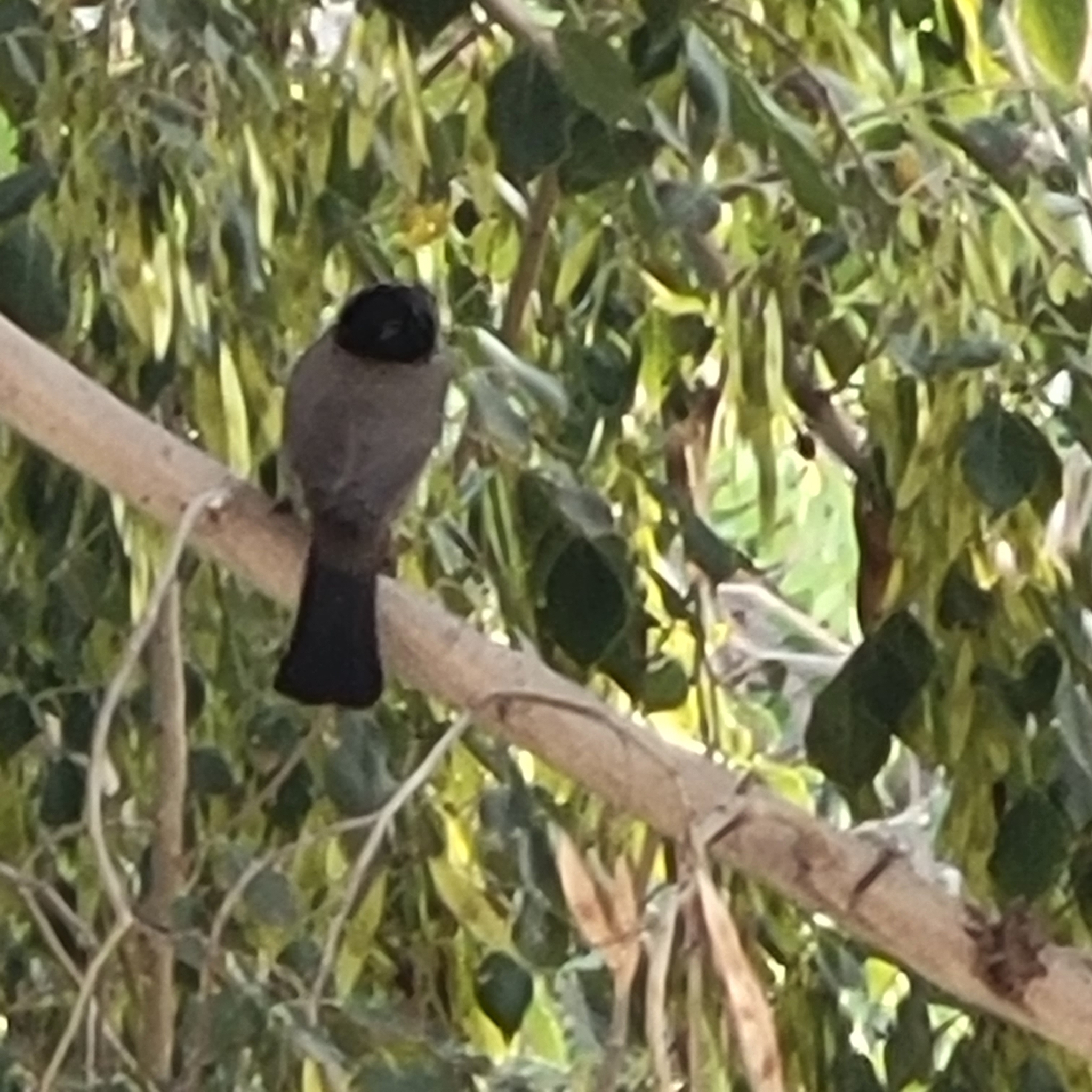
Pycnonotus xanthopygos
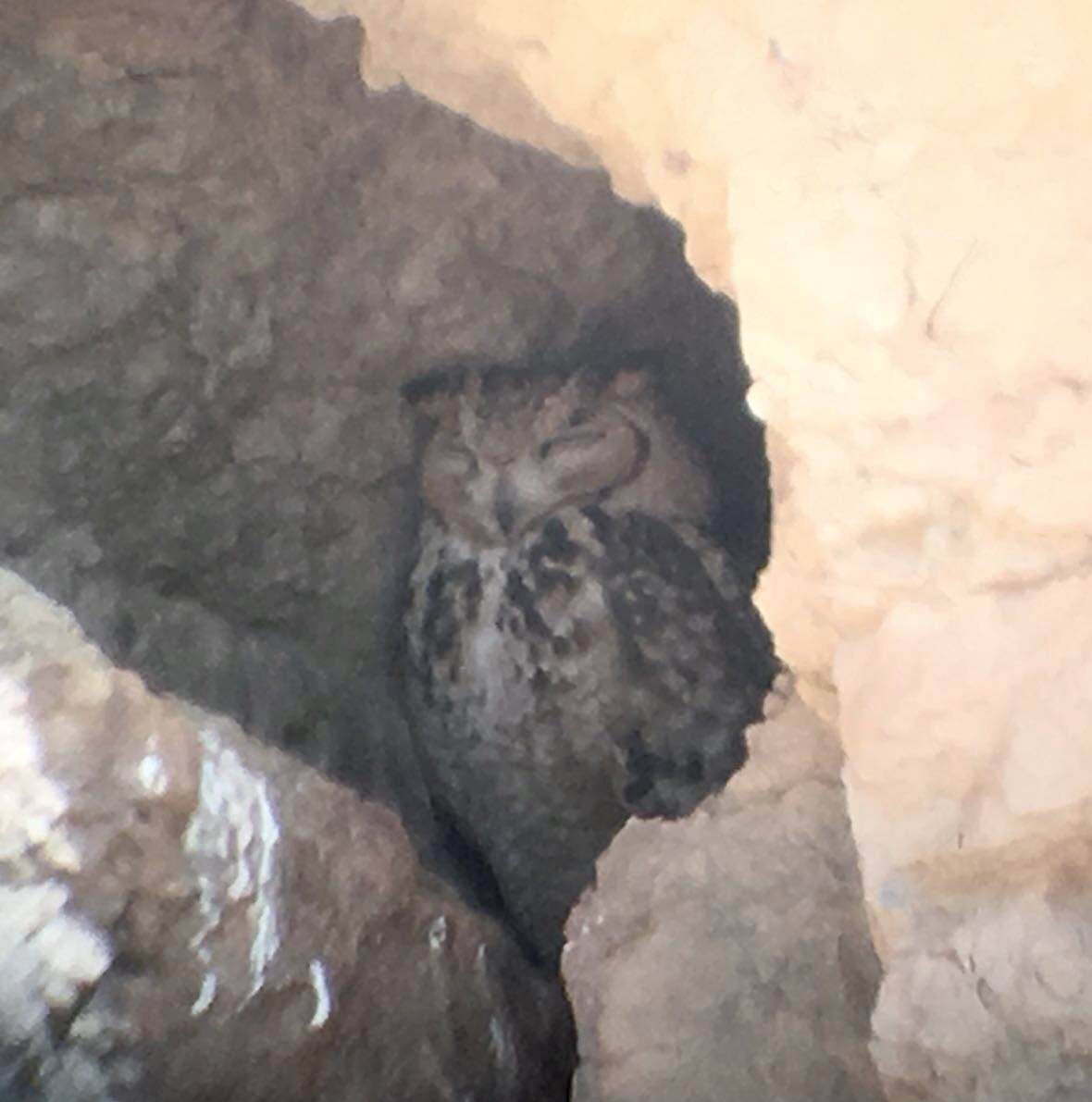
Bubo ascalaphus
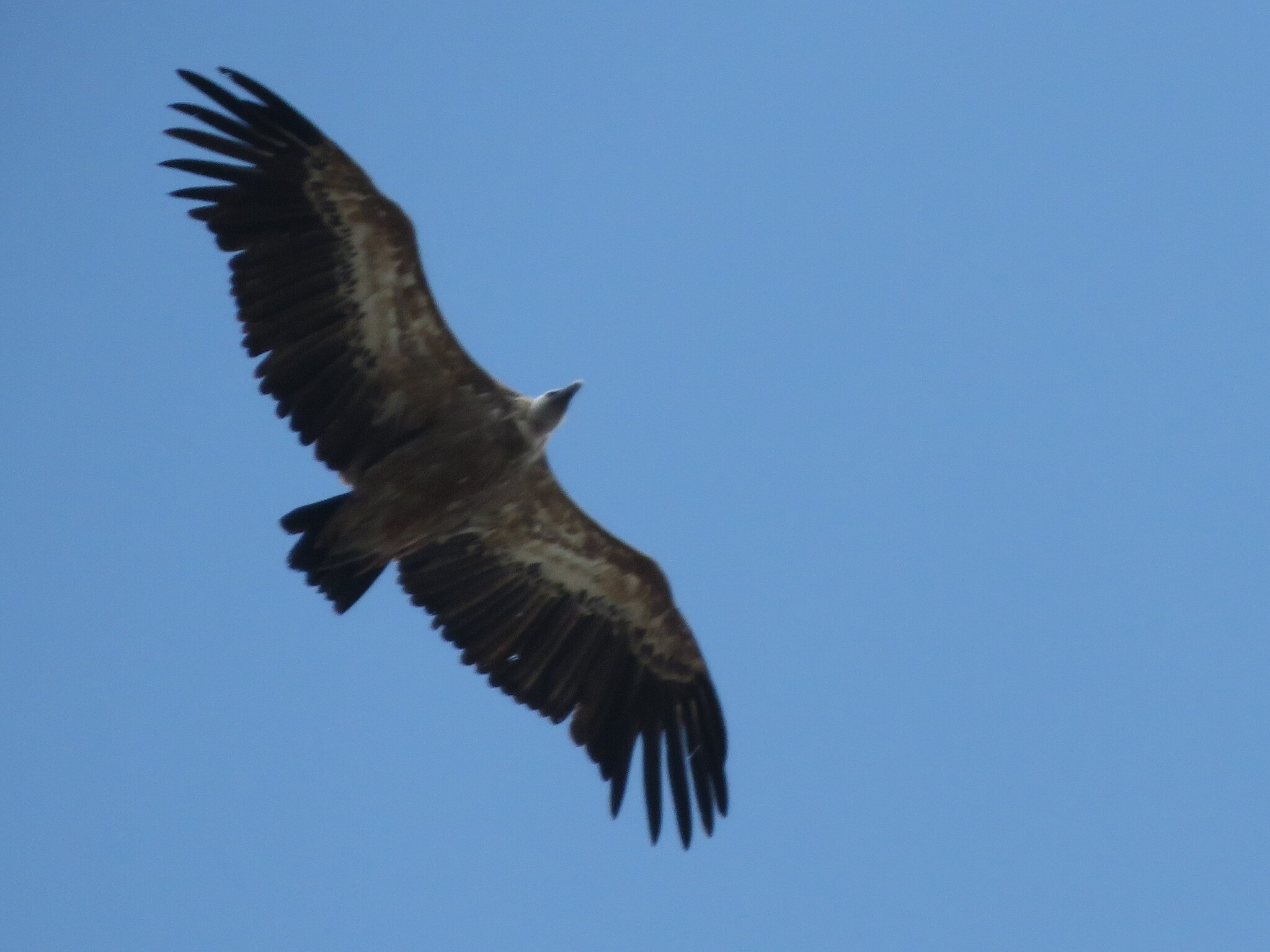
Gyps fulvus
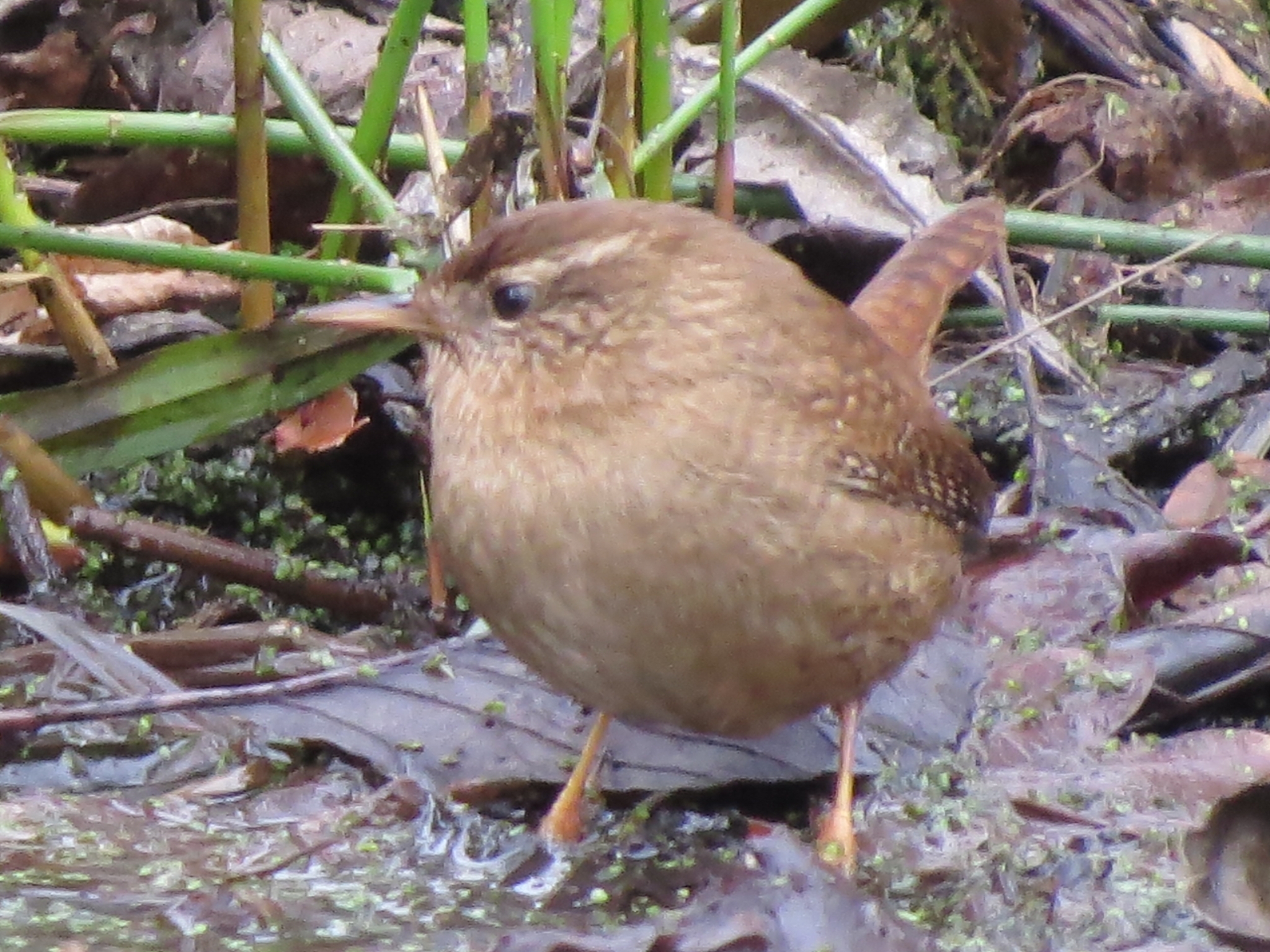
Nannus troglodytes
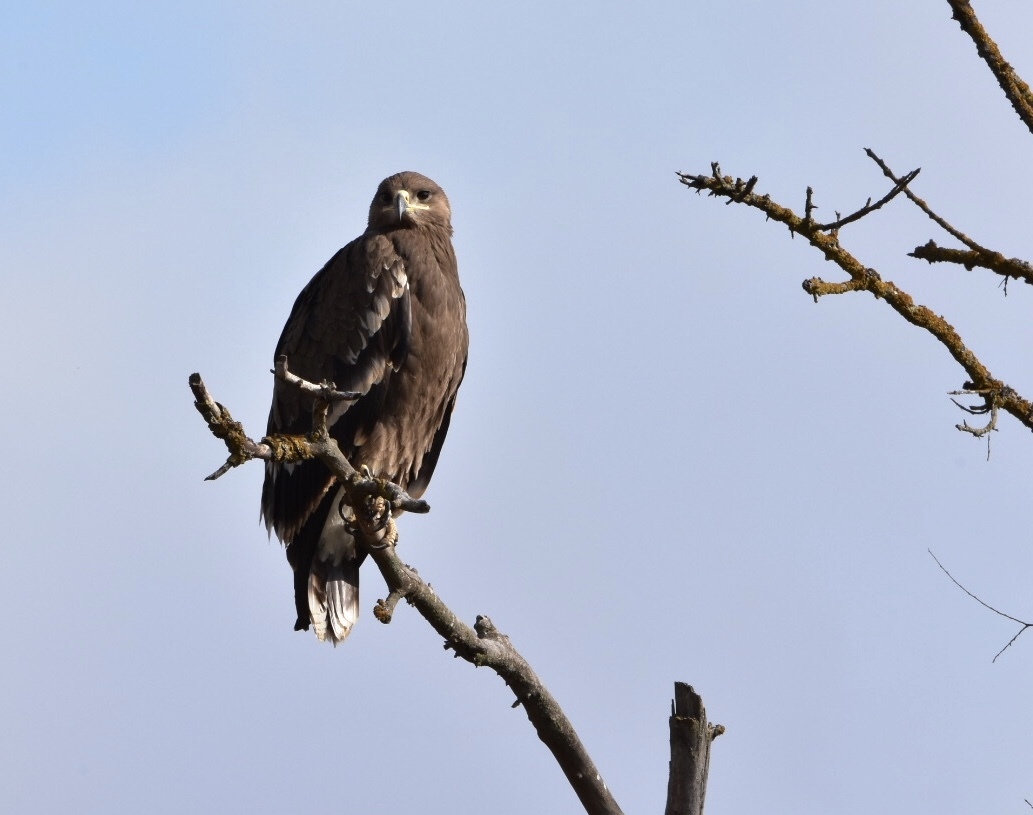
Aquila nipalensis
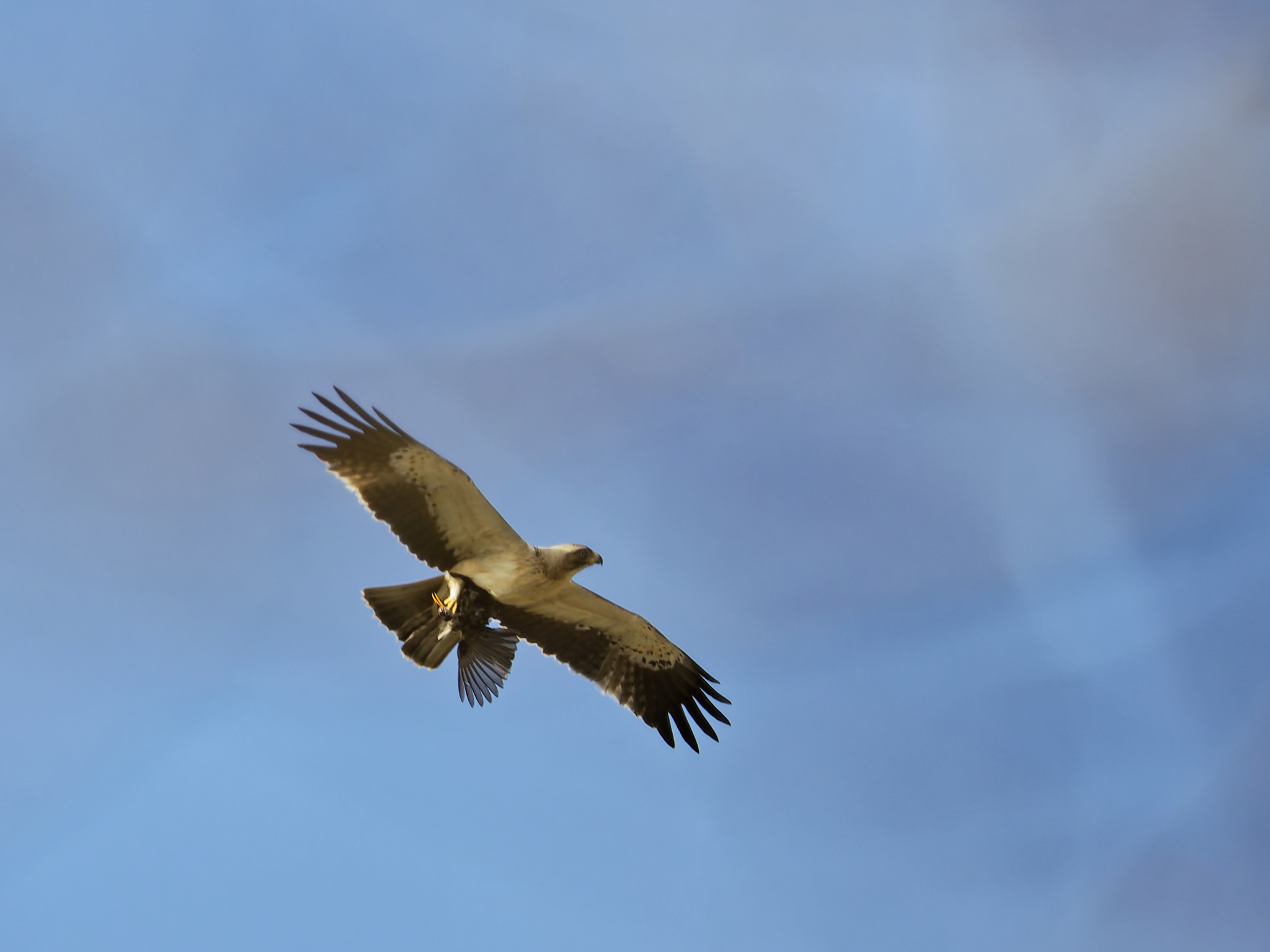
Hieraaetus pennatus
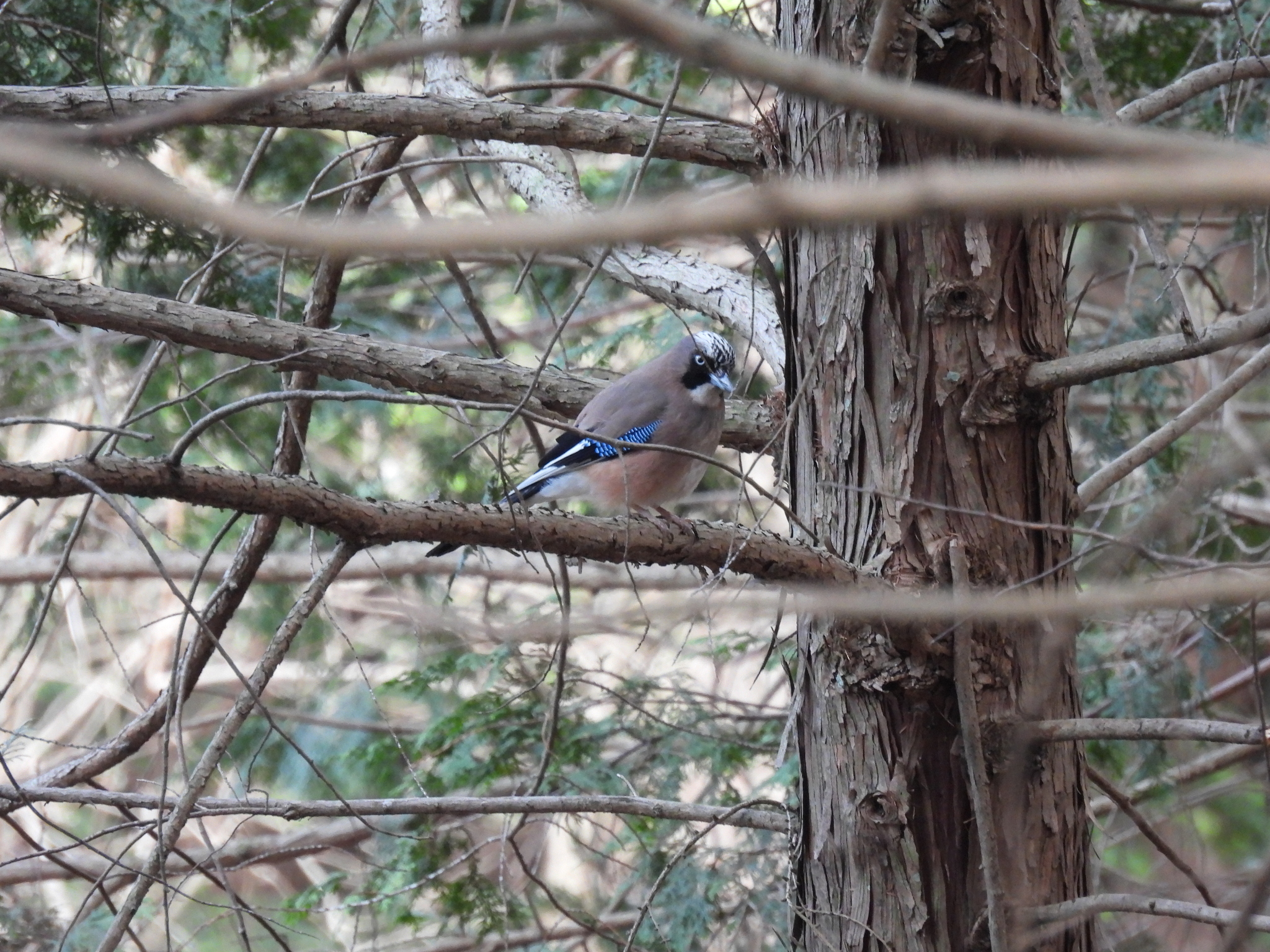
Garrulus glandarius
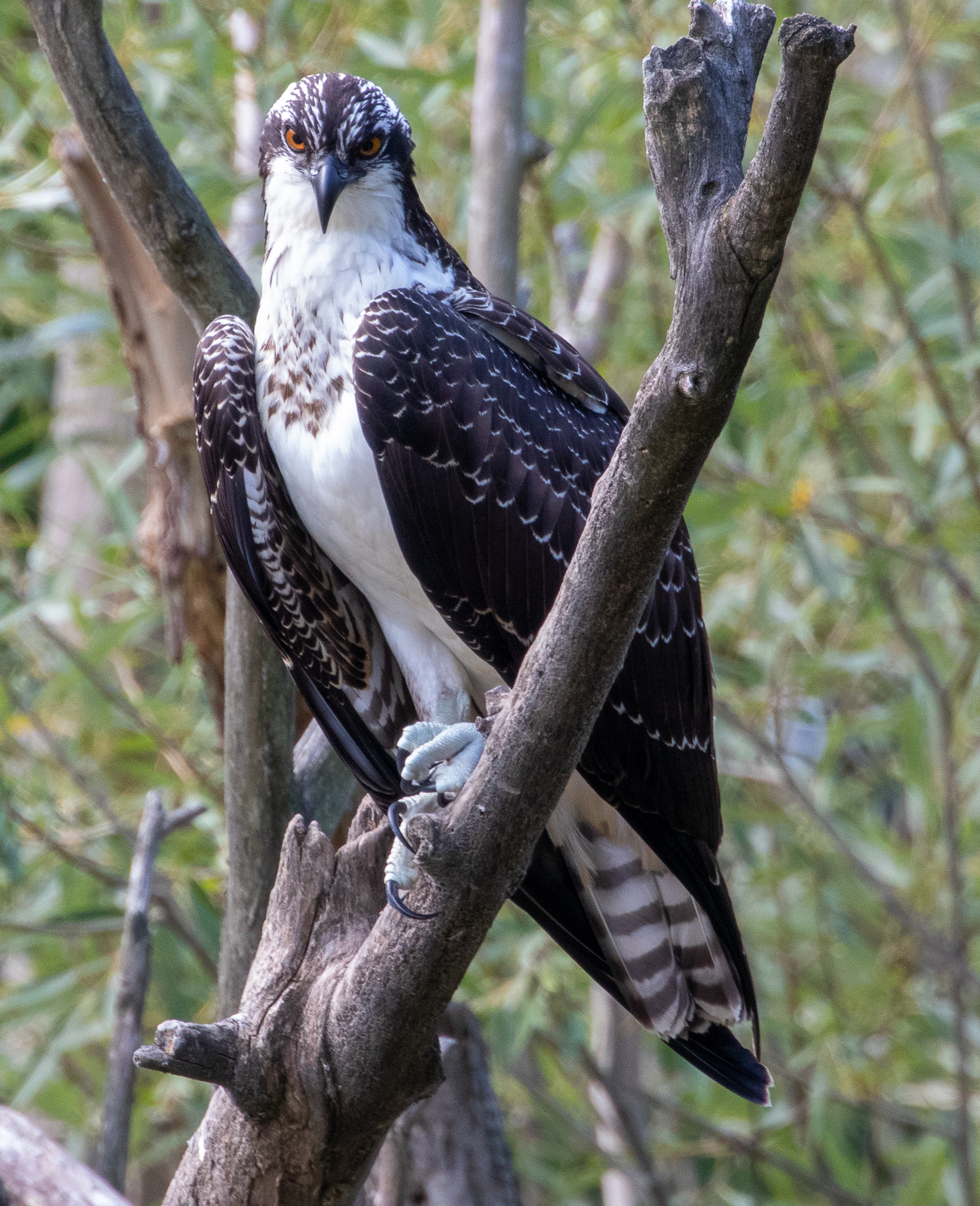
Pandion haliaetus
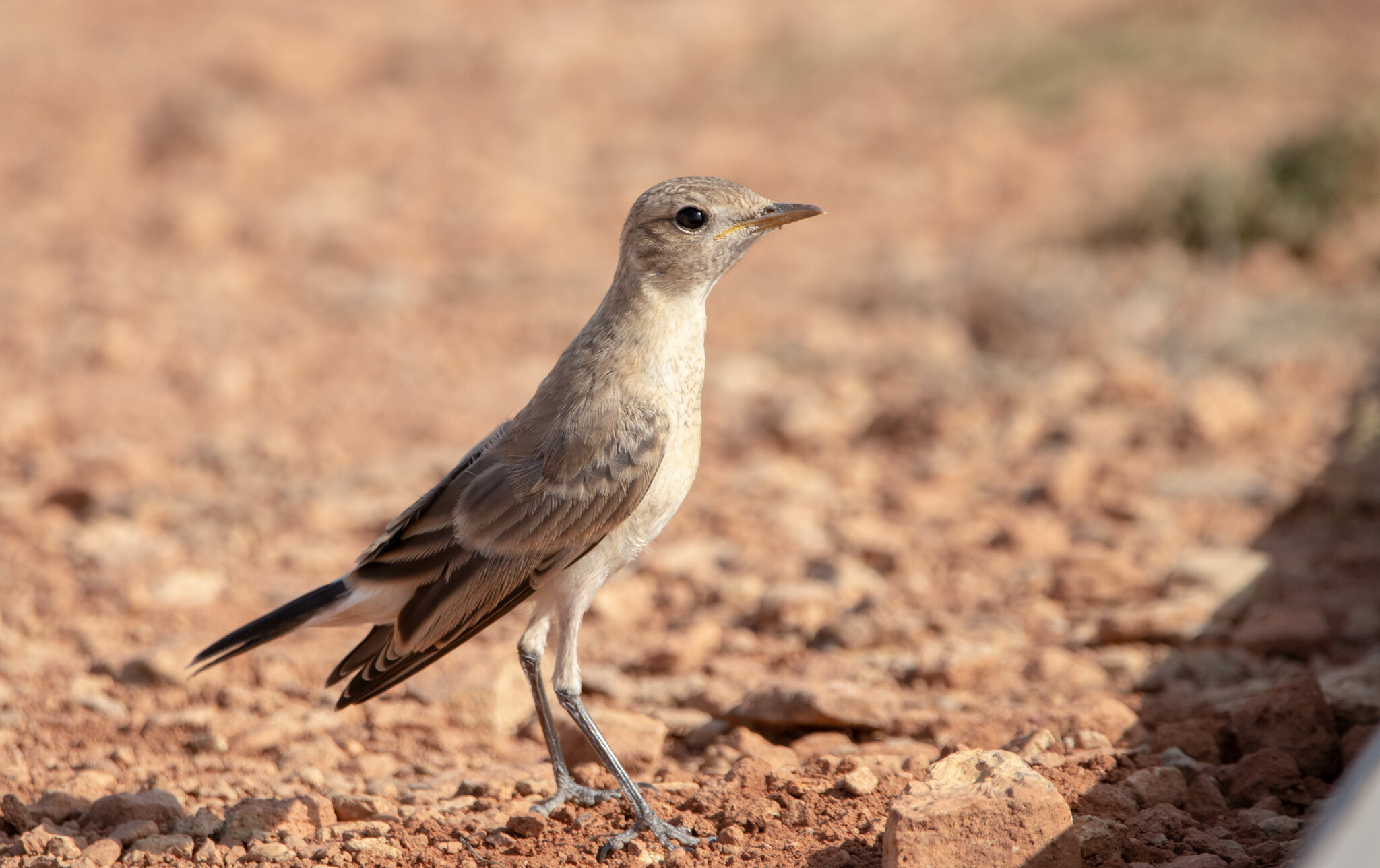
Oenanthe isabellina
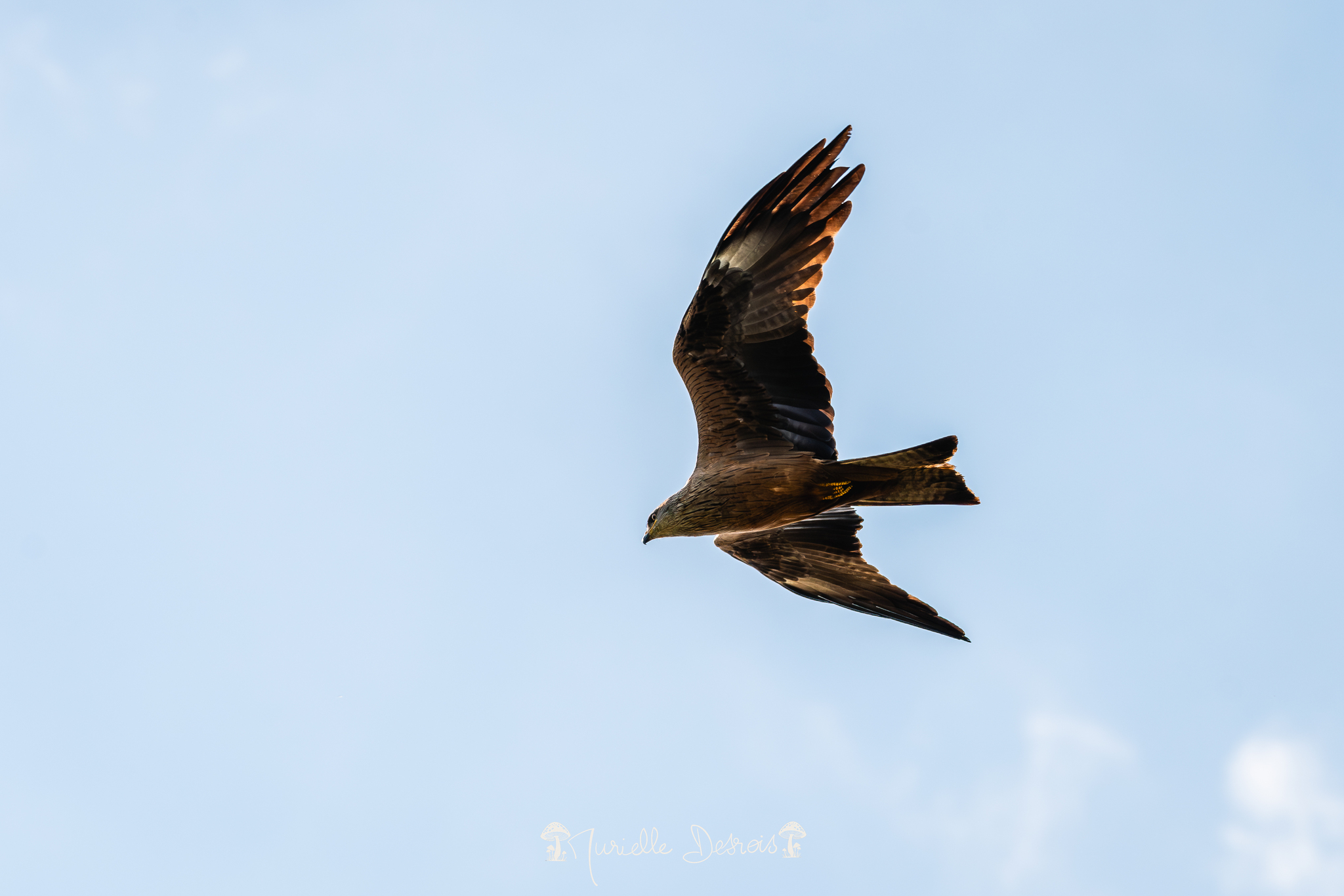
Milvus migrans
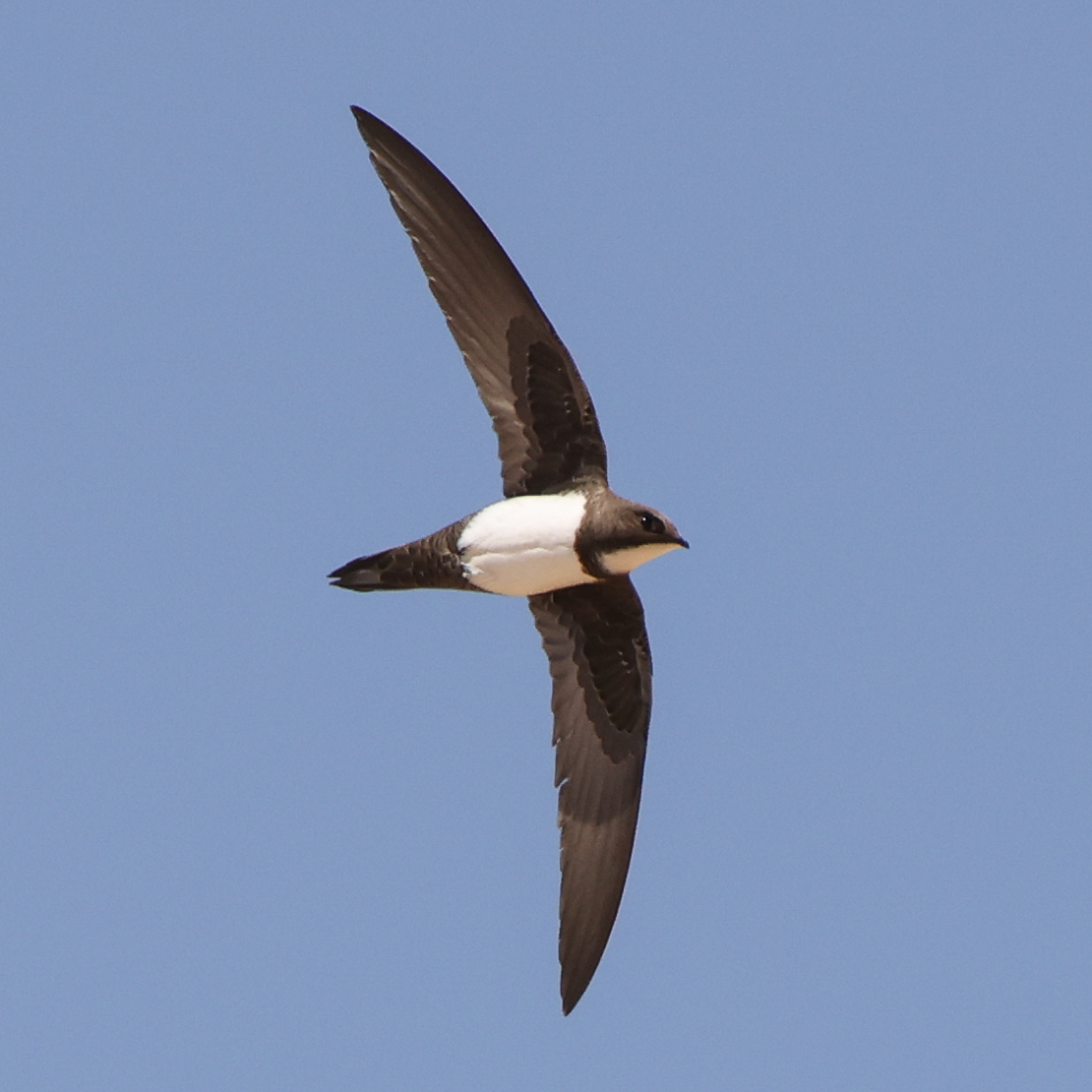
Tachymarptis melba
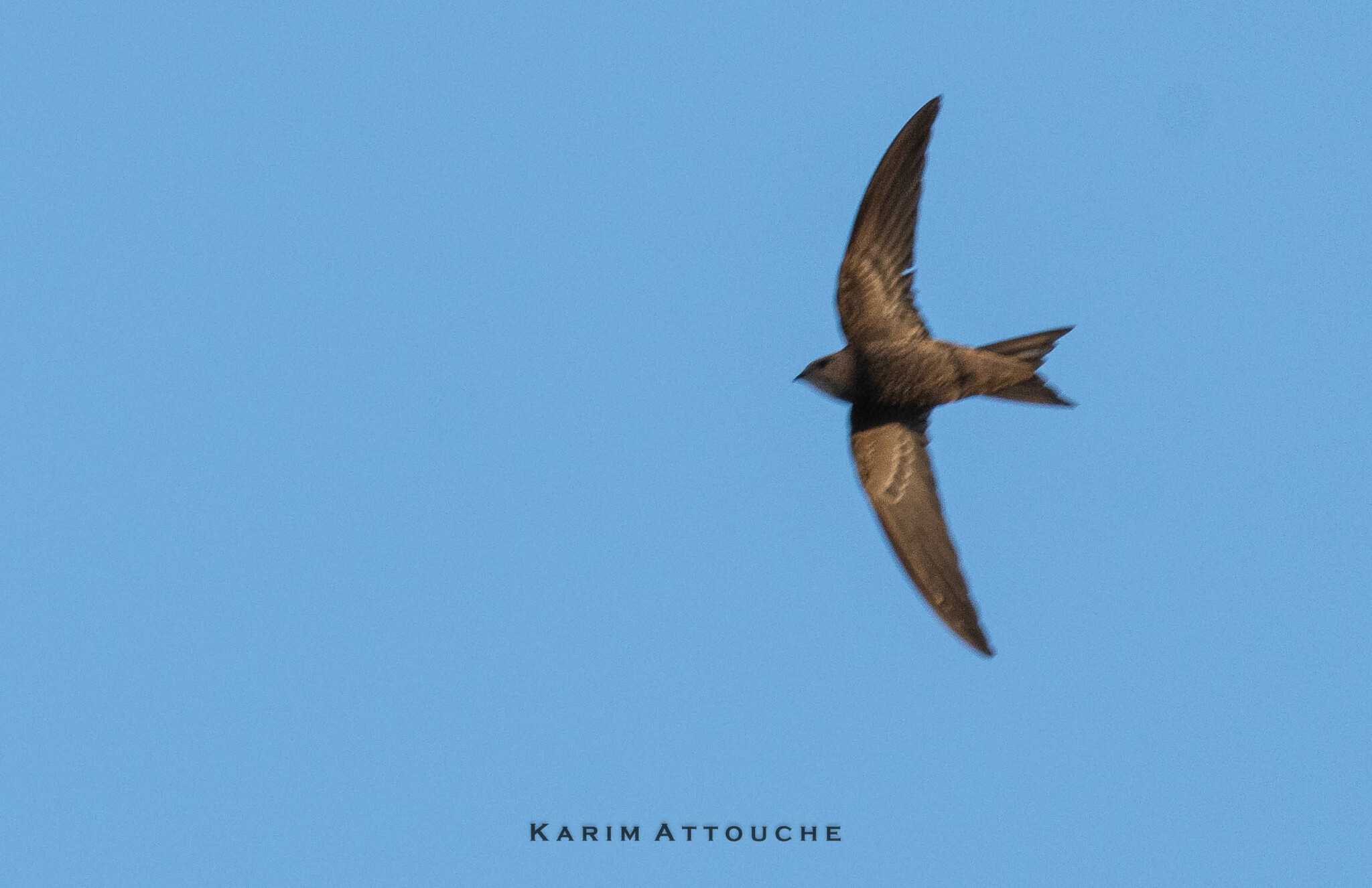
Apus pallidus
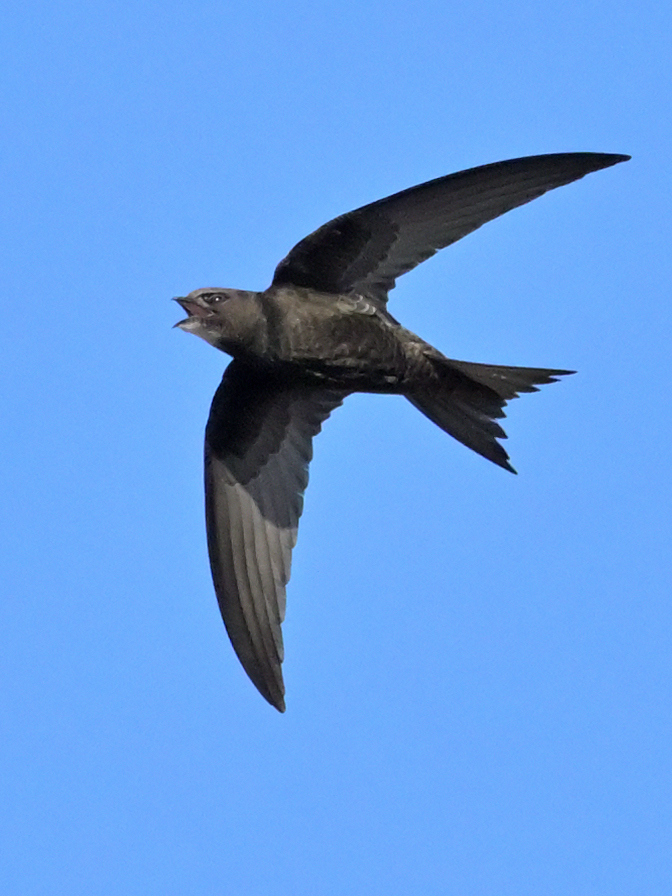
Apus apus
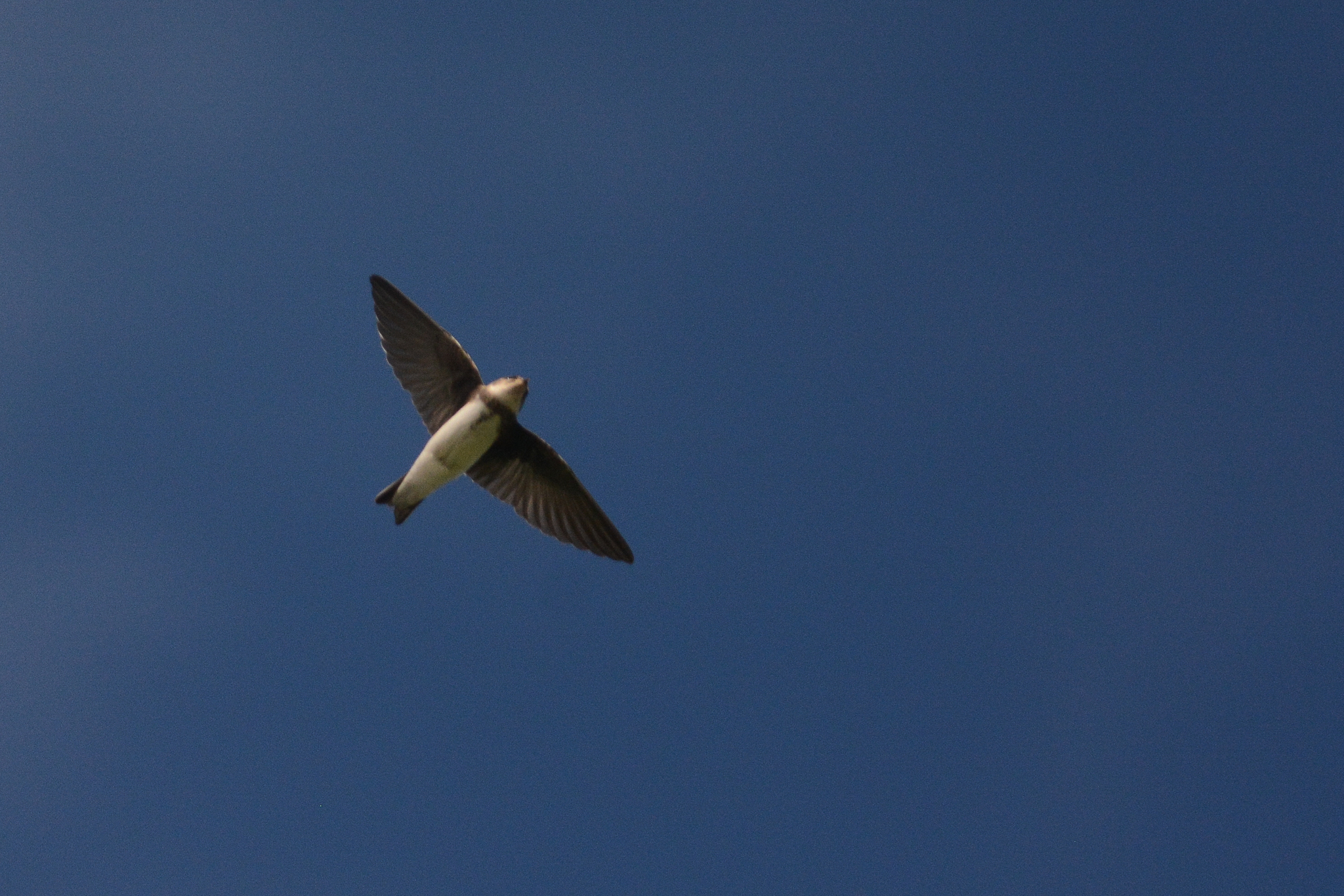
Riparia riparia
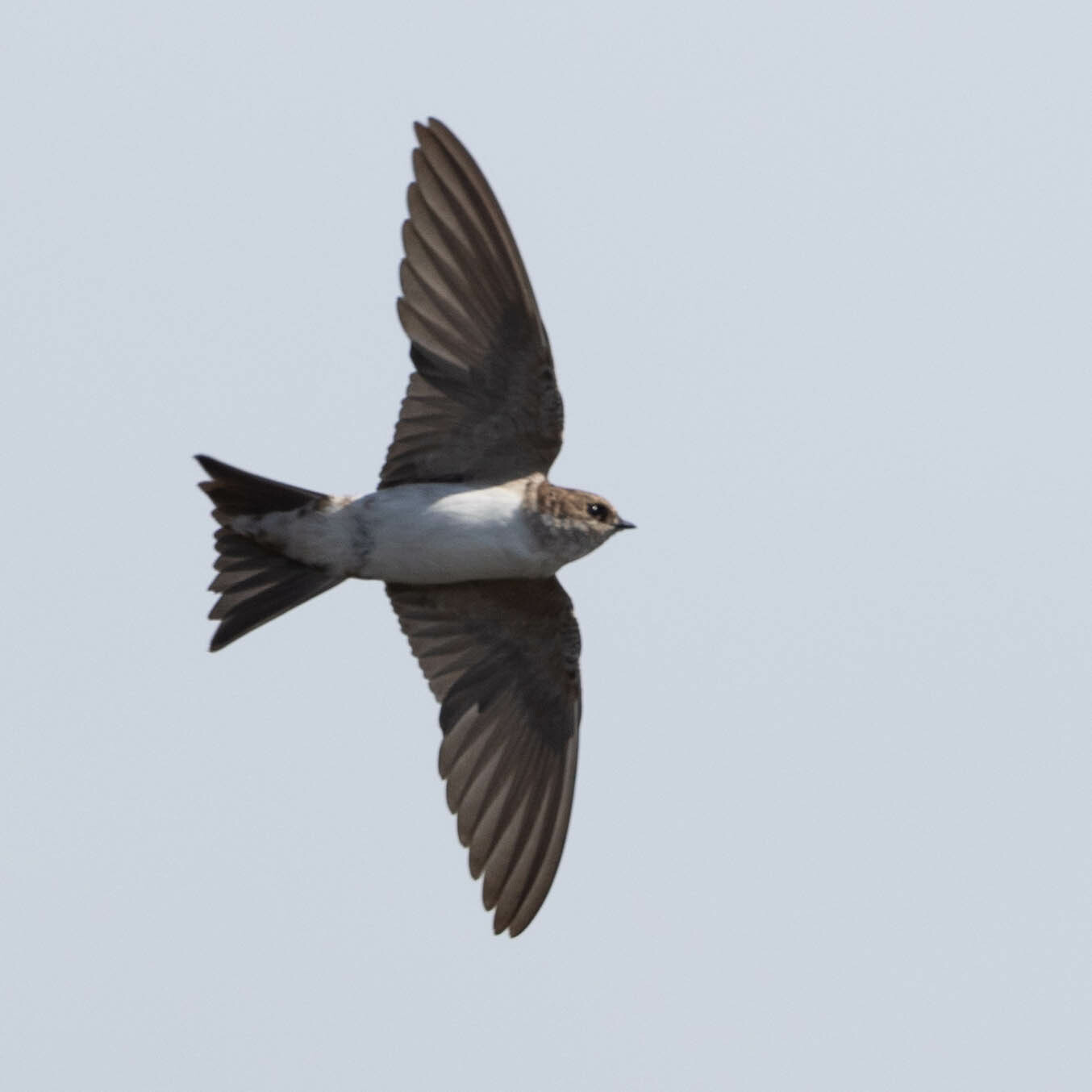
Delichon urbicum
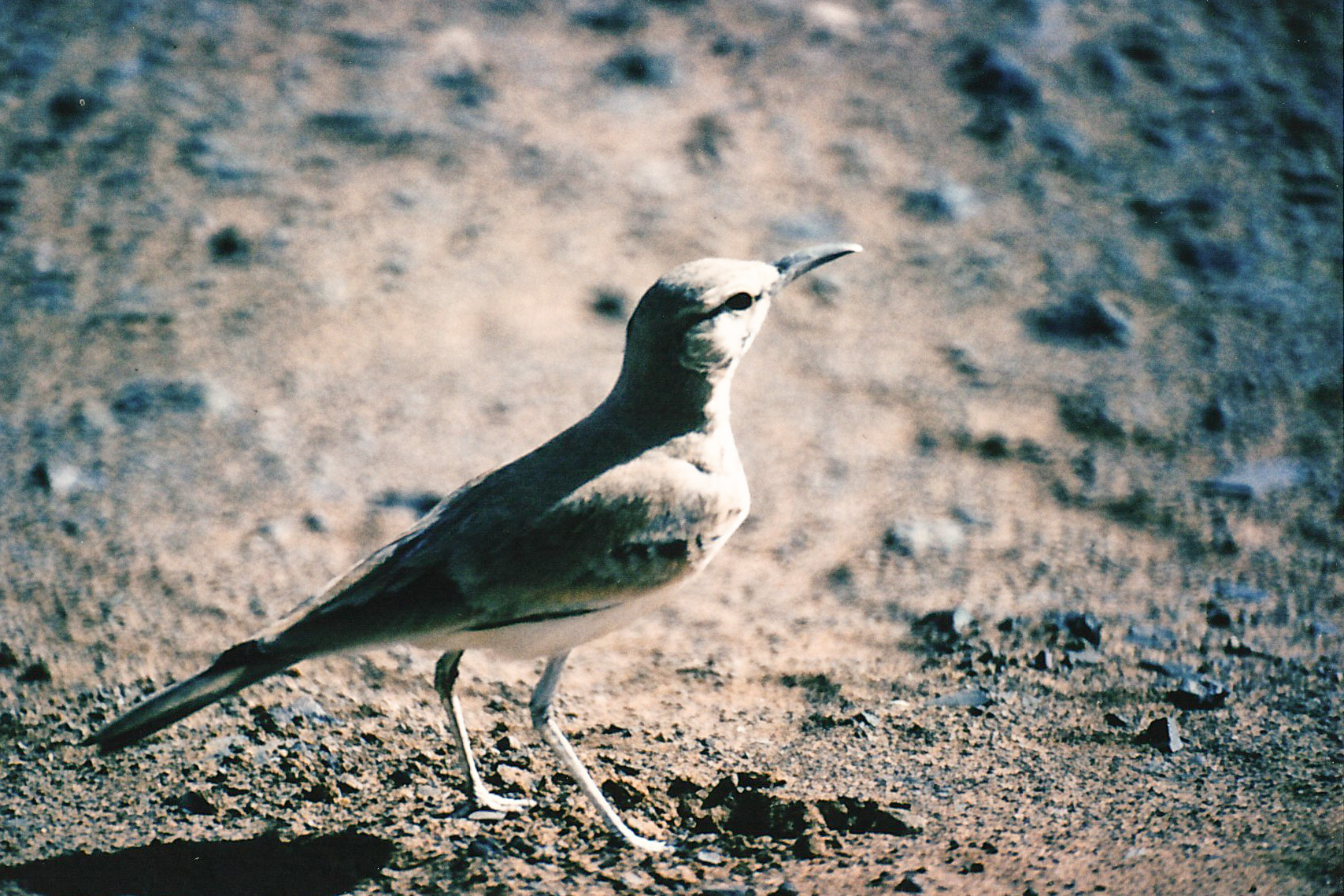
Alaemon alaudipes
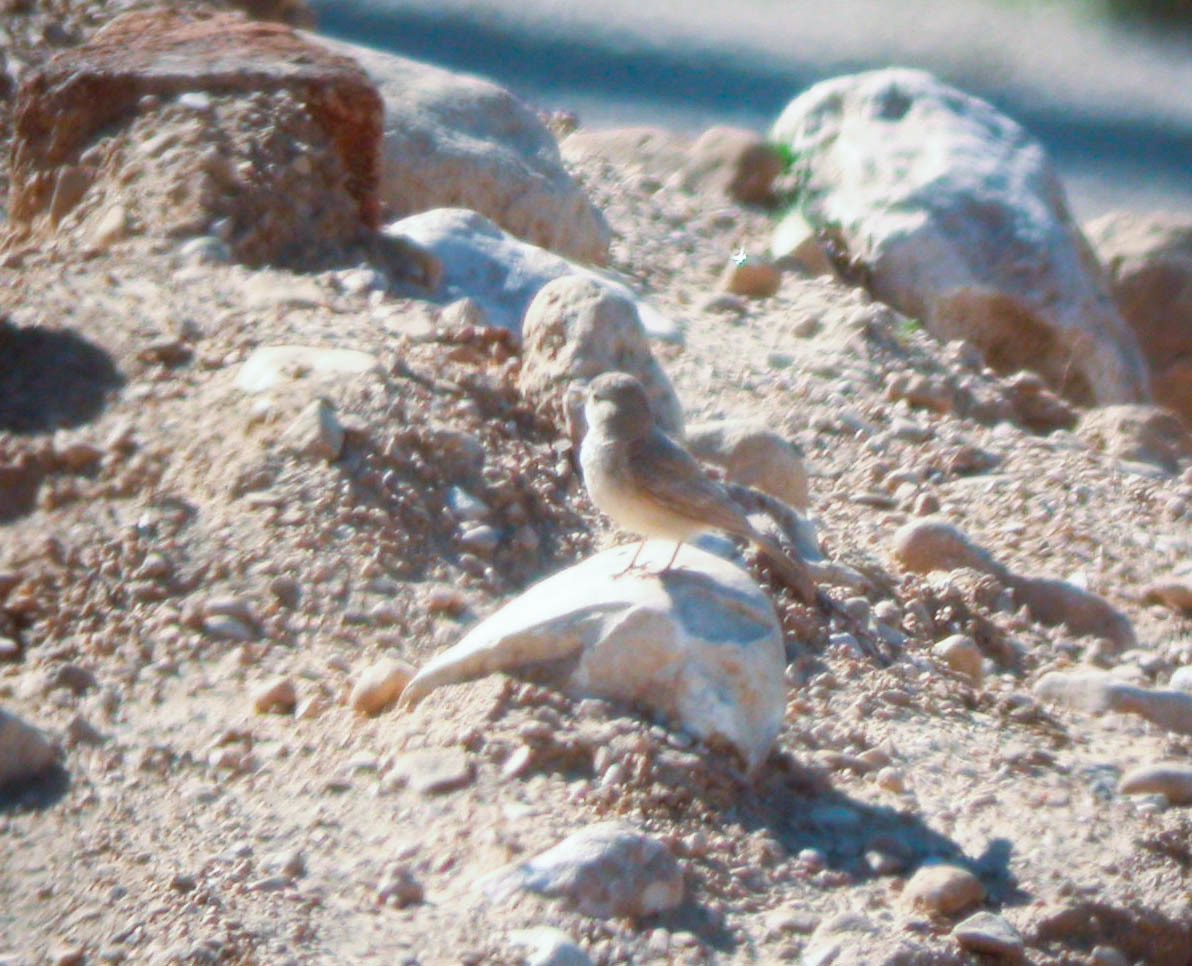
Ammomanes deserti
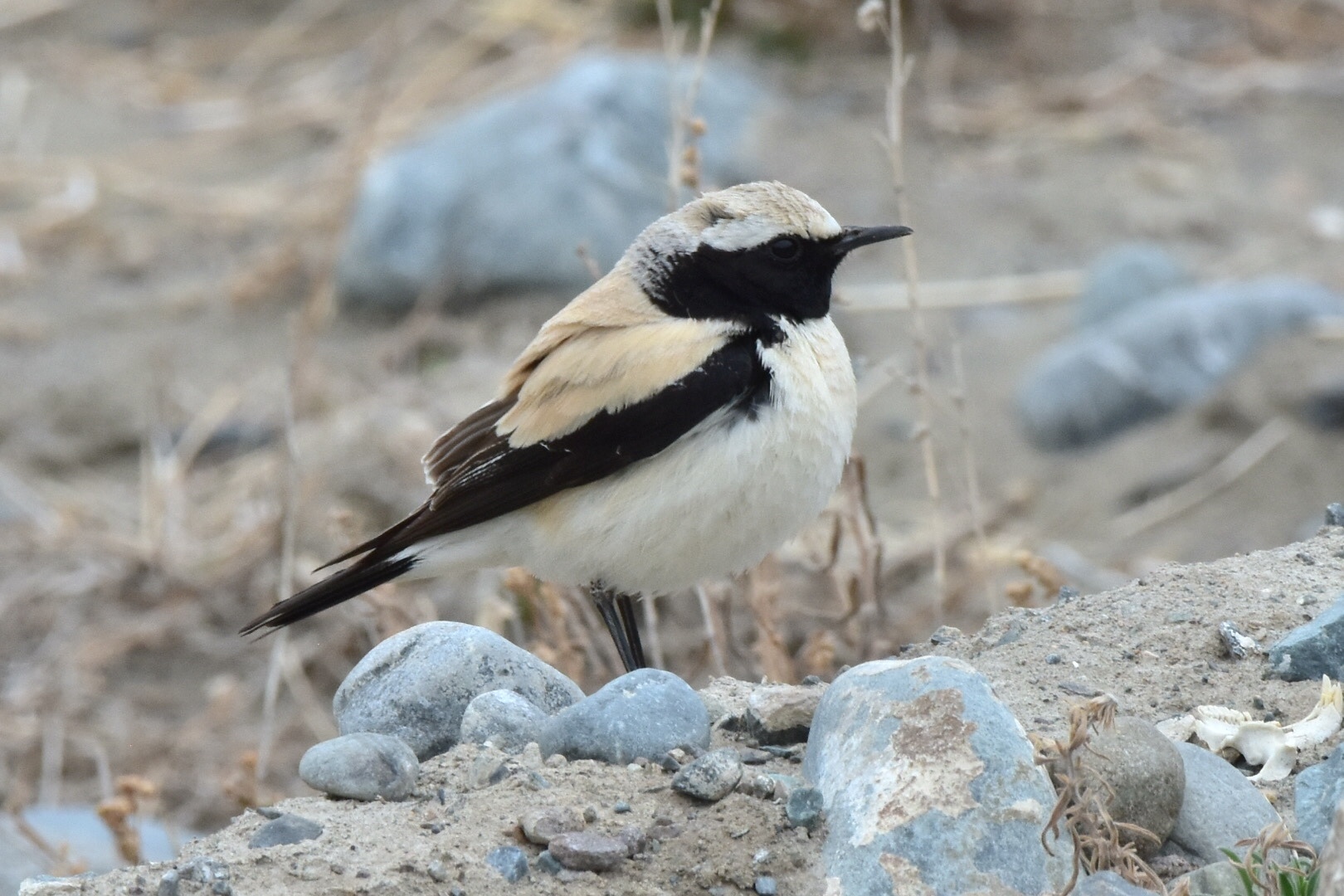
Oenanthe deserti
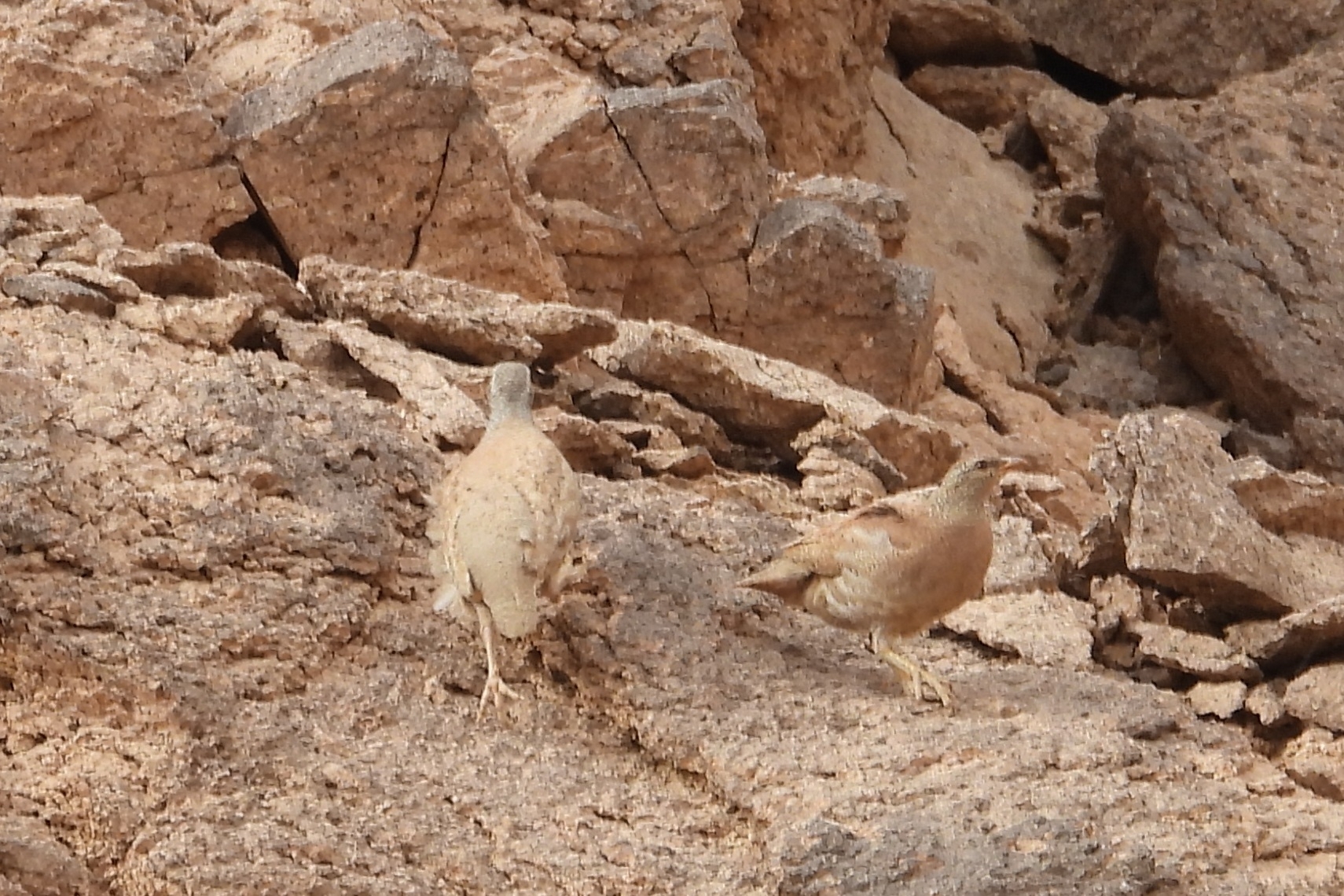
Ammoperdix heyi
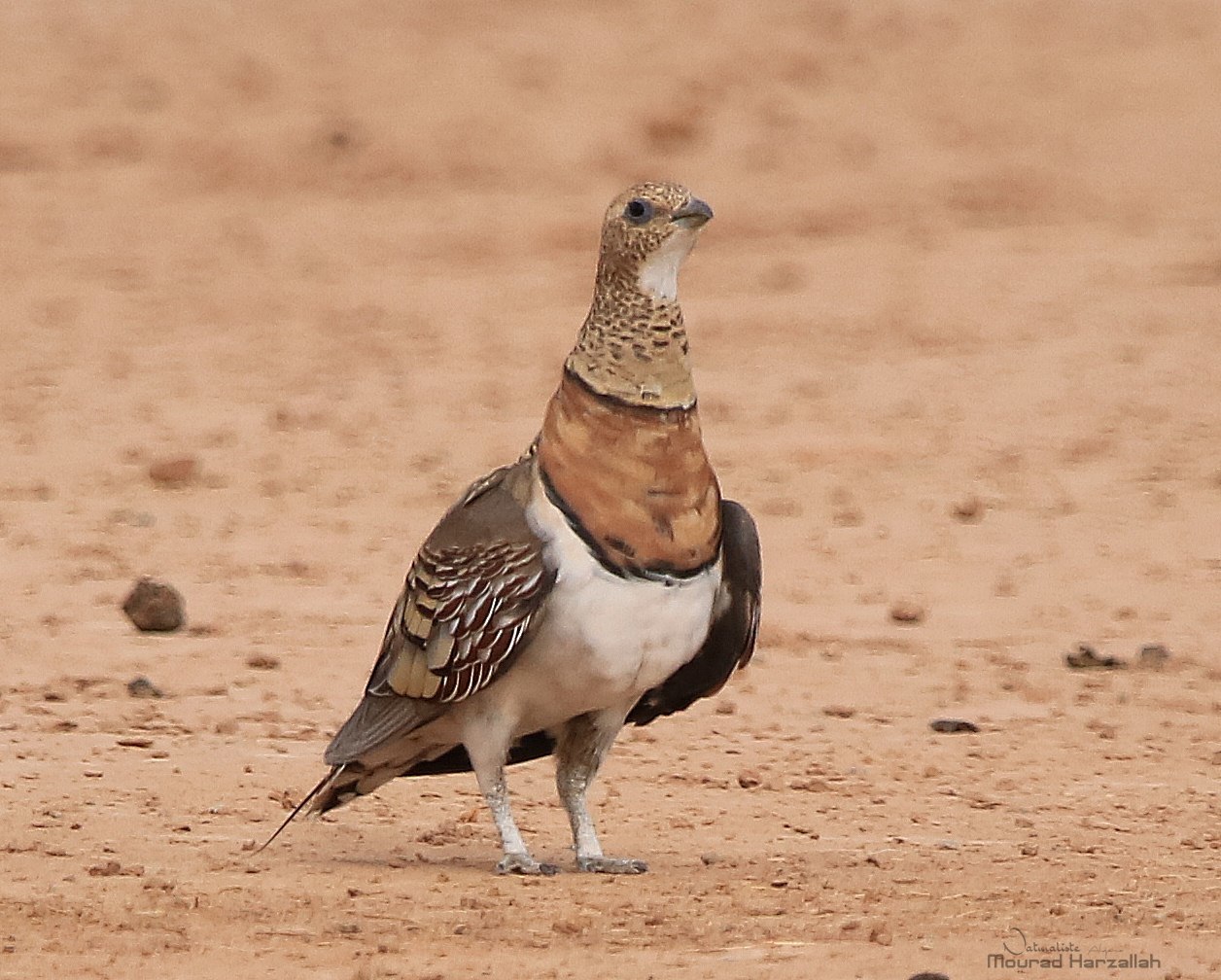
Pterocles alchata
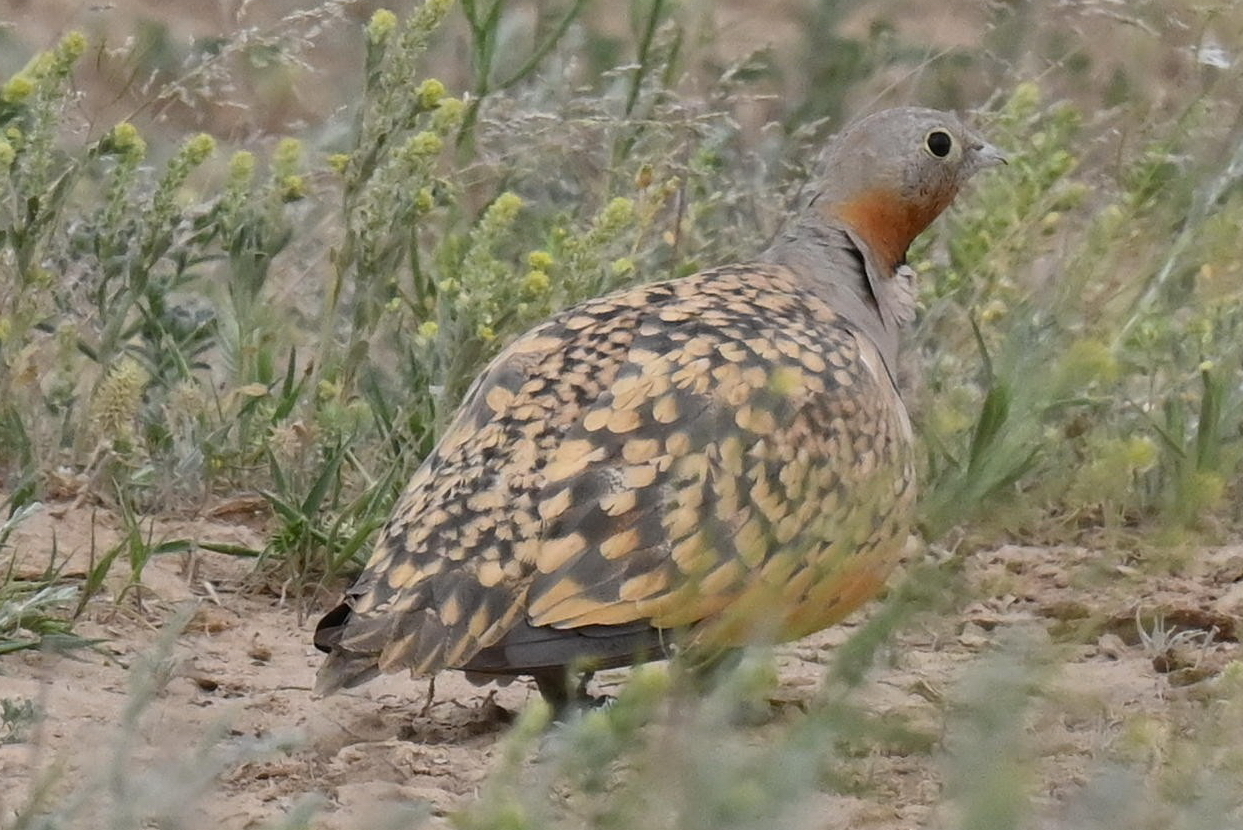
Pterocles orientalis
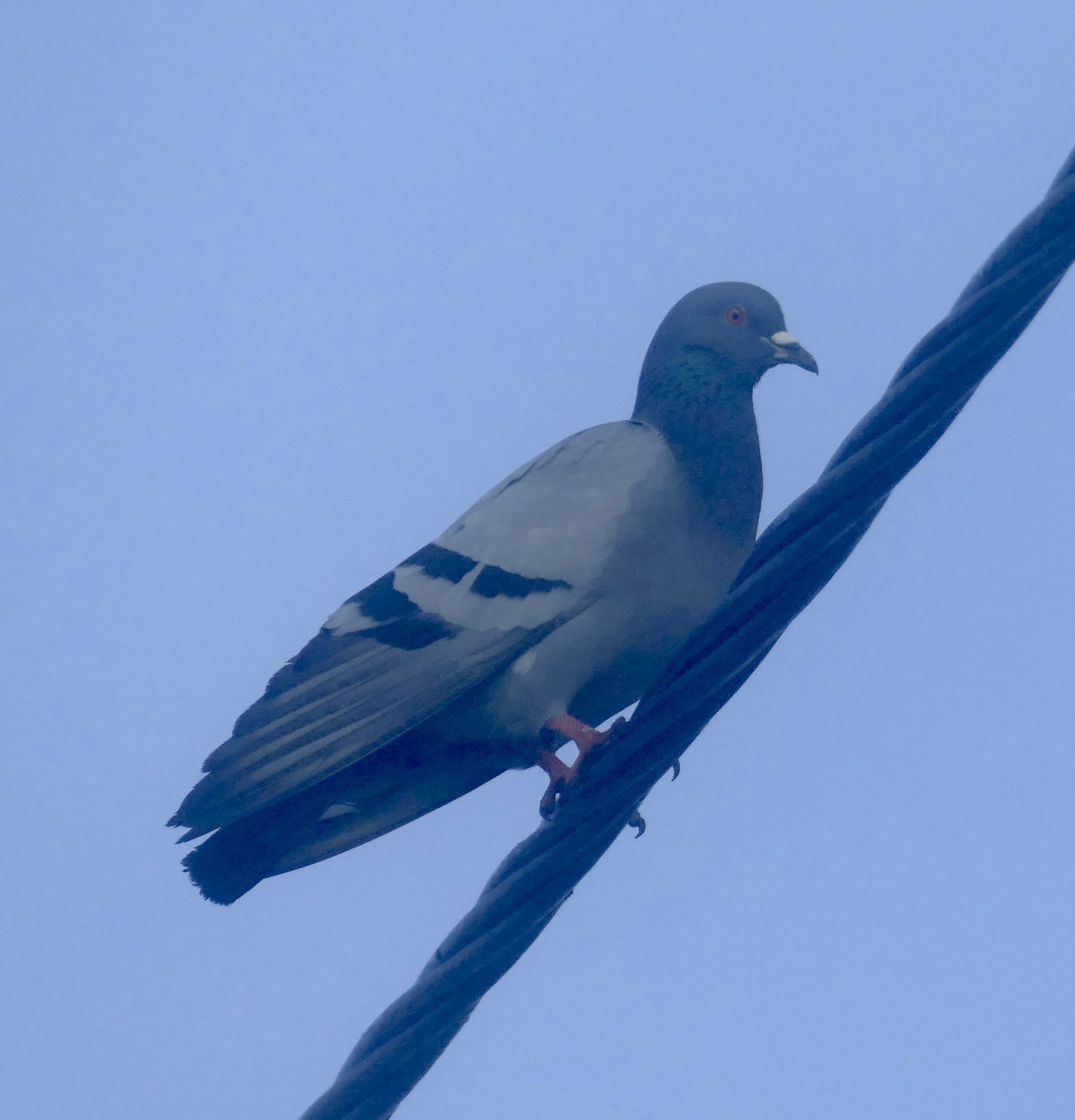
Columba livia
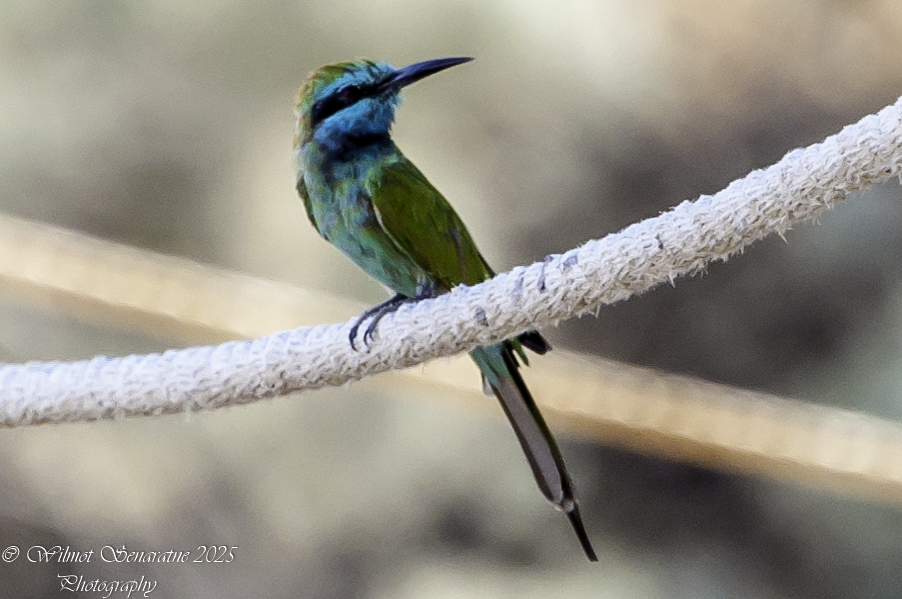
Merops cyanophrys
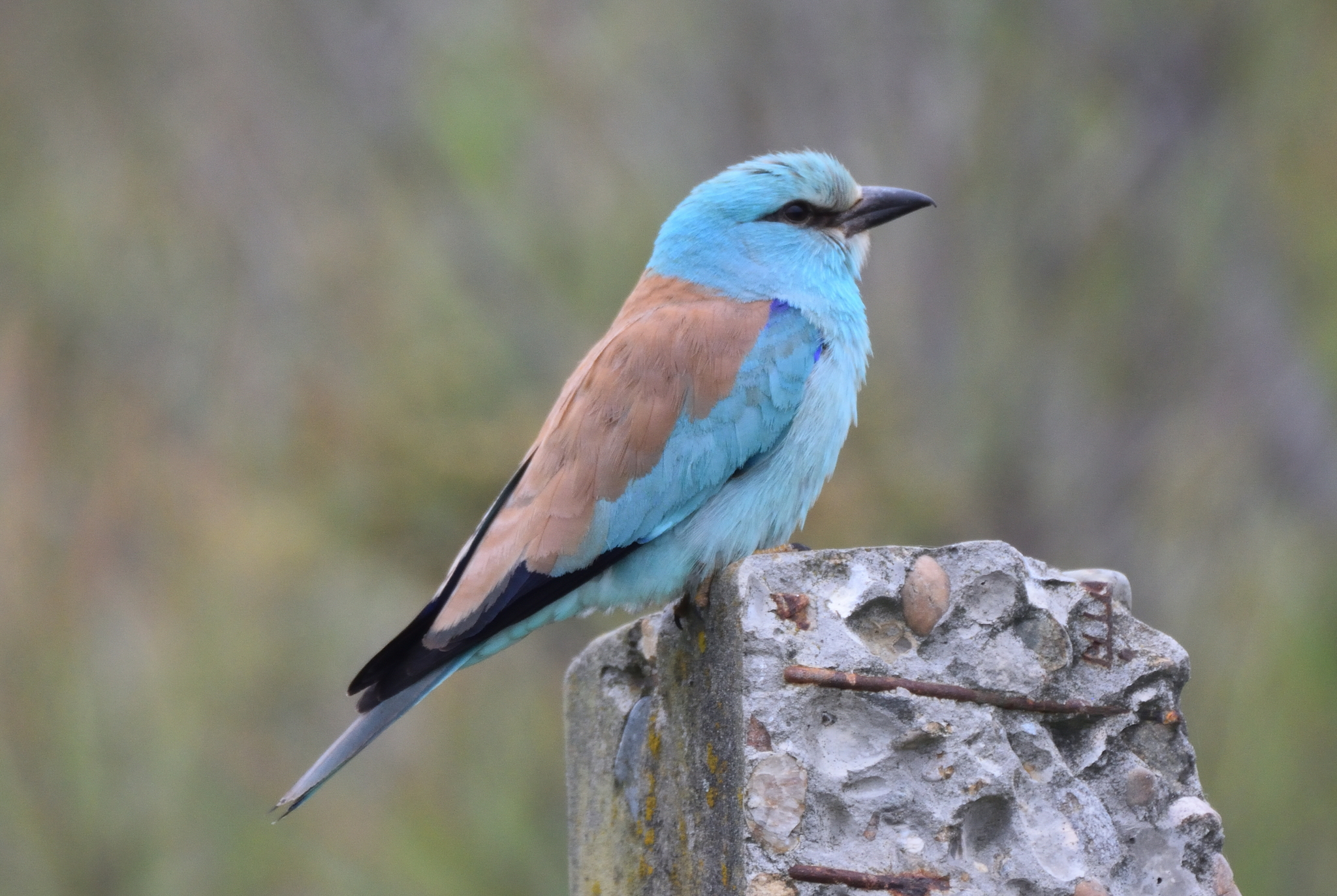
Coracias garrulus
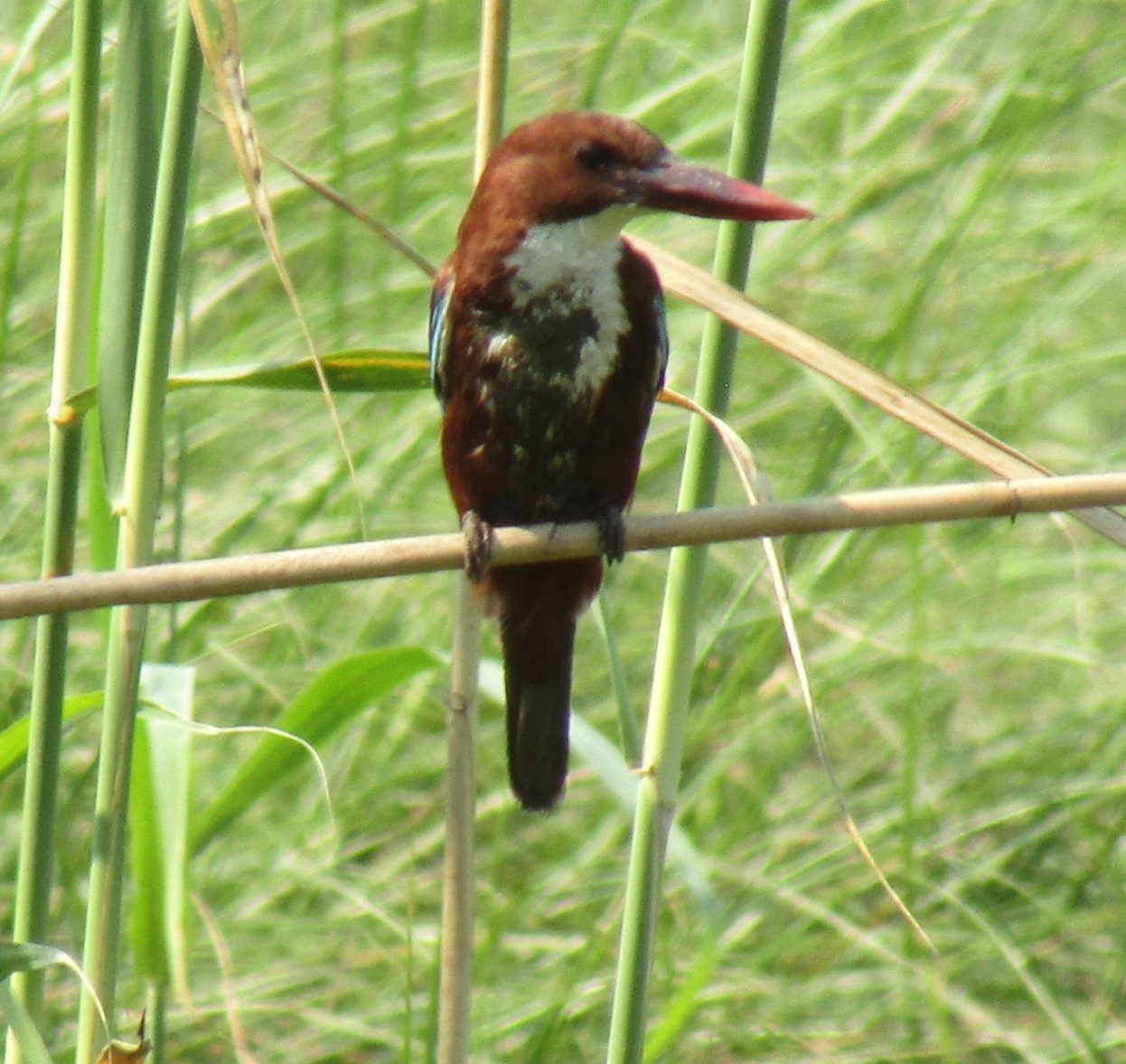
Halcyon smyrnensis
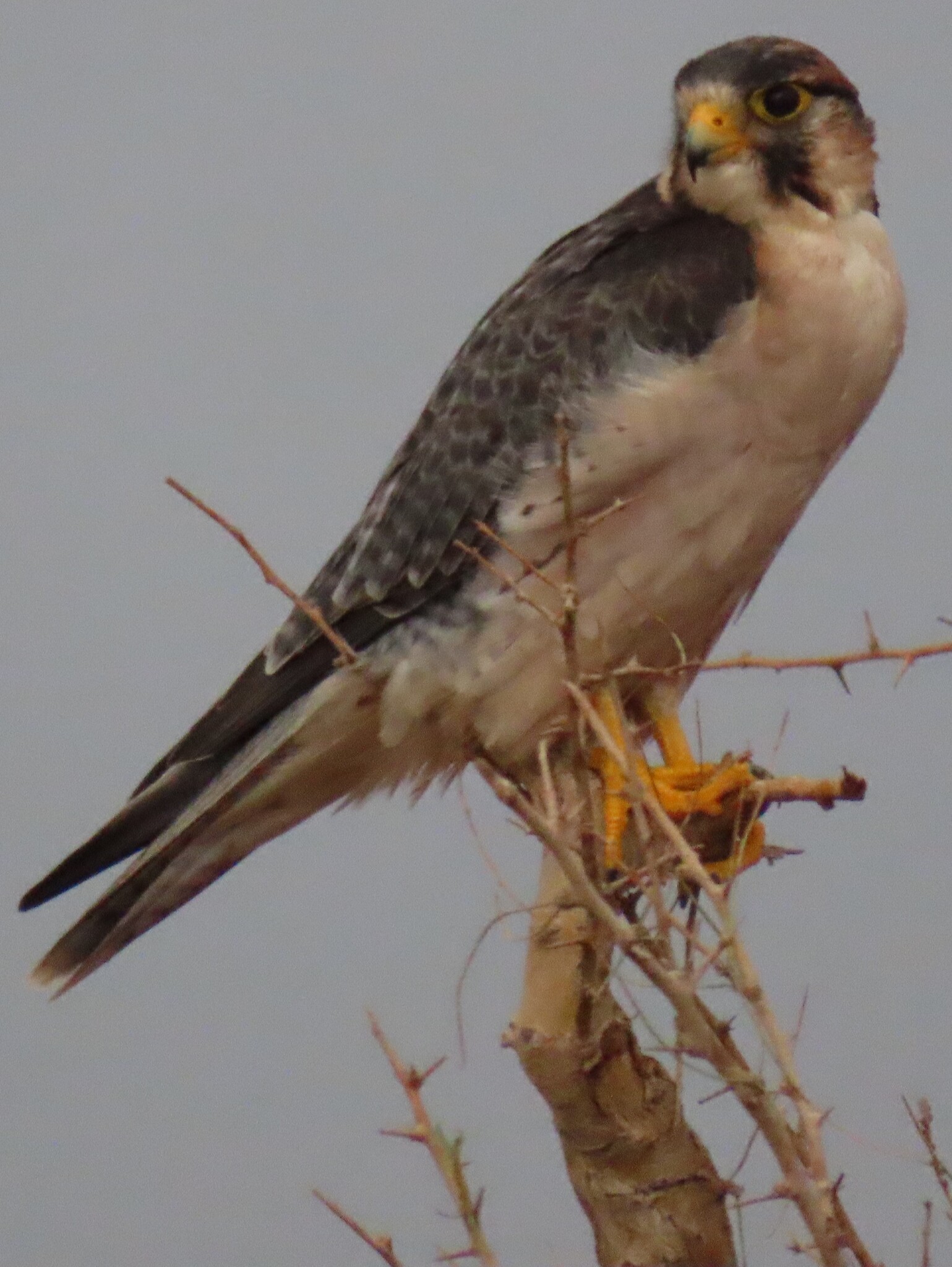
Falco biarmicus
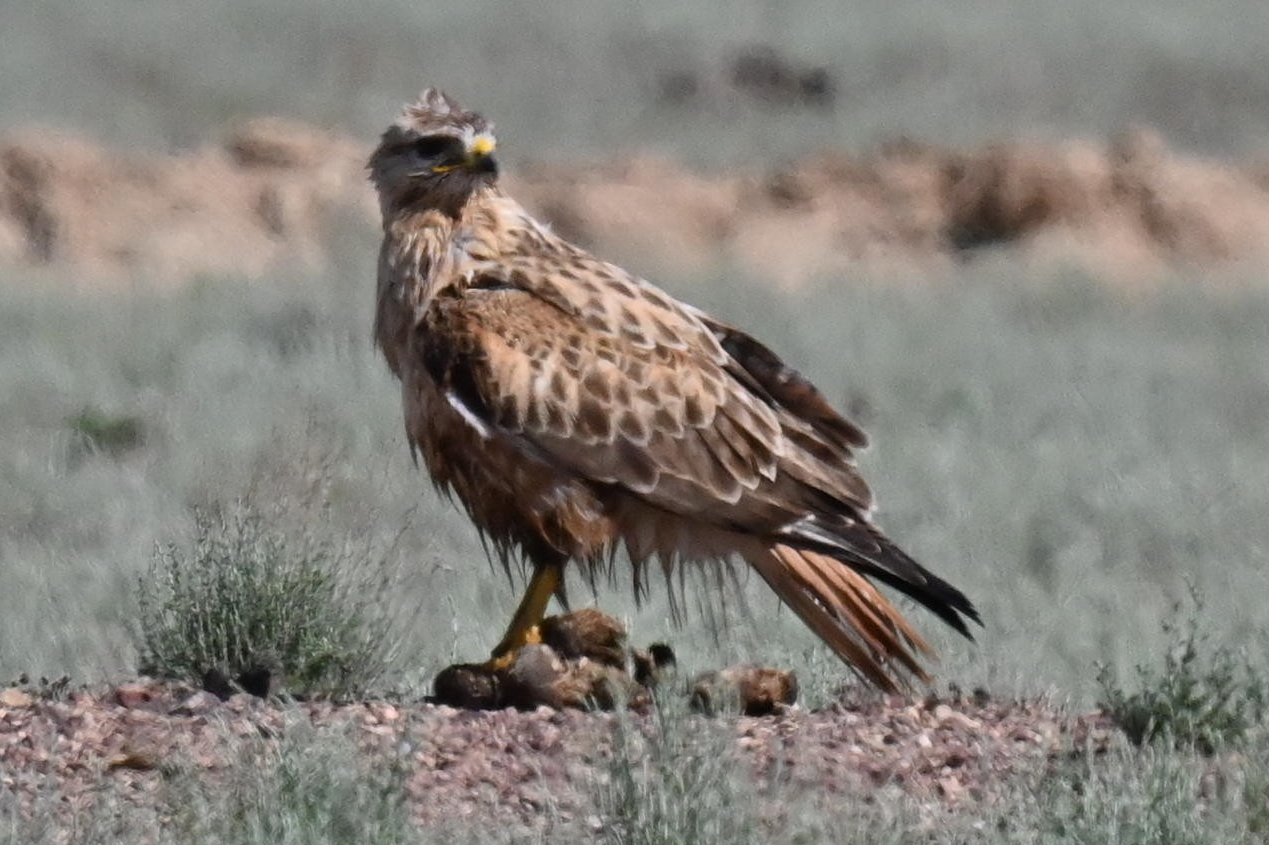
Buteo rufinus
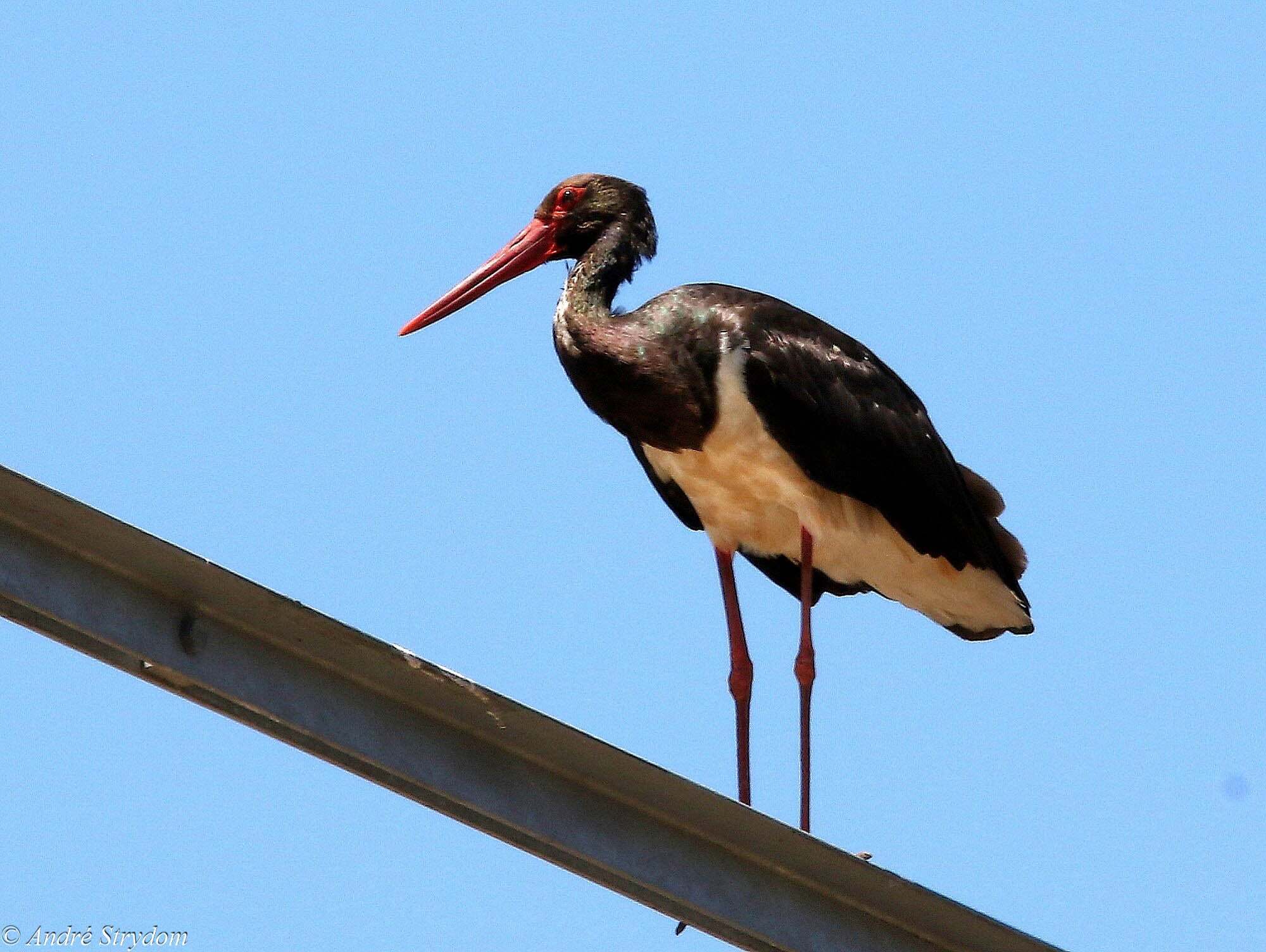
Ciconia nigra
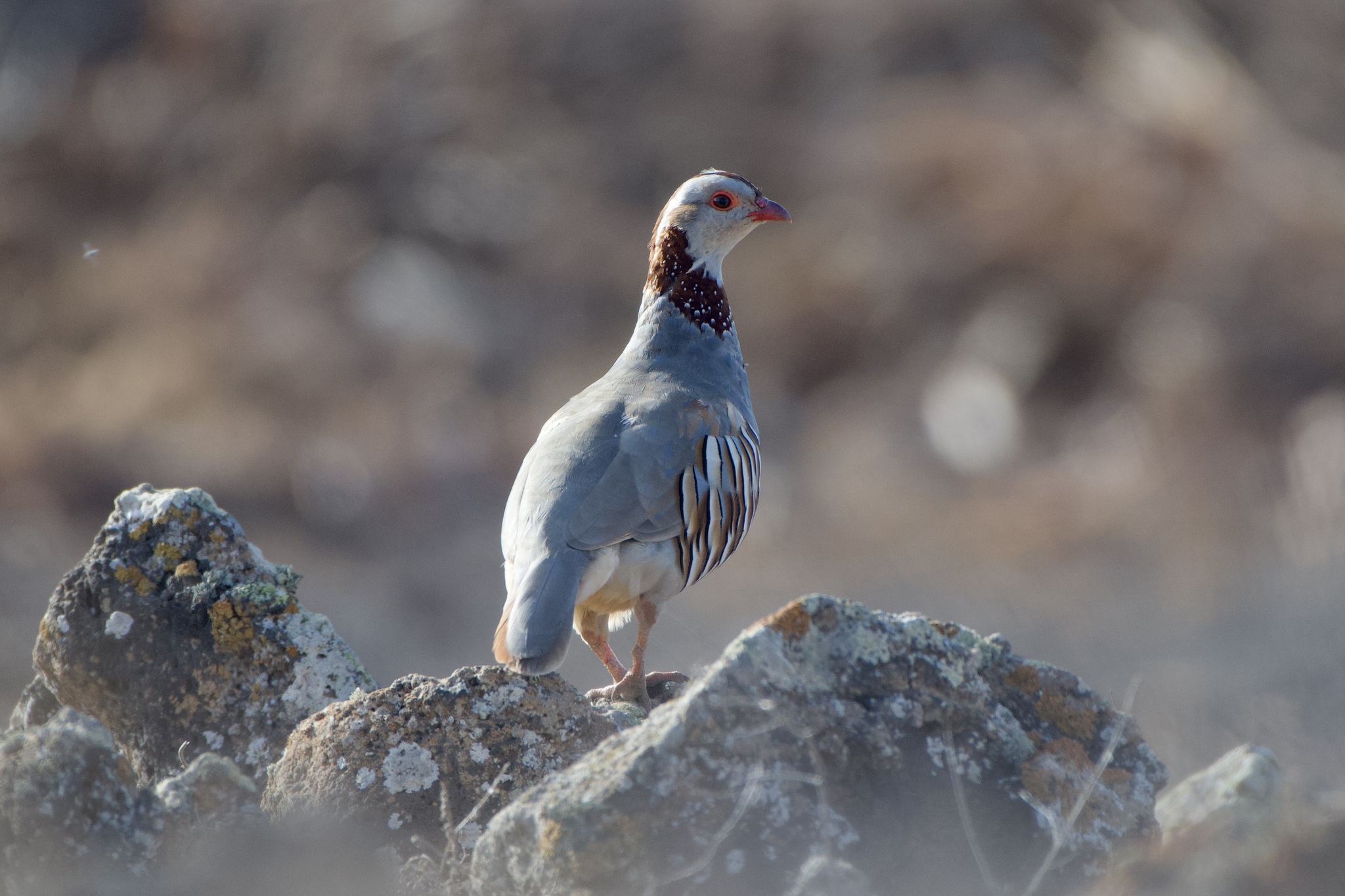
Alectoris barbara
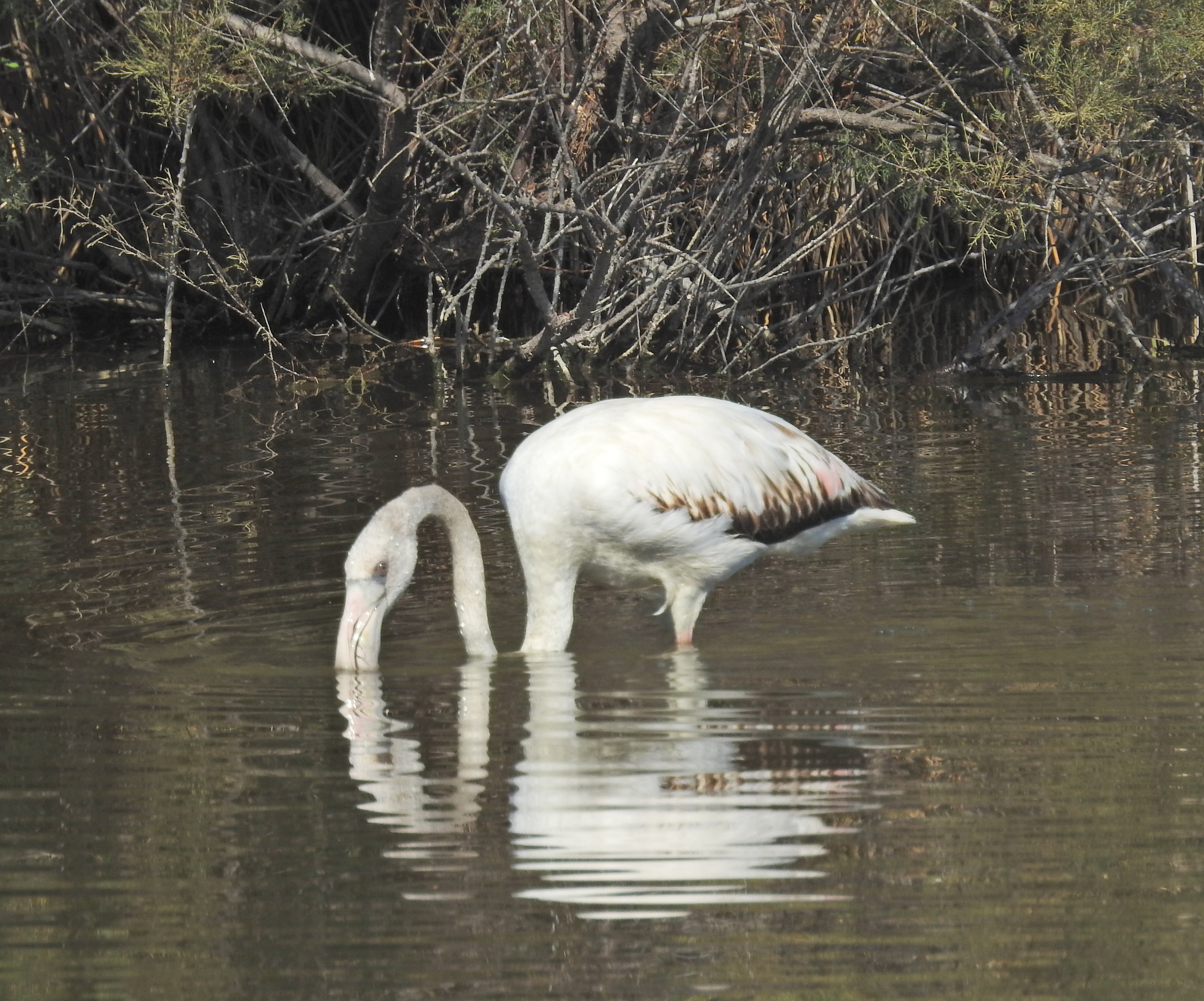
Phoenicopterus roseus
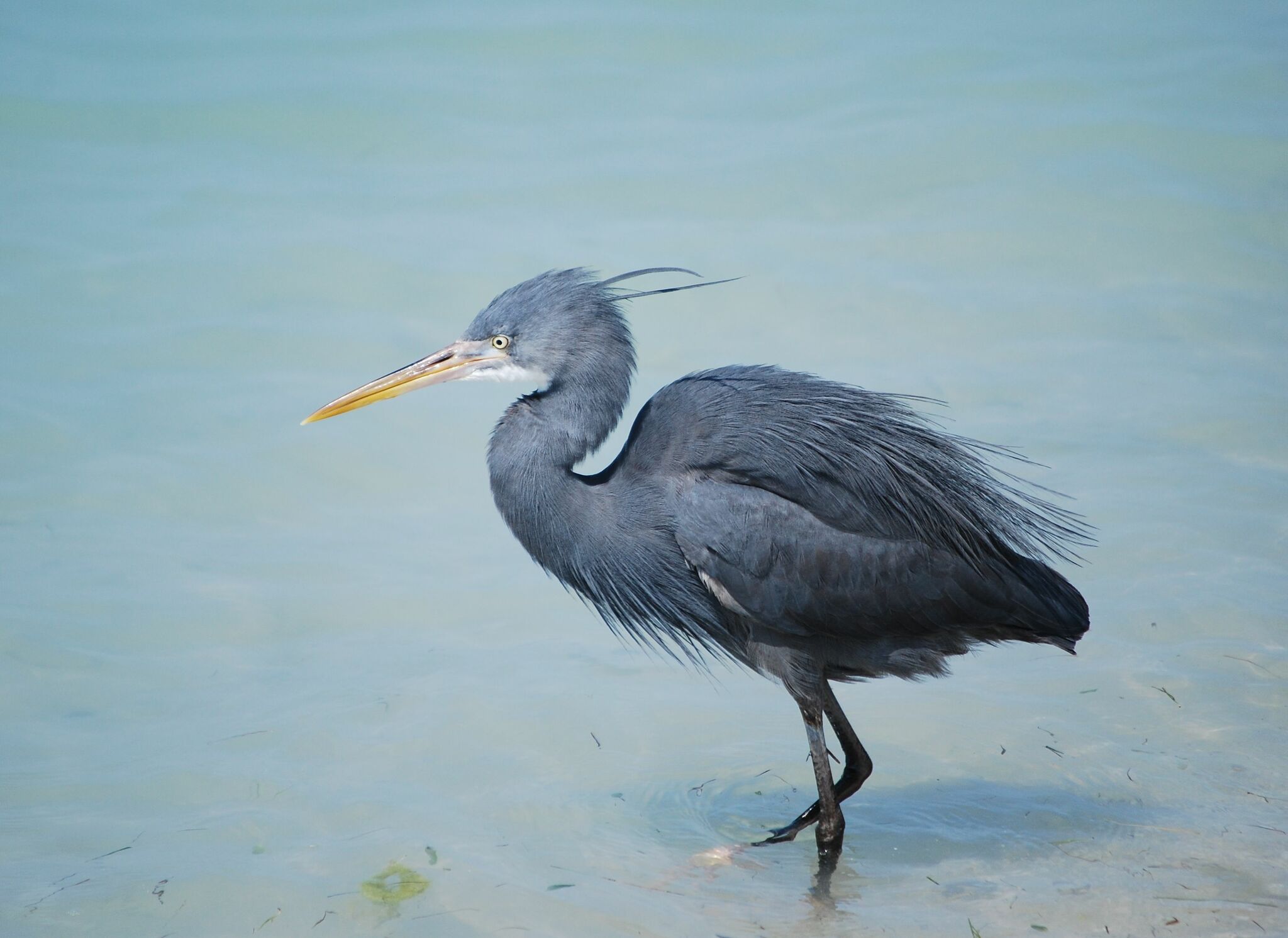
Egretta gularis
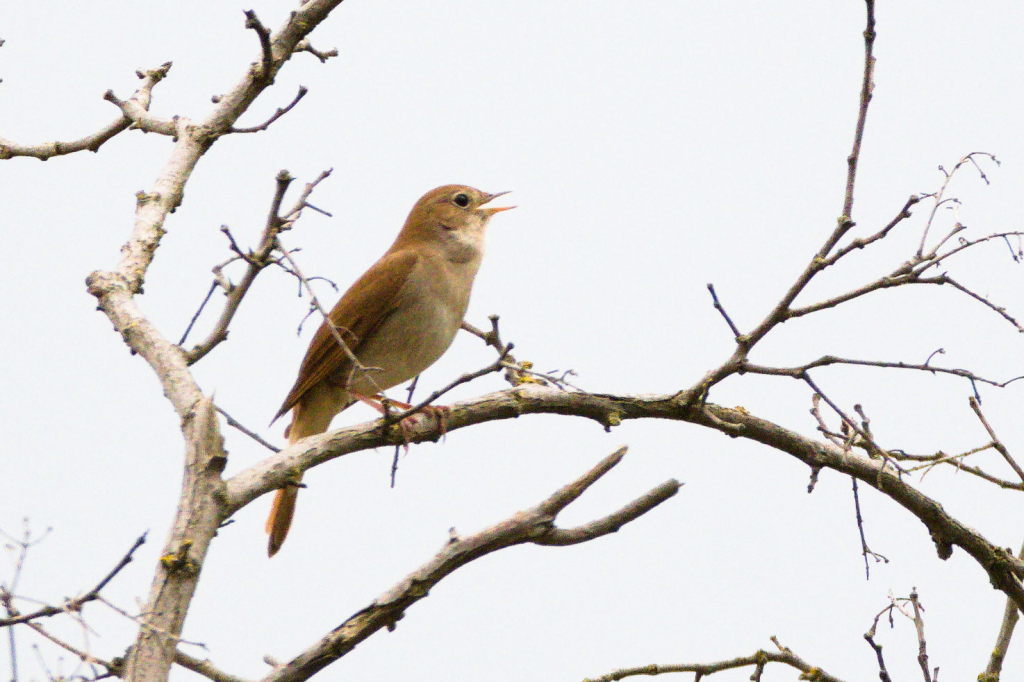
Luscinia megarhynchos
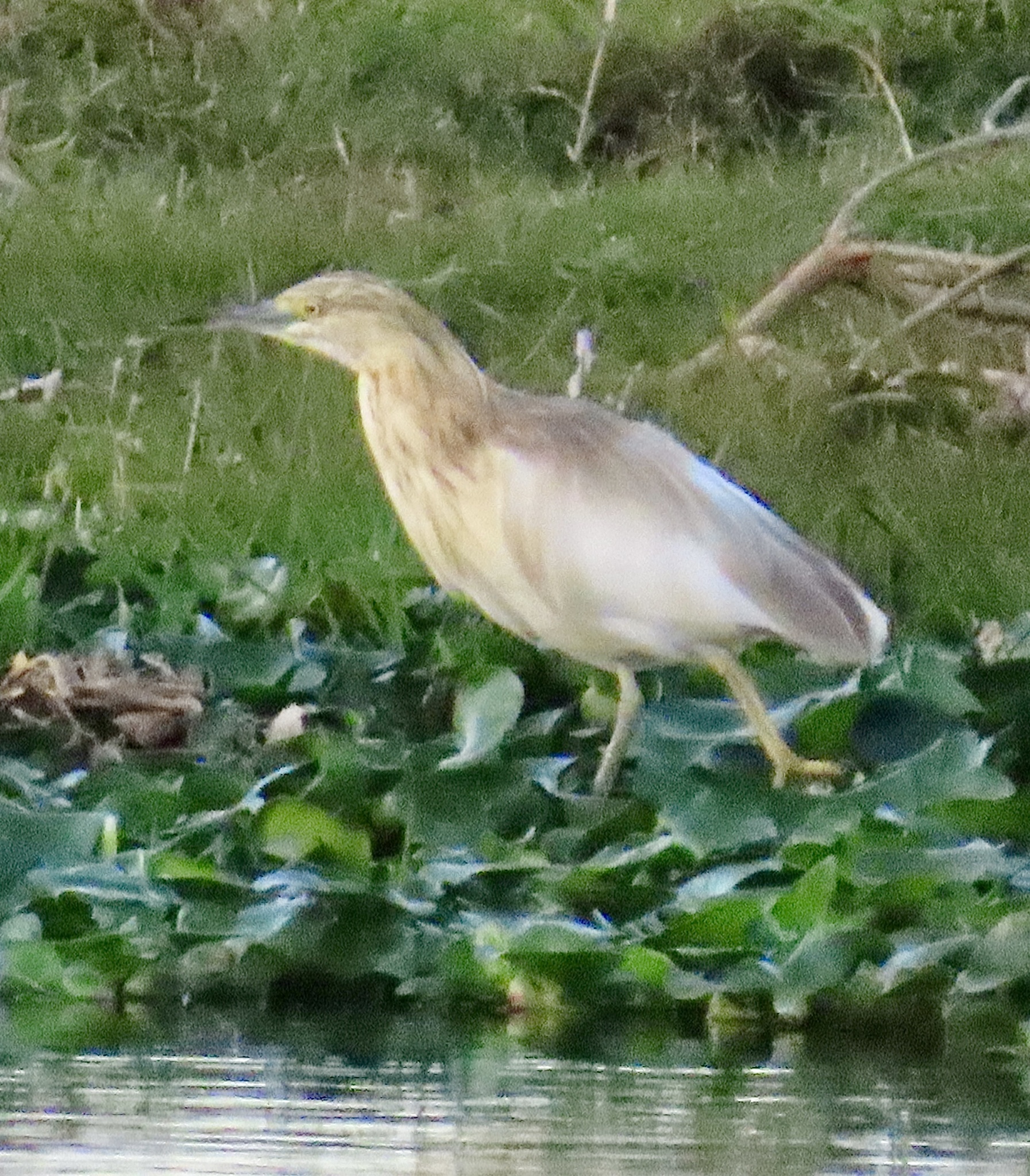
Ardeola ralloides
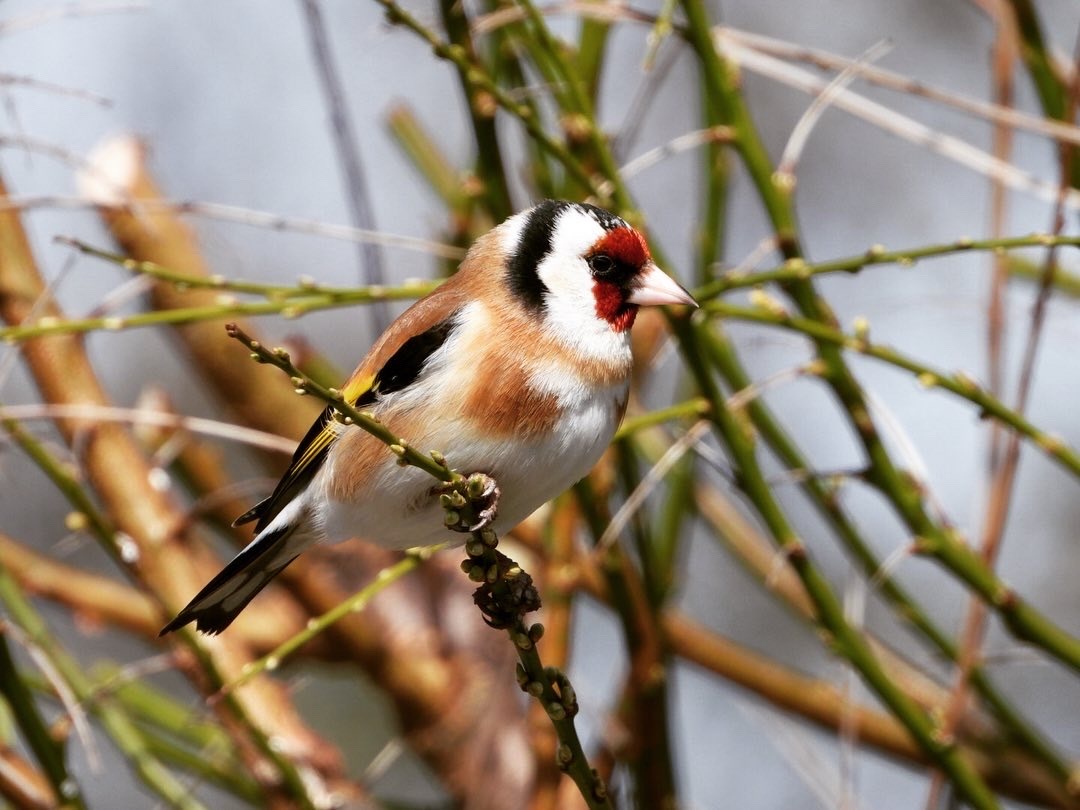
Carduelis carduelis
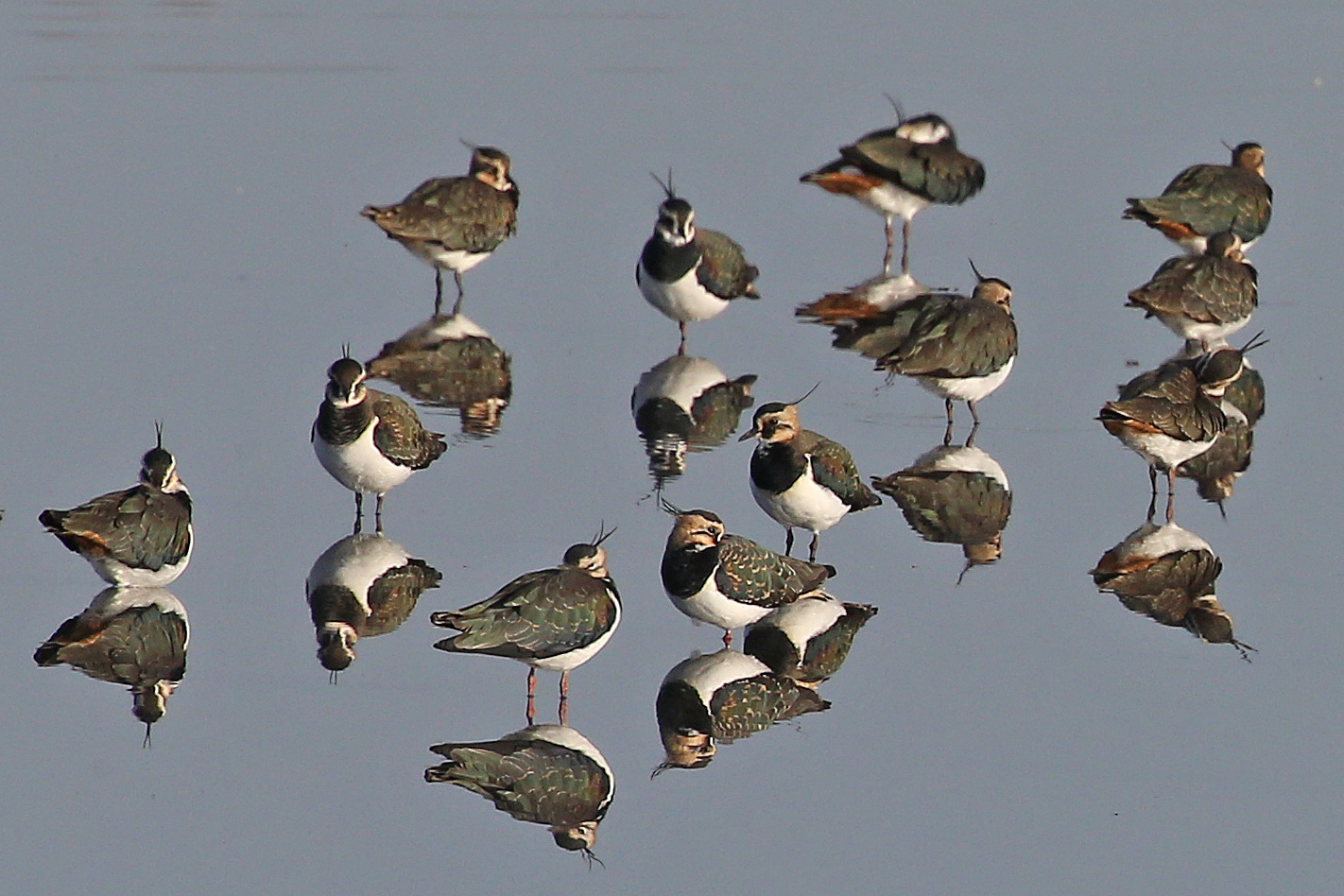
Vanellus vanellus — Wet fields, autumn passage and winter visitors
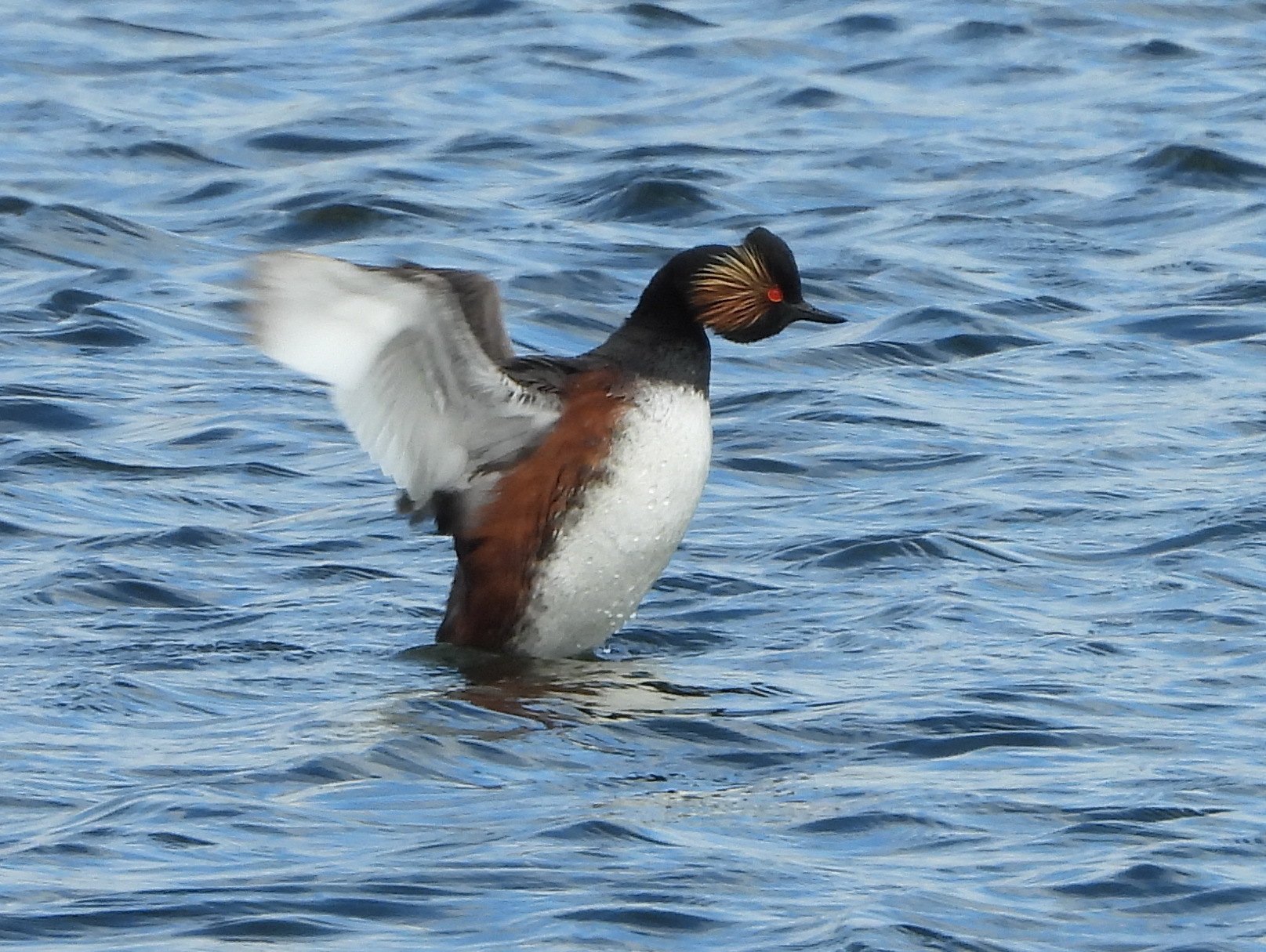
Podiceps nigricollis — a diving waterbird with contrasting seasonal plumages
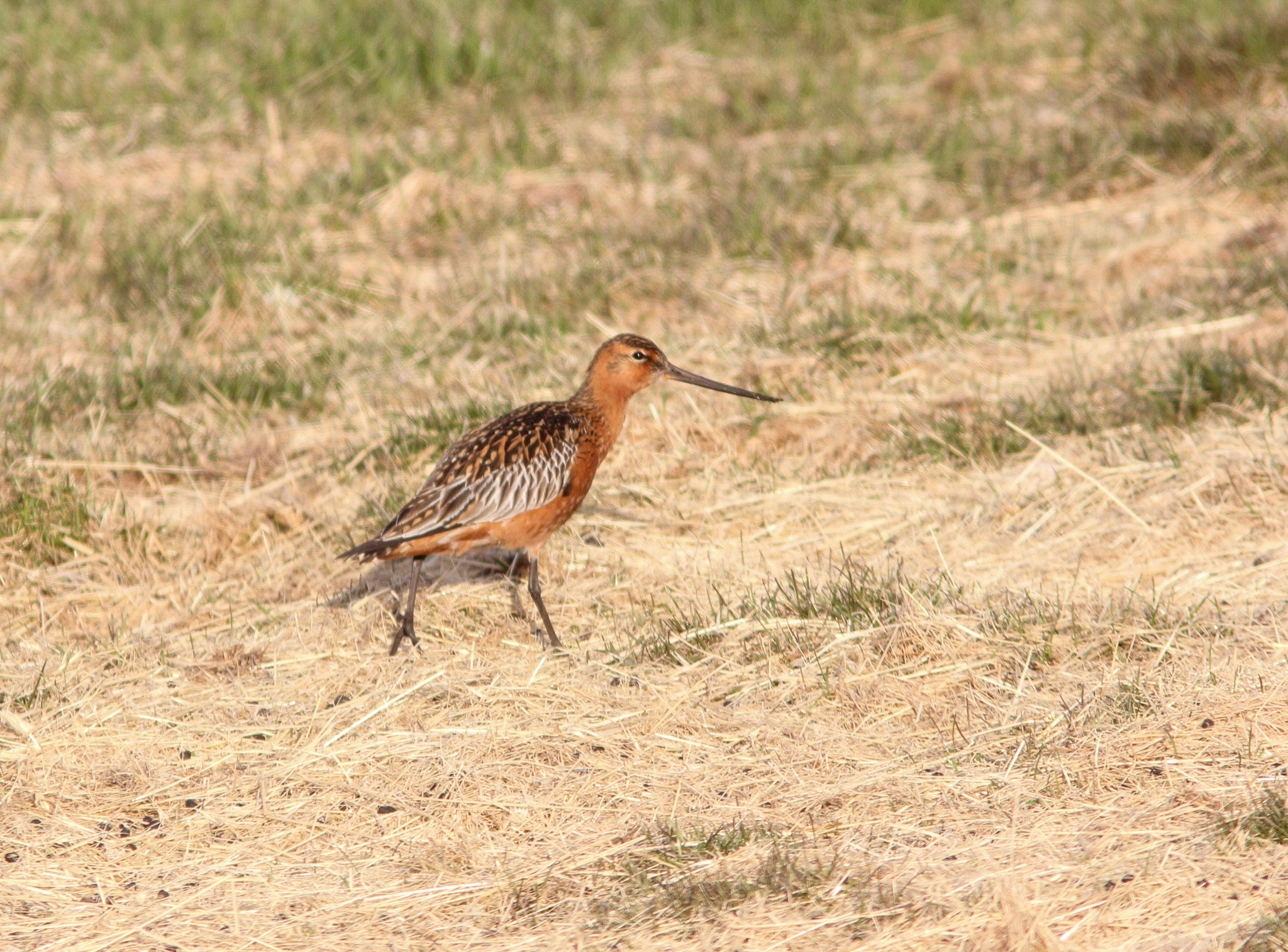
Limosa lapponica — a coastal wader and long-distance migrant
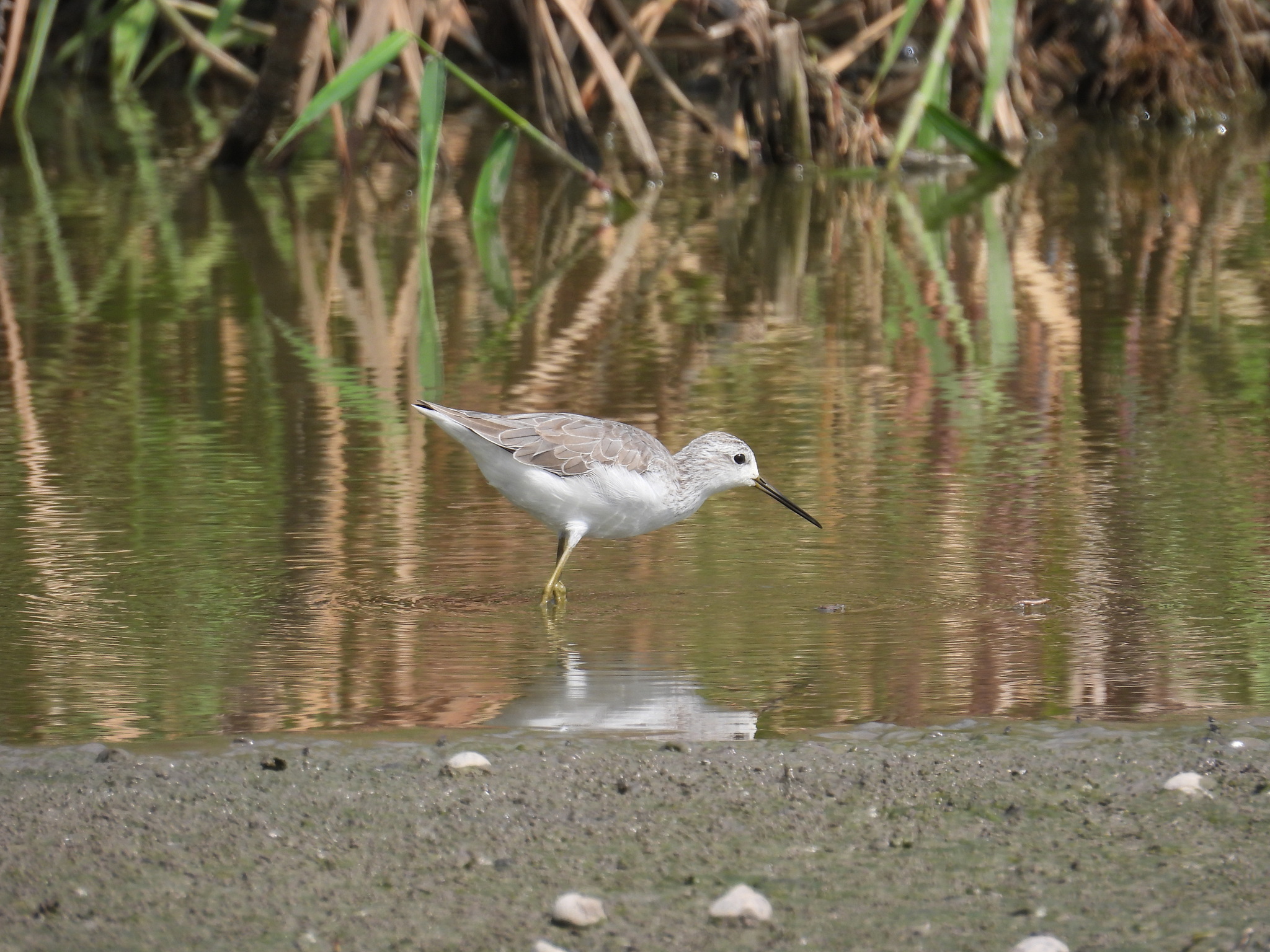
Tringa stagnatilis — a slender migrant of shallow wetlands
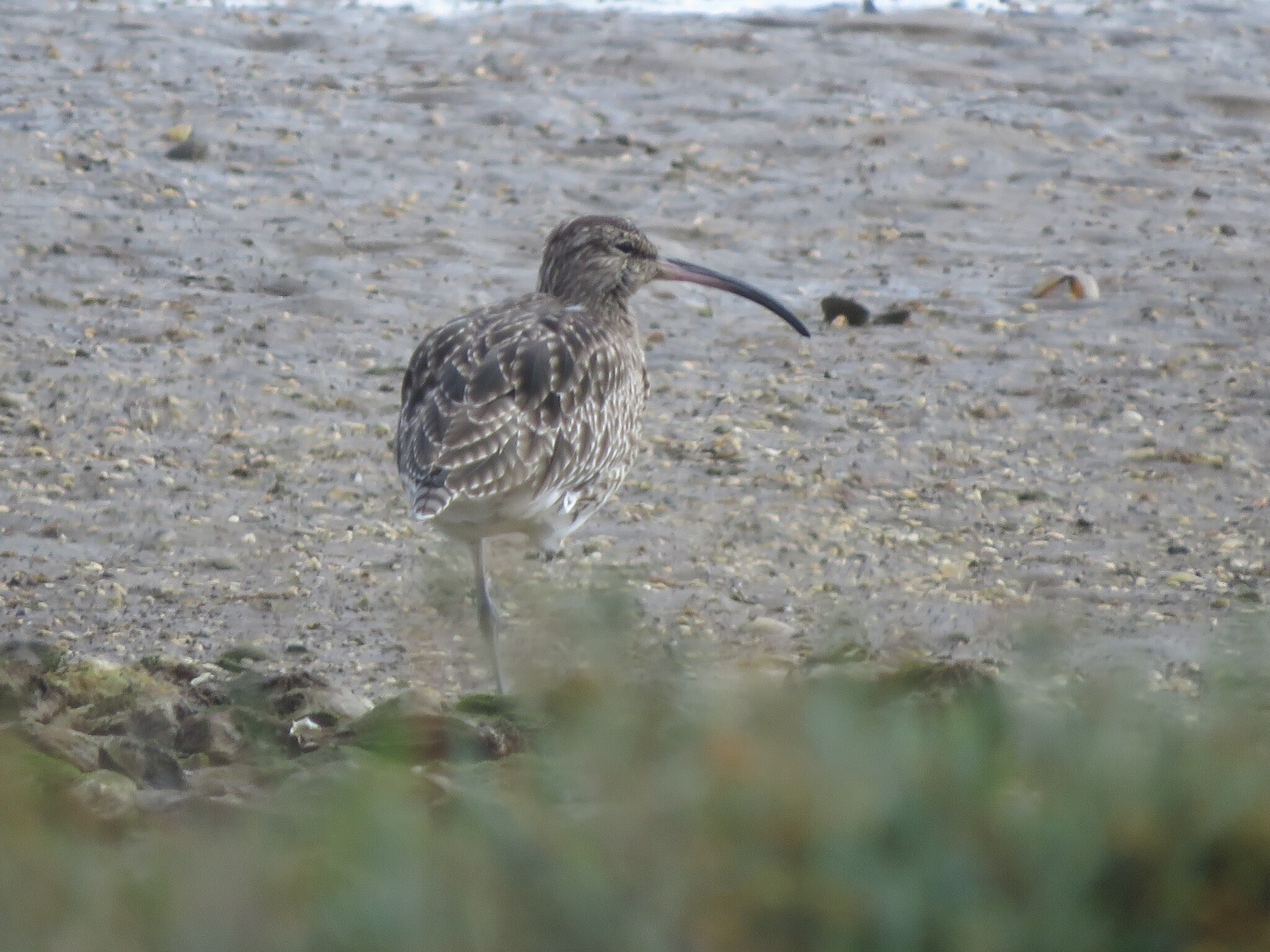
Numenius phaeopus
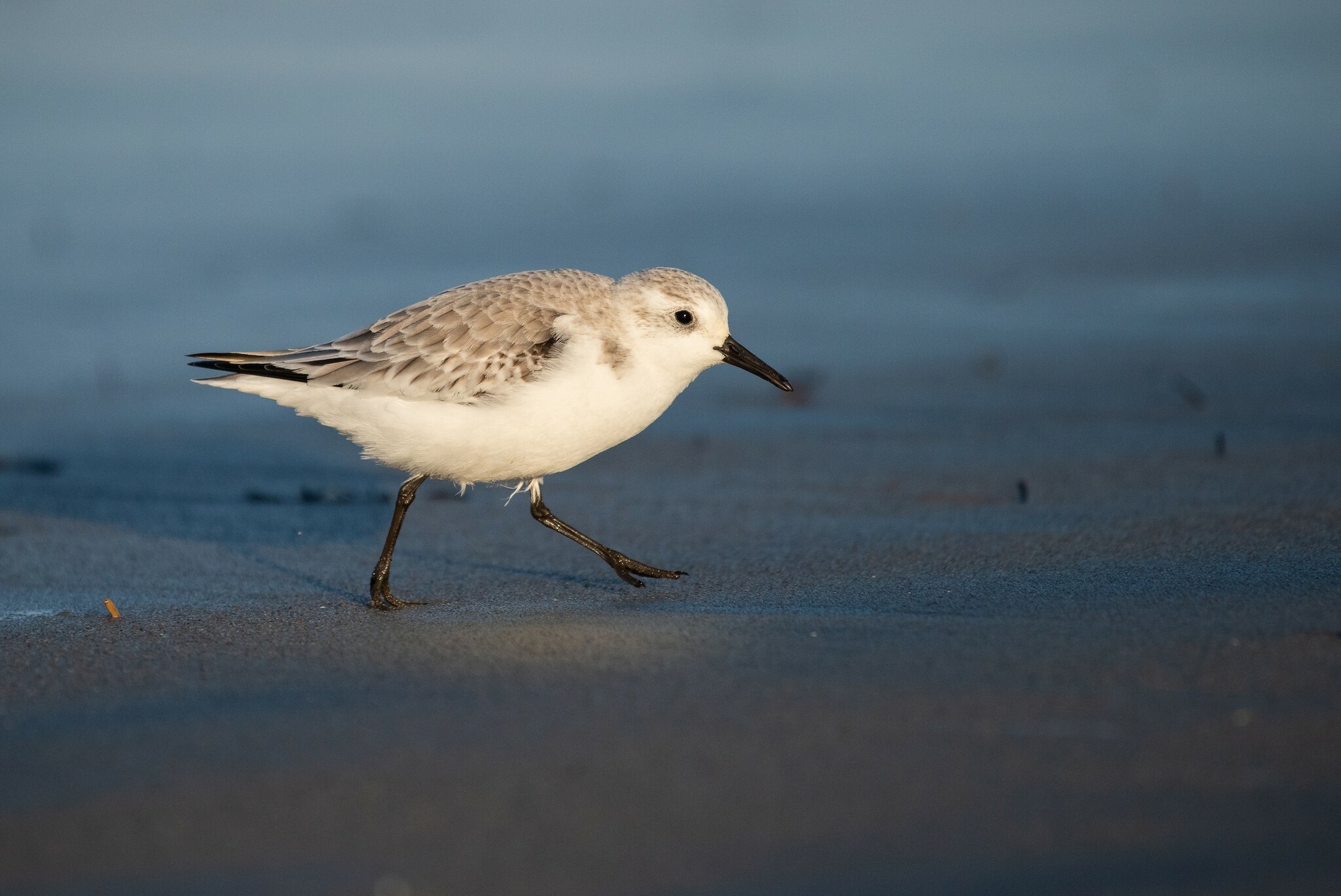
Calidris alba
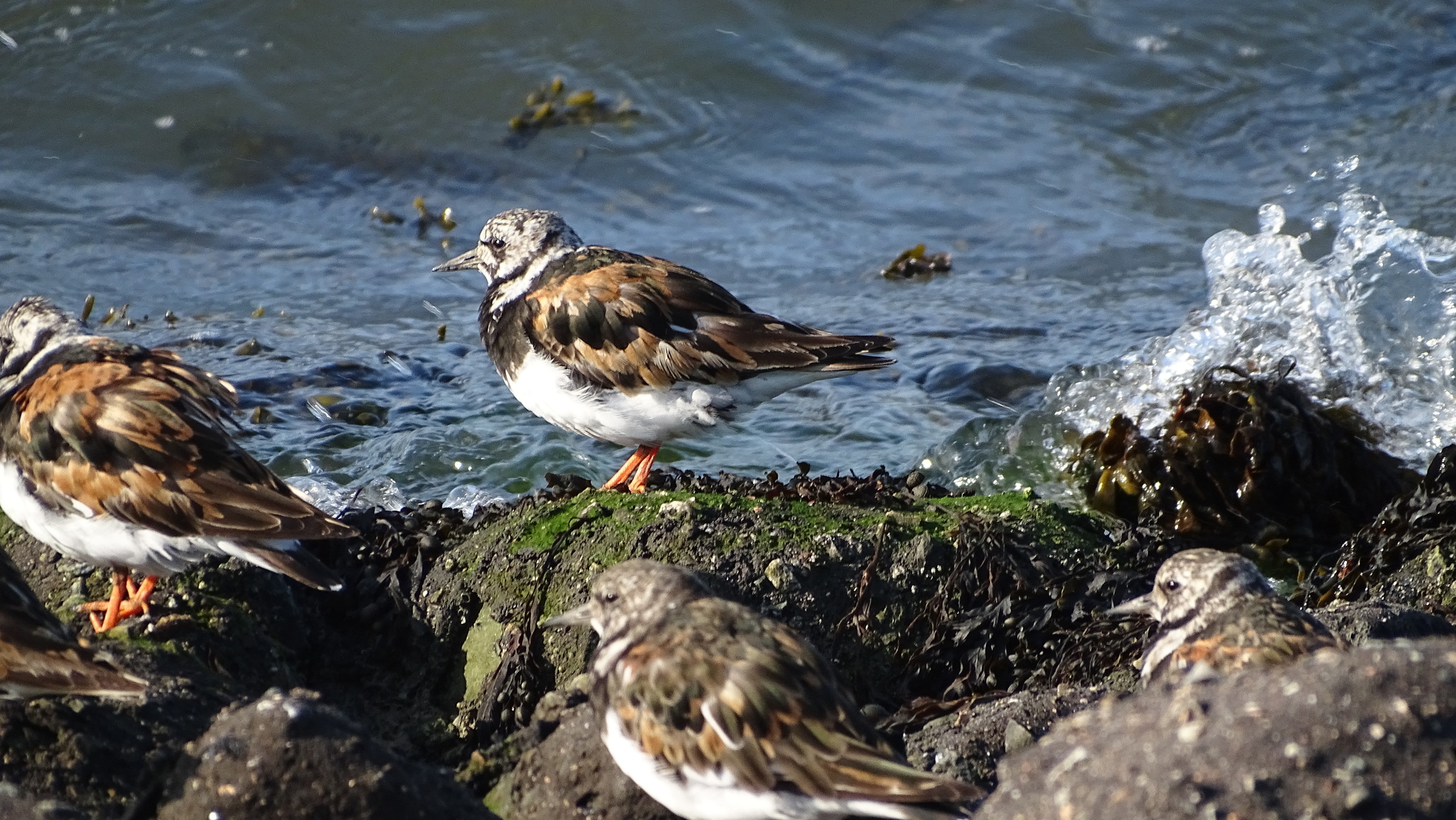
Arenaria interpres
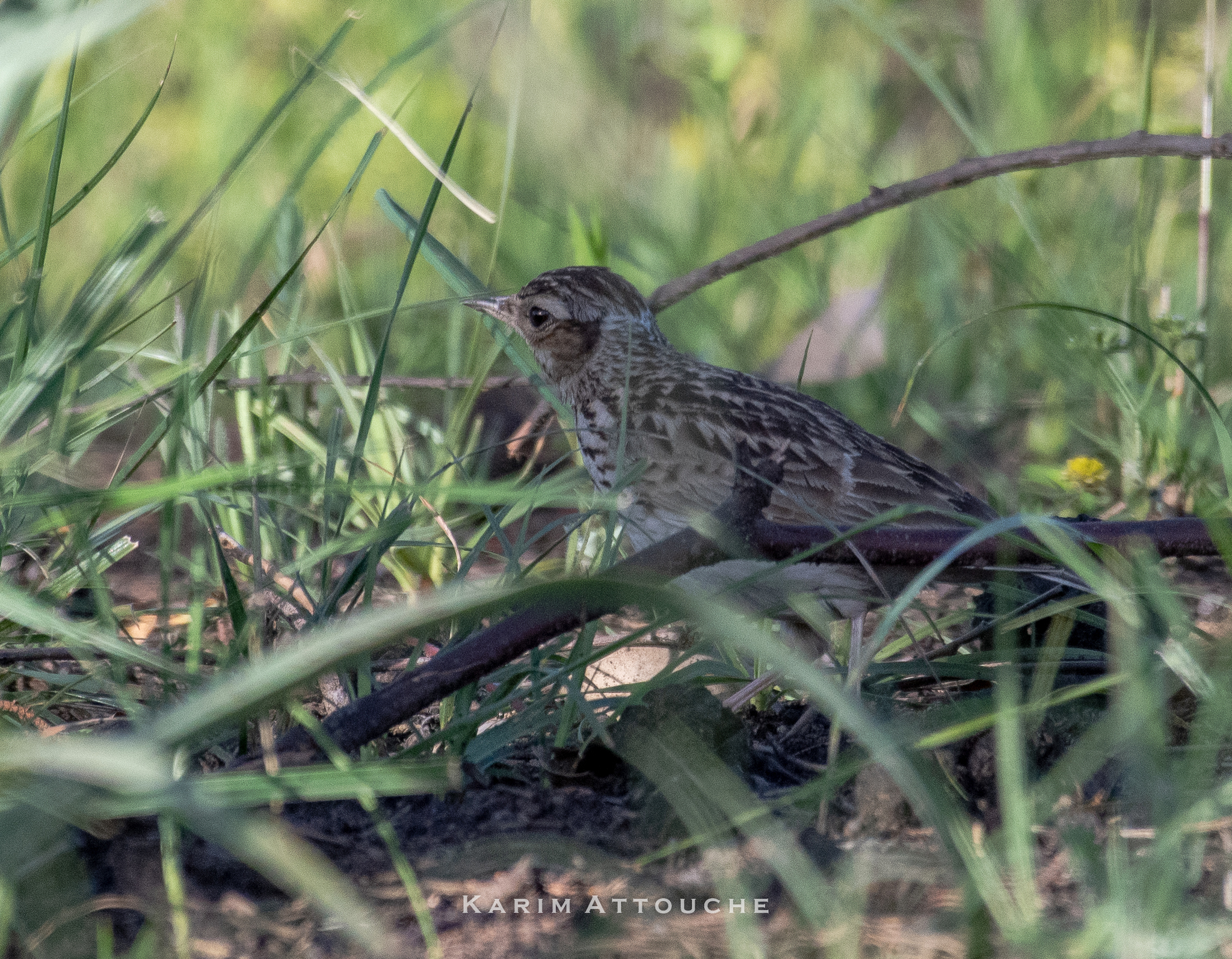
Lullula arborea — The voice of open woodland edges and grassy slopes
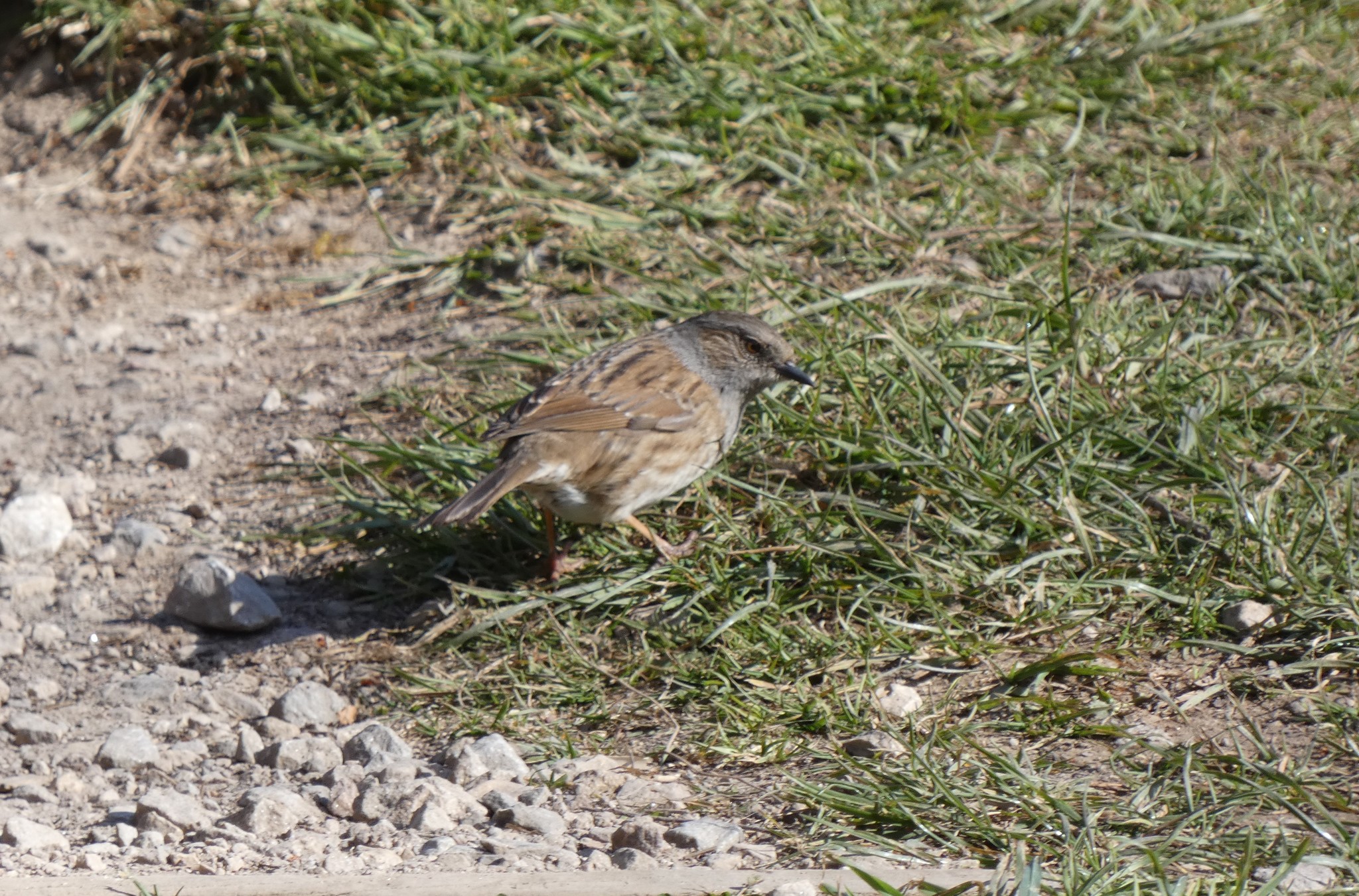
Prunella modularis — A discreet visitor beneath the shrubs
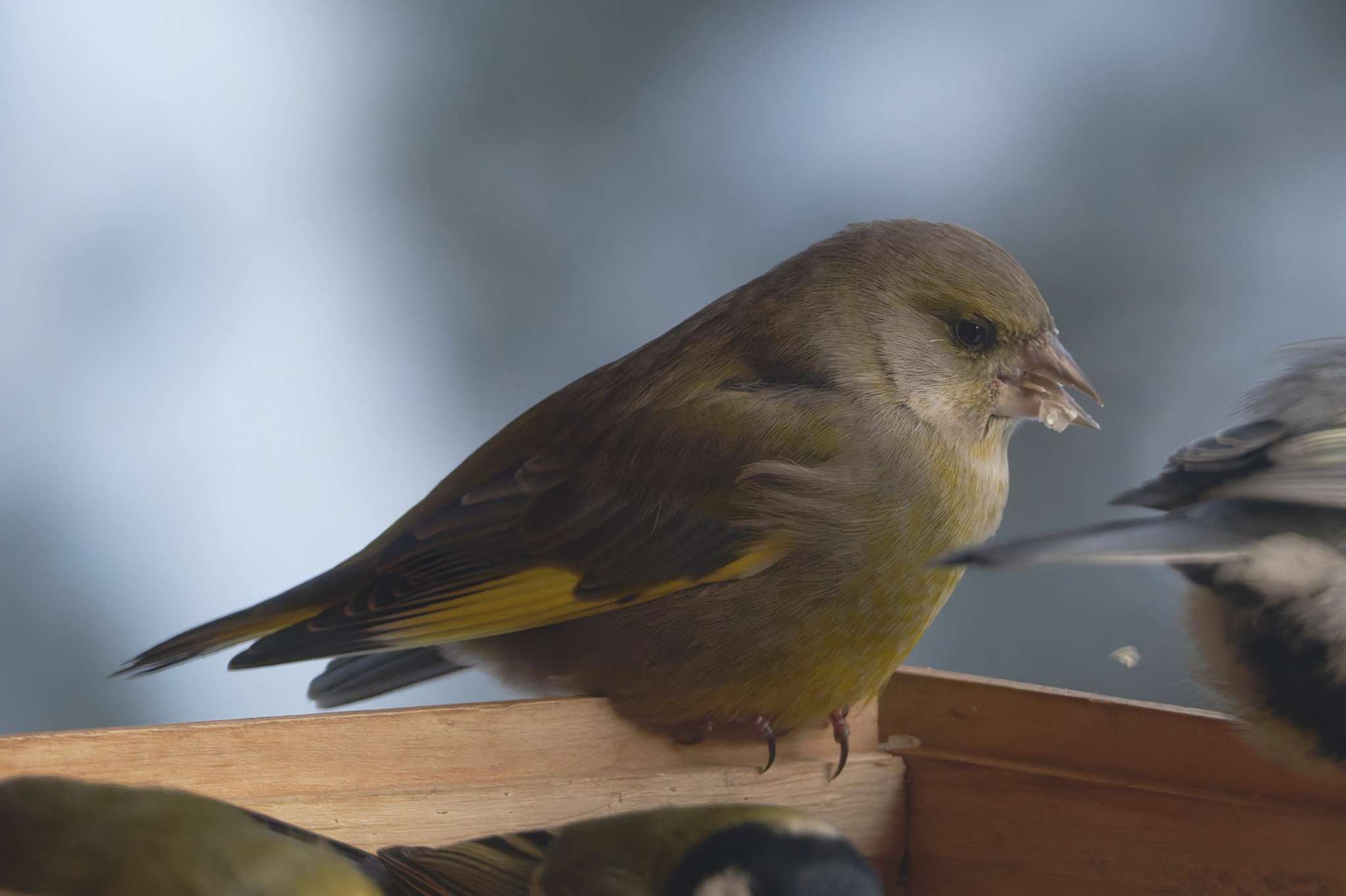
Chloris chloris — A seed-eater of orchards, woodland edges and gardens
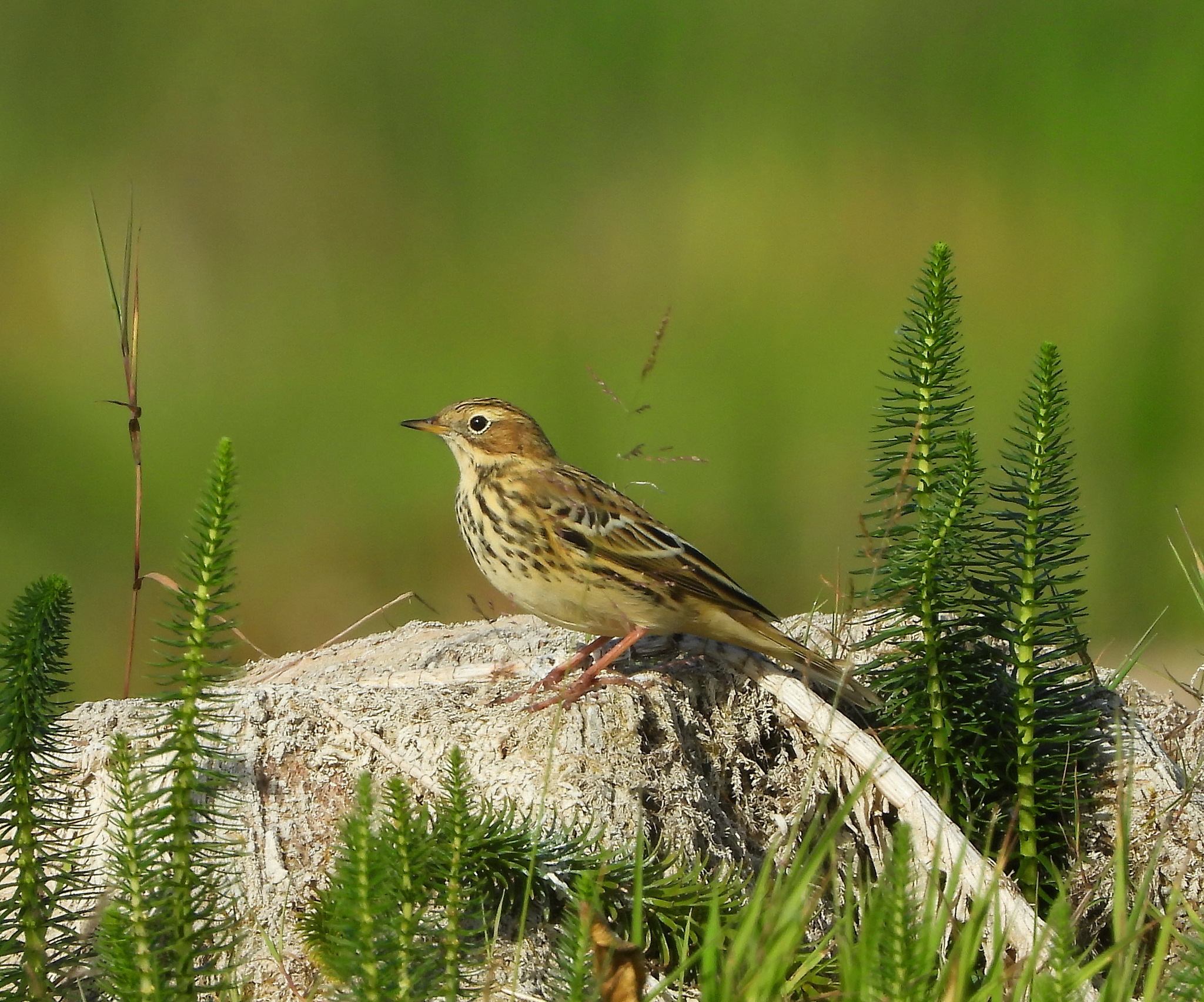
Anthus pratensis — An open-country passage migrant and winter visitor
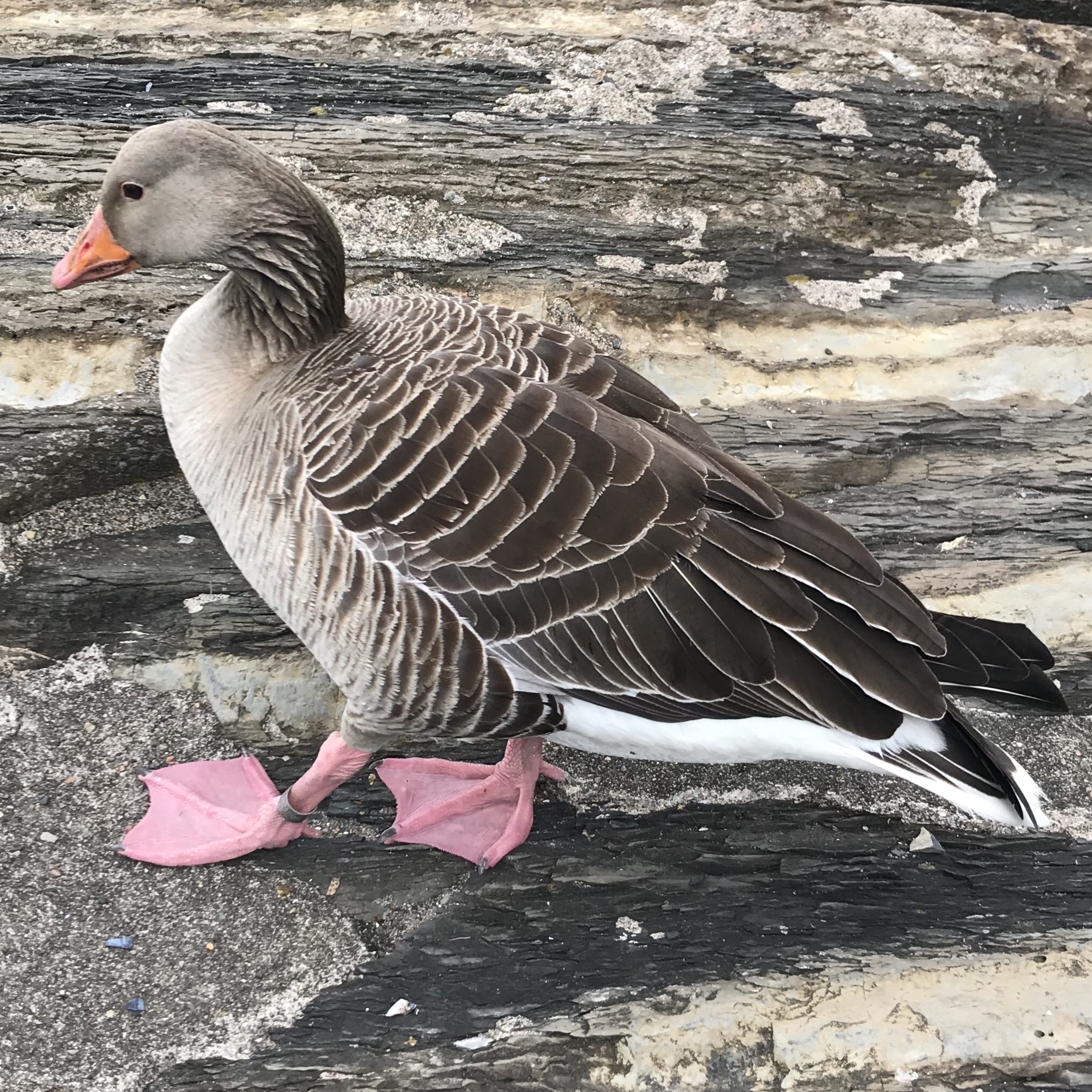
Anser anser — A large wild goose whose regional abundance varies sharply
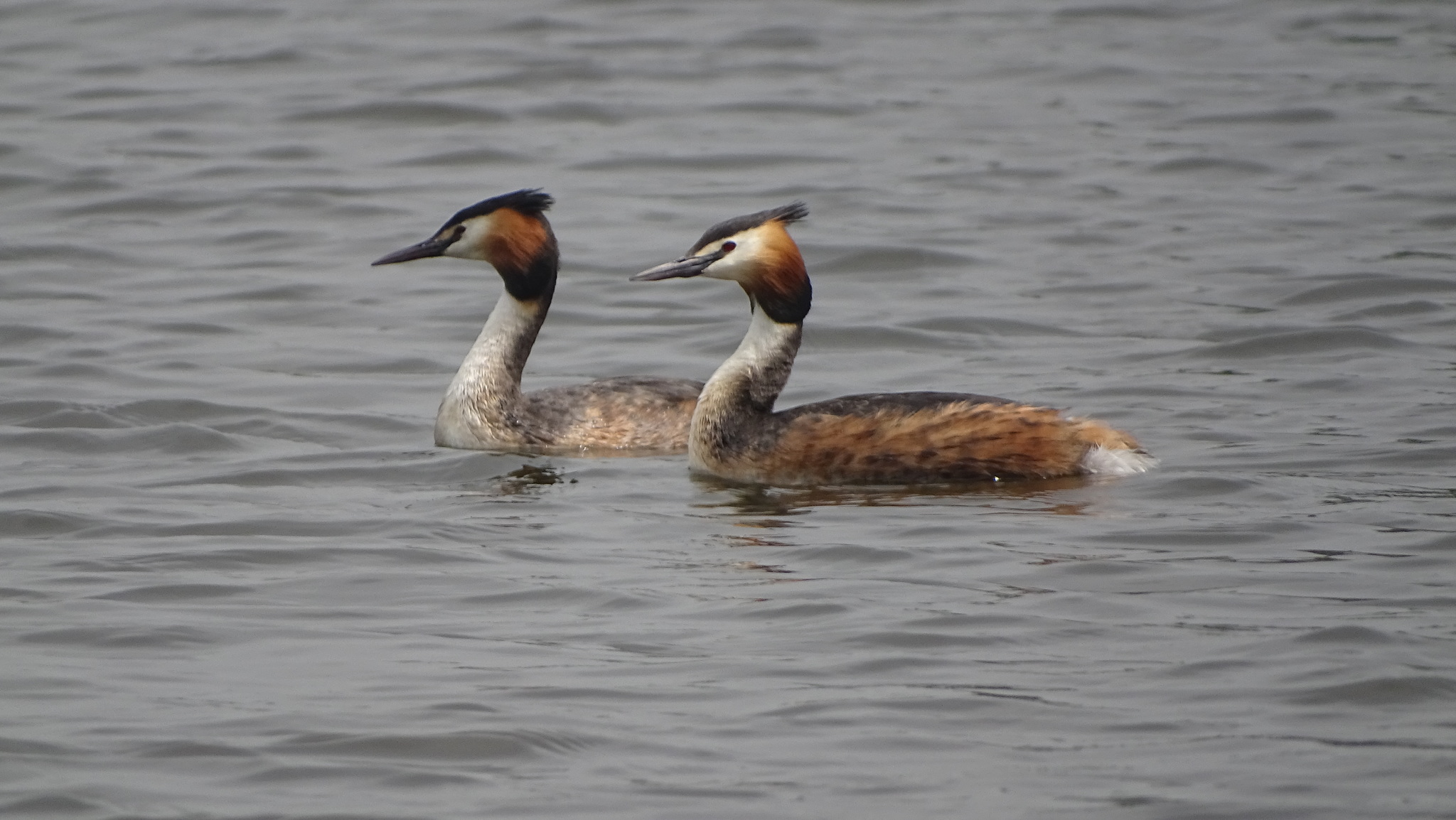
Podiceps cristatus — A lake diver combining local breeding and winter visits
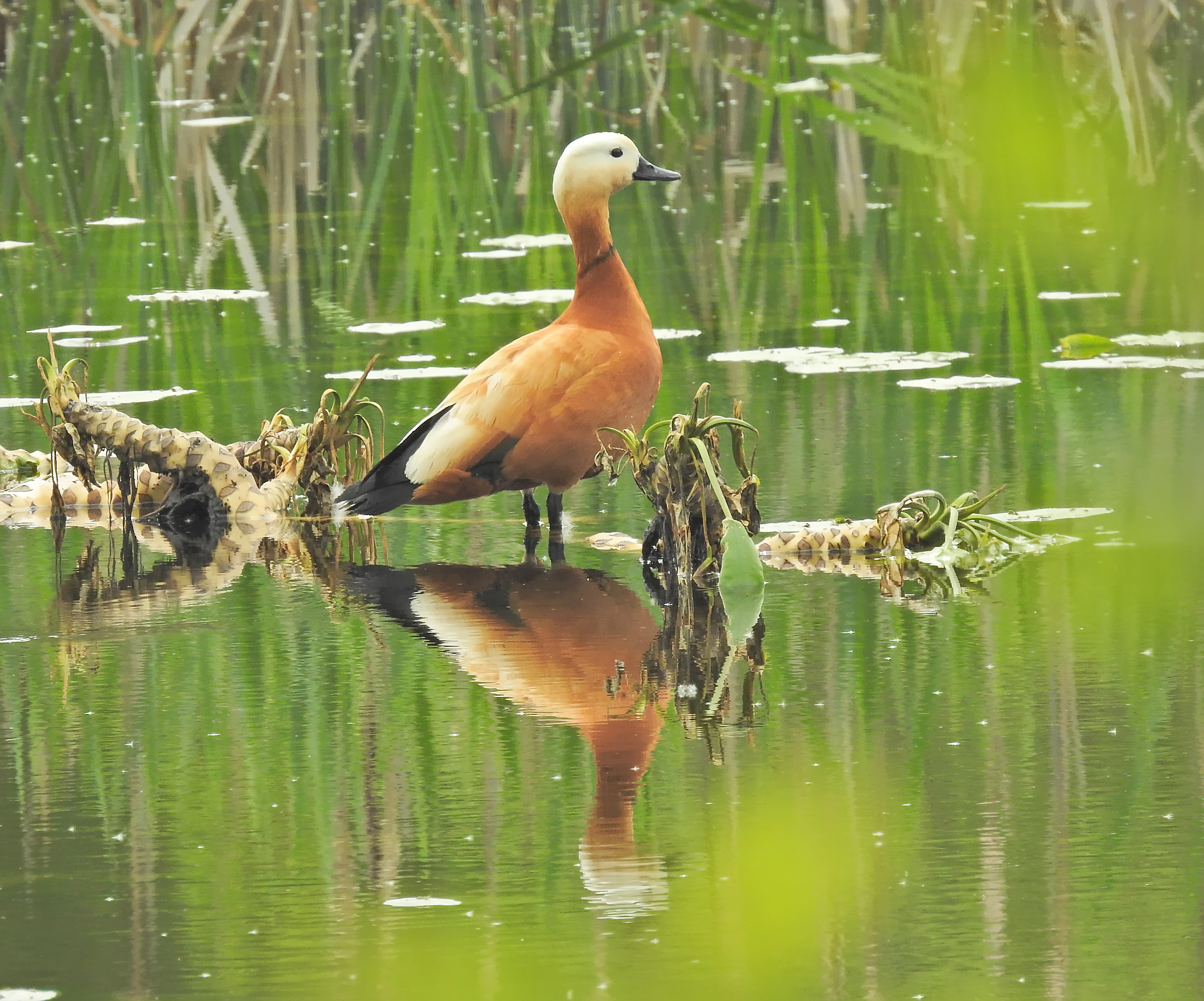
Tadorna ferruginea — From Atlas lakes to Levantine winters: not a visitor everywhere
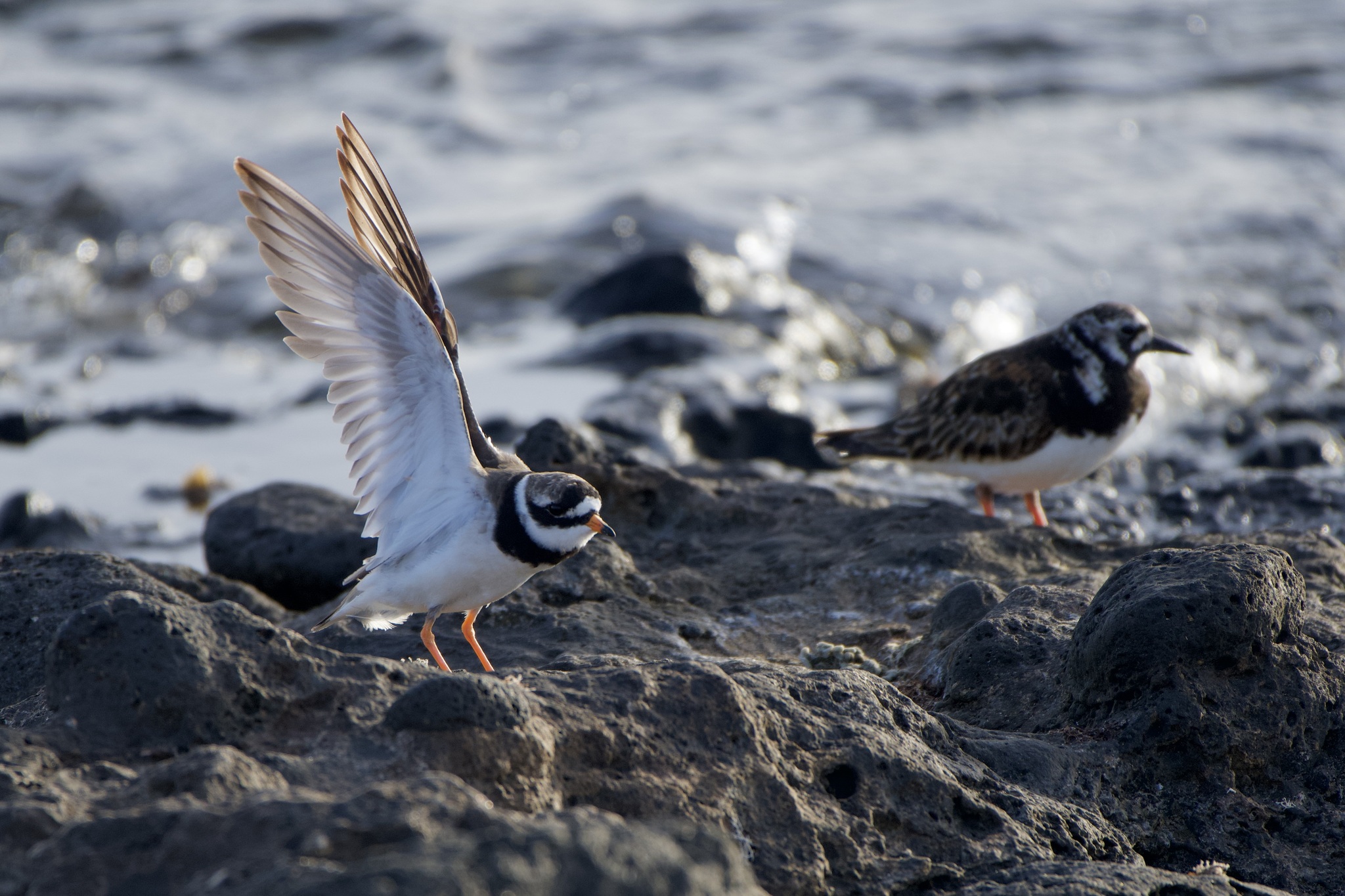
Charadrius hiaticula — A small shorebird feeding through runs and pauses
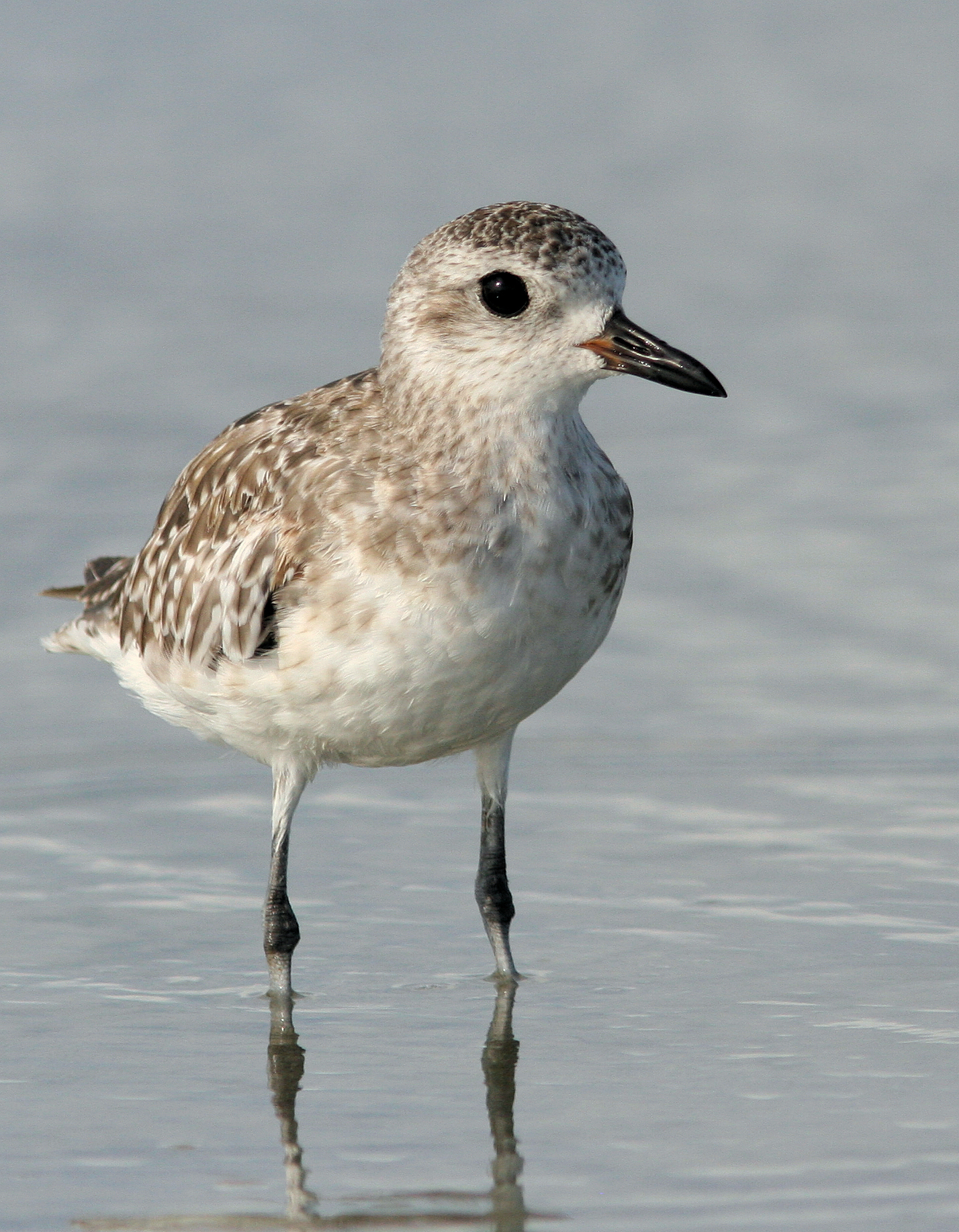
Pluvialis squatarola — An Arctic breeder linked to Arab tidal shores
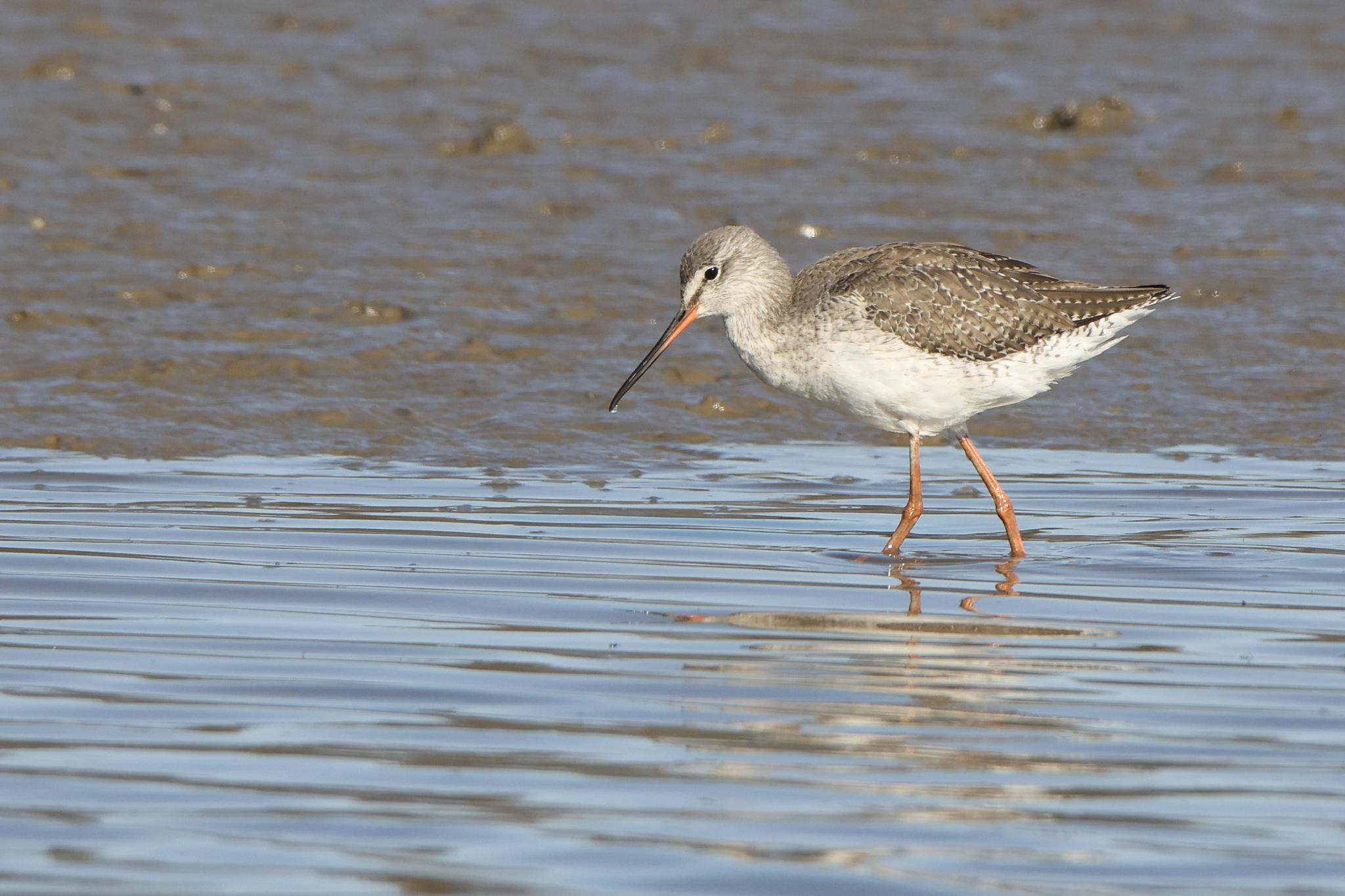
Tringa erythropus — from summer black to winter grey
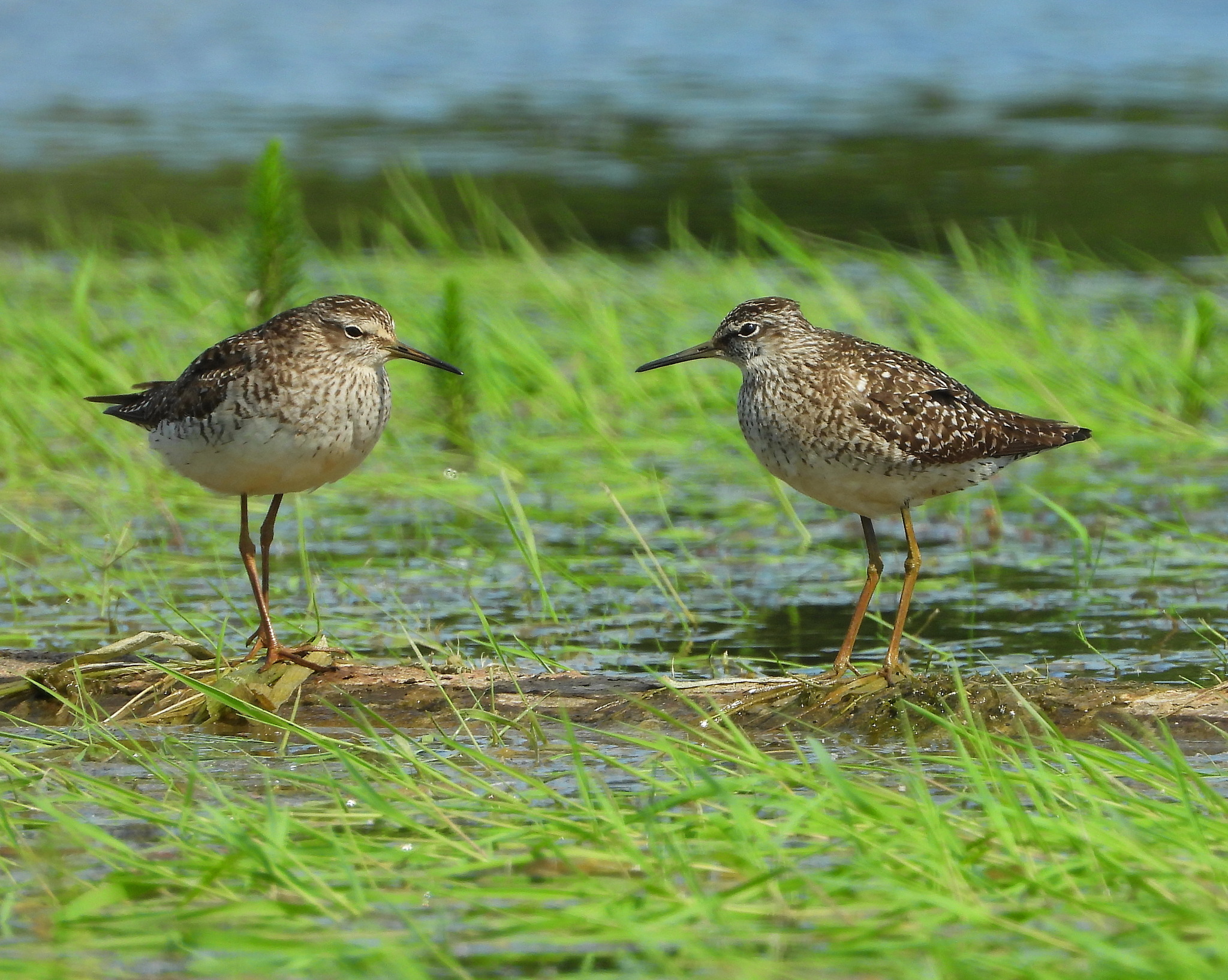
Tringa glareola — a migrant of pools and flooded fields
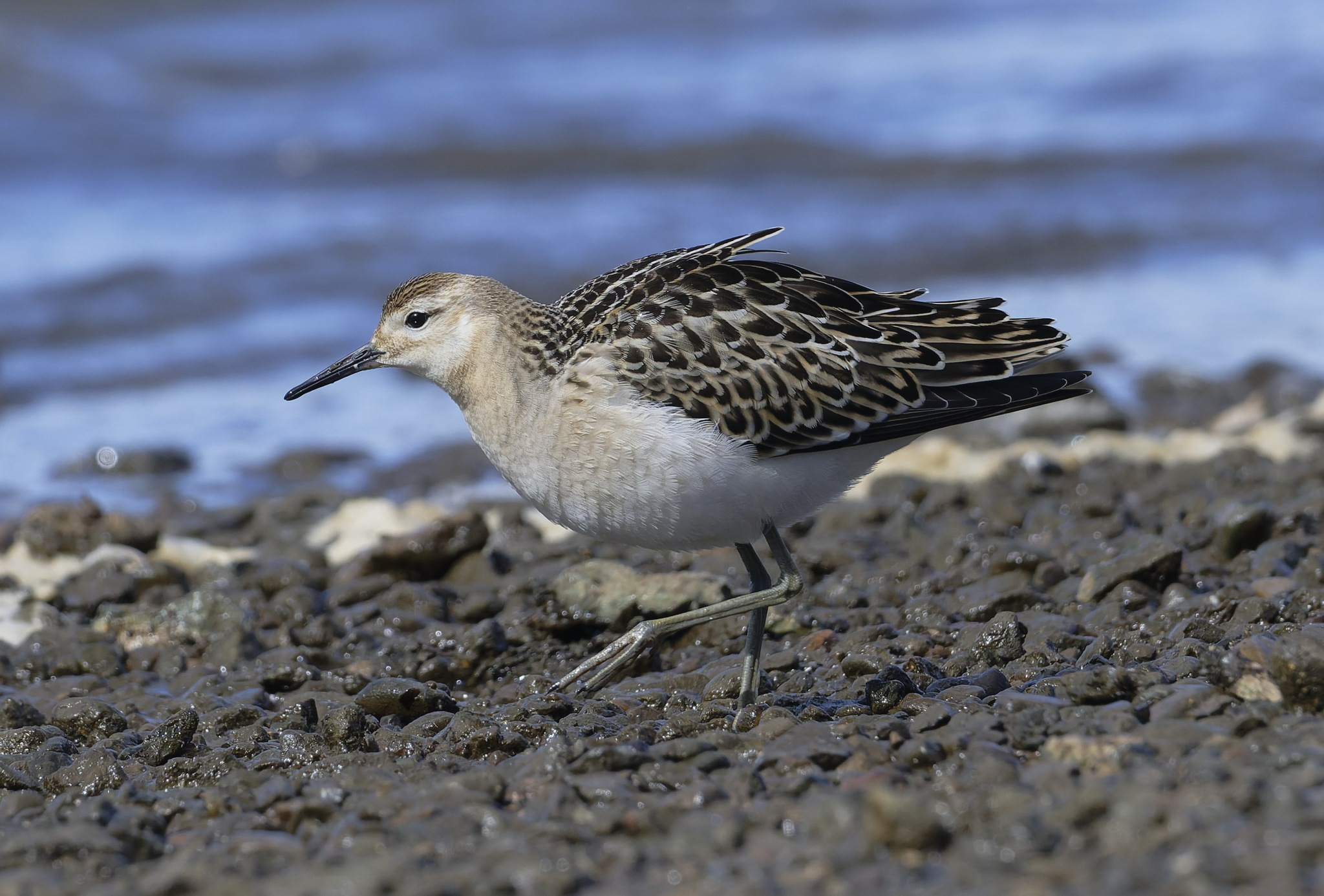
Calidris pugnax — beyond the spectacular breeding ruff
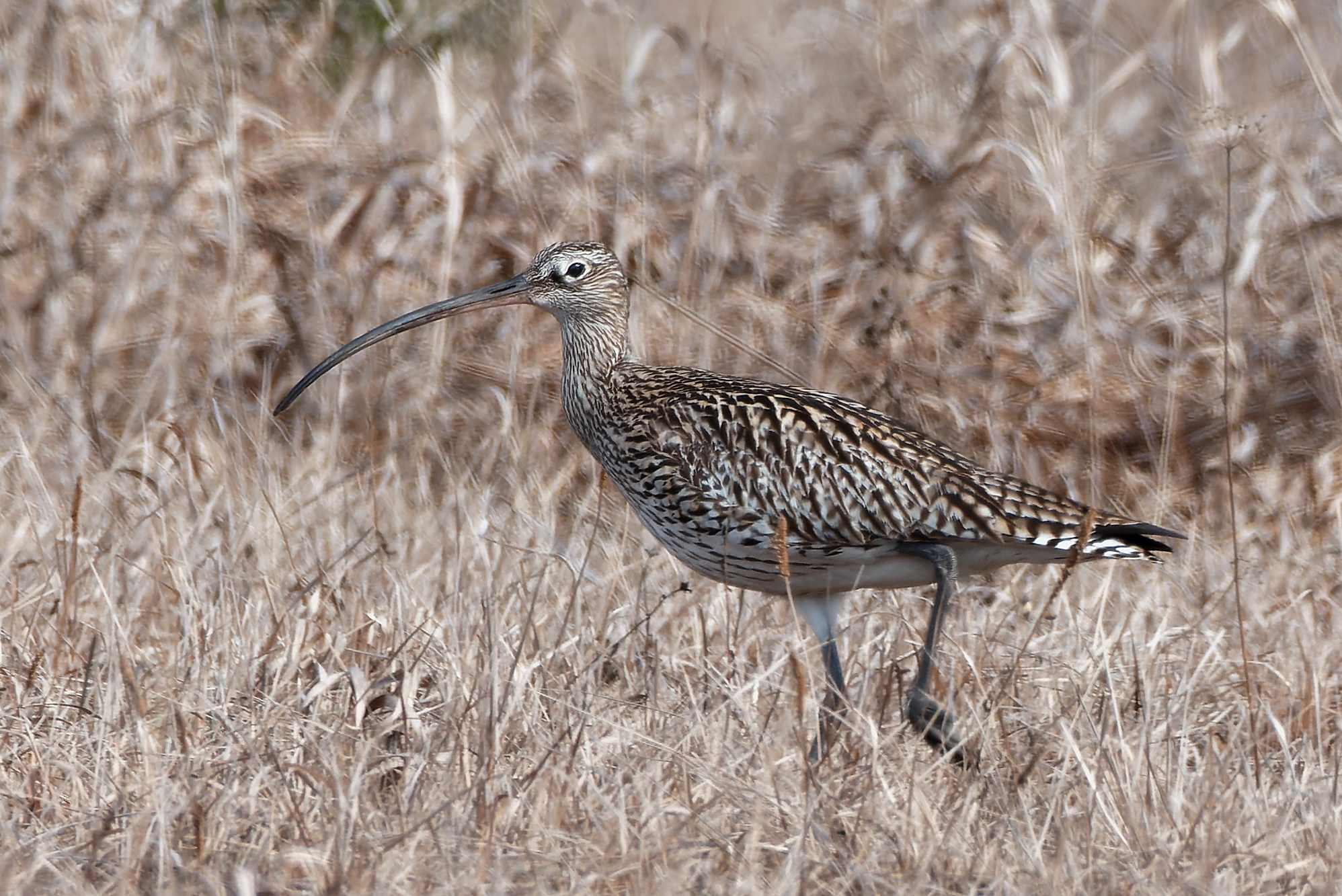
Numenius arquata — a long-billed visitor to winter shores
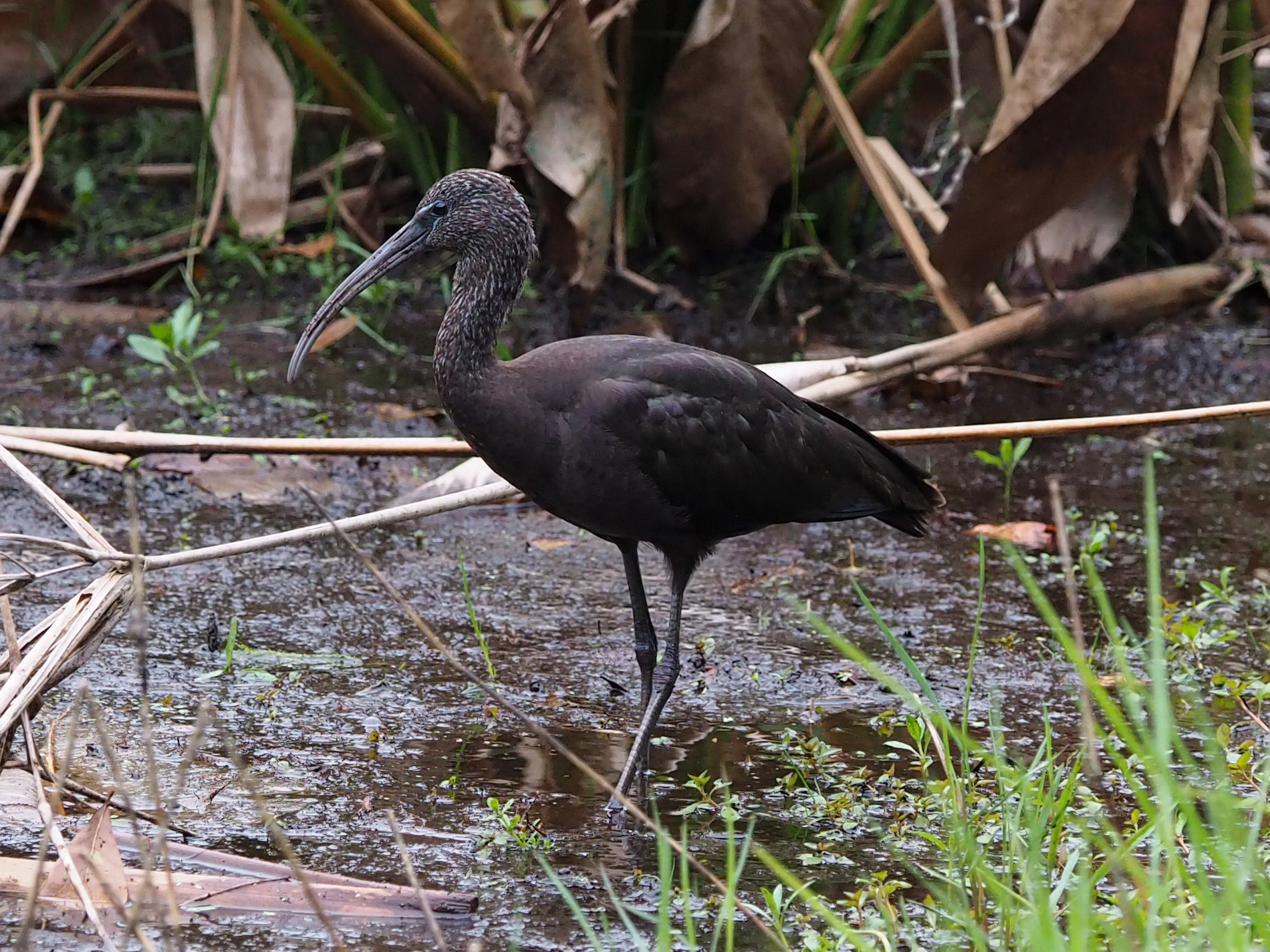
Plegadis falcinellus — an iridescent wetland wanderer
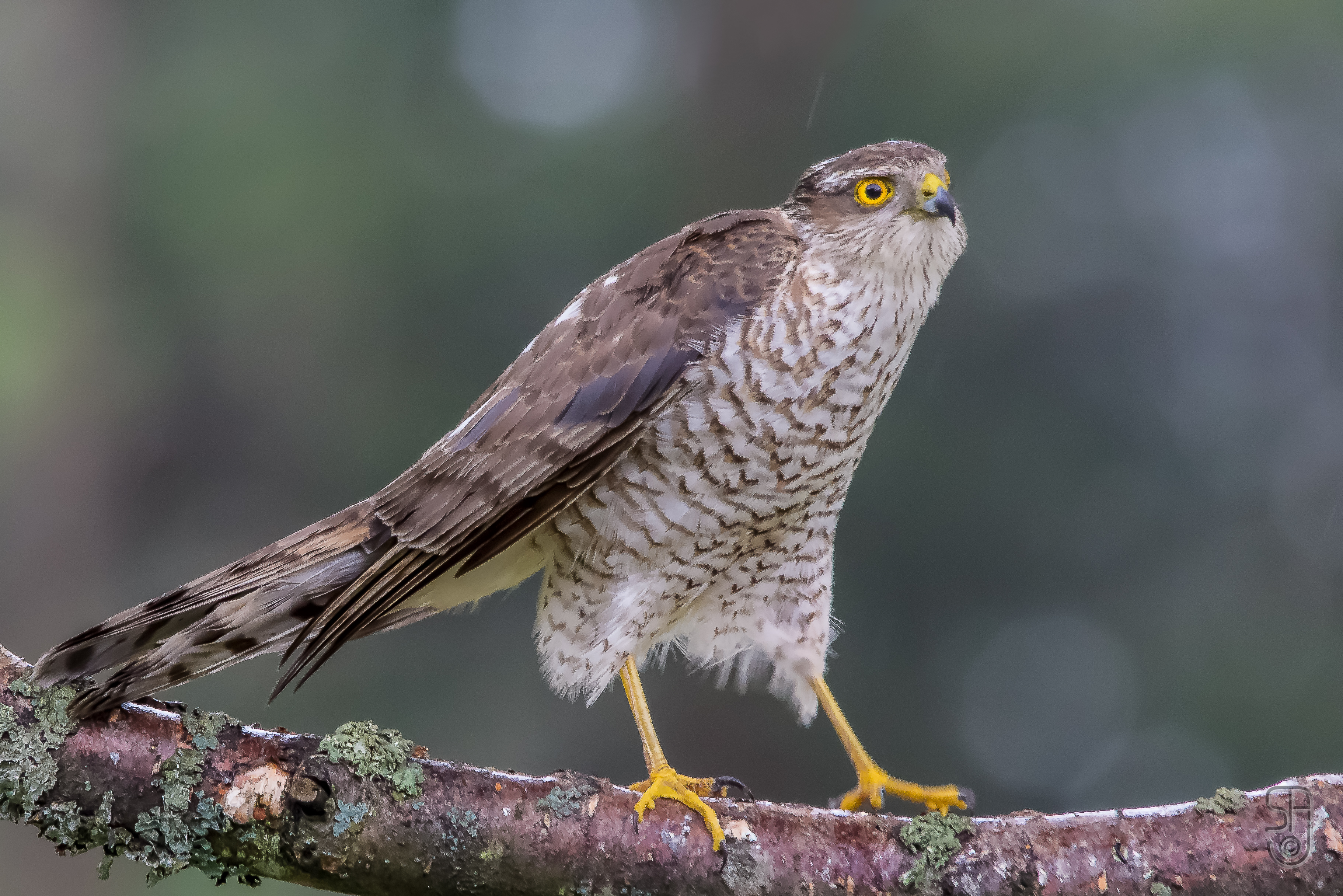
Accipiter nisus — An agile bird hunter alternating wingbeats and glides, with females markedly larger than males
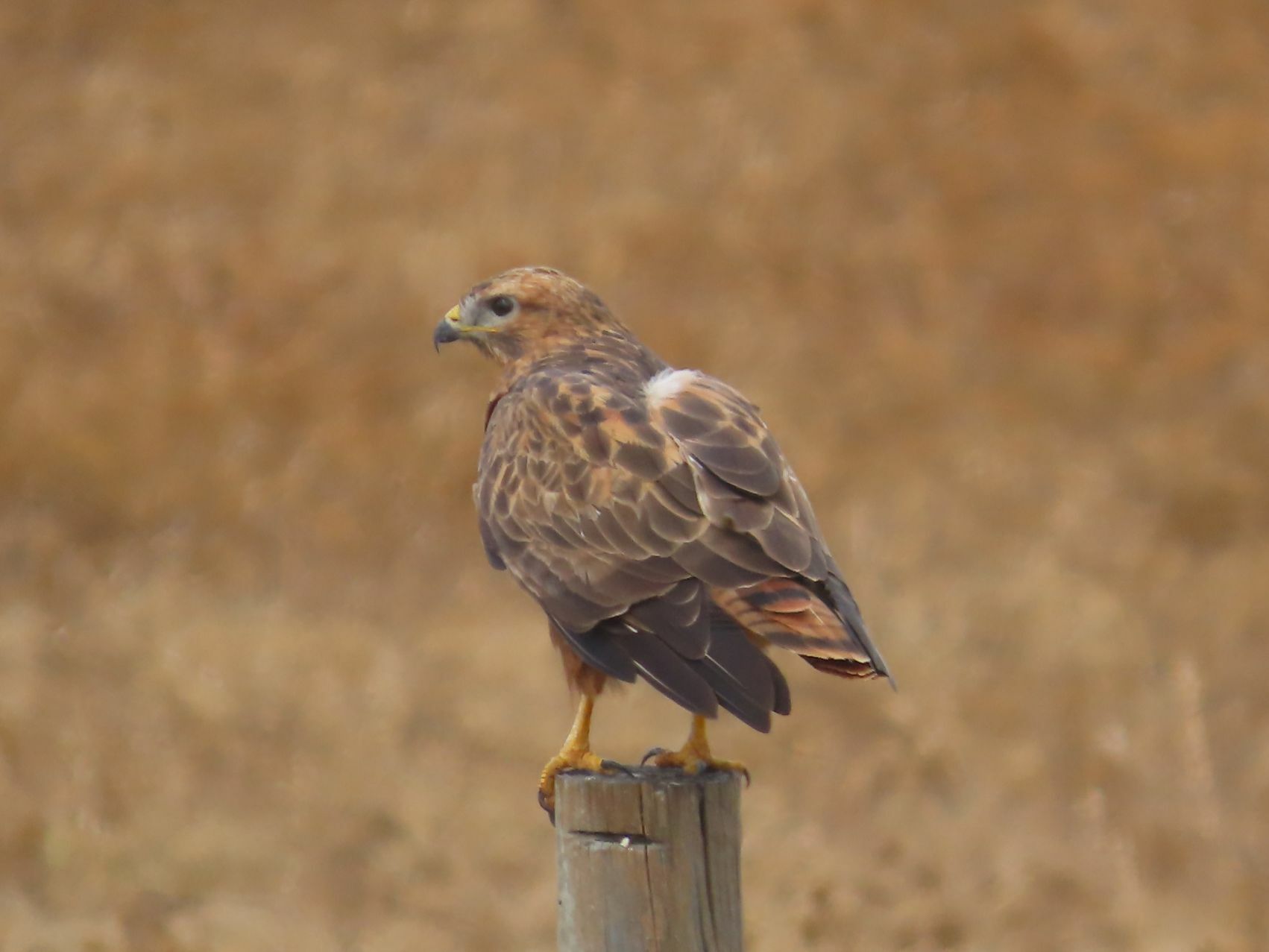
Buteo buteo — A broad-winged raptor with variable plumage, soaring over open country and migrating through the Levant
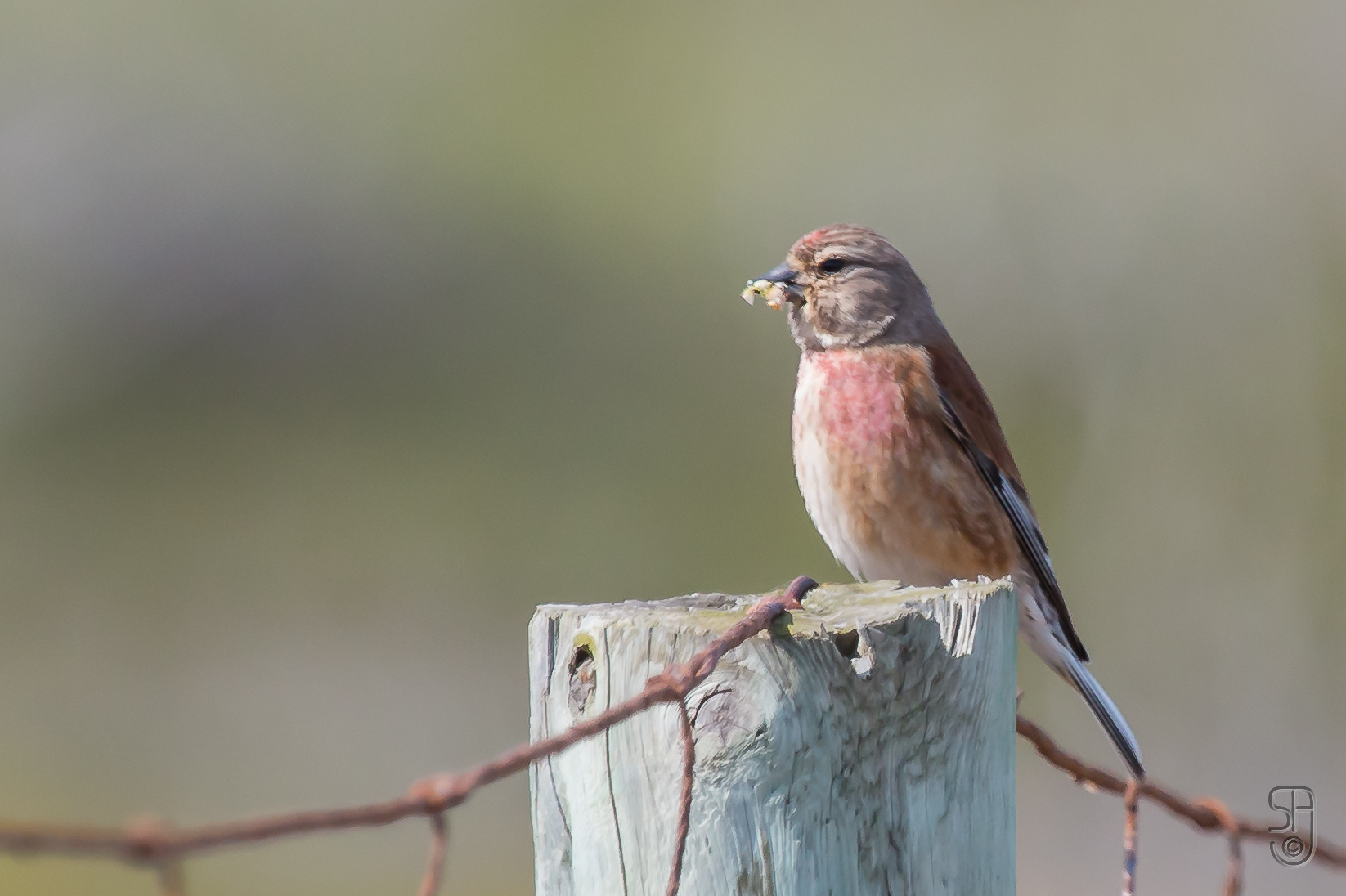
The finch of fields and hedges: resident breeders and winter arrivals from Morocco to the Levant
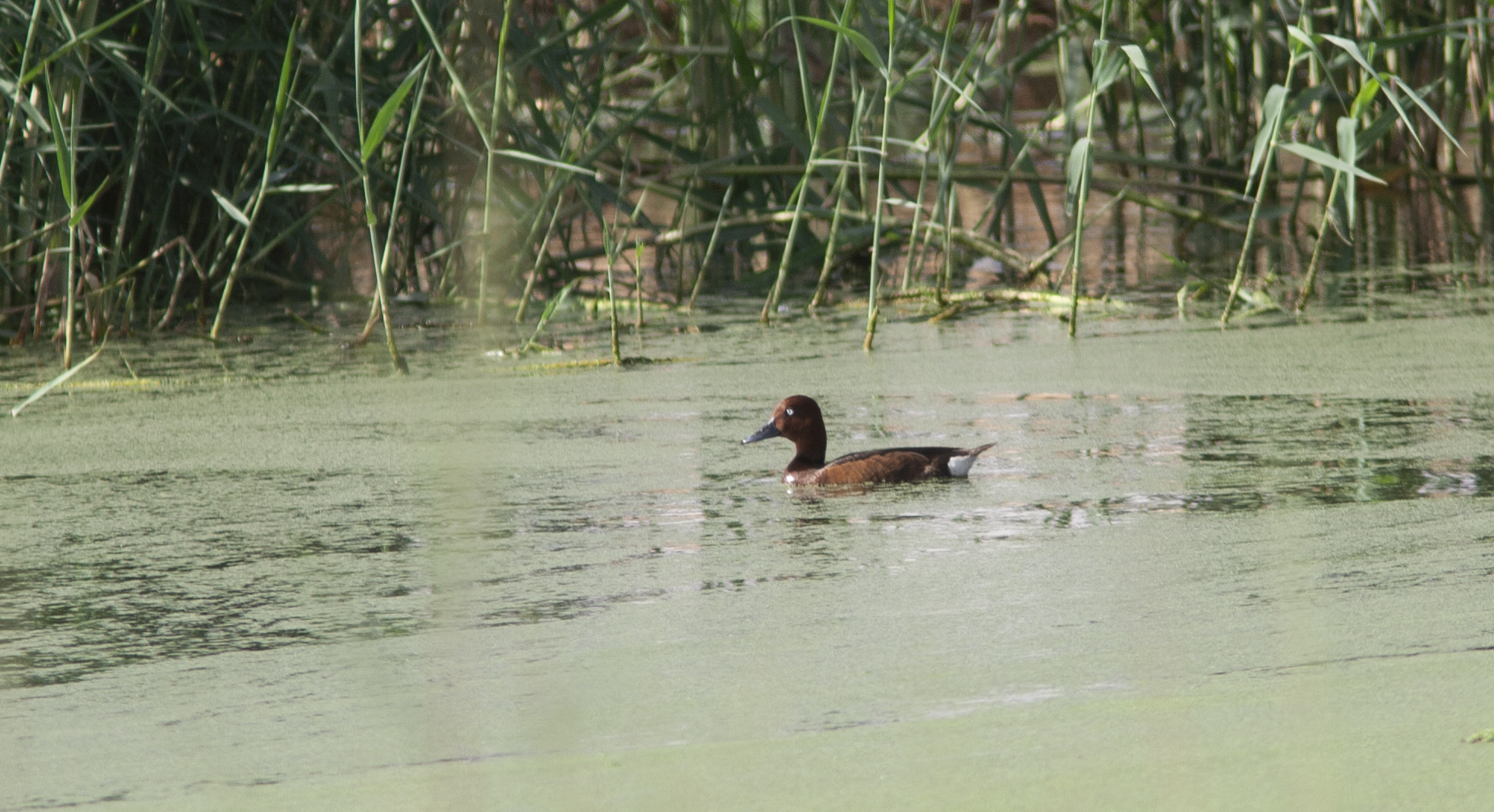
Aythya nyroca — A Near Threatened chestnut duck linking Arab breeding wetlands with winter lakes

A yellow orchard songbird: recognition, breeding and winter occurrence of the European Serin
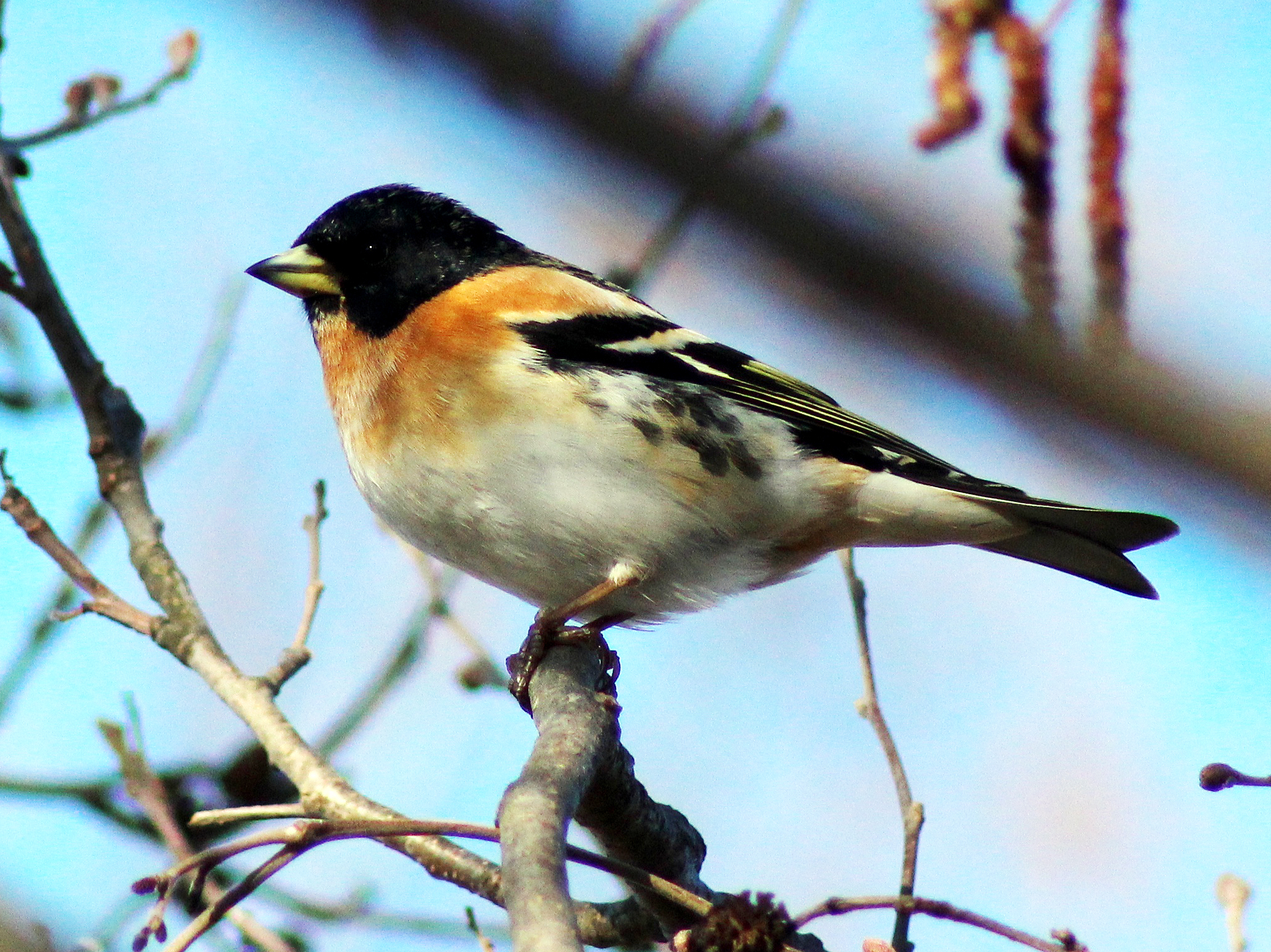
A white-rumped winter visitor linking northern forests with the Levant and Morocco
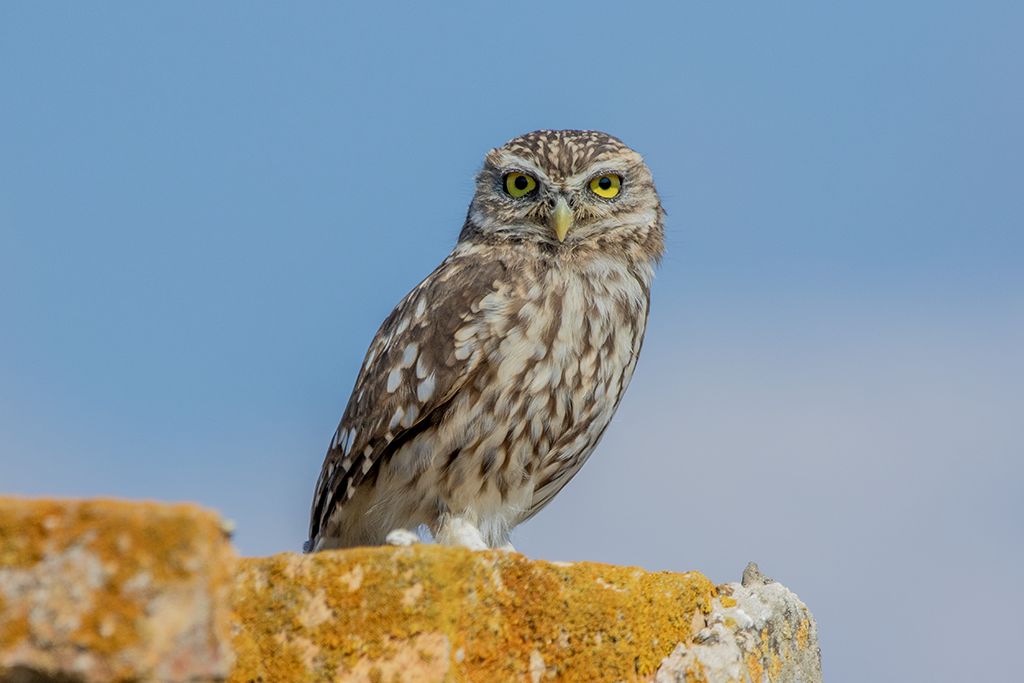
Athene noctua — A small resident owl in diverse Arab habitats, active at night and dusk and sometimes visible by day
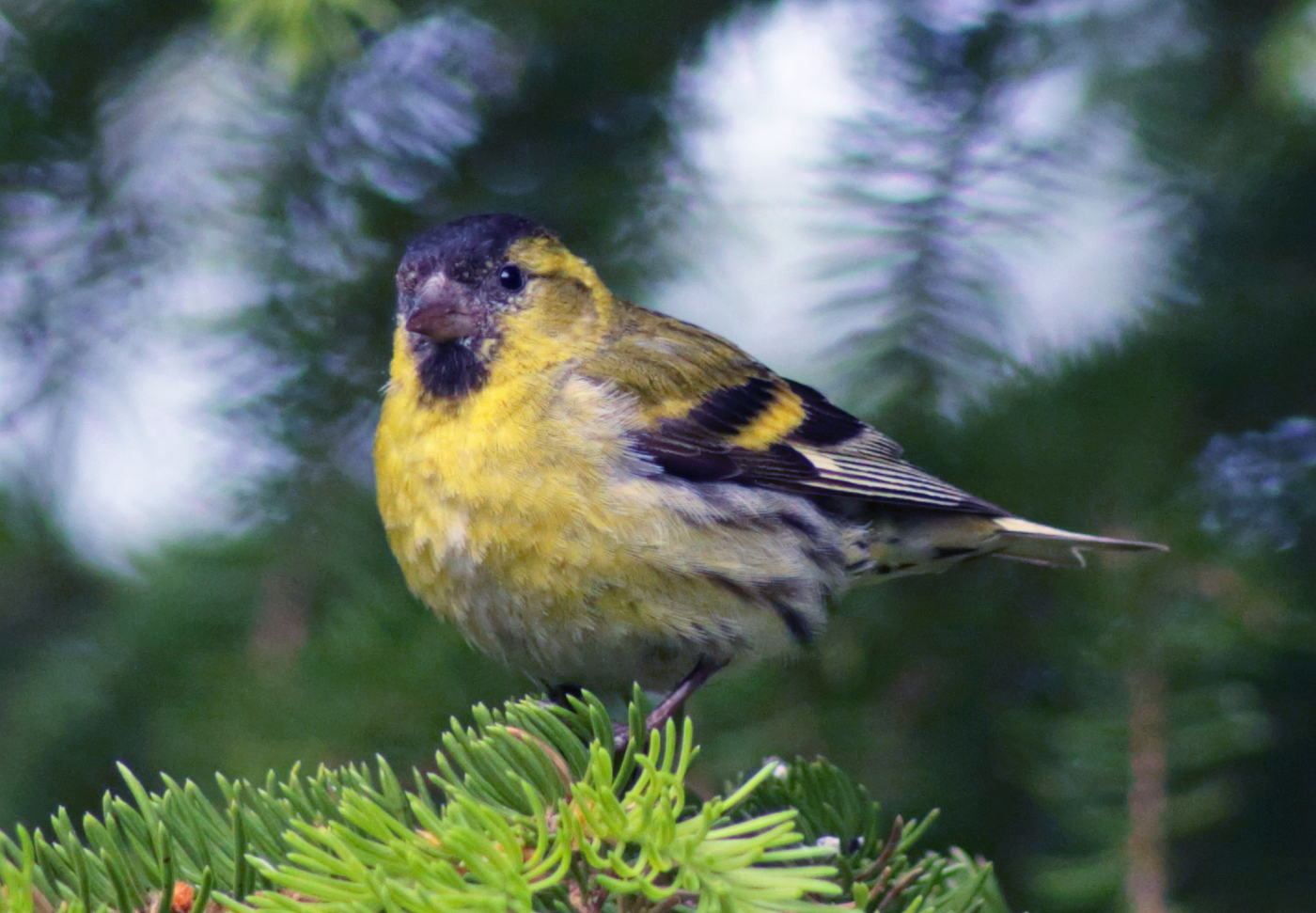
A small seed specialist with autumn passage and variable winter occurrence across the Arab region
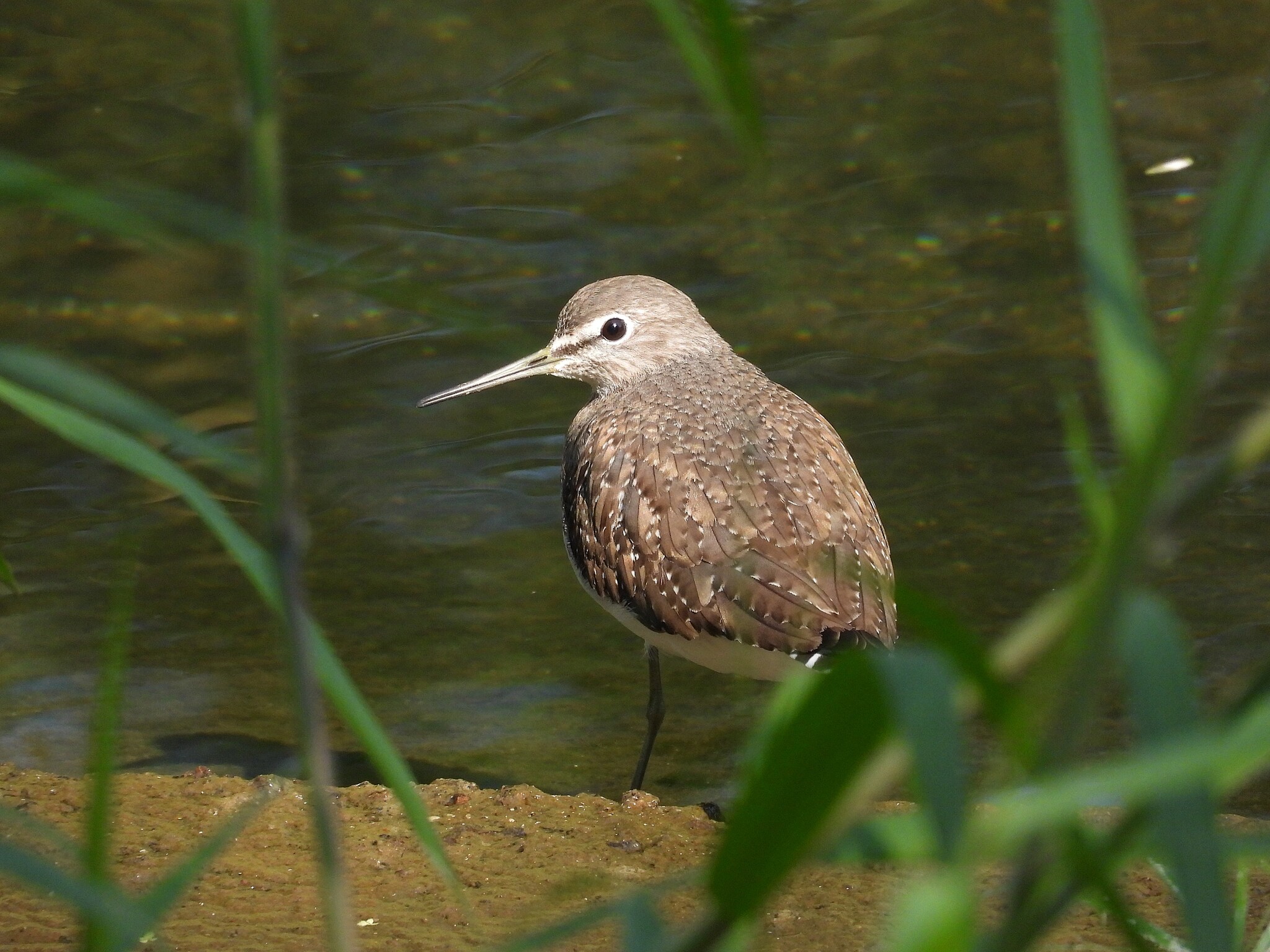
Tringa ochropus — White rump and dark wings: an Arab wetland visitor nesting in northern trees
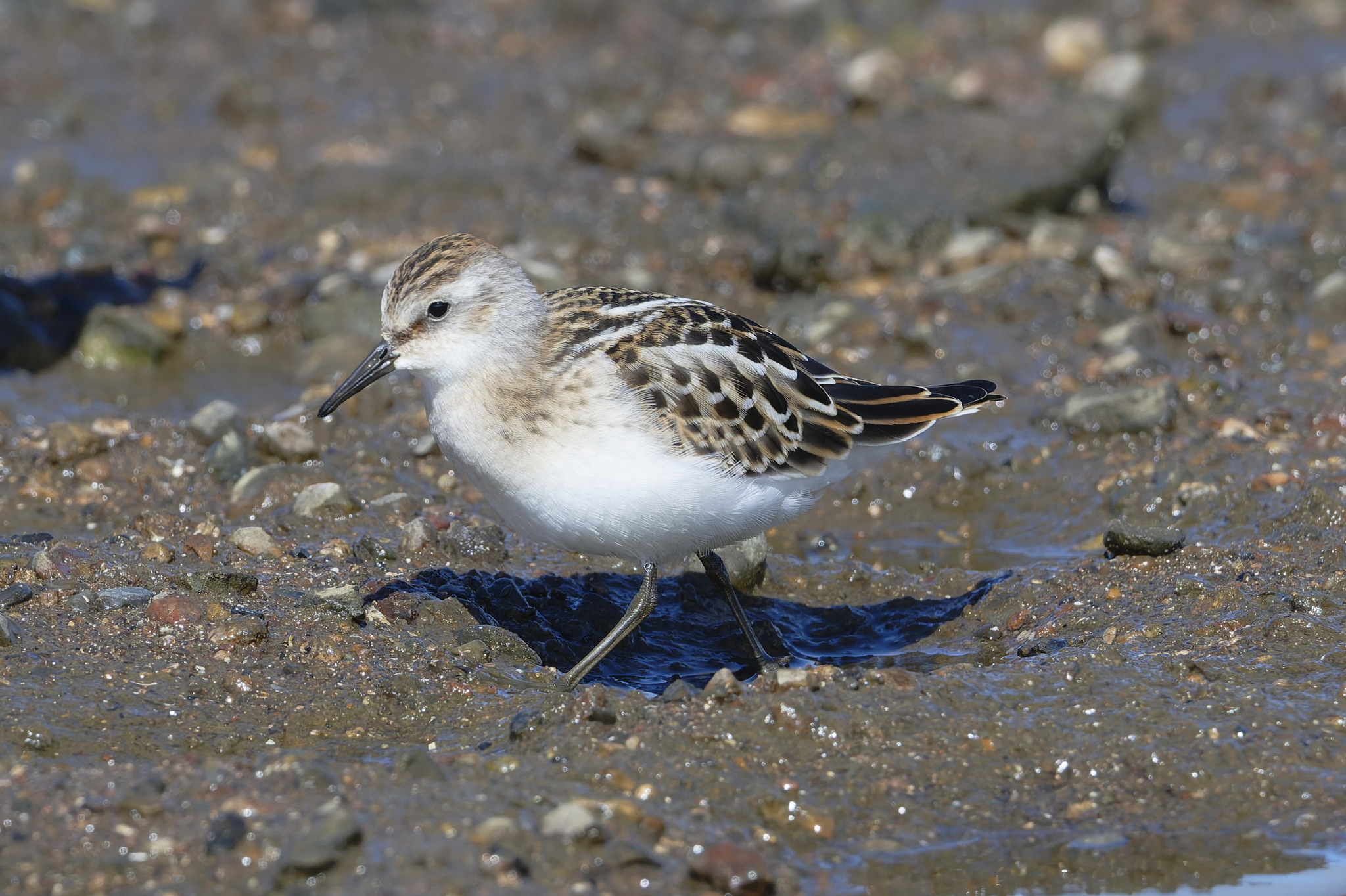
Calidris minuta — A tiny shorebird linking Arctic tundra with Arab passage and winter shores
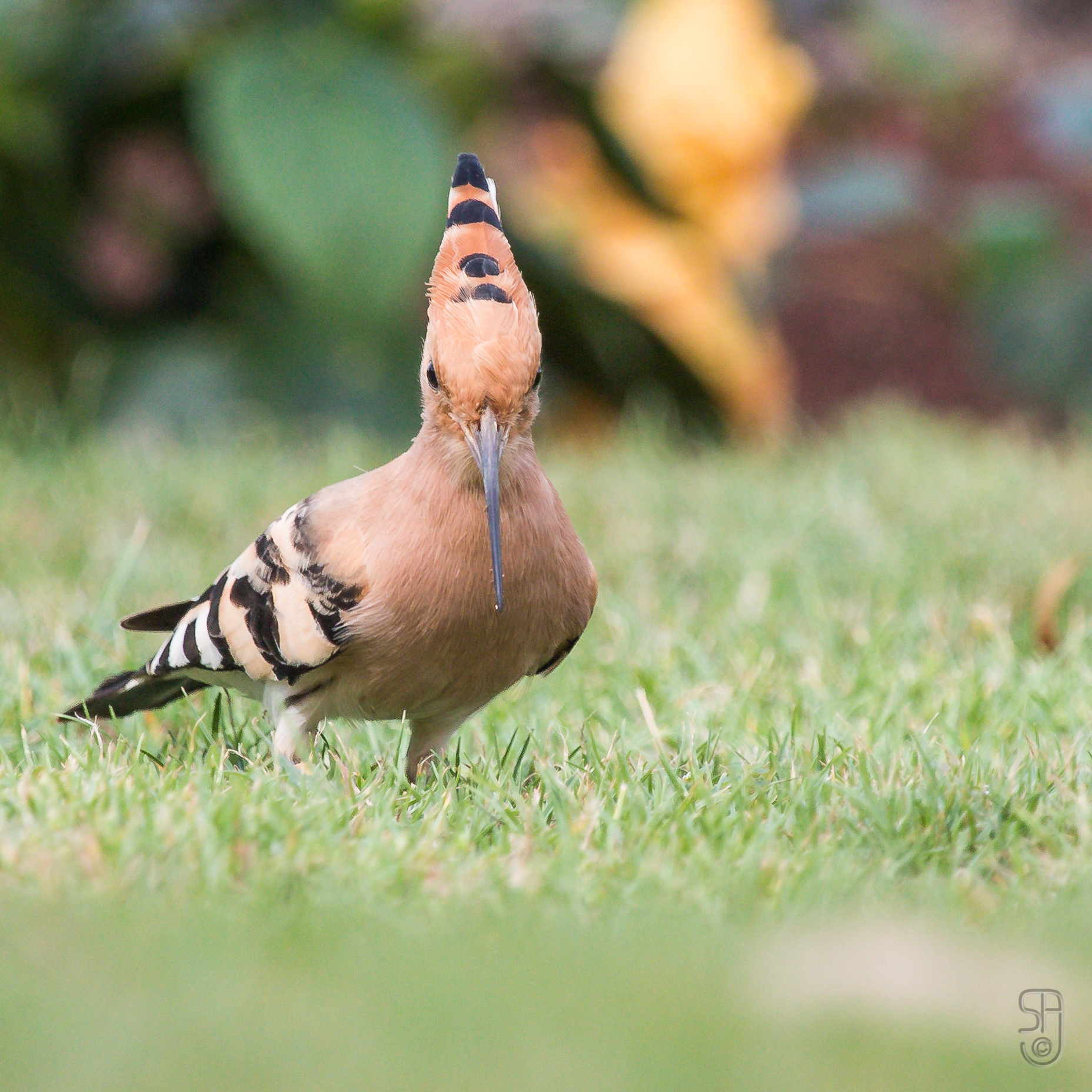
Upupa epops — Identification, habitats, breeding and occurrence in the Arab region
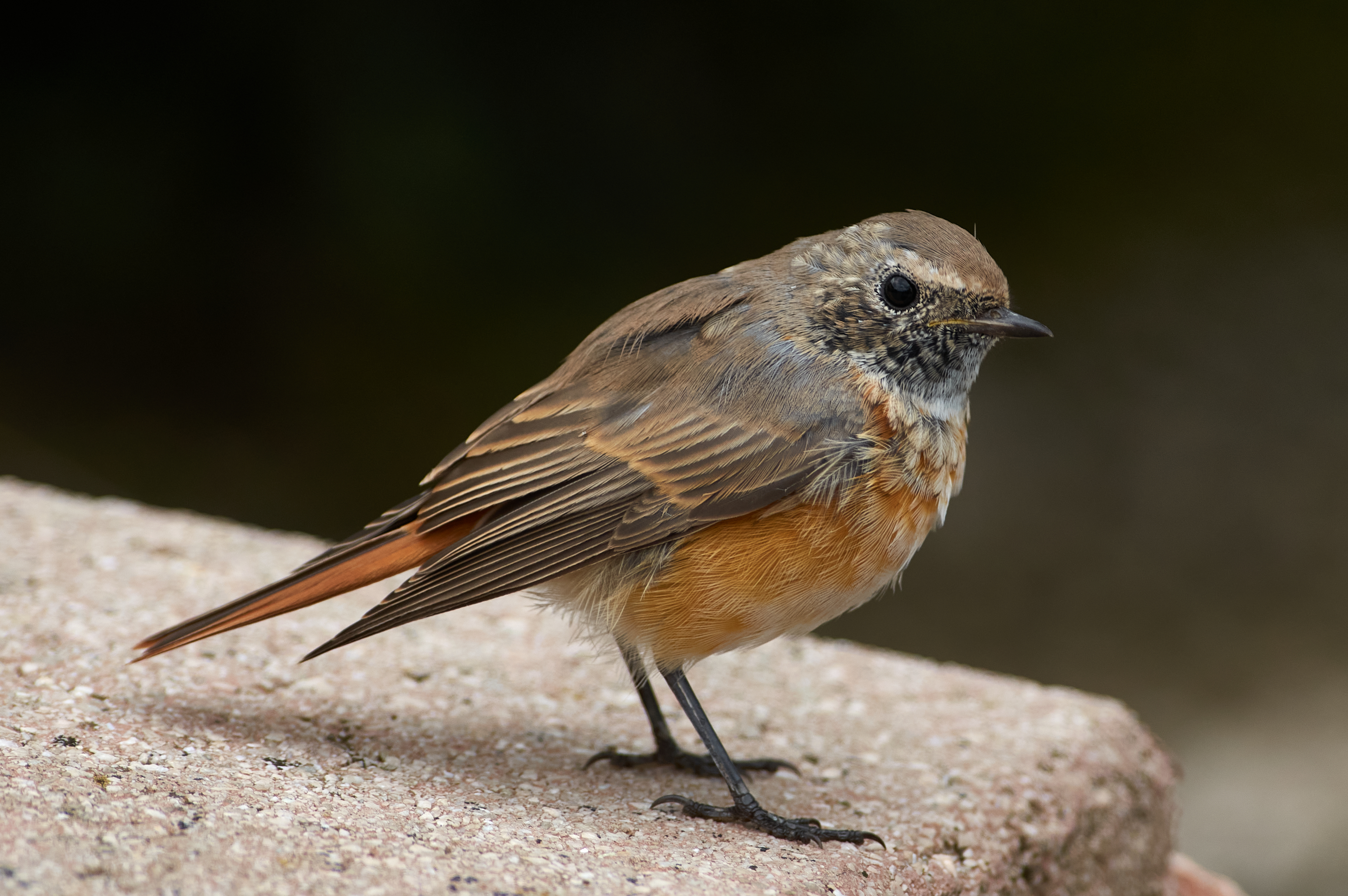
Phoenicurus phoenicurus — Identification, habitats, breeding and occurrence in the Arab region
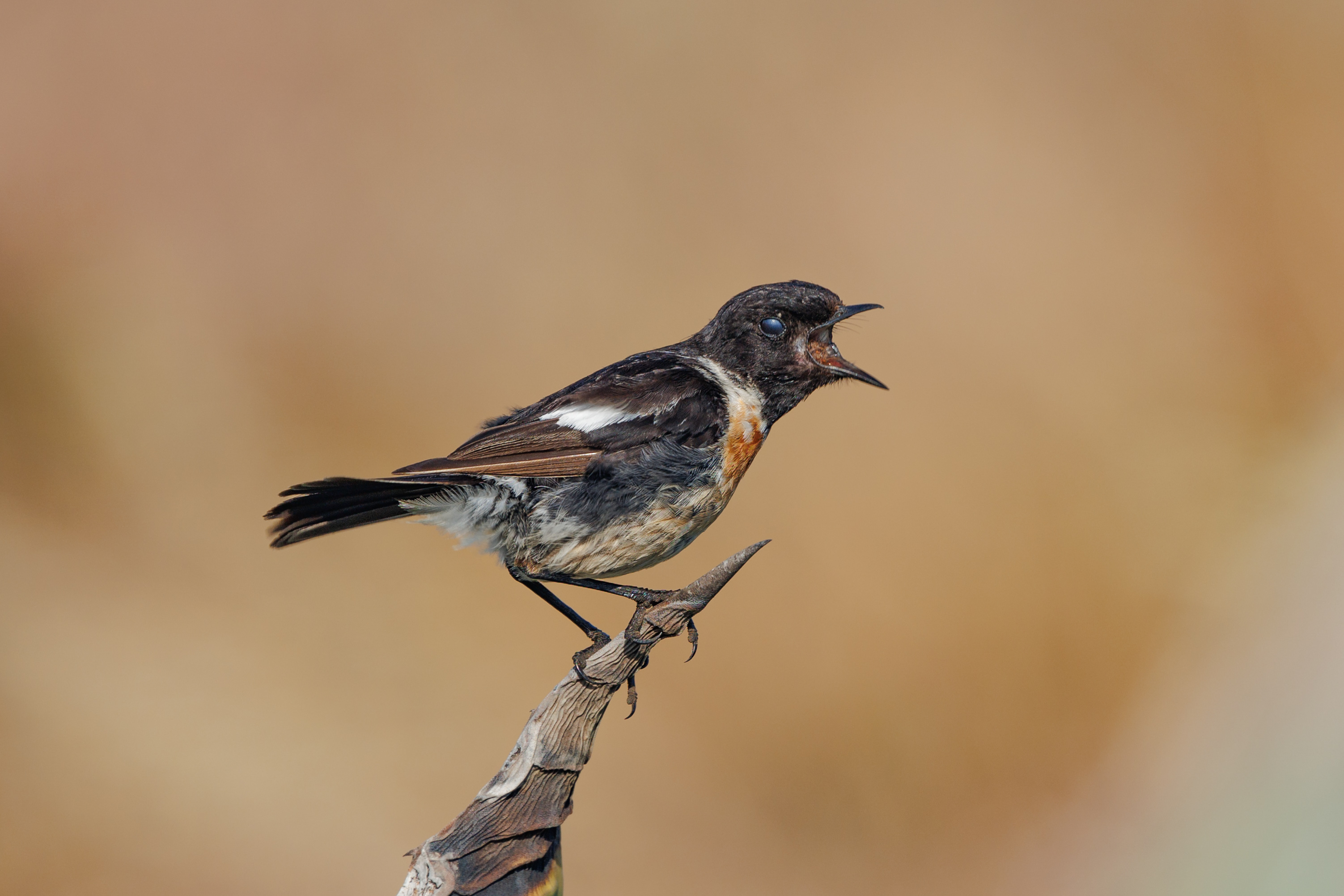
Saxicola rubicola — Identification, habitats, breeding and seasonal occurrence in the Arab region
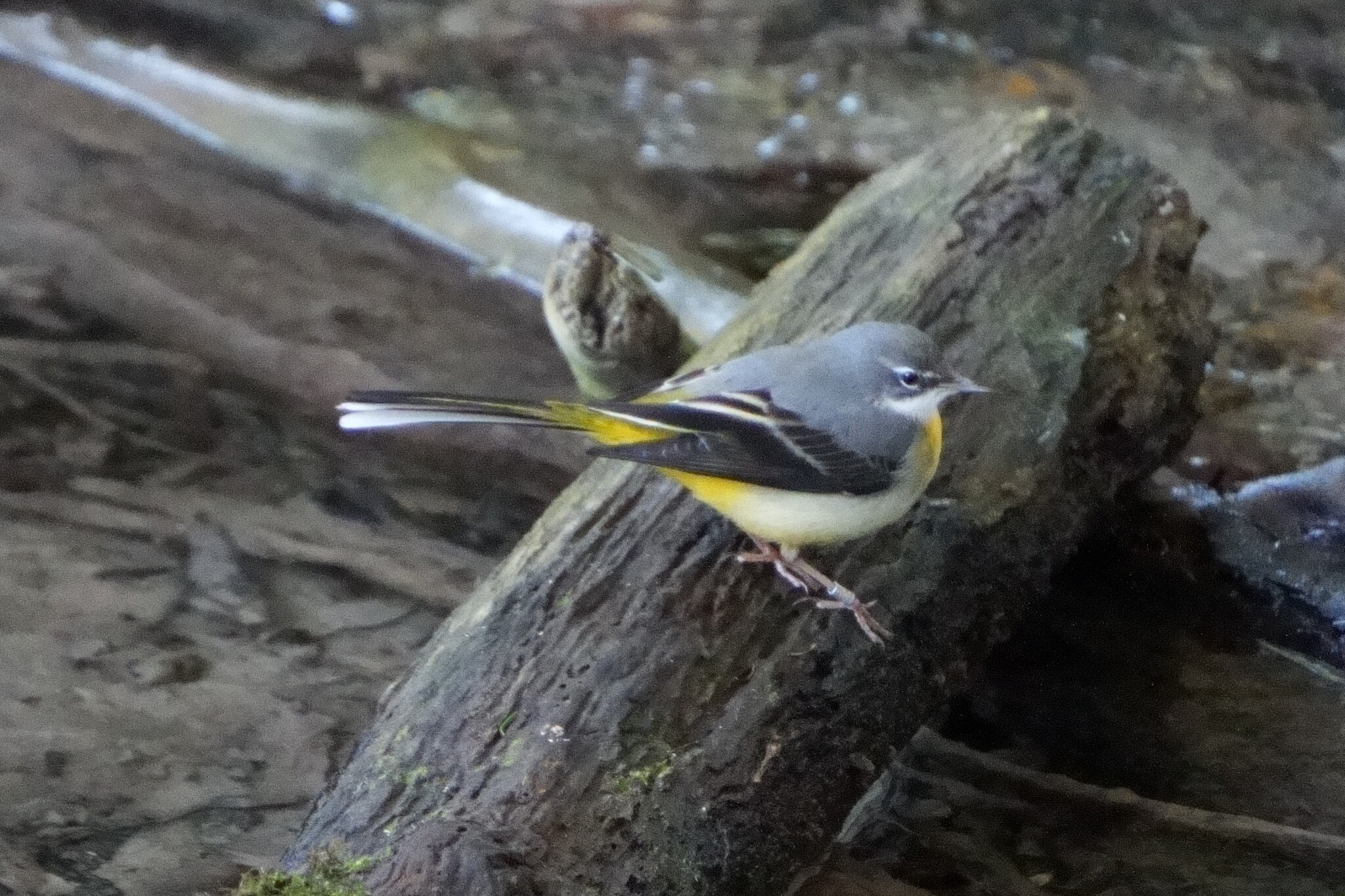
Motacilla cinerea — Identification, habitats, breeding and occurrence in the Arab region
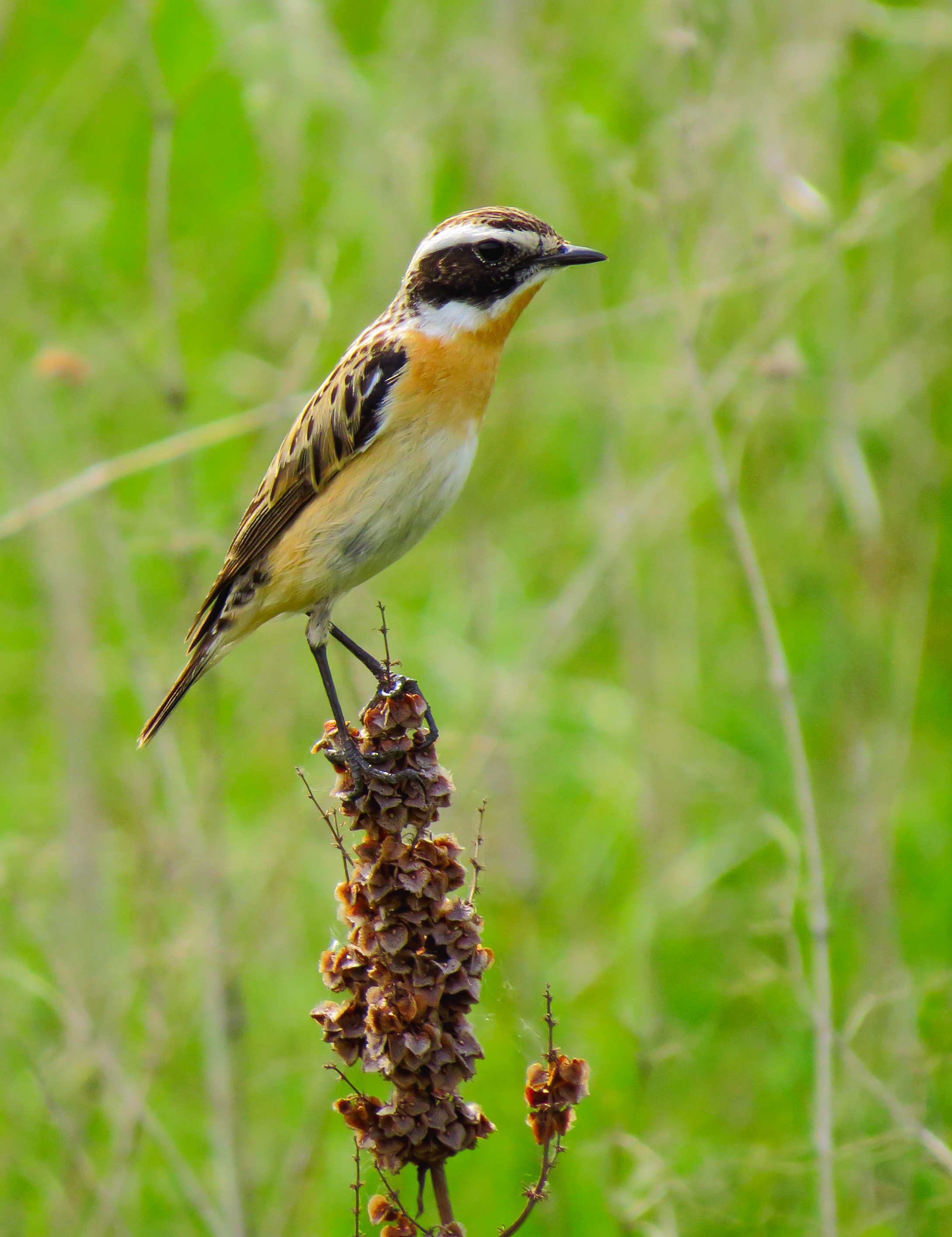
Saxicola rubetra — Identification, habitats, breeding and occurrence in the Arab region
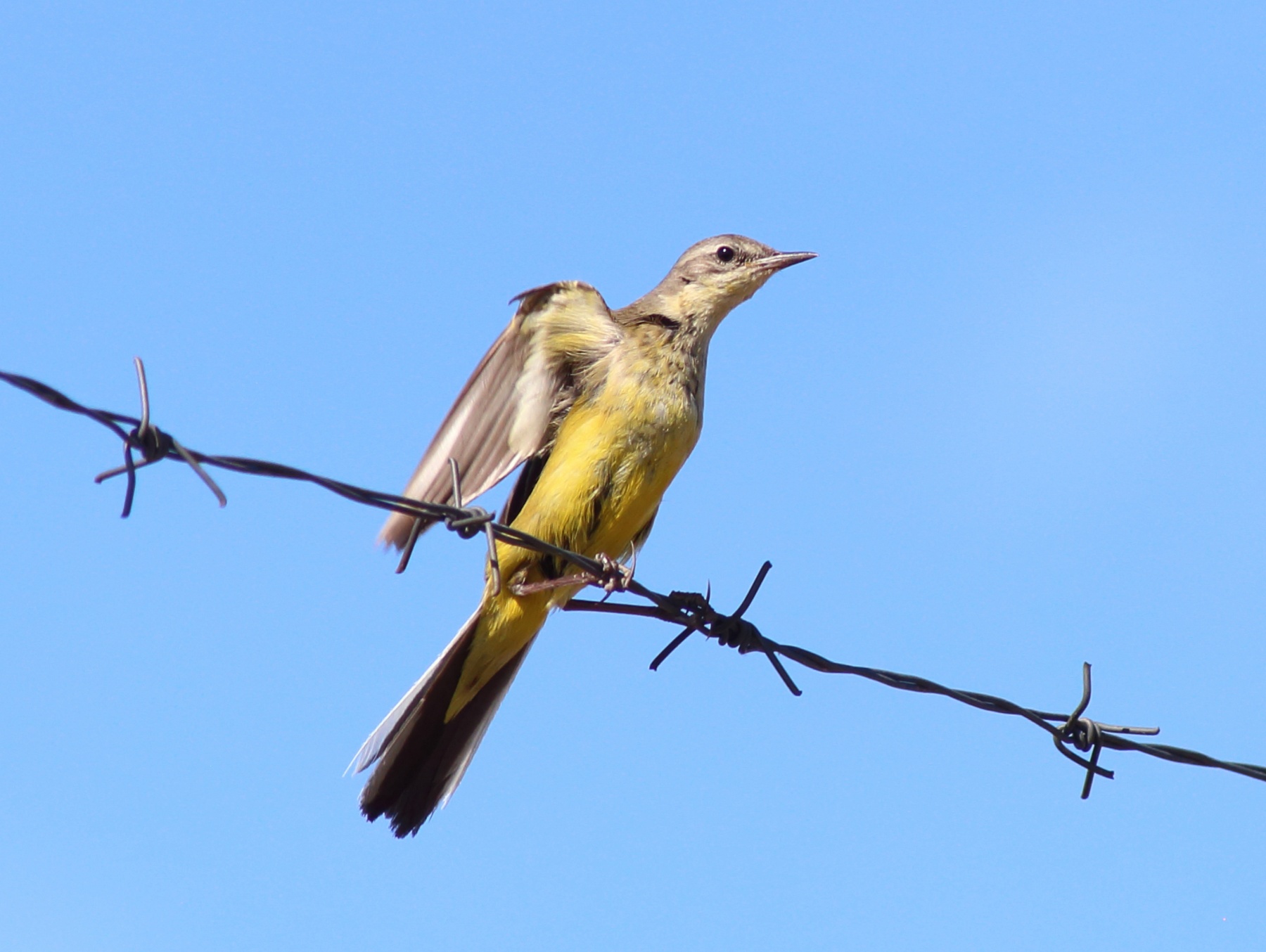
Motacilla flava — Identification, habitats, breeding and seasonal occurrence in the Arab region
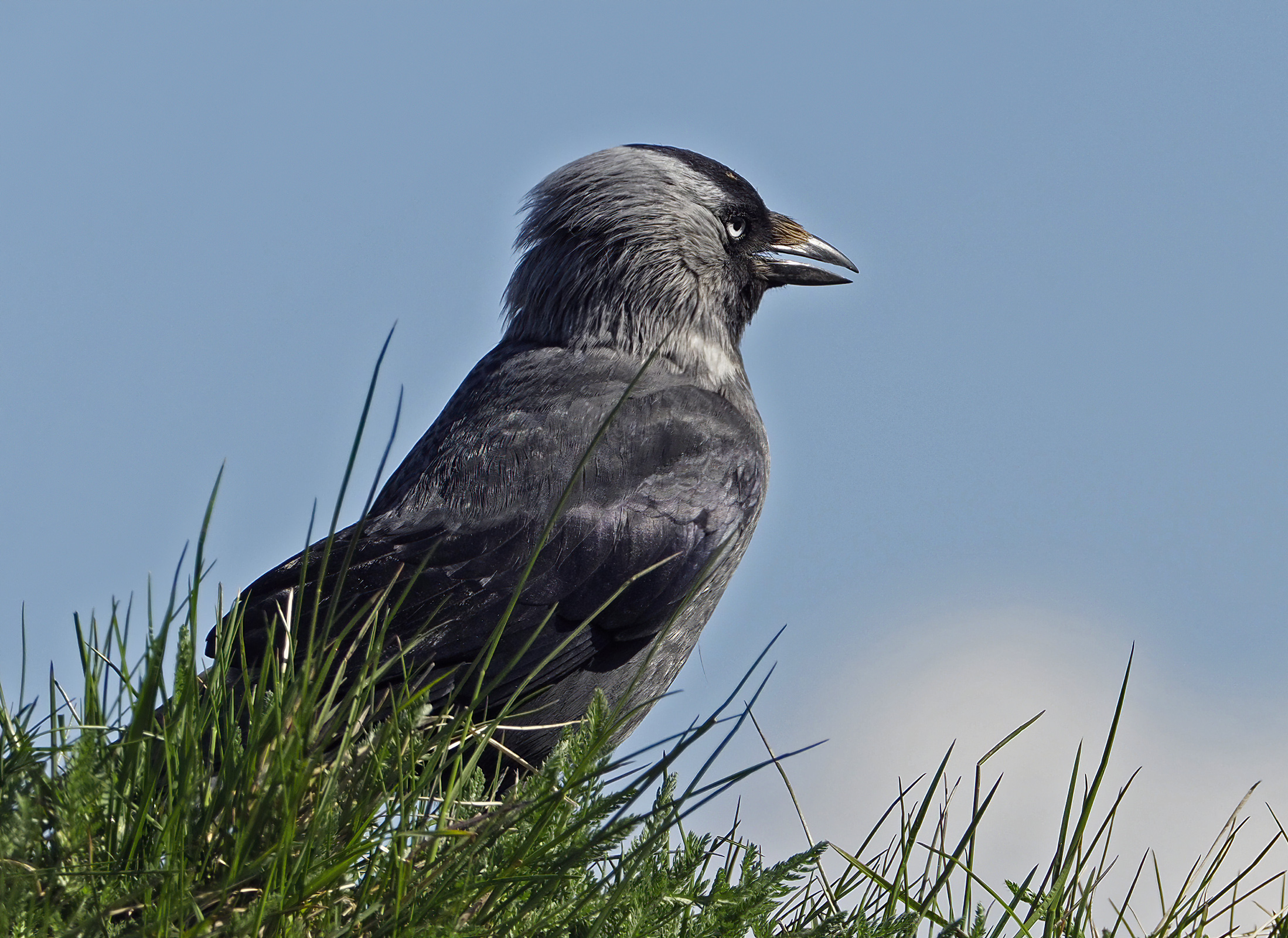
Coloeus monedula — Identification, habitats, breeding and seasonal occurrence in the Arab region
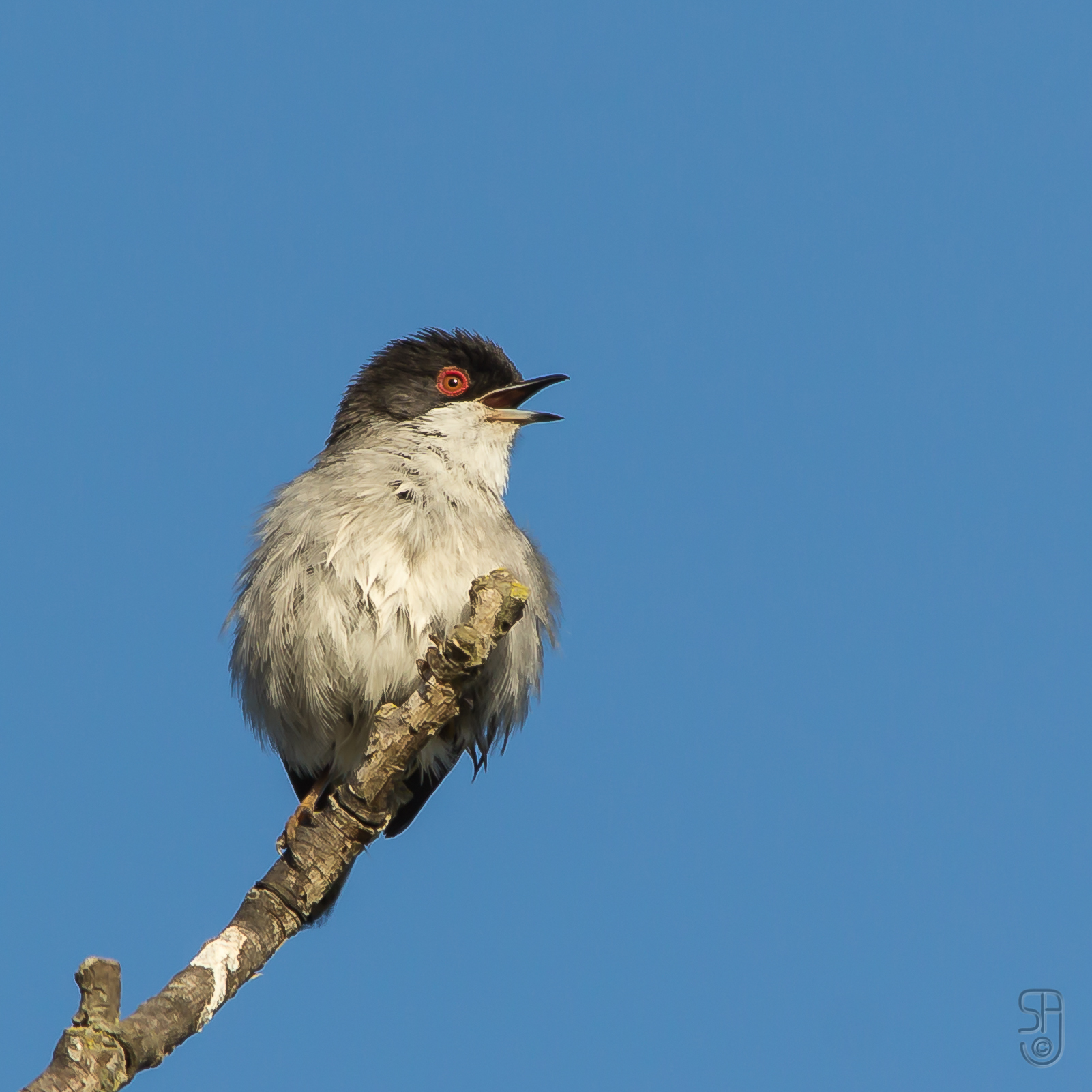
Curruca melanocephala — Identification, habitats, breeding and occurrence in the Arab region
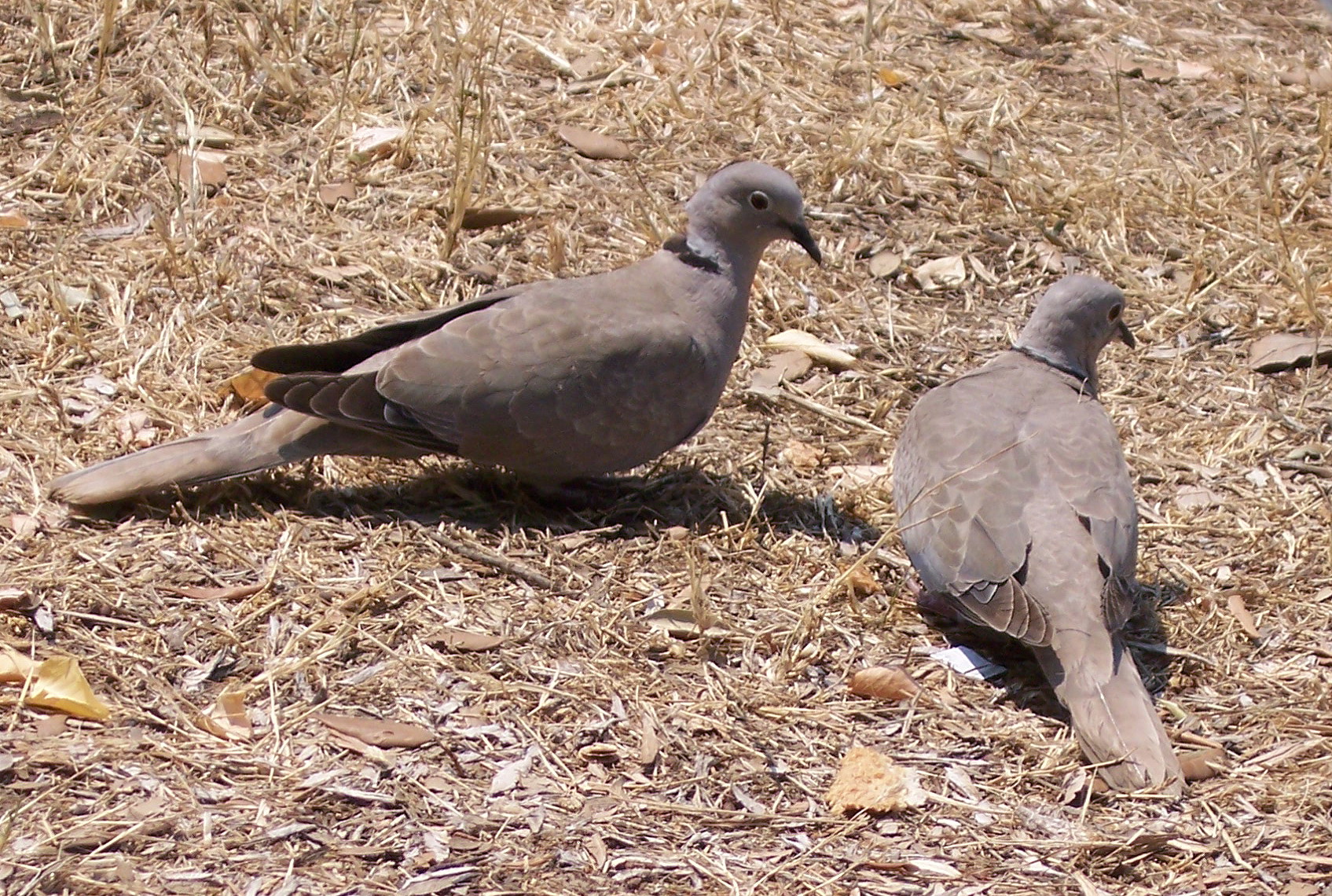
Streptopelia decaocto — Identification, habitats, breeding and occurrence in the Arab region
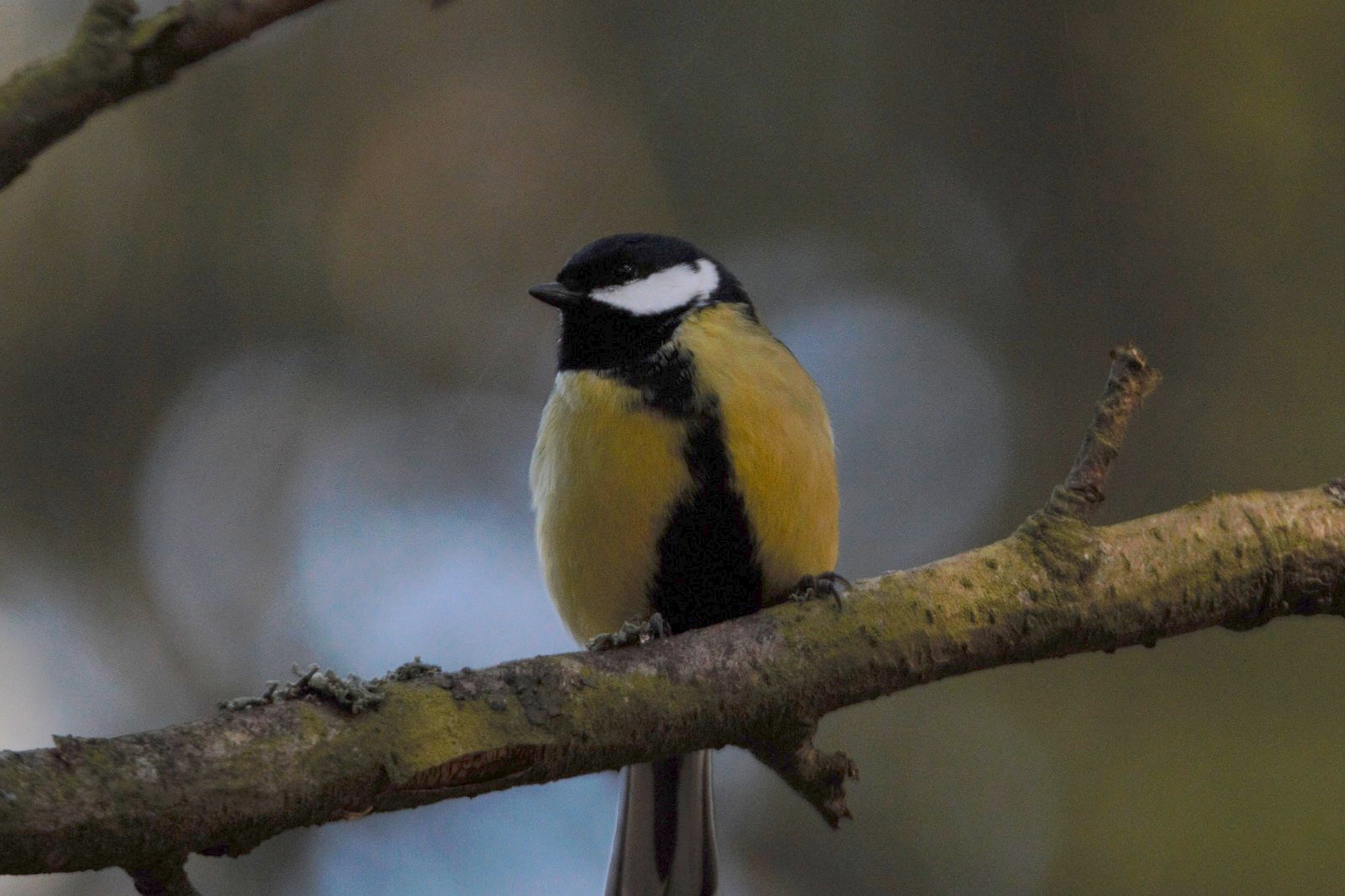
Parus major — Identification, habitats, breeding and occurrence in the Arab region
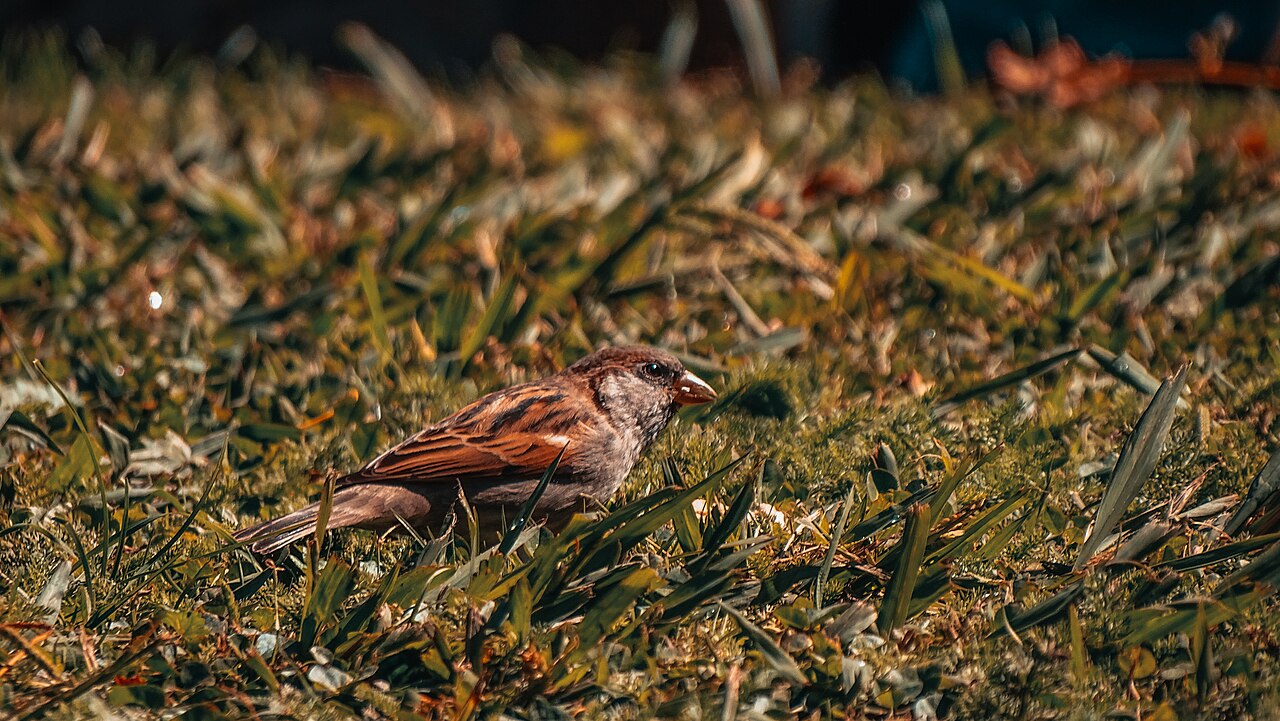
Passer domesticus — Identification, habitats, breeding and occurrence in the Arab region
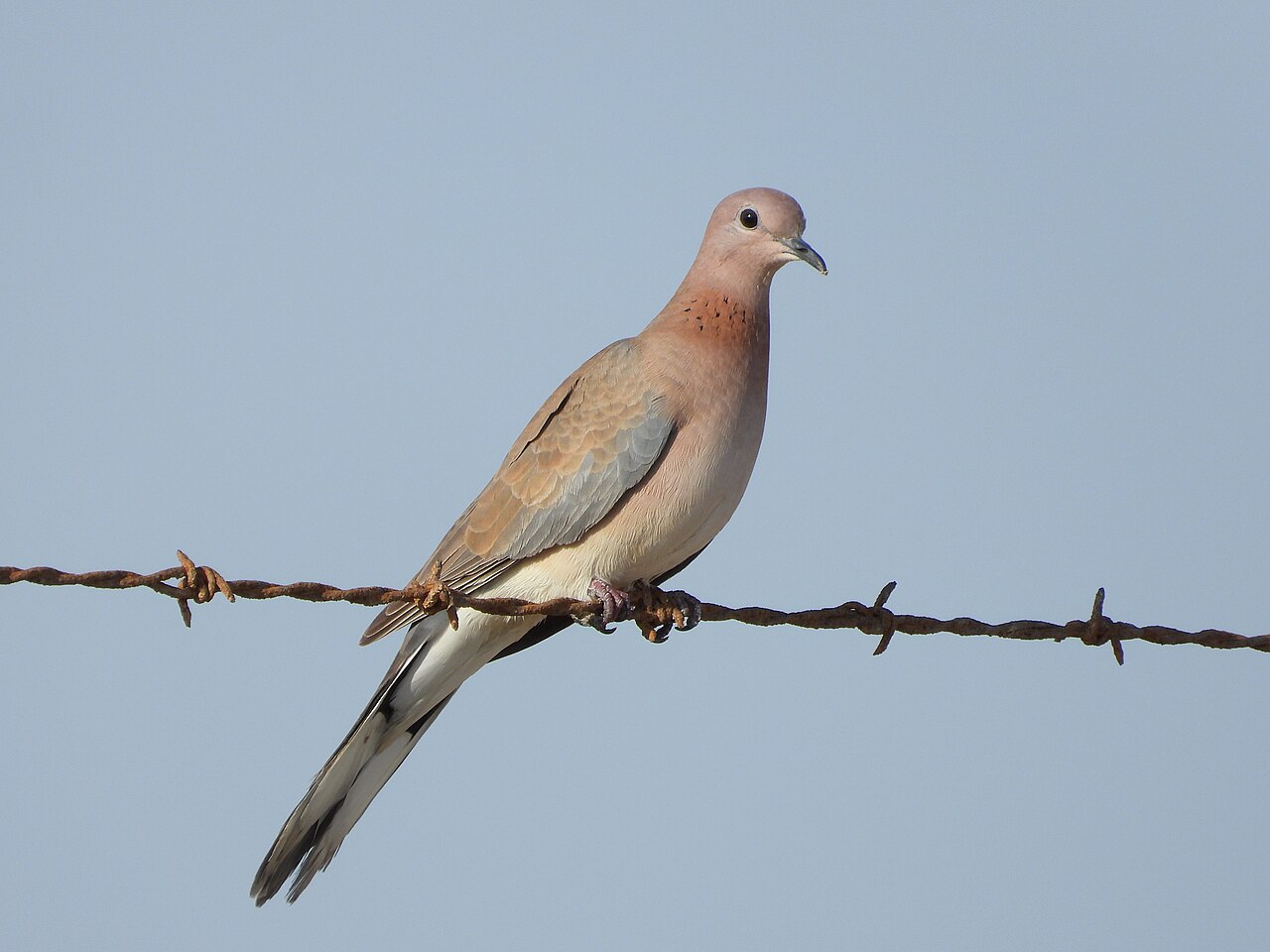
Spilopelia senegalensis — Identification, habitats, breeding and occurrence in the Arab region
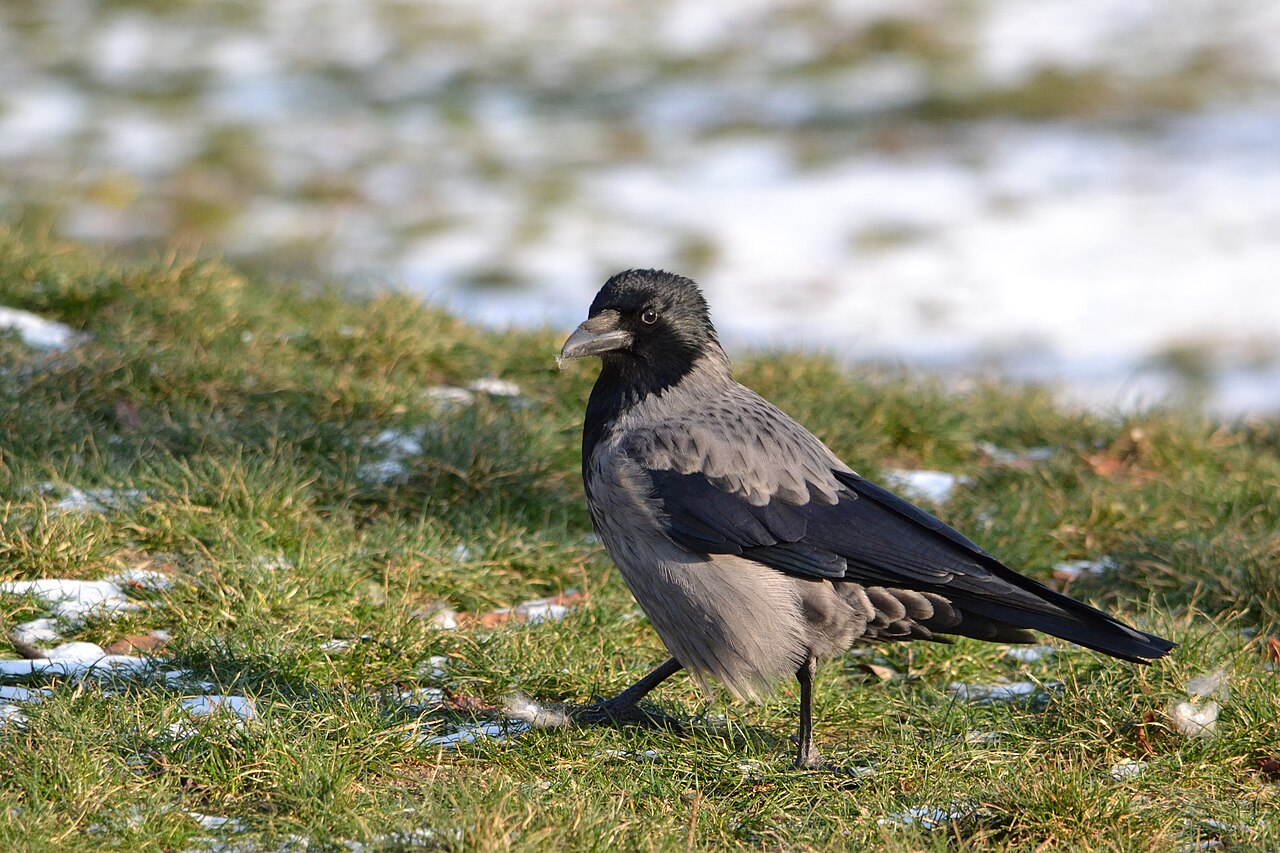
Corvus cornix — Identification, habitats, breeding and occurrence in the Arab region
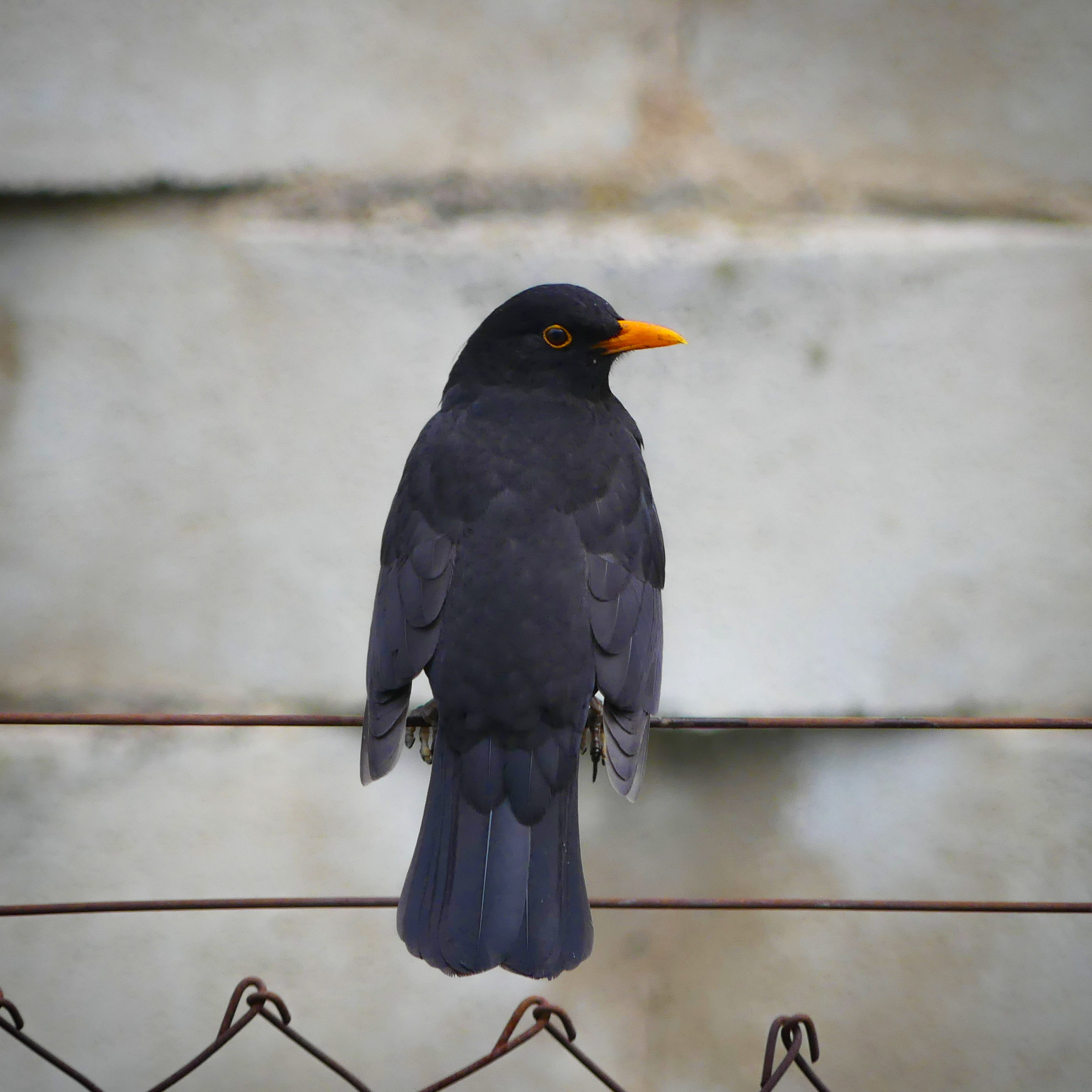
Turdus merula — Identification, habitats, breeding and occurrence in the Arab region
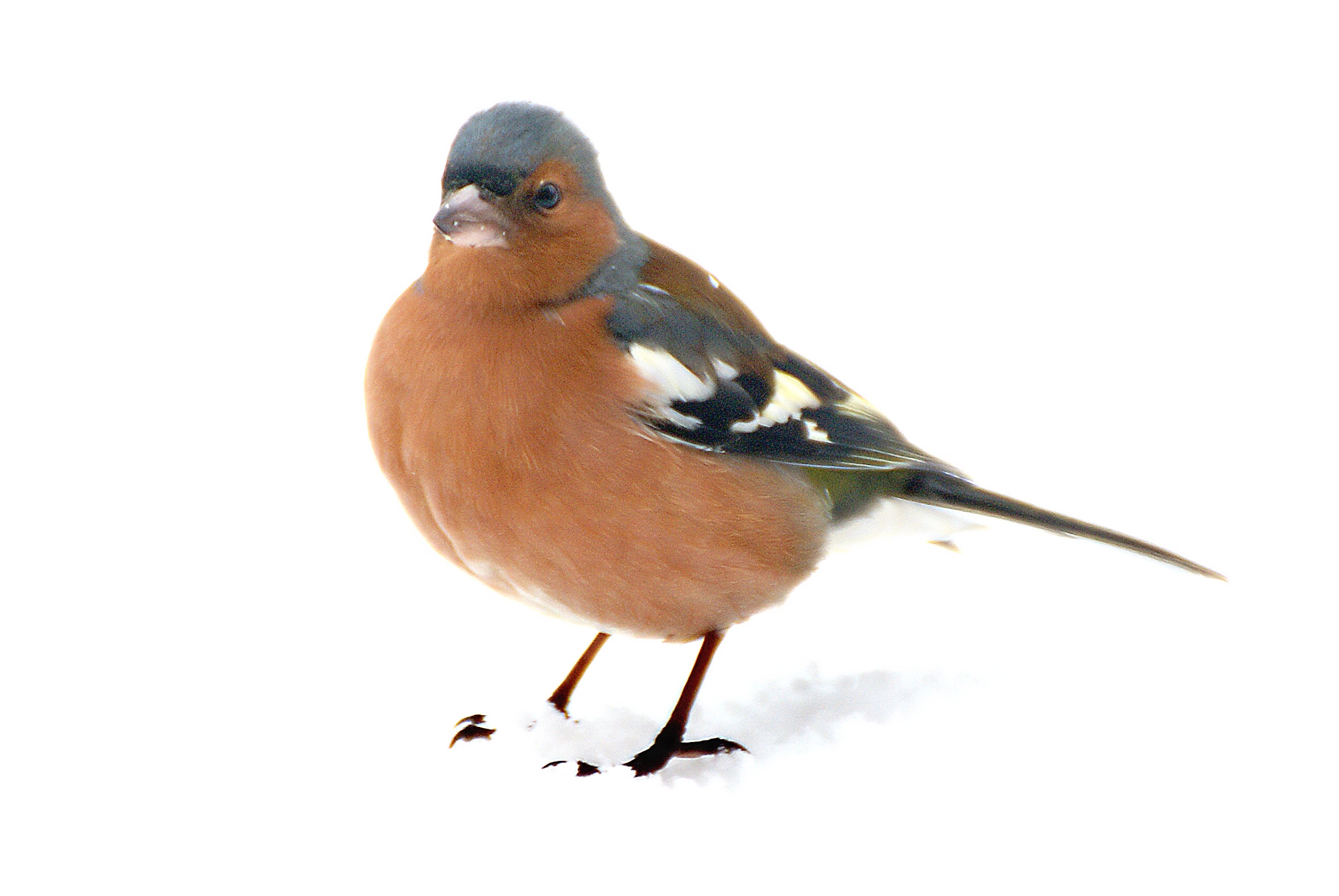
Fringilla coelebs — Identification, habitats, breeding and occurrence in the Arab region
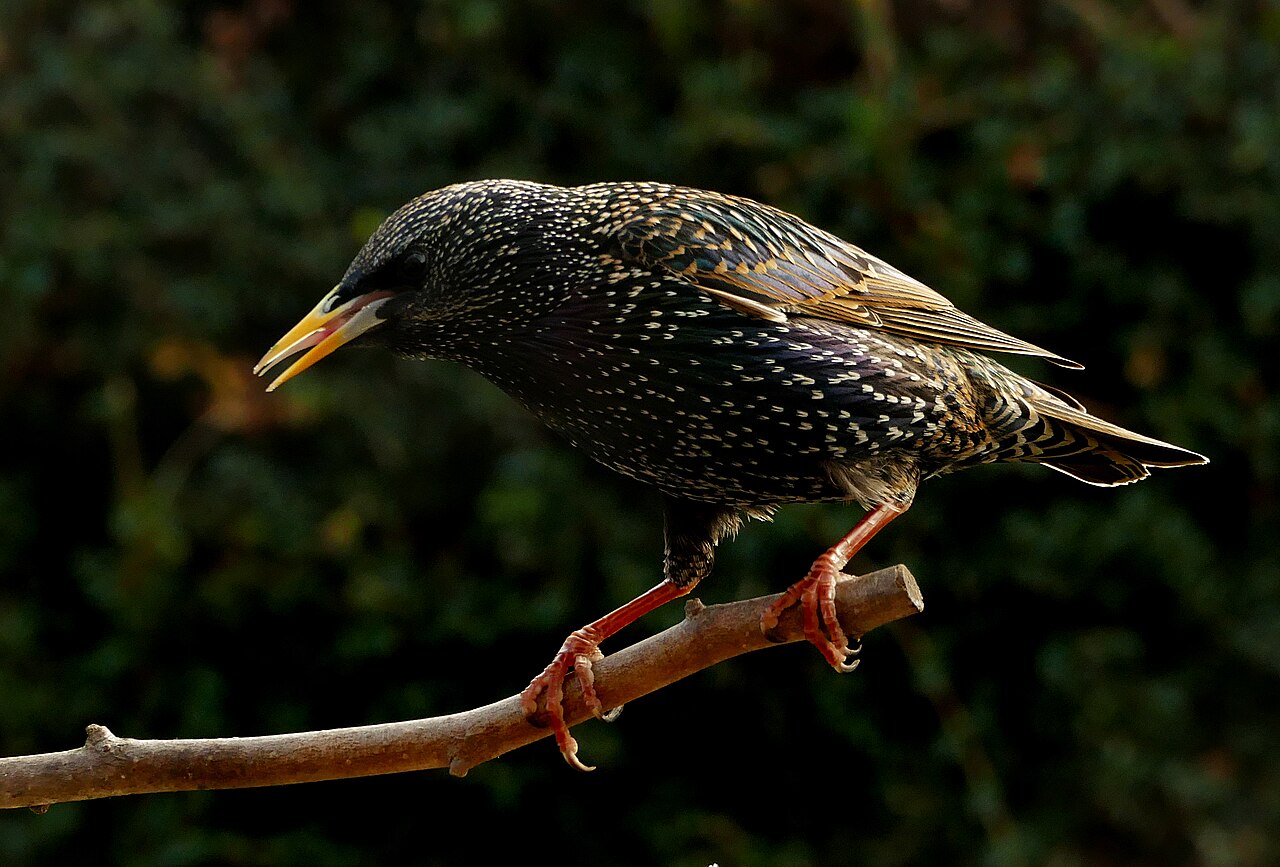
Sturnus vulgaris — Identification, habitats, breeding and occurrence in the Arab region
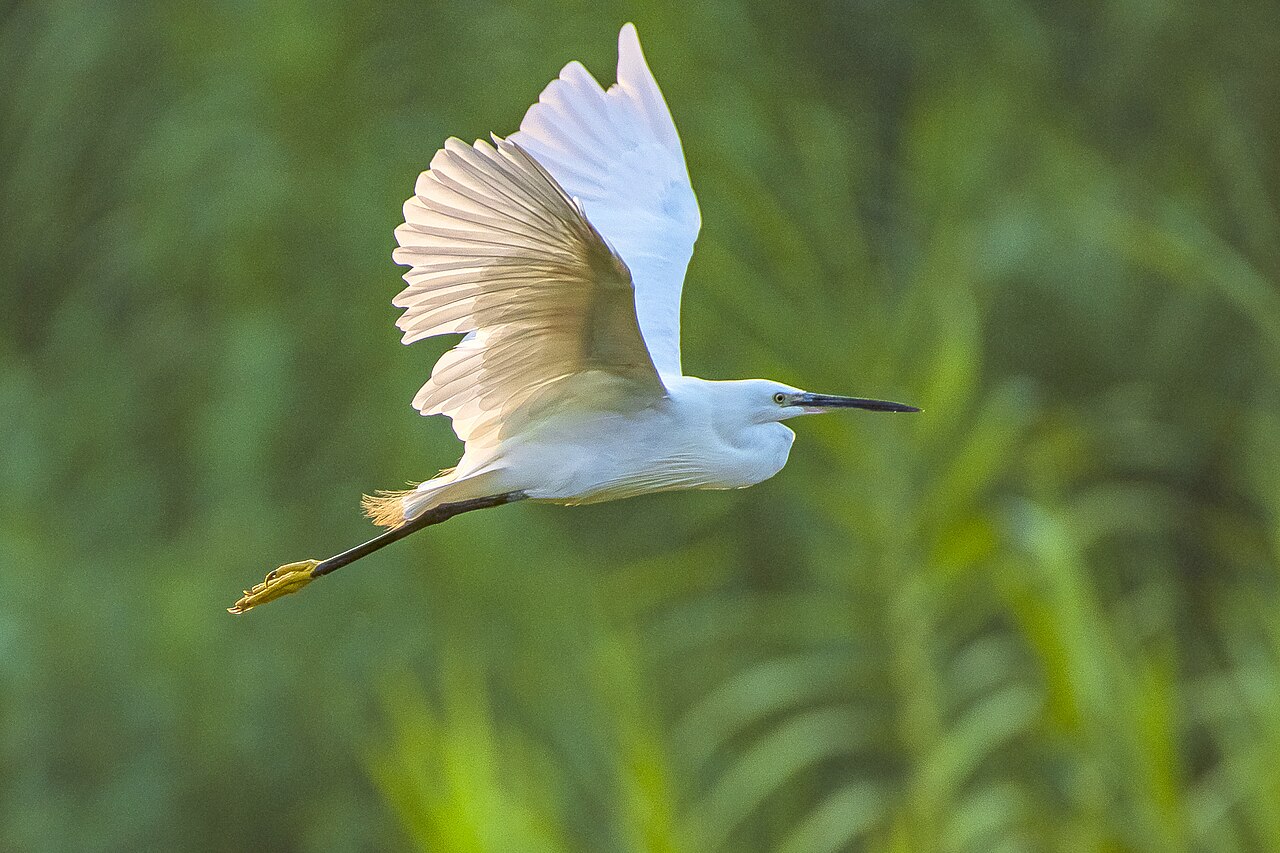
Egretta garzetta — Identification, habitats, breeding and occurrence in the Arab region
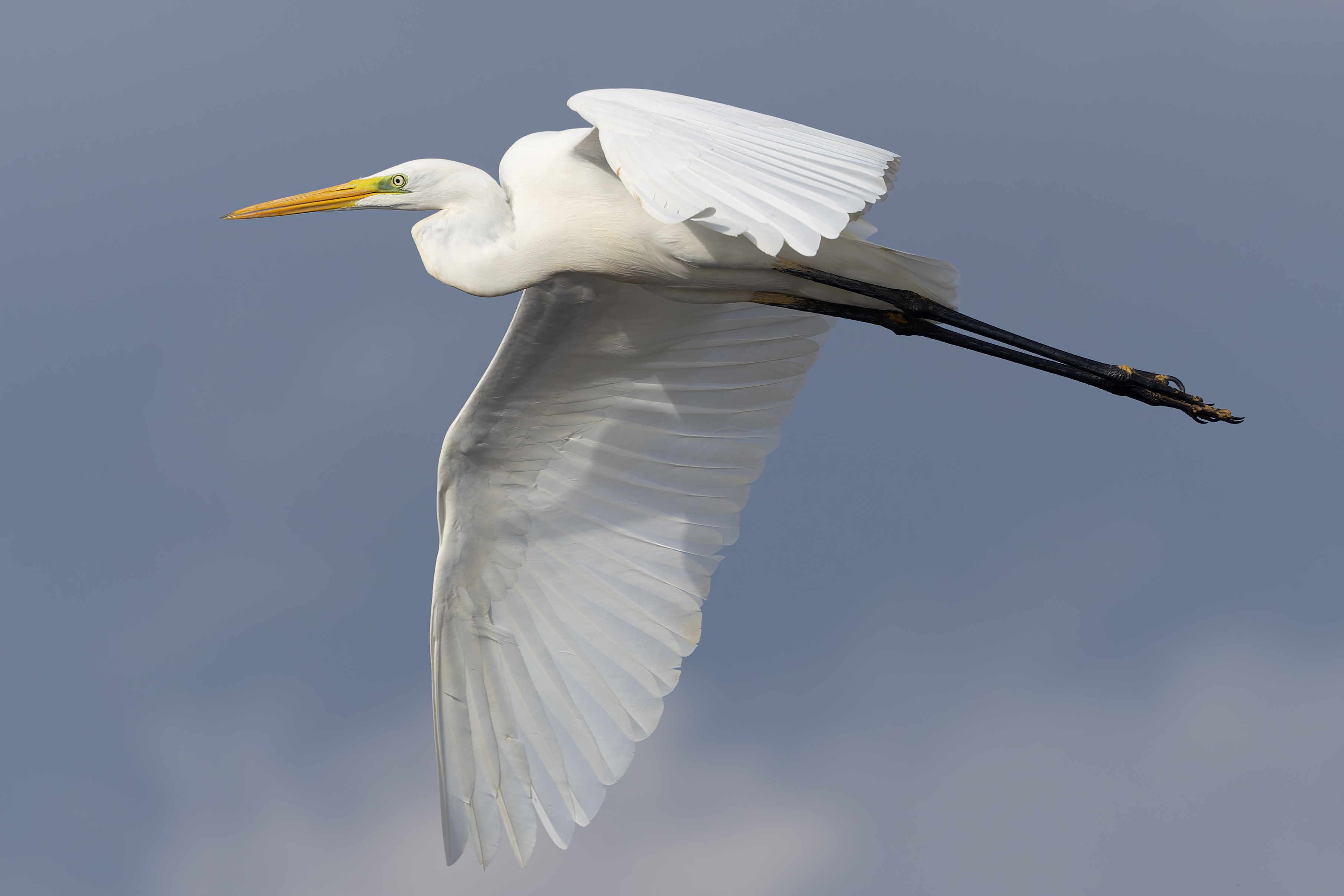
Ardea alba — Identification, habitats, breeding and occurrence in the Arab region
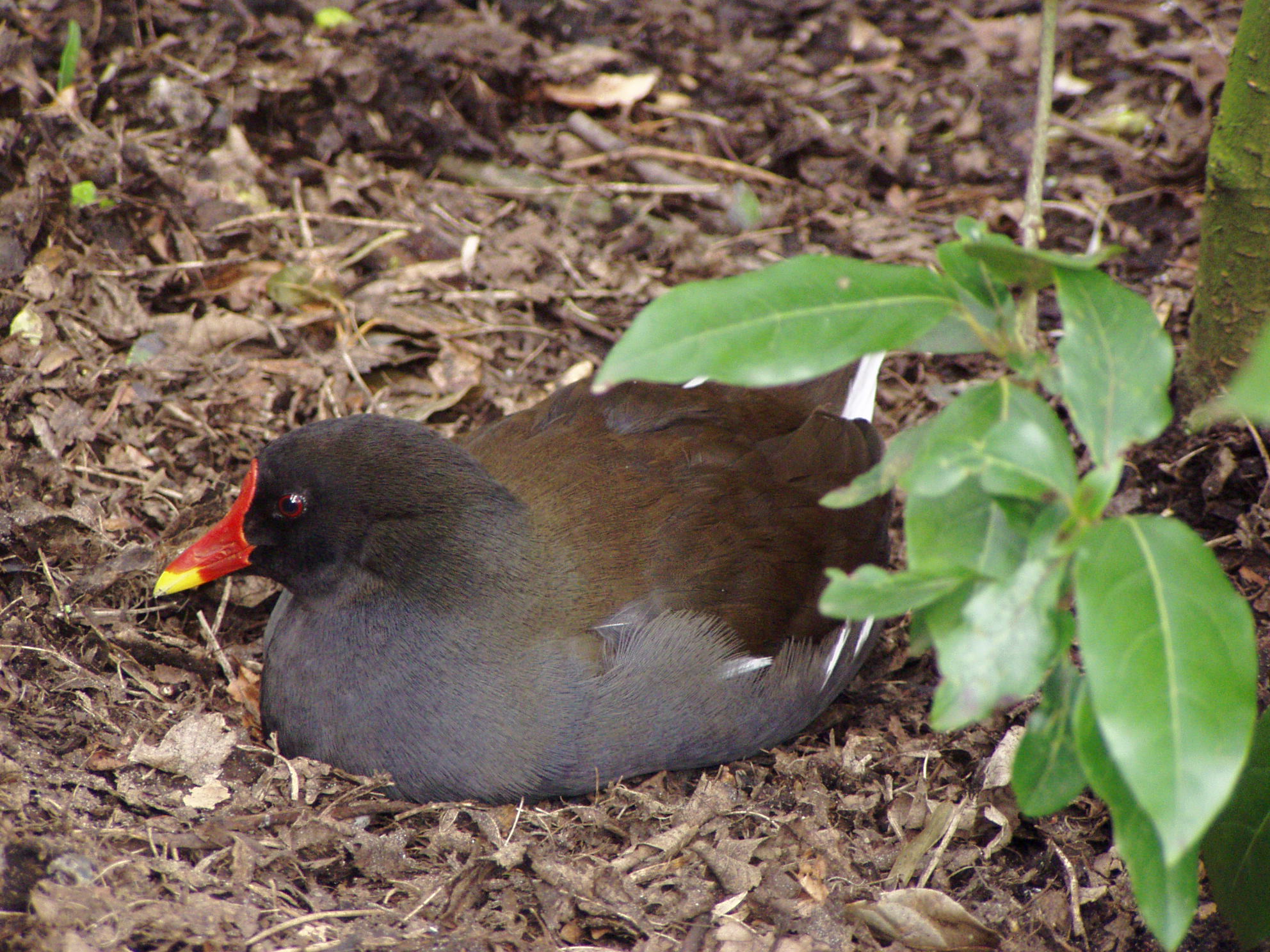
Gallinula chloropus — Identification, habitats, breeding and occurrence in the Arab region
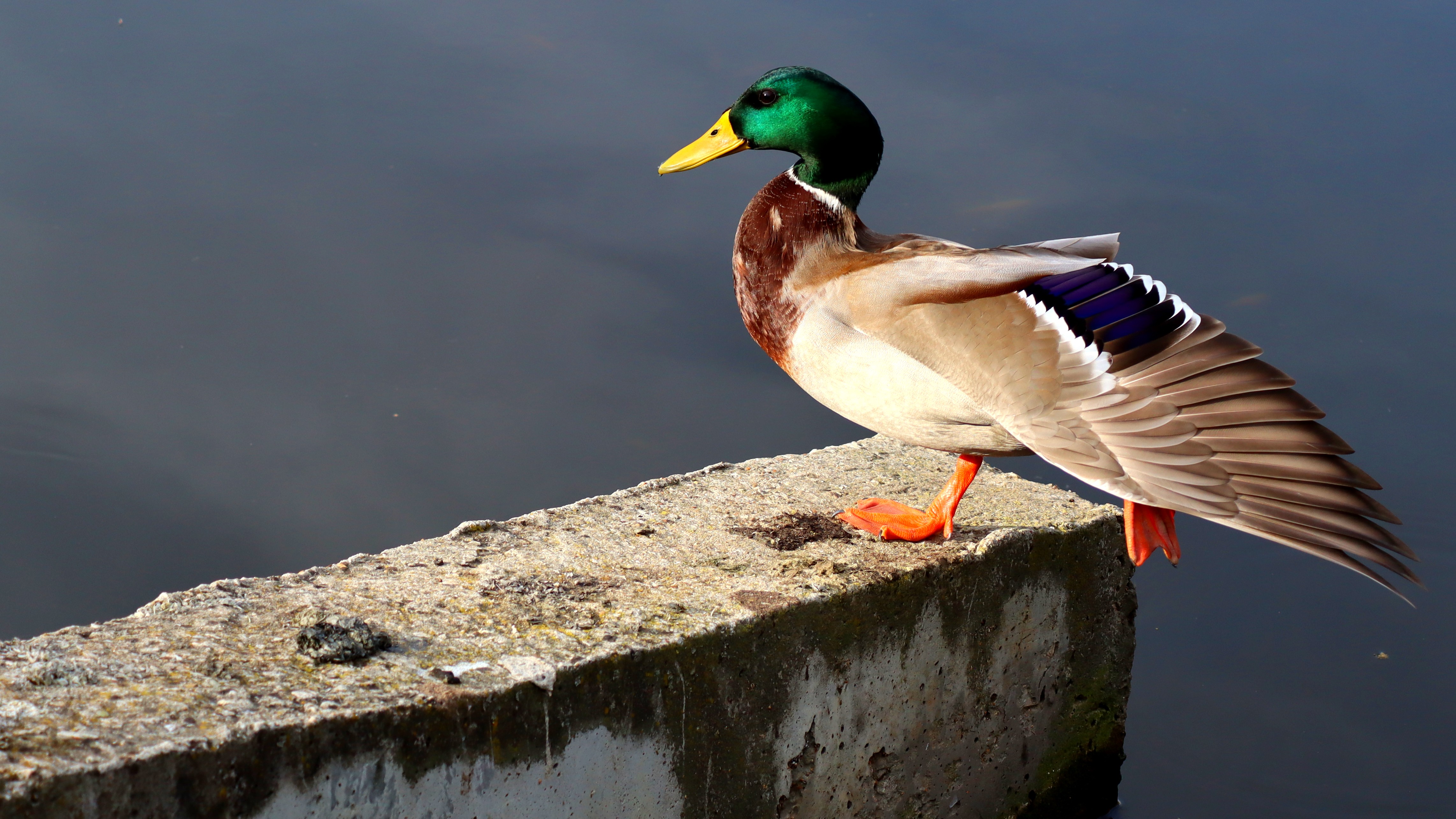
Anas platyrhynchos — Identification, habitats, breeding and occurrence in the Arab region
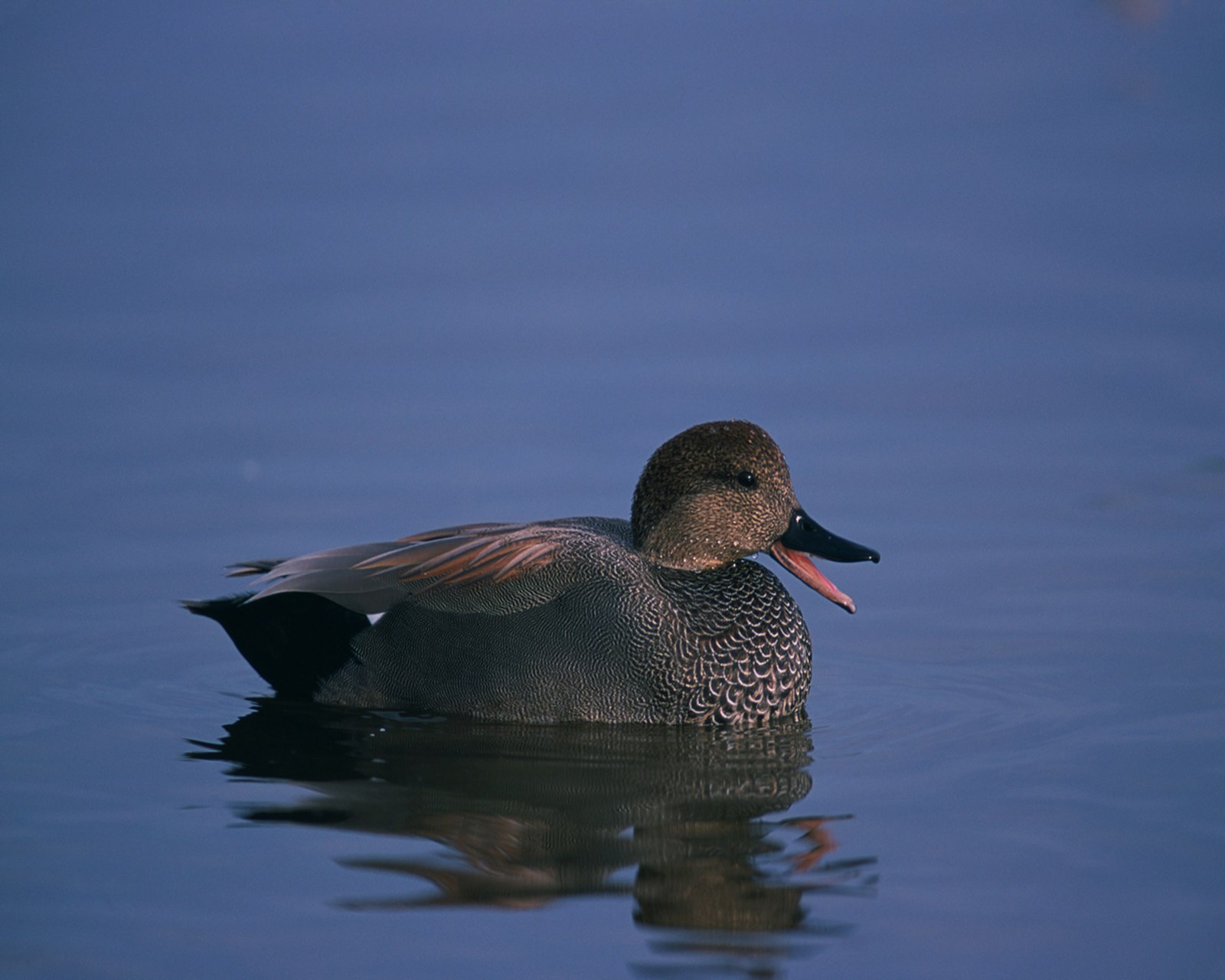
Mareca strepera — a dabbling duck with a white wing patch
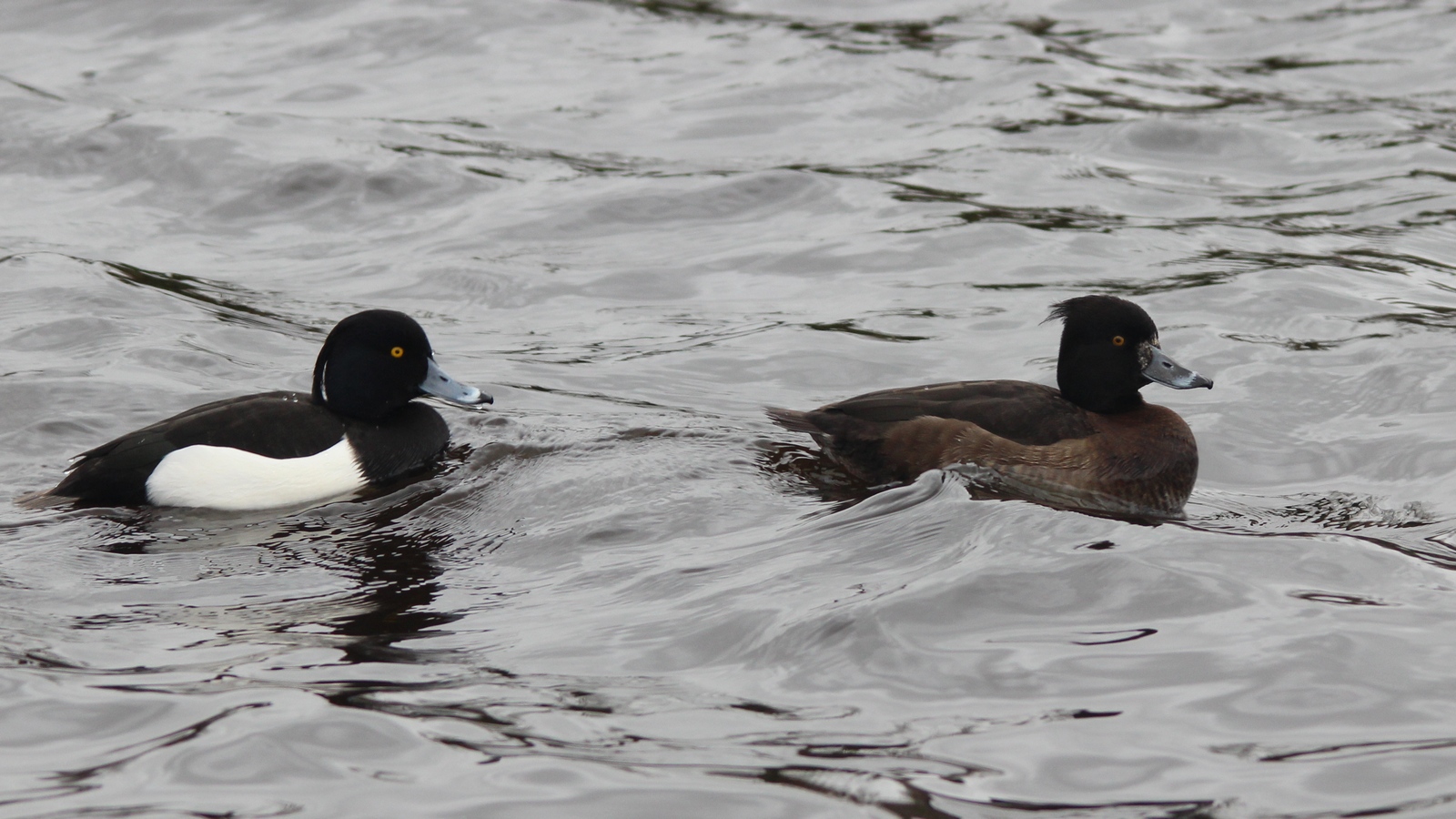
Aythya fuligula — a diving duck on passage and wintering waters
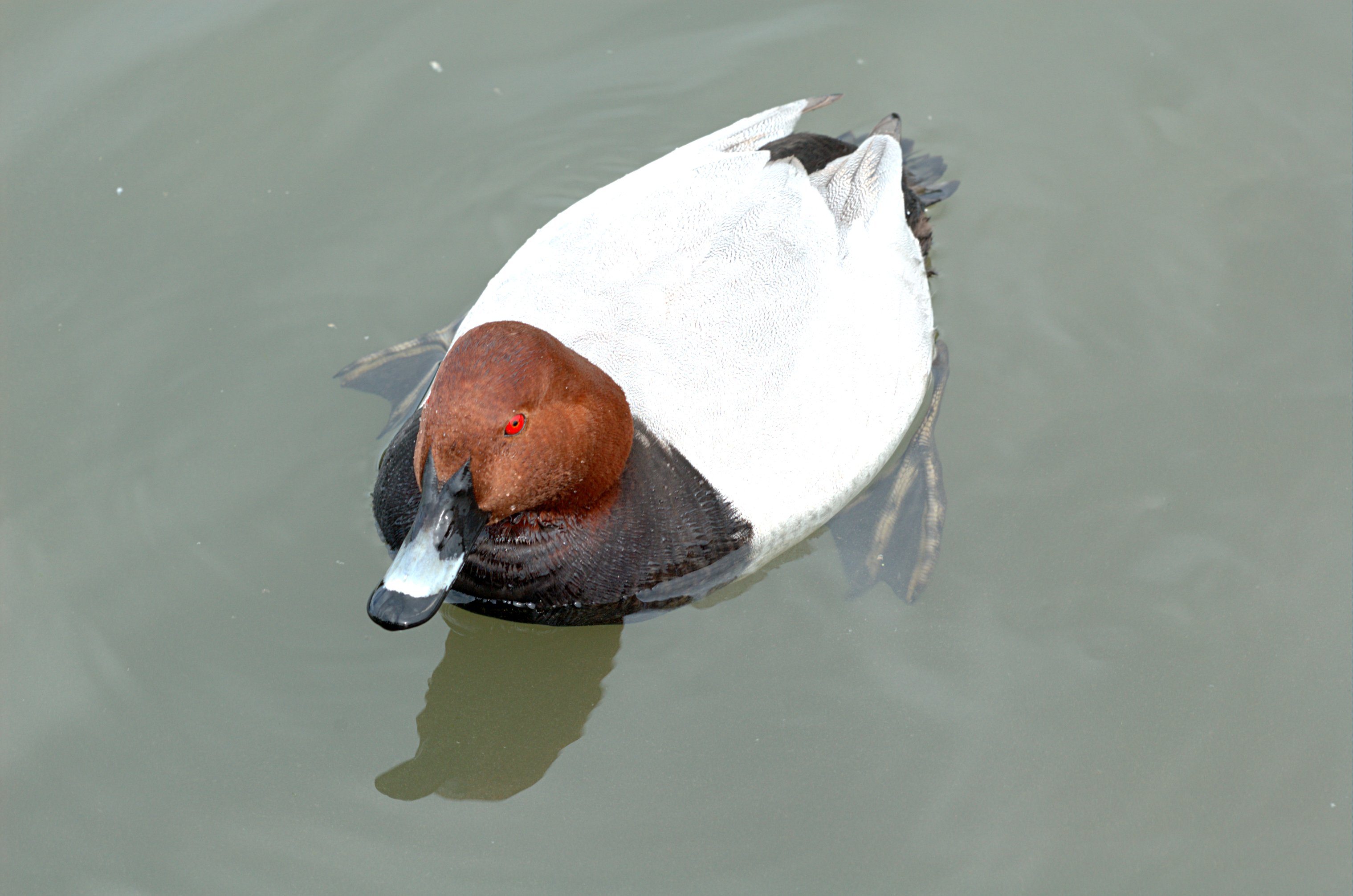
Aythya ferina — a diving duck between migration, wintering and local breeding
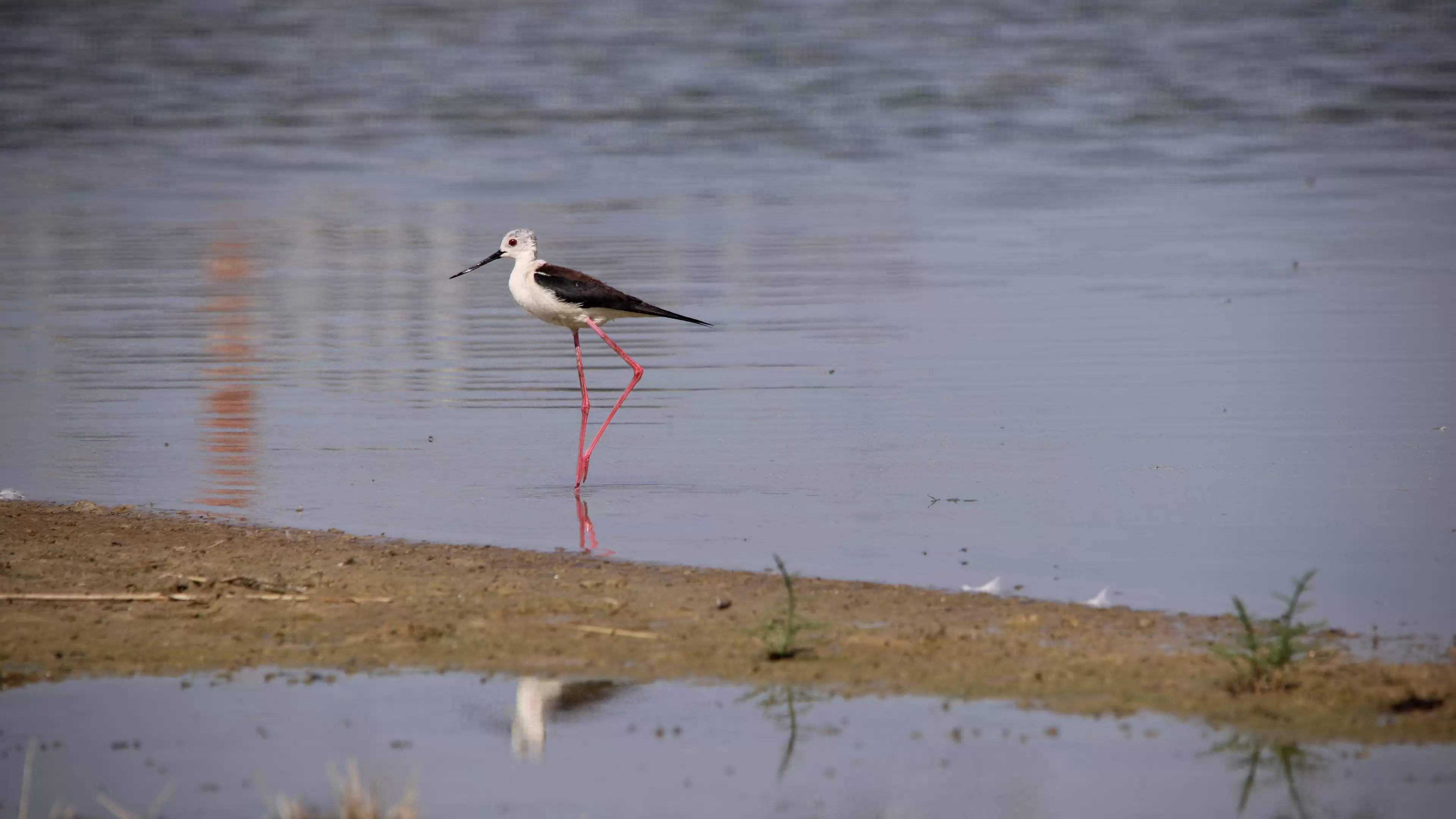
Himantopus himantopus — a long-legged wader, both resident and migrant
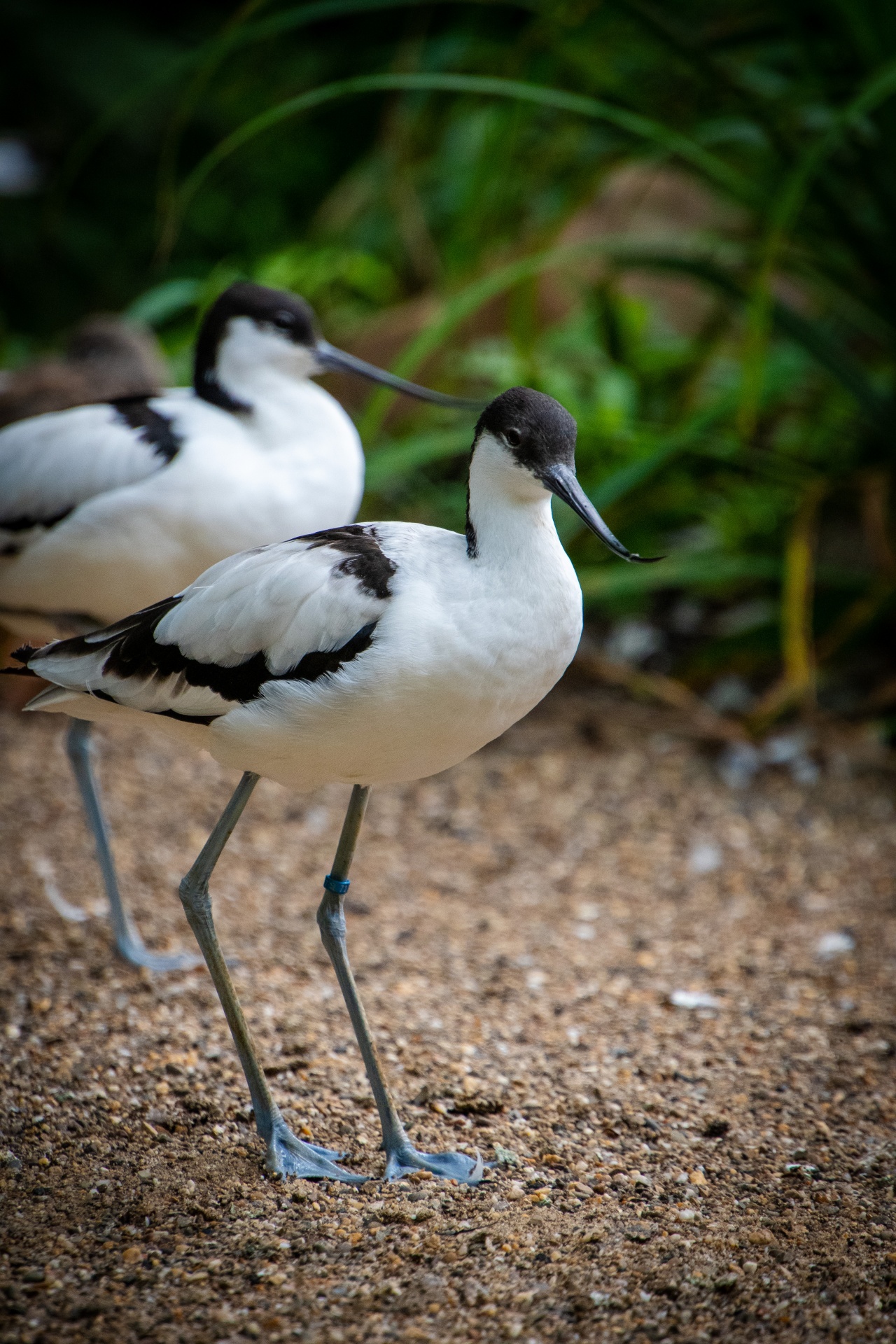
Recurvirostra avosetta — a wader combining migration with local breeding in Arab wetlands.
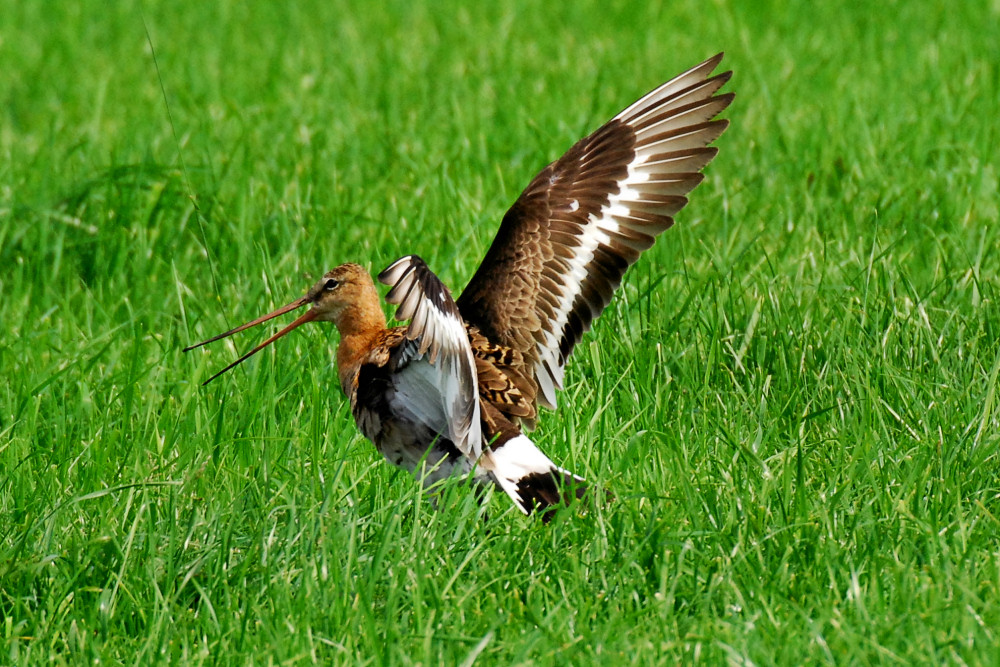
Limosa limosa — a long-billed wader between migration and wintering grounds
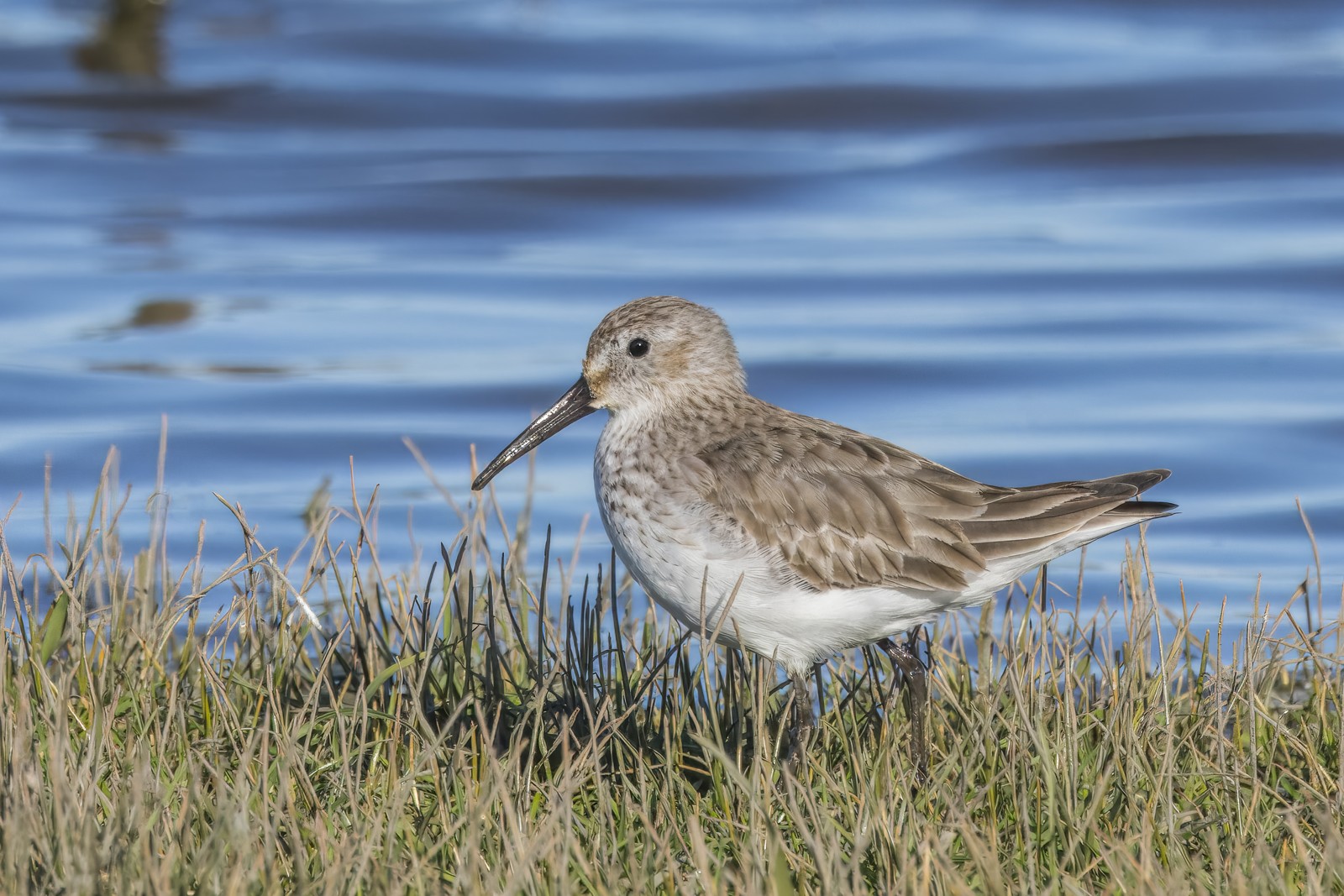
Its plumage changes from a black summer belly to winter grey, while its journeys connect northern breeding habitats with passage and wintering coasts.
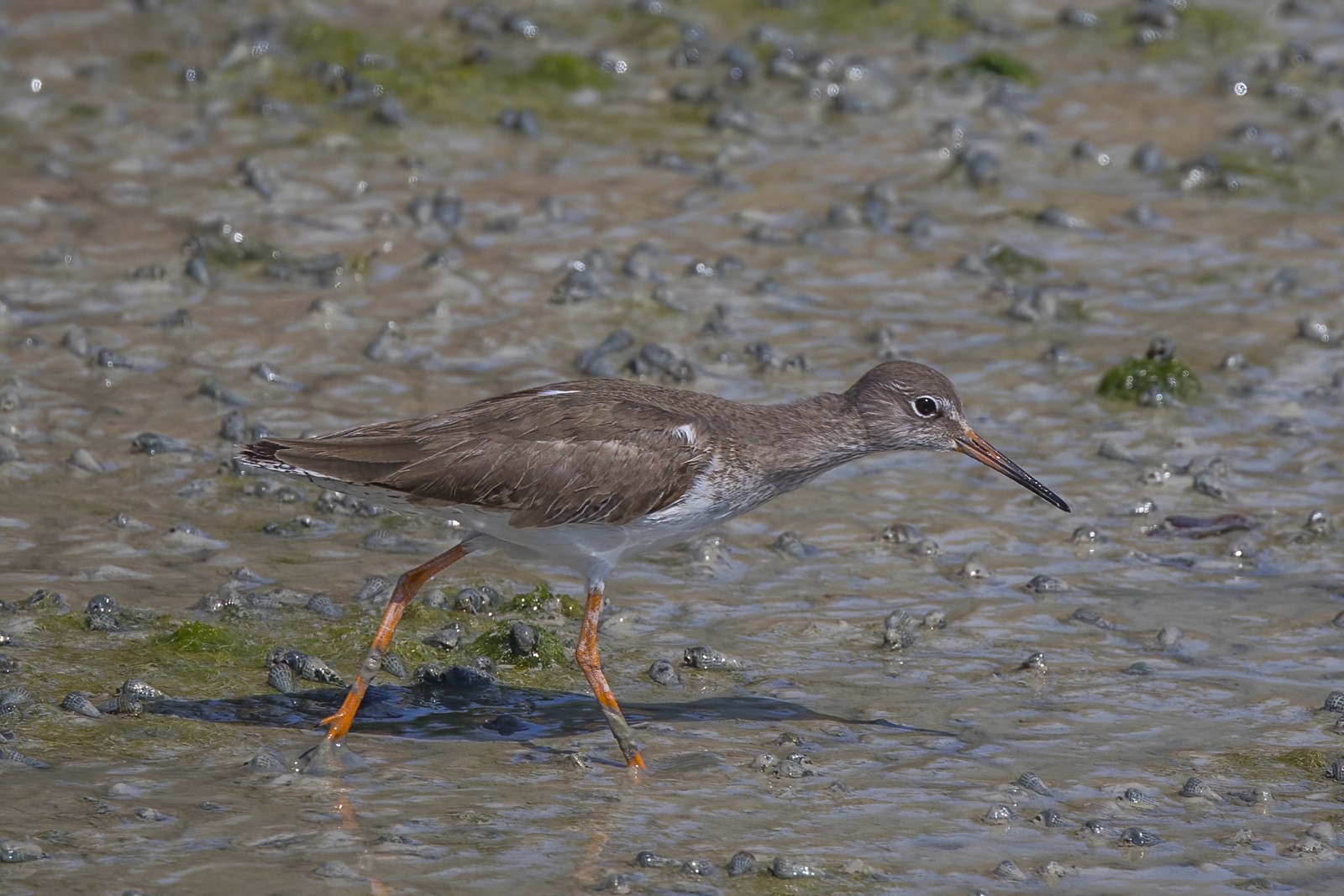
Red legs and a white trailing edge to the wing identify a wader that reaches many Arab wetlands on migration and in winter.
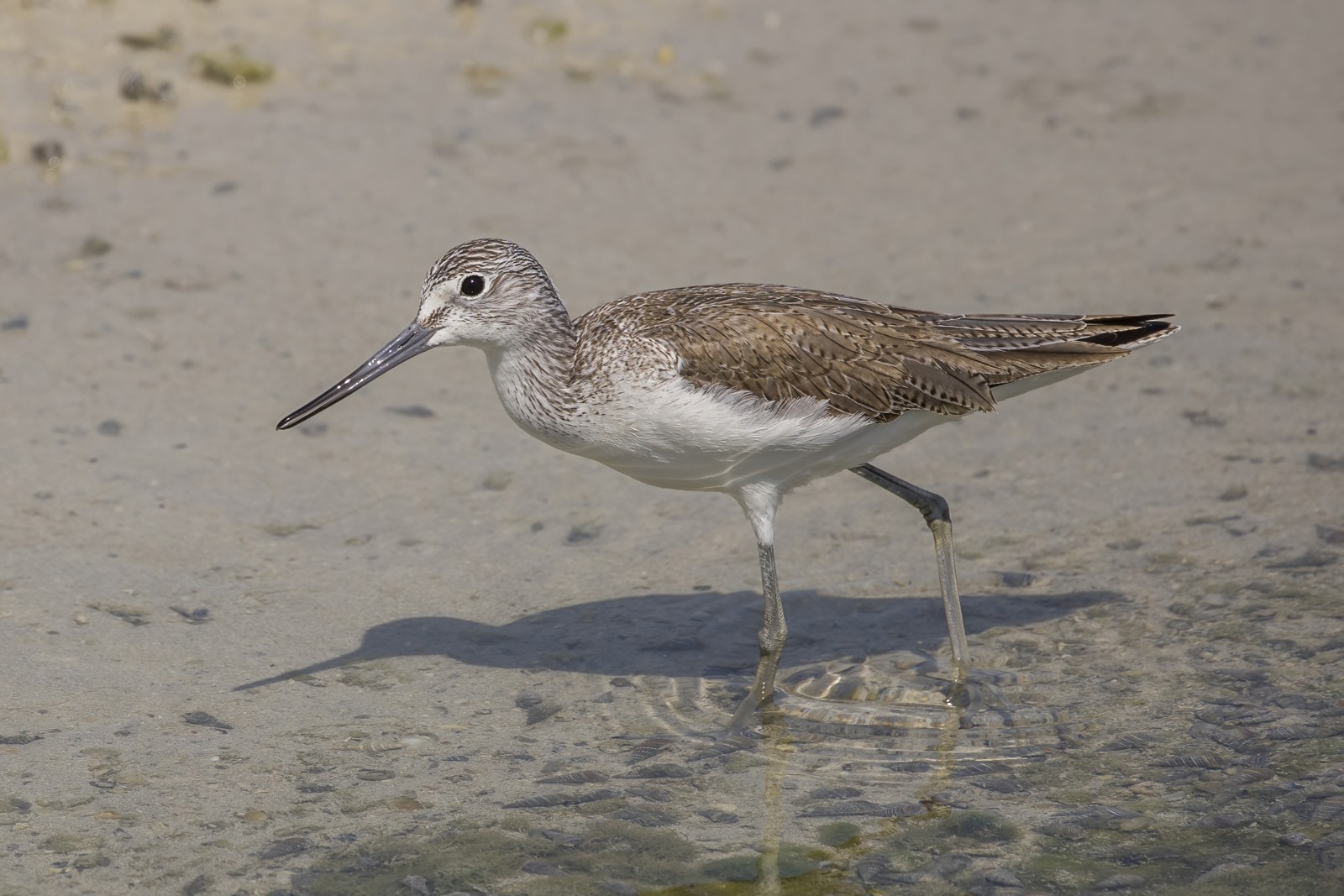
From coasts to inland pools, this migrant combines greenish legs with a bill that turns slightly upwards.
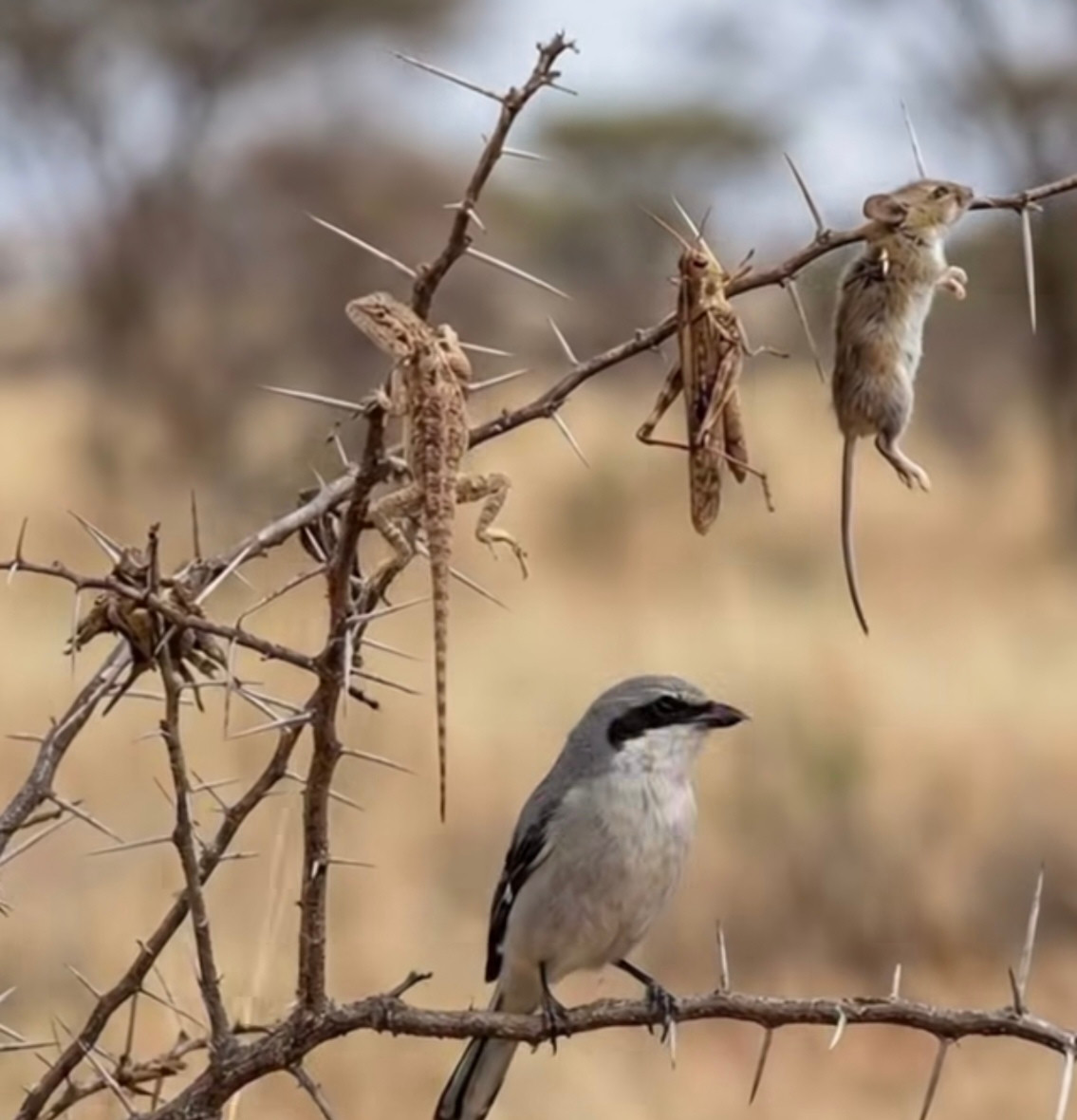
A small bird turns thorns into tools for holding prey and storing food. How does it do it, and where can shrikes be seen in Arab countries?
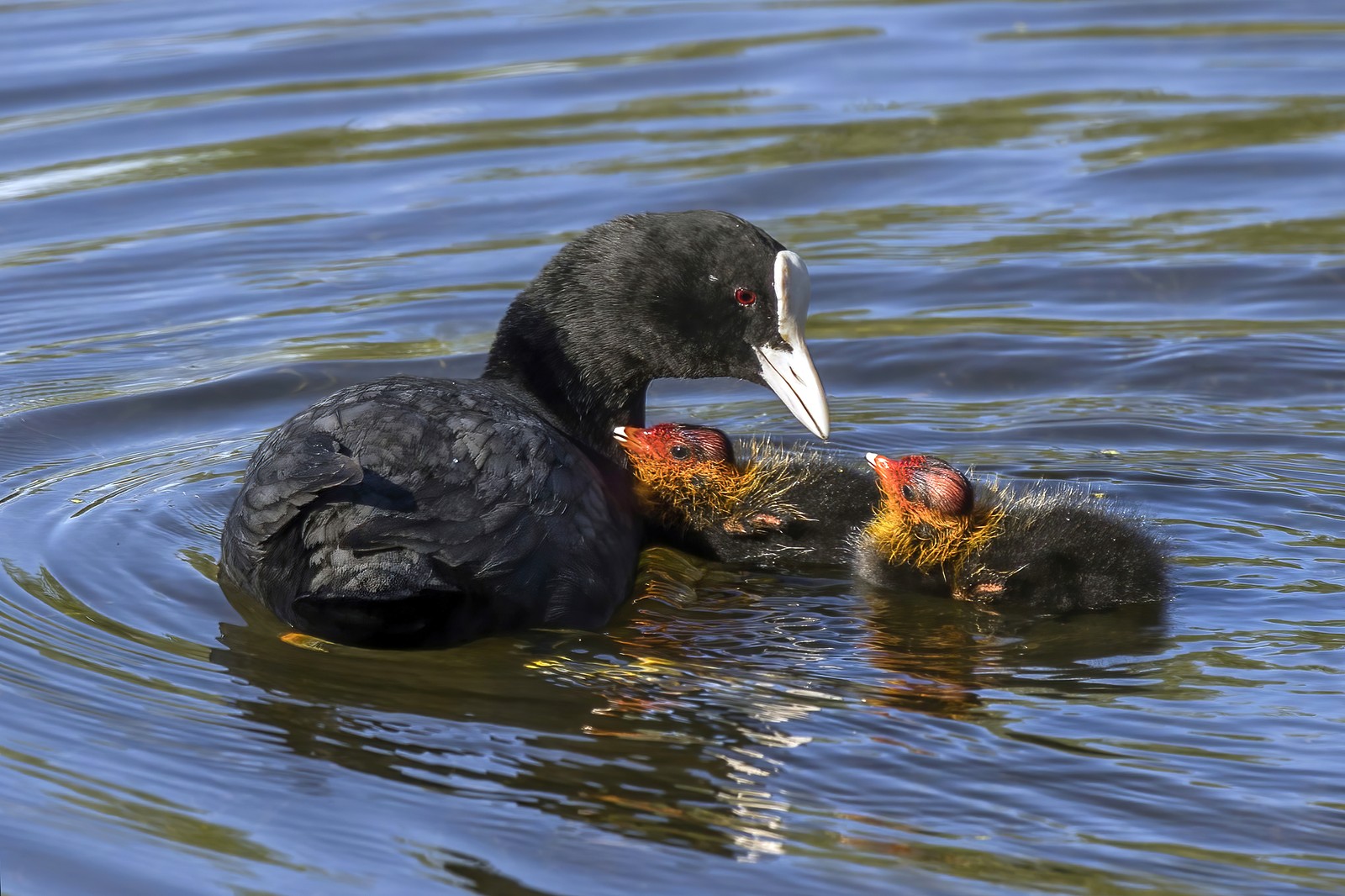
Recognising the Eurasian Coot, its age groups and life cycle, and its Arab-world distribution as resident breeder, passage migrant and winter visitor.
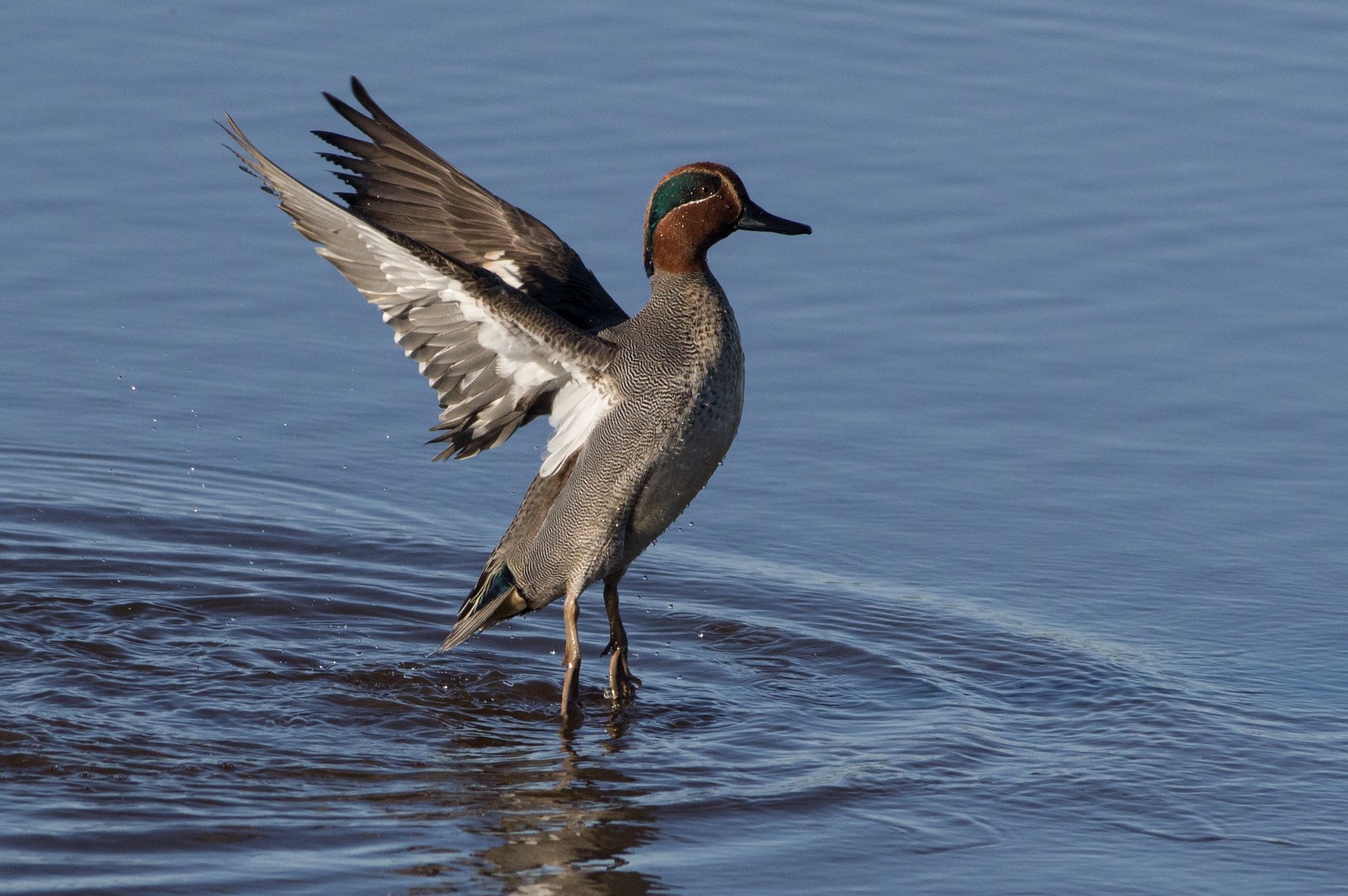
Identification, Arab migration and wintering, life cycle and the taxonomic scope of Eurasian Teal within Anas crecca.
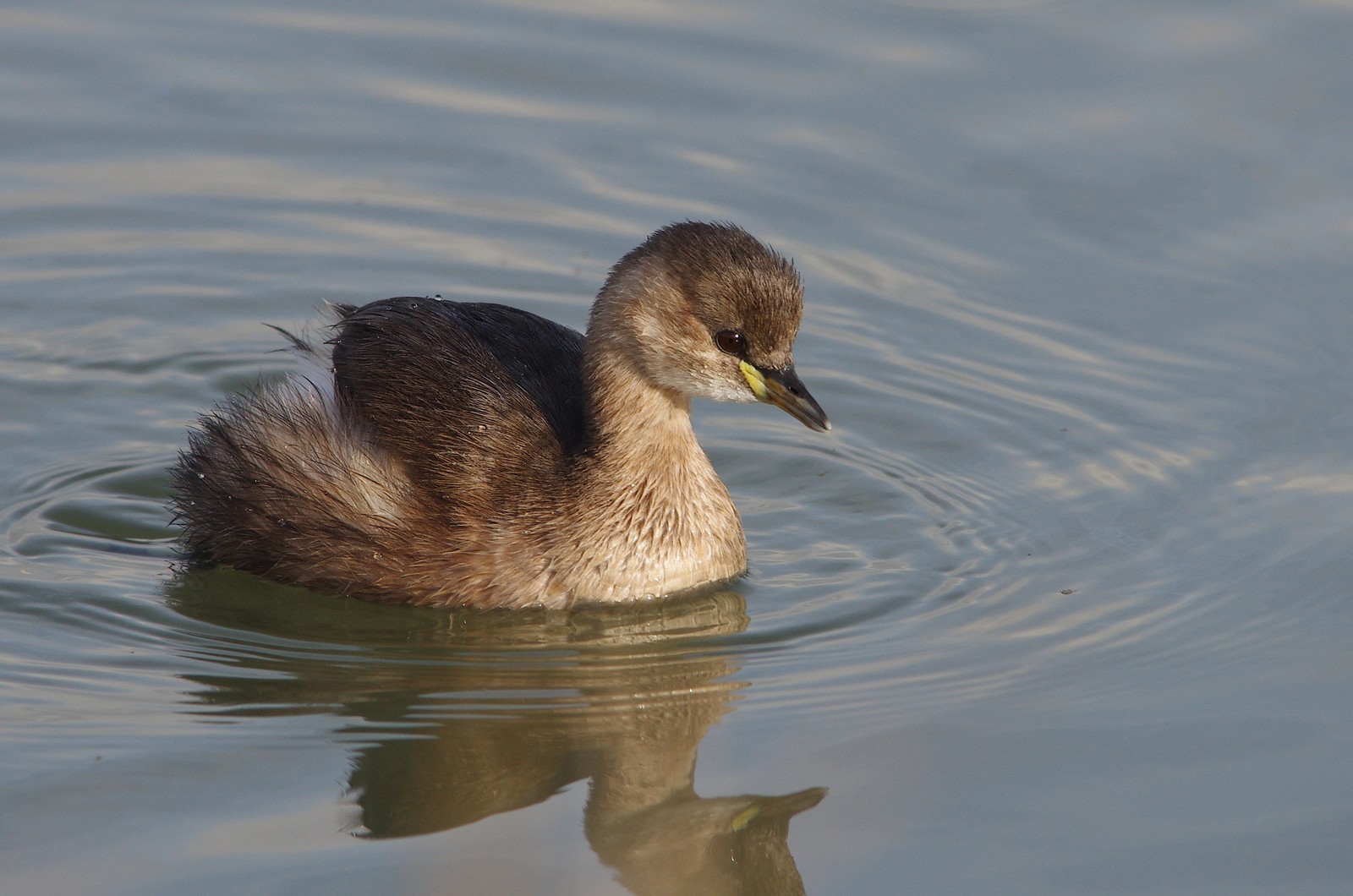
Little Grebe identification, life cycle and Arab seasonal distribution, distinguishing residence, migration and breeding.
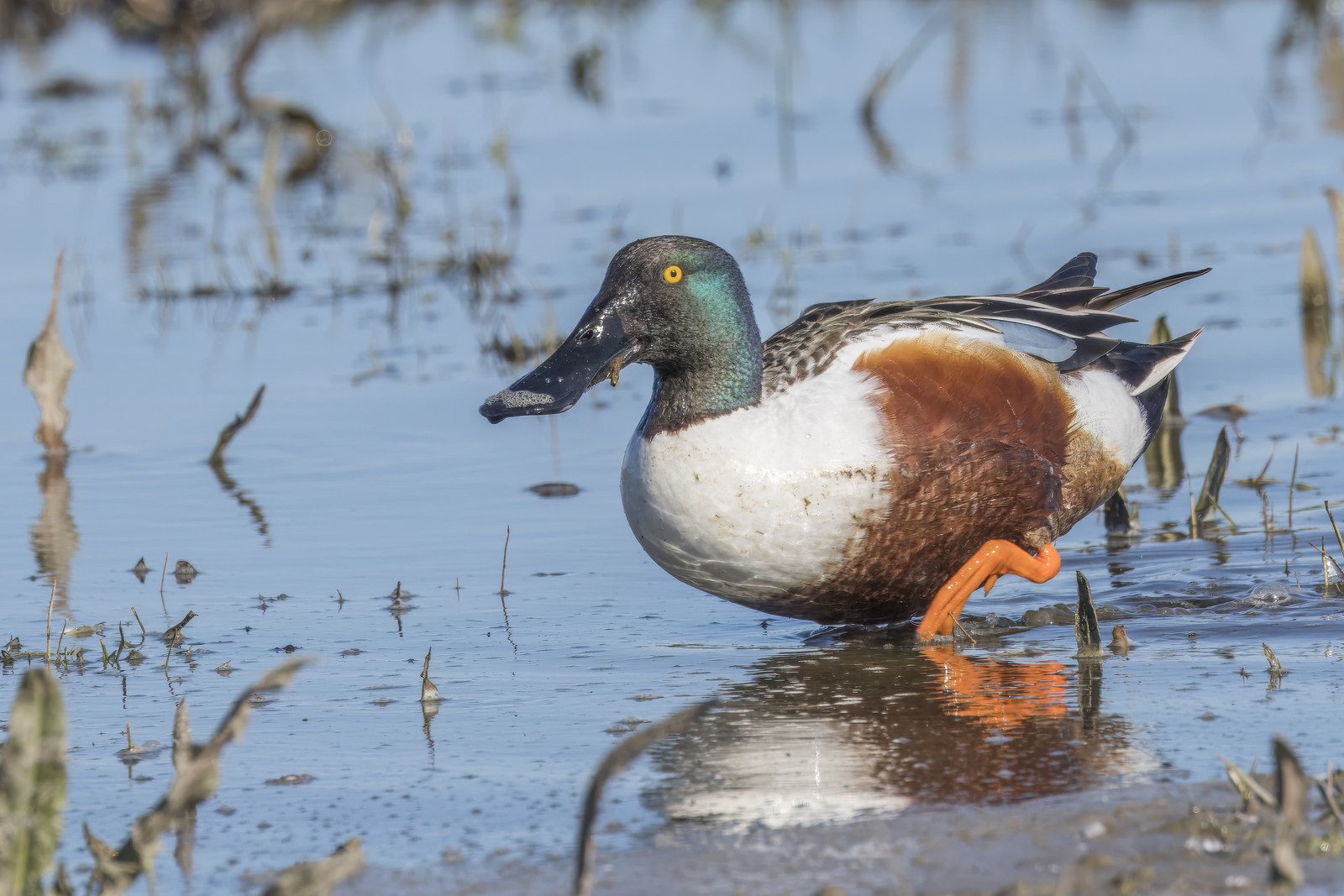
Identification, life cycle and seasonal Arab-world distribution of Northern Shoveler, including the distinction between winter presence and rare local breeding.
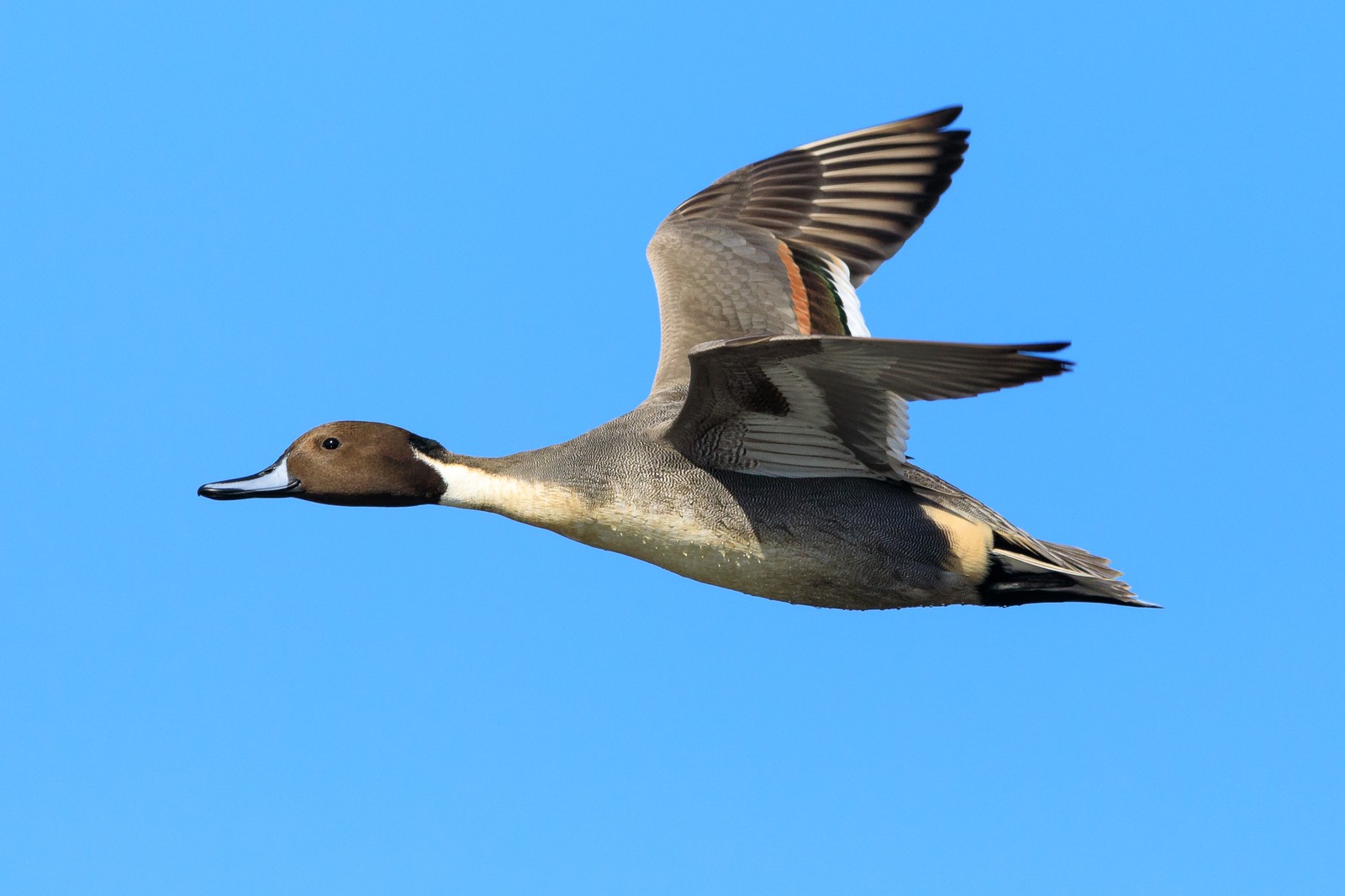
A guide to Northern Pintail identification, food and life cycle, with documented seasonal occurrence from Tunisia, Egypt and Palestine to Saudi Arabia and the UAE.
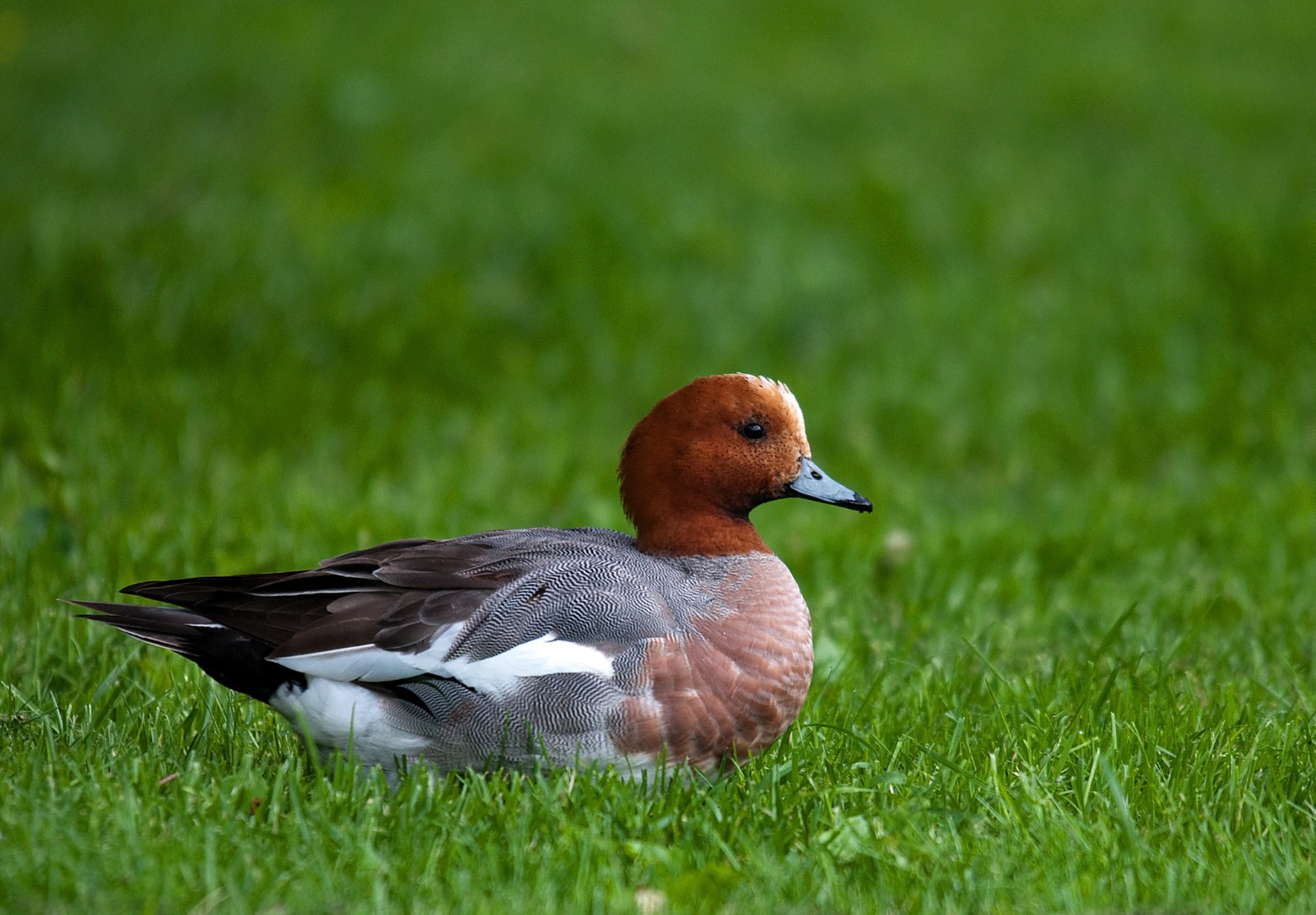
Eurasian Wigeon identification, feeding and life cycle, with documented Arab-world seasonal occurrence and carefully distinguished regional migration dates.
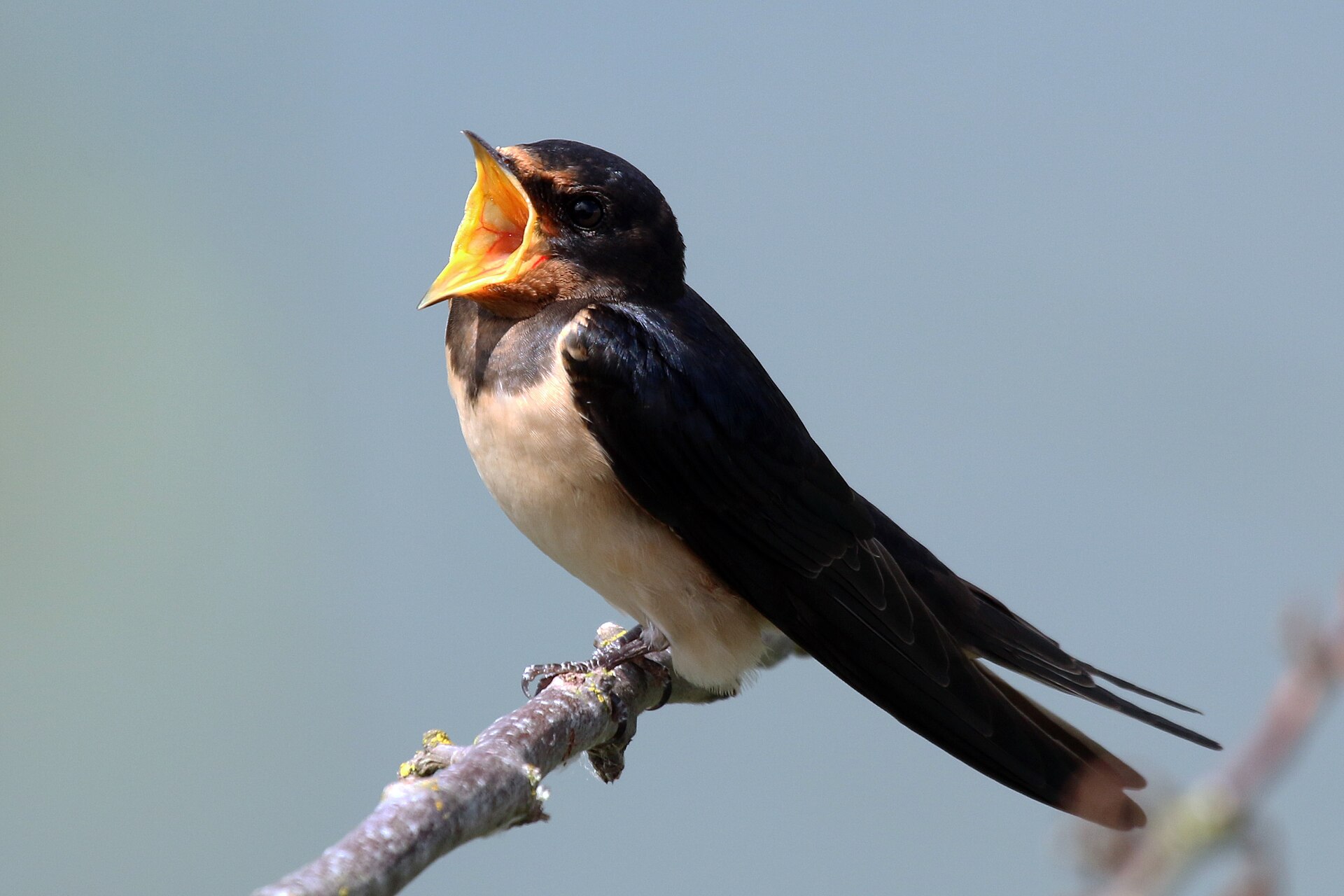
Forked tail, pointed wings and flights over fields and water: a guide to Barn Swallow populations and seasons across the Maghreb, Levant, Egypt and Arabia.
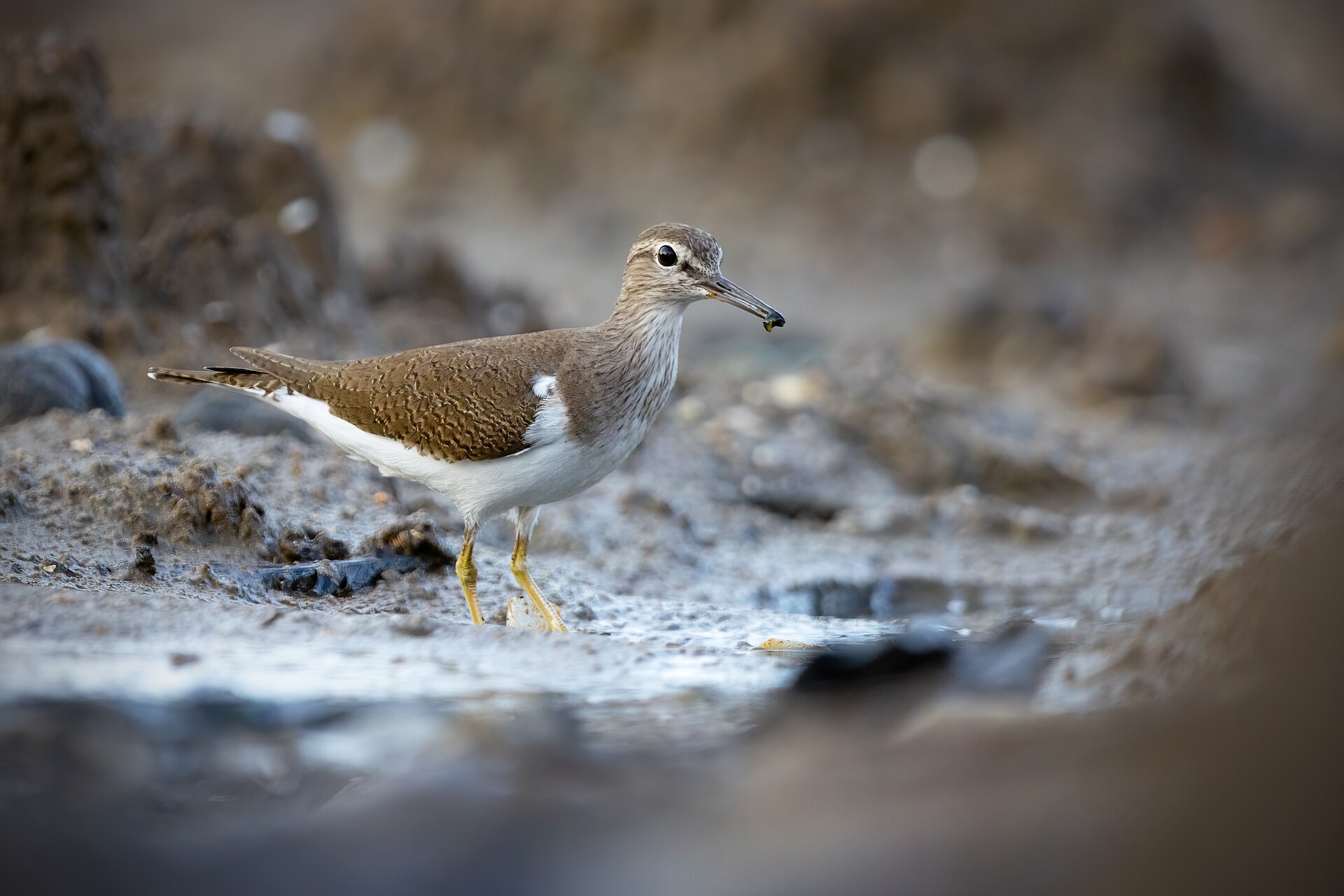
A small wader with a distinctive teetering movement: identification, migration, winter occurrence and habitats from the Maghreb to the Levant and Arabia.
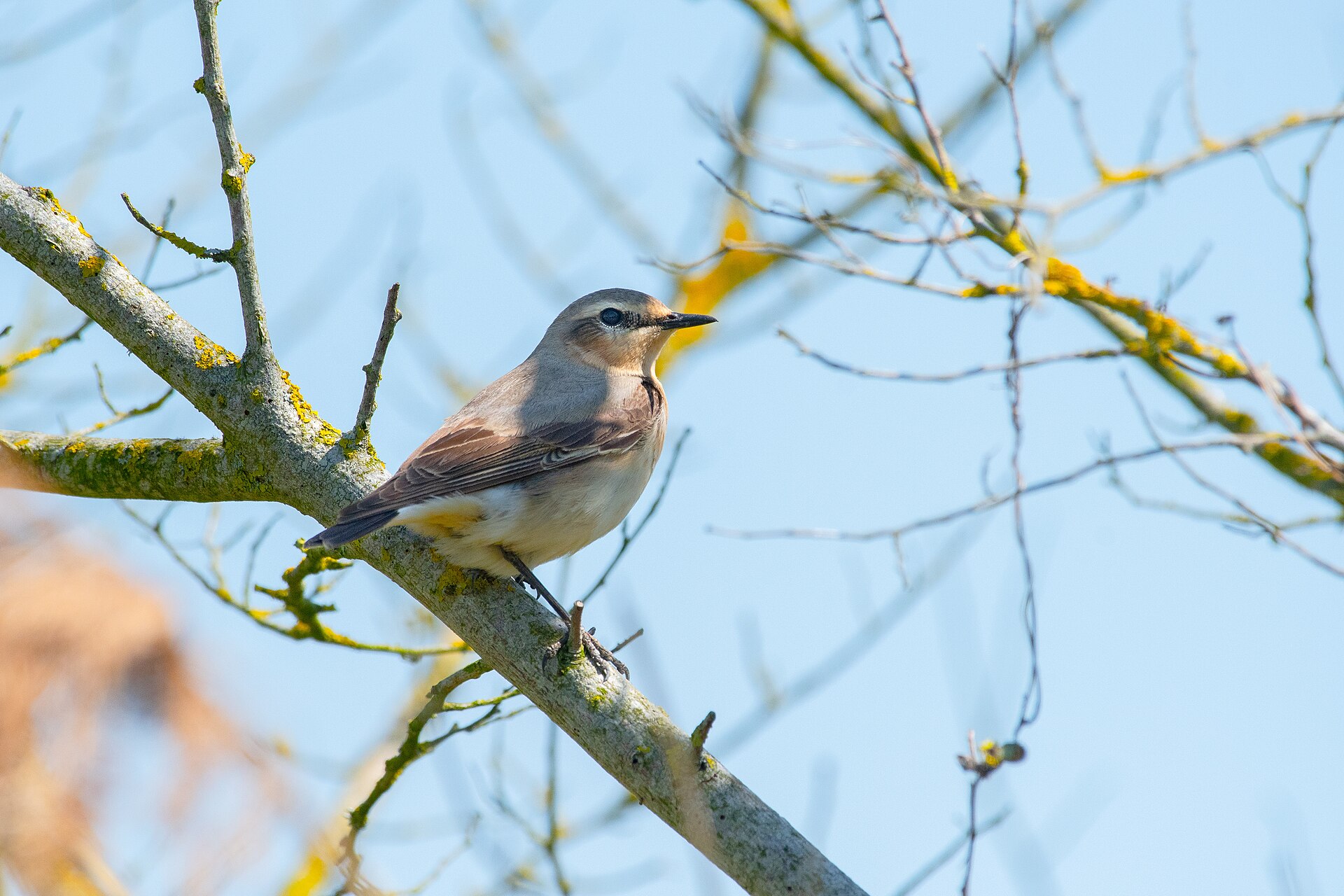
How to recognise Northern Wheatear and understand its passage, breeding and winter occurrence across the Maghreb, Levant and Arabian Peninsula.
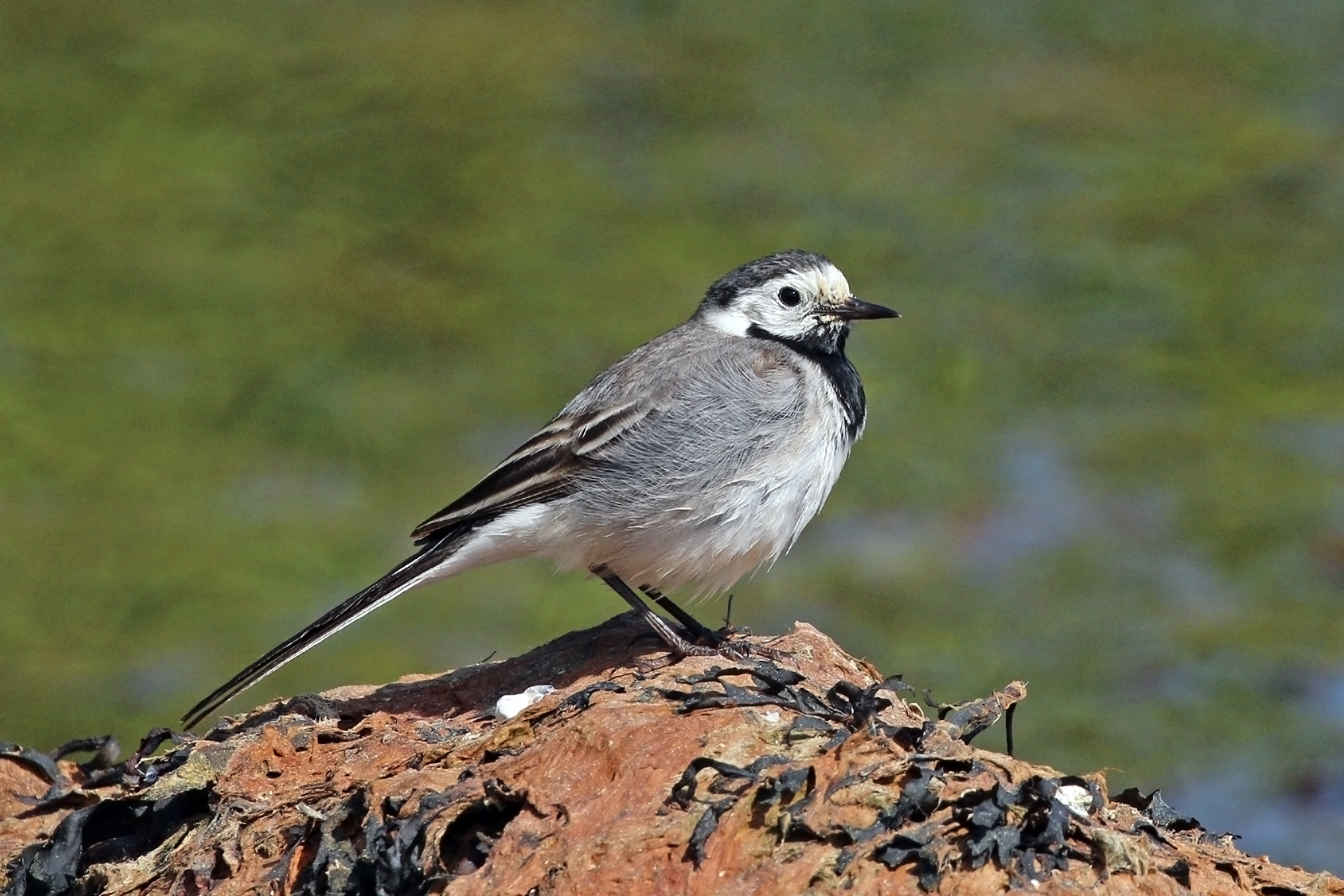
From riverbanks and lakeshores to fields and gardens, the White Wagtail draws attention with its long tail and constant movement. Its Arab-world range…
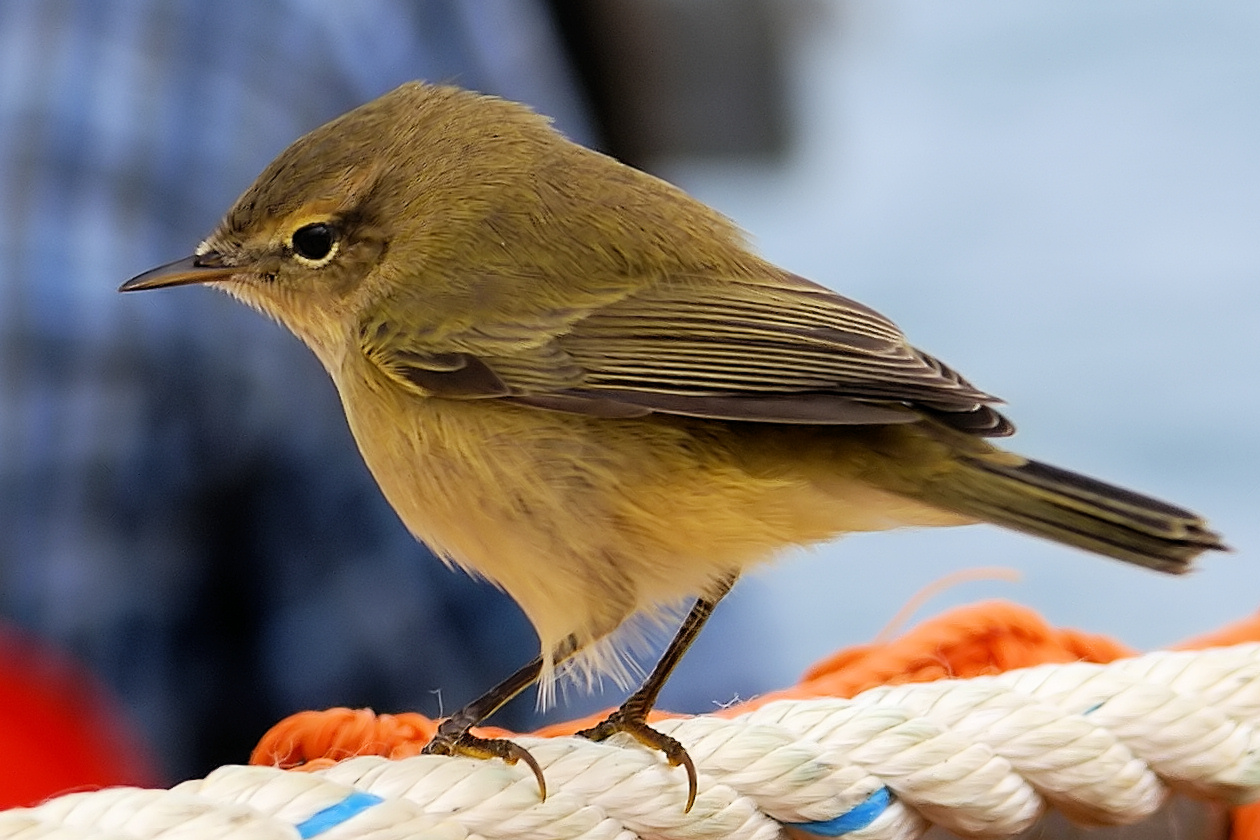
From the Maghreb to Egypt, the Levant and the Arabian Peninsula, the Common Chiffchaff occurs on migration and in winter, with breeding documented in some…
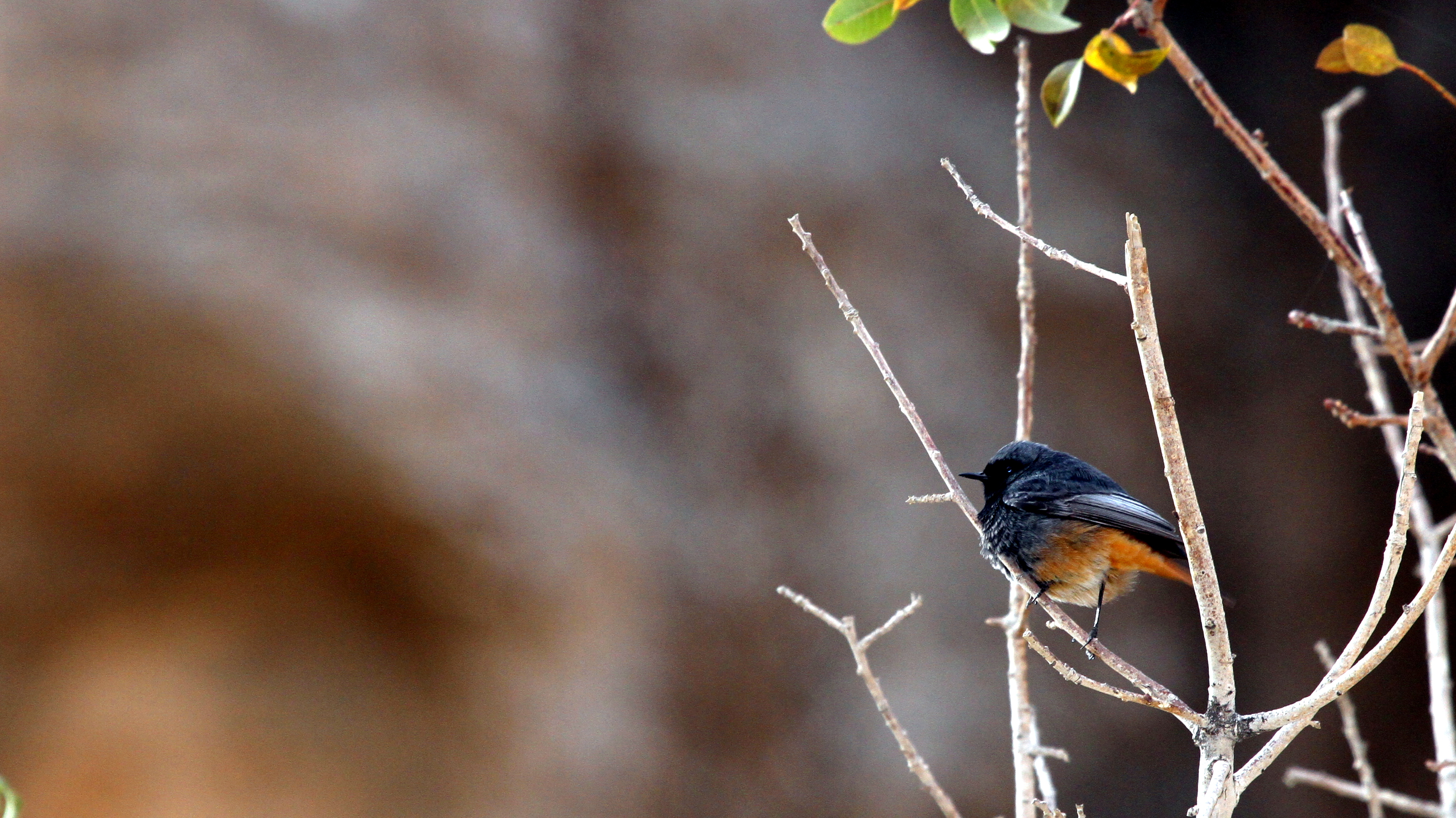
A rusty tail quivers above a rock or old wall, followed by a short flight to the ground and a return to the perch. This movement may draw attention to a…