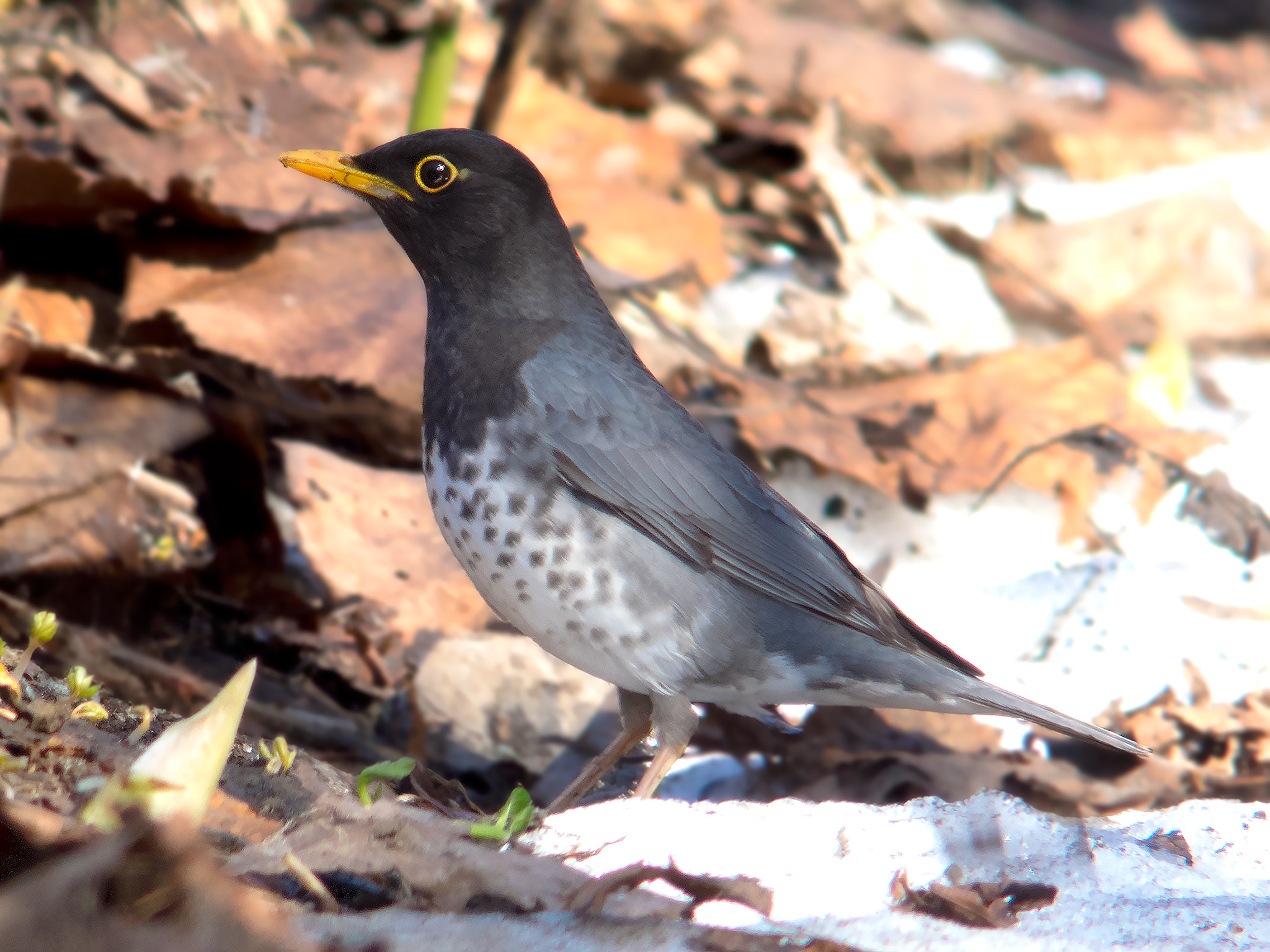
Birds perfume themselves with ants
Experiments on Japanese Thrushes show how ant secretions left on feathers can help keep some insects away.
Experiments on Japanese Thrushes show how ant secretions left on feathers can help keep some insects away.
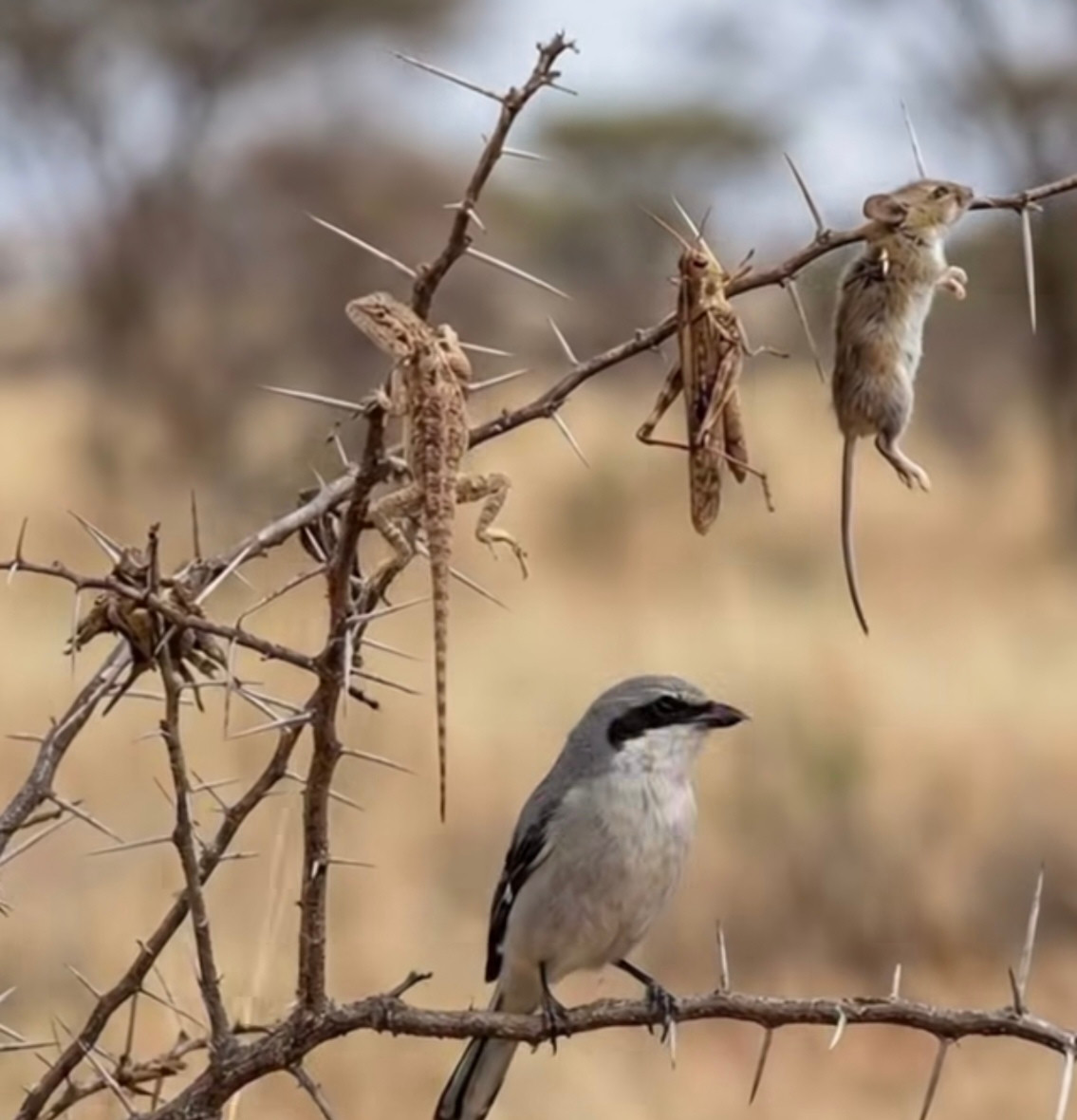
A small bird turns thorns into tools for holding prey and storing food. How does it do it, and where can shrikes be seen in Arab countries?
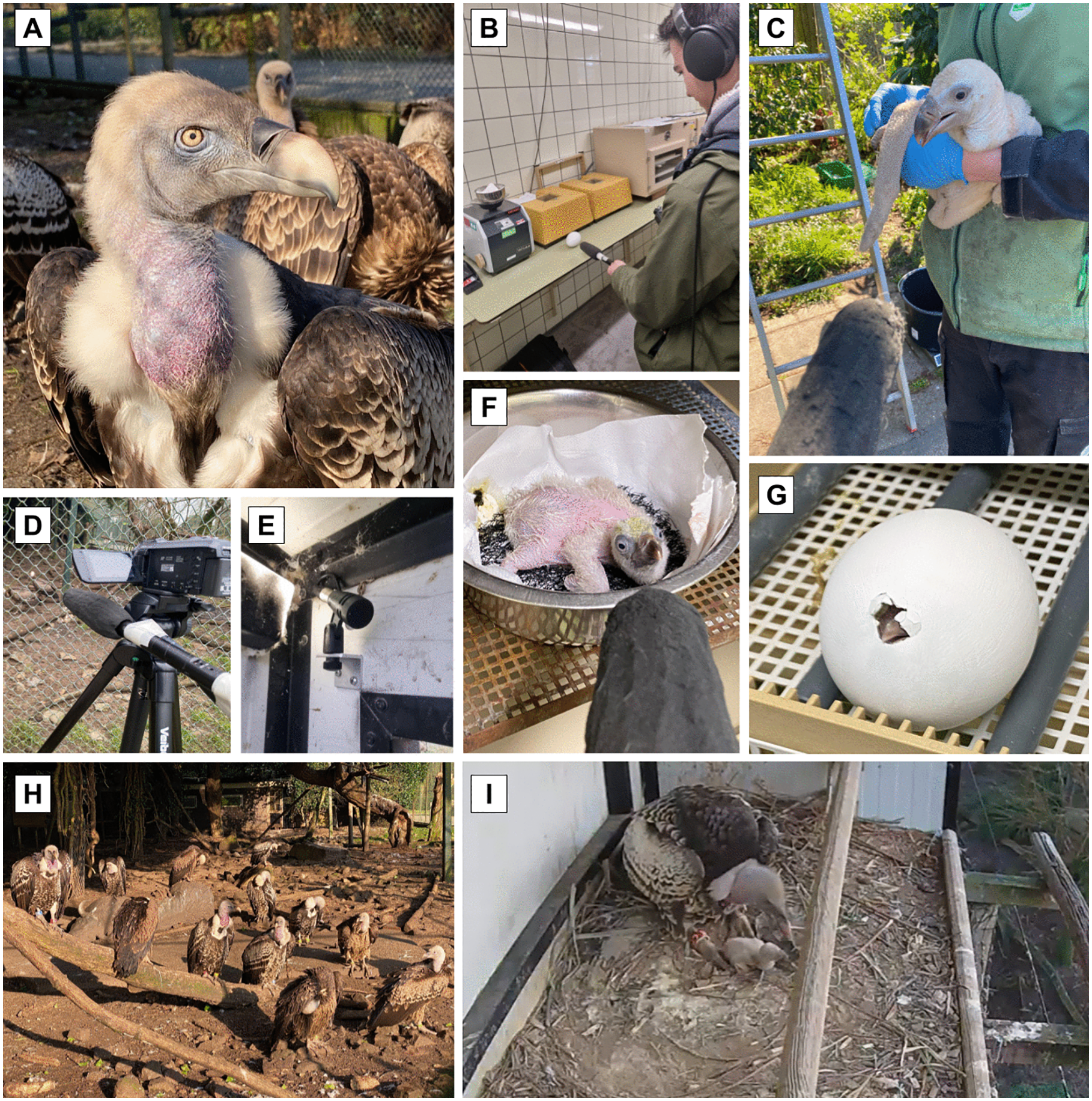
Soft calls from inside the egg reveal the beginnings of a rich vocal world in Rüppell’s vultures—and could open a new avenue for conservation.
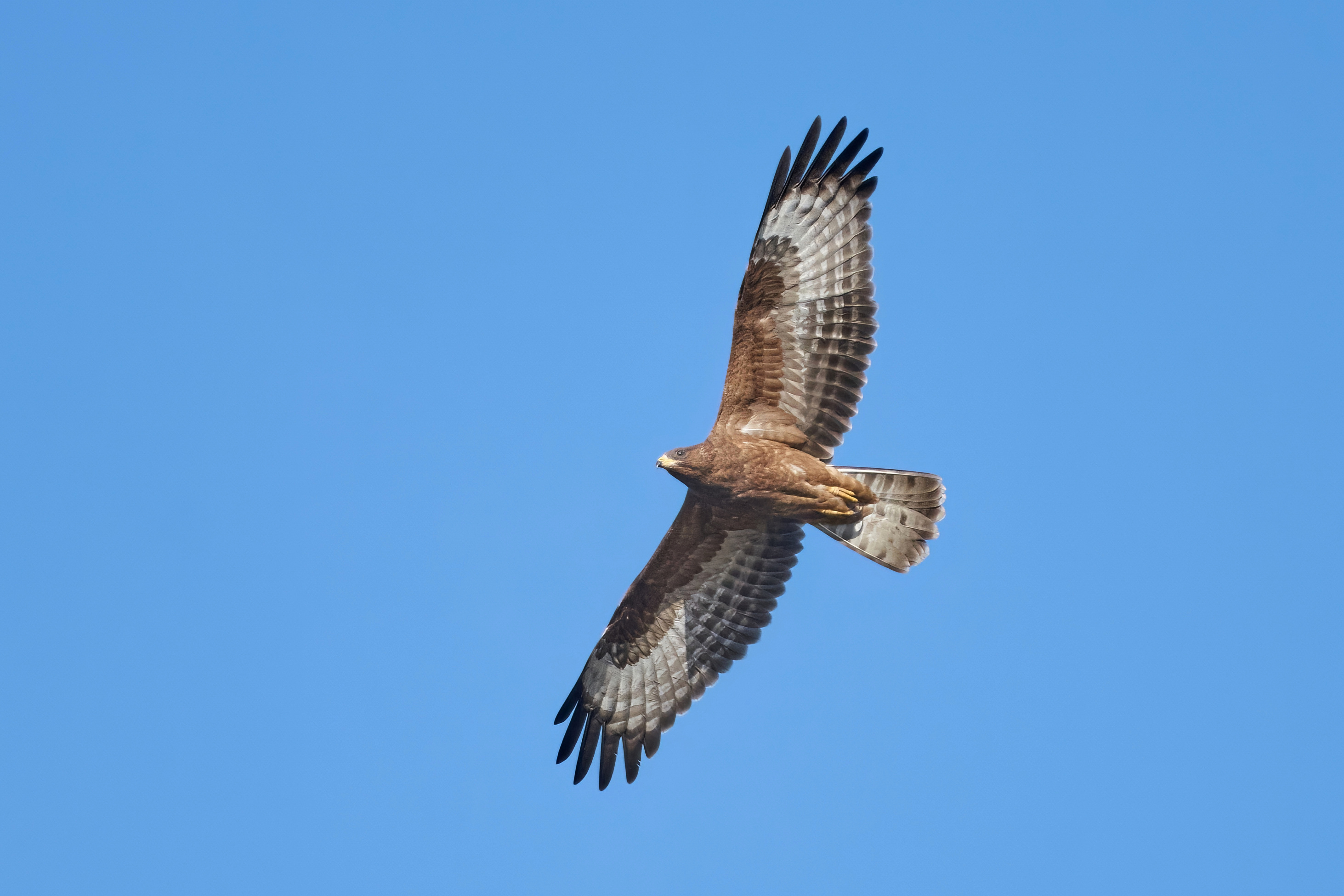
Five male European honey-buzzards breed close together in Poland, then take four migration corridors to Africa.

A Nature Cities study drawing on around 17 million records across 452 North American cities shows how urban bird diversity varies with season and climate.
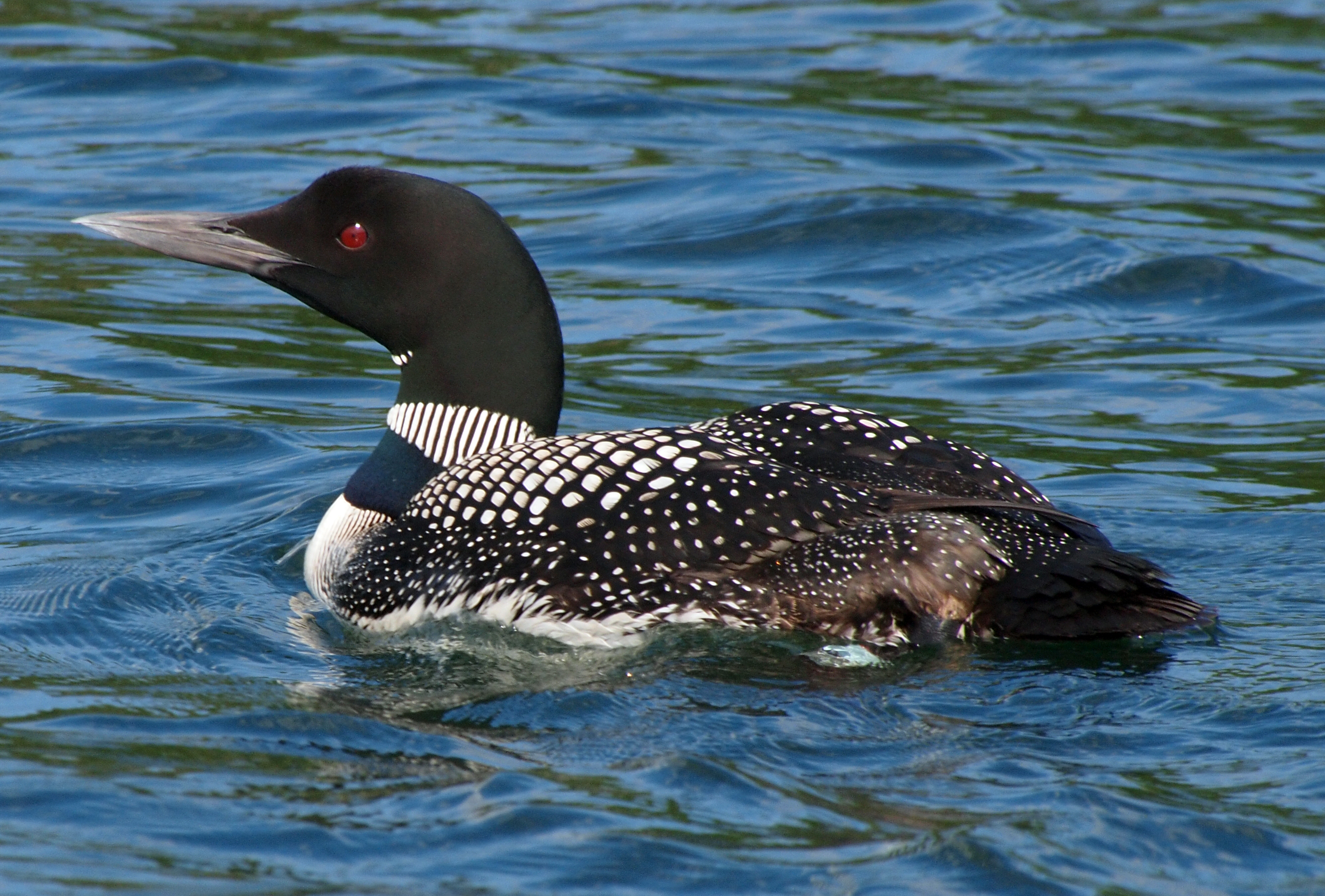
Data from northern Wisconsin link breeding-territory choice to shoreline development on natal lakes, while revealing a different nest response close to hatching.
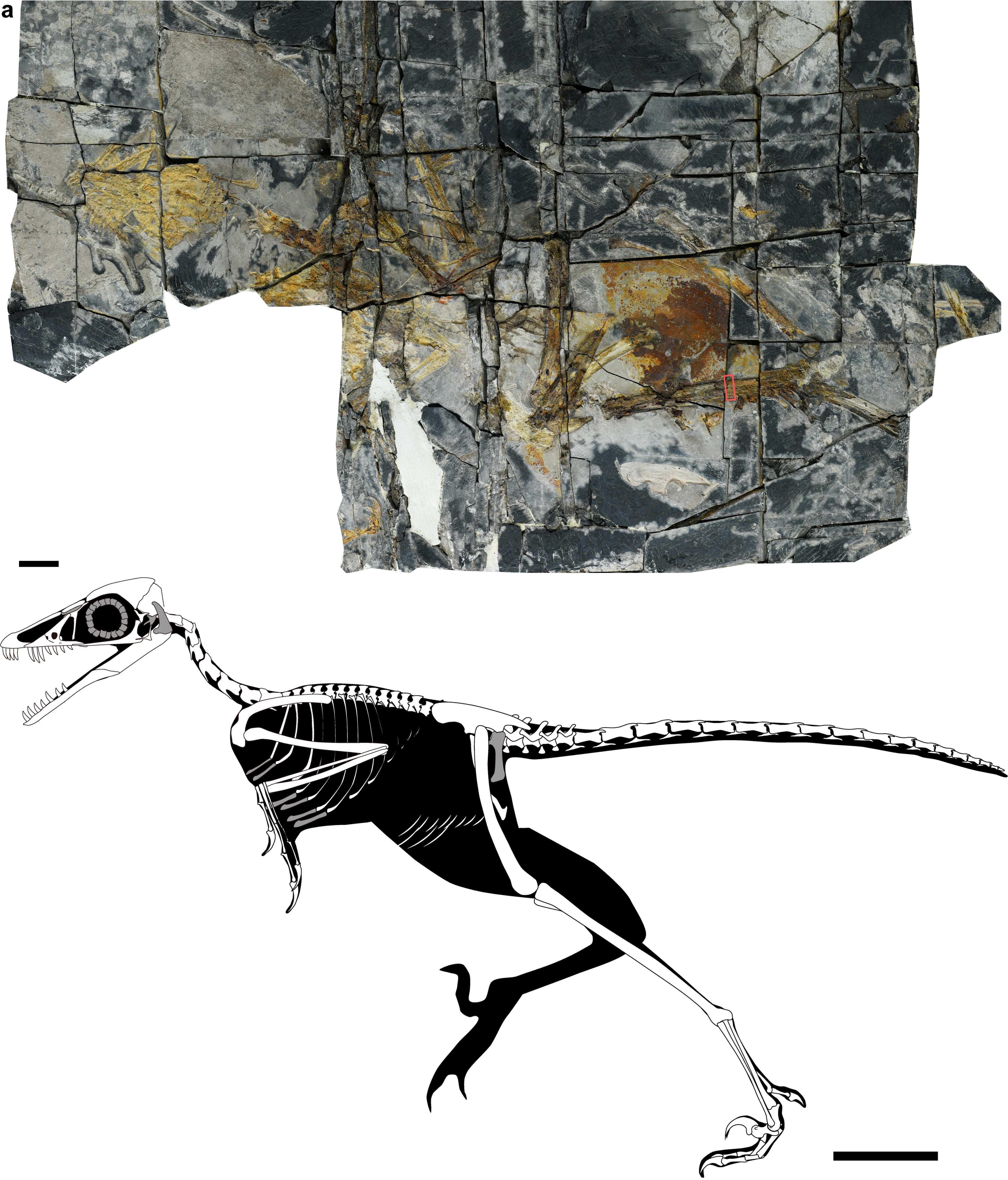
A peer-reviewed Nature fossil study identifies a striking early terrestrial branch of bird evolution.
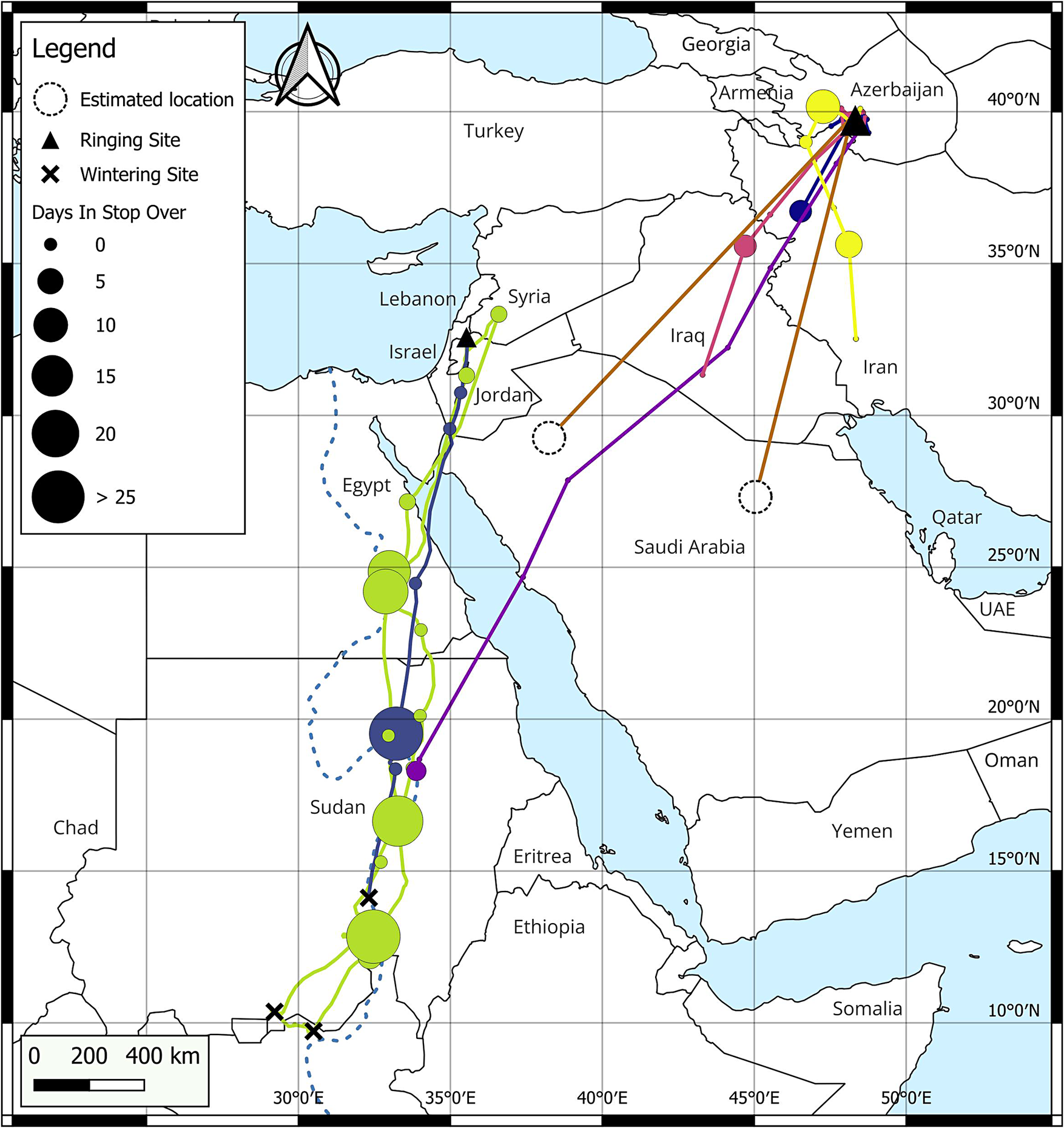
GPS data reveal sea and desert crossings, critical stopovers and substantial gaps in knowledge.