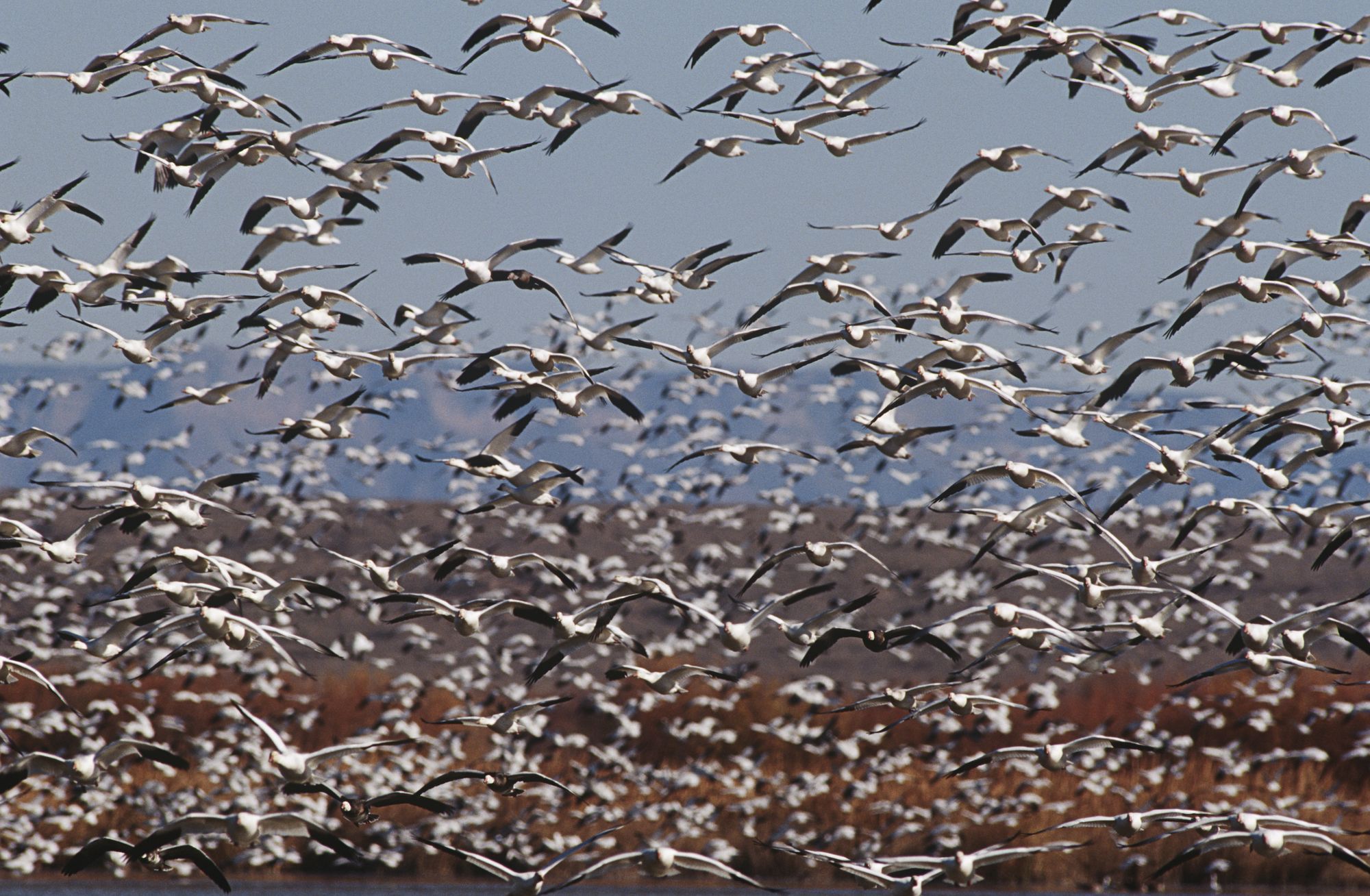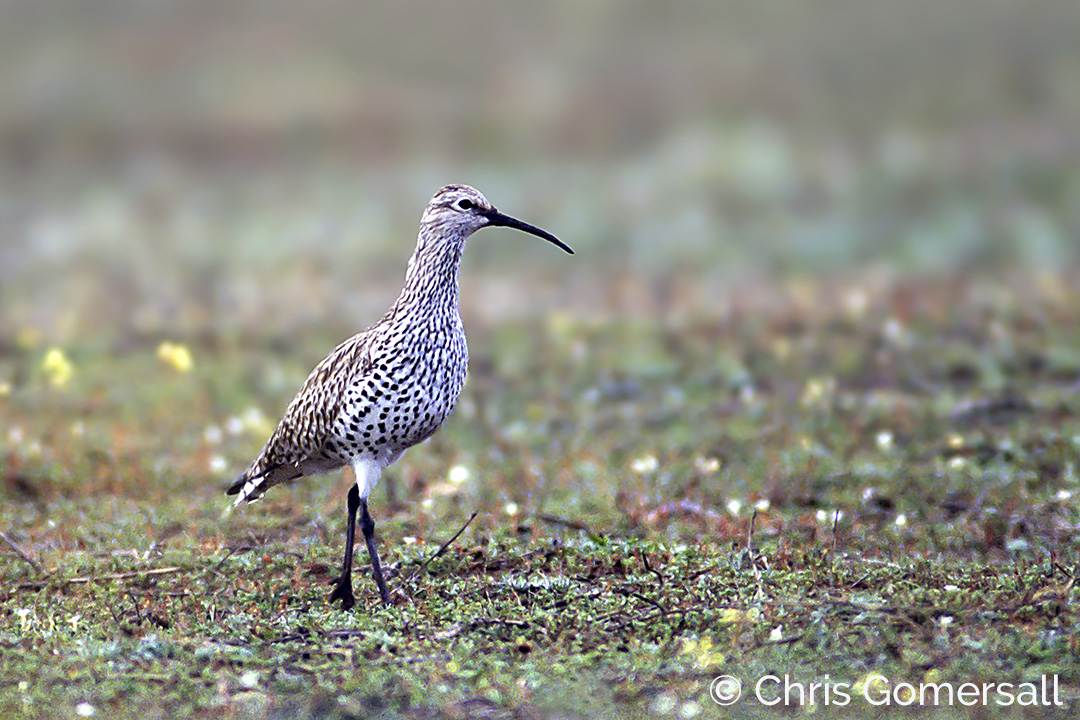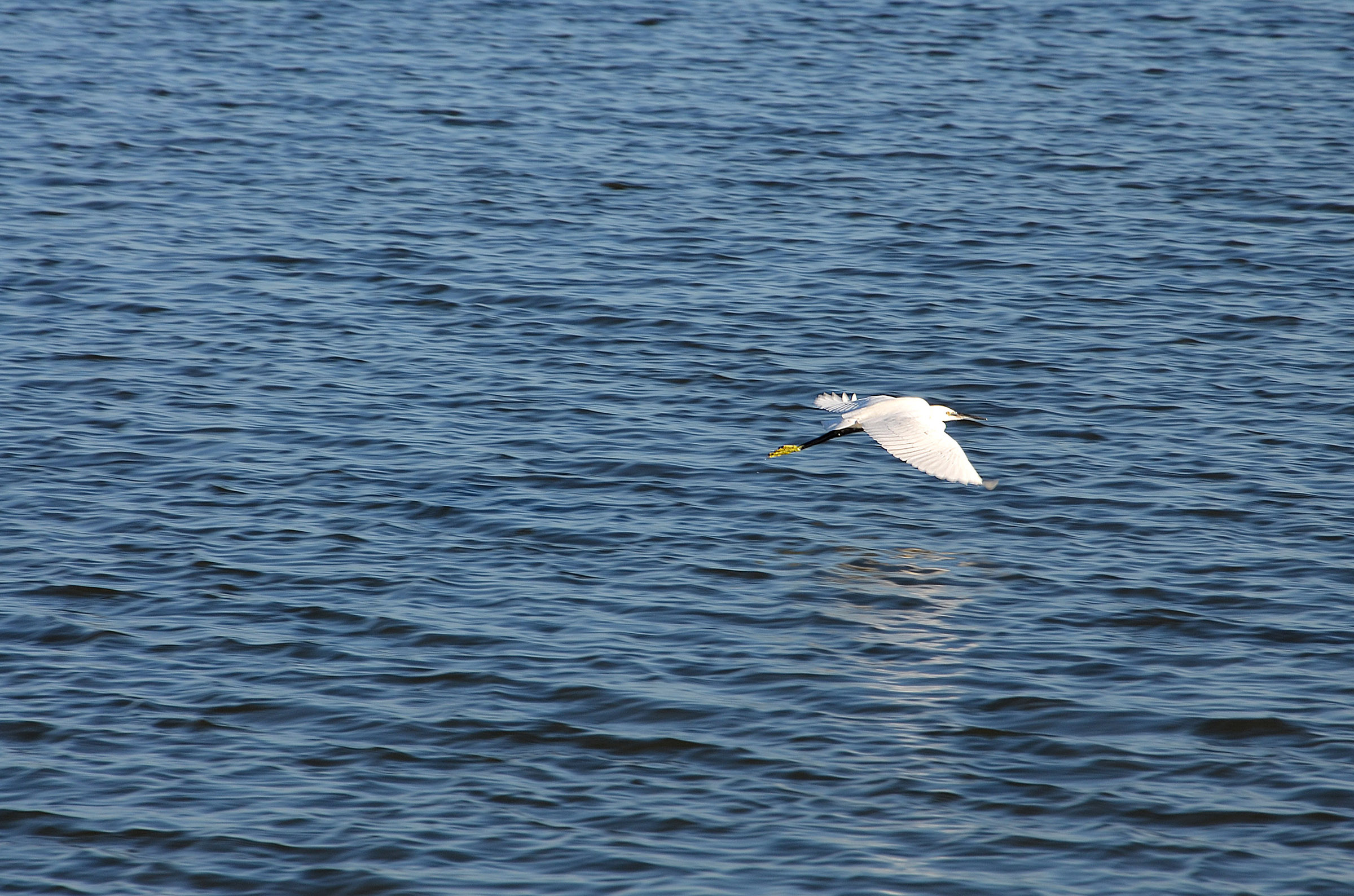
Libya: three-year hunting ban for wild animals and birds in Sirte
The decision covers the city and surrounding areas, including coastal and inland areas and reserves
48 stories
The decision covers the city and surrounding areas, including coastal and inland areas and reserves
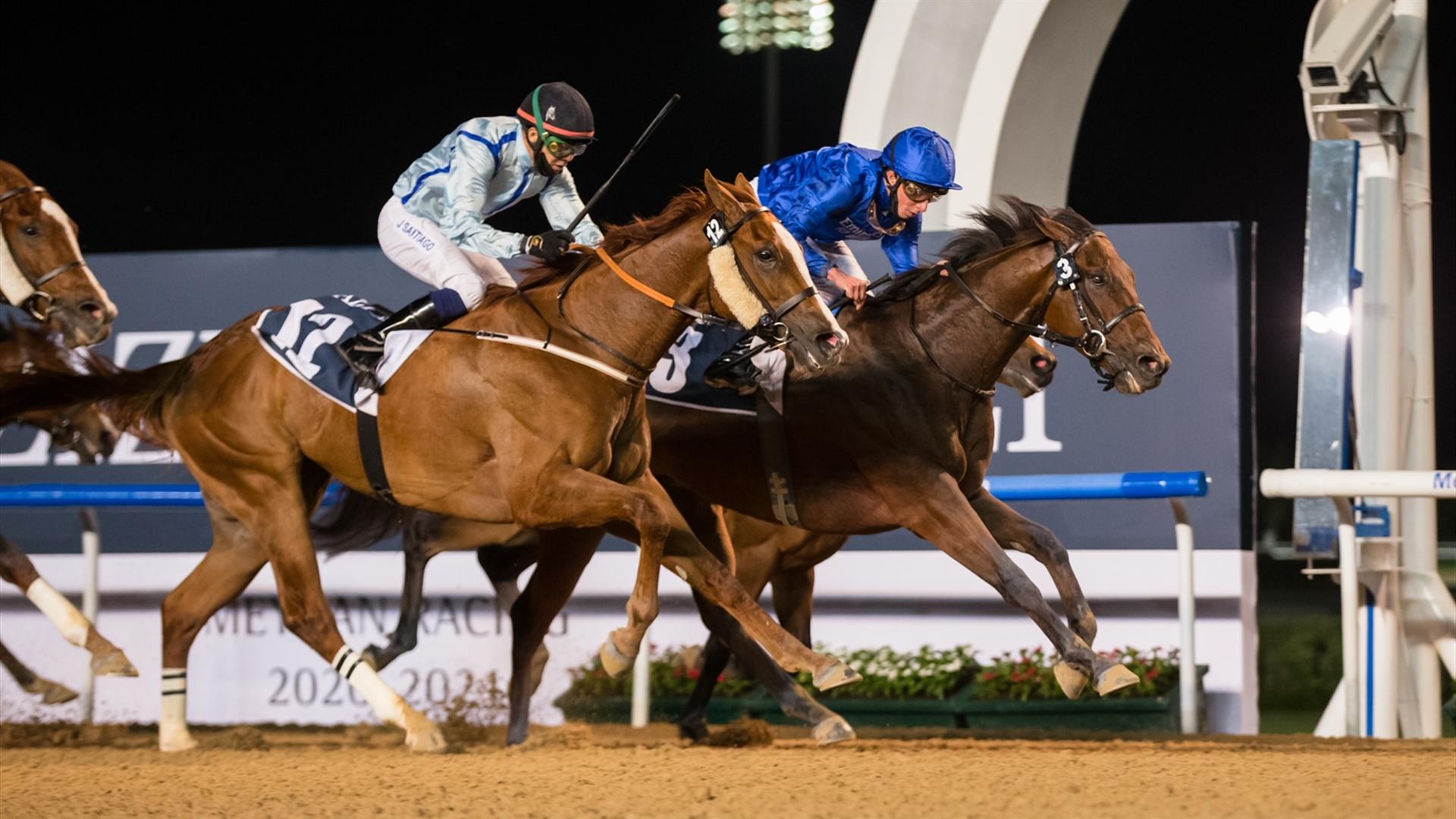
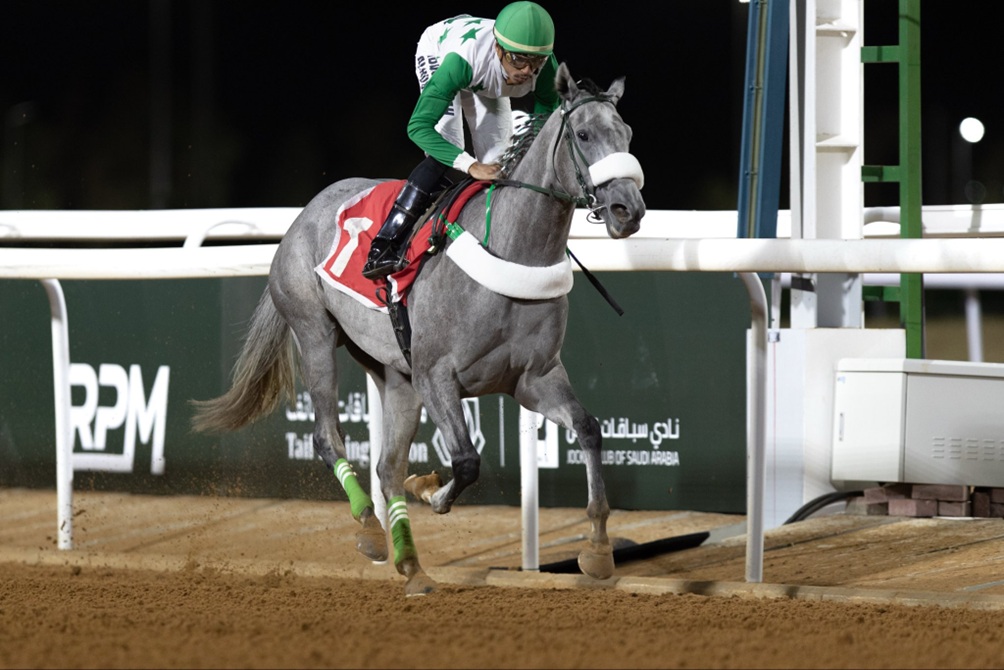
Al Monif fields two horses on the opening night of the 16-meeting season.
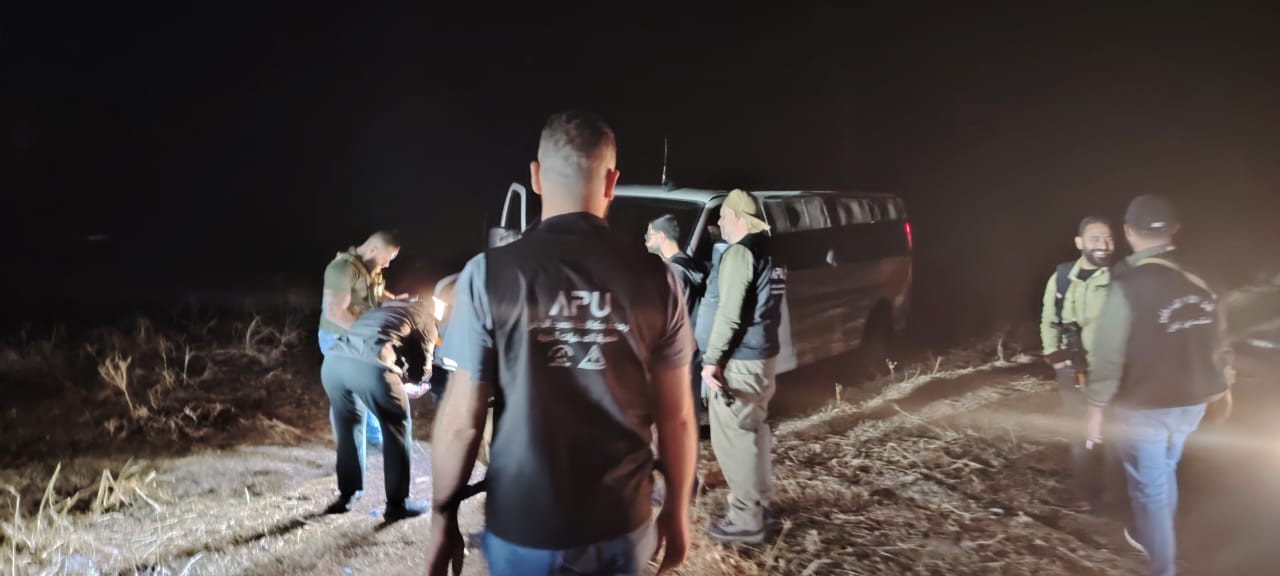
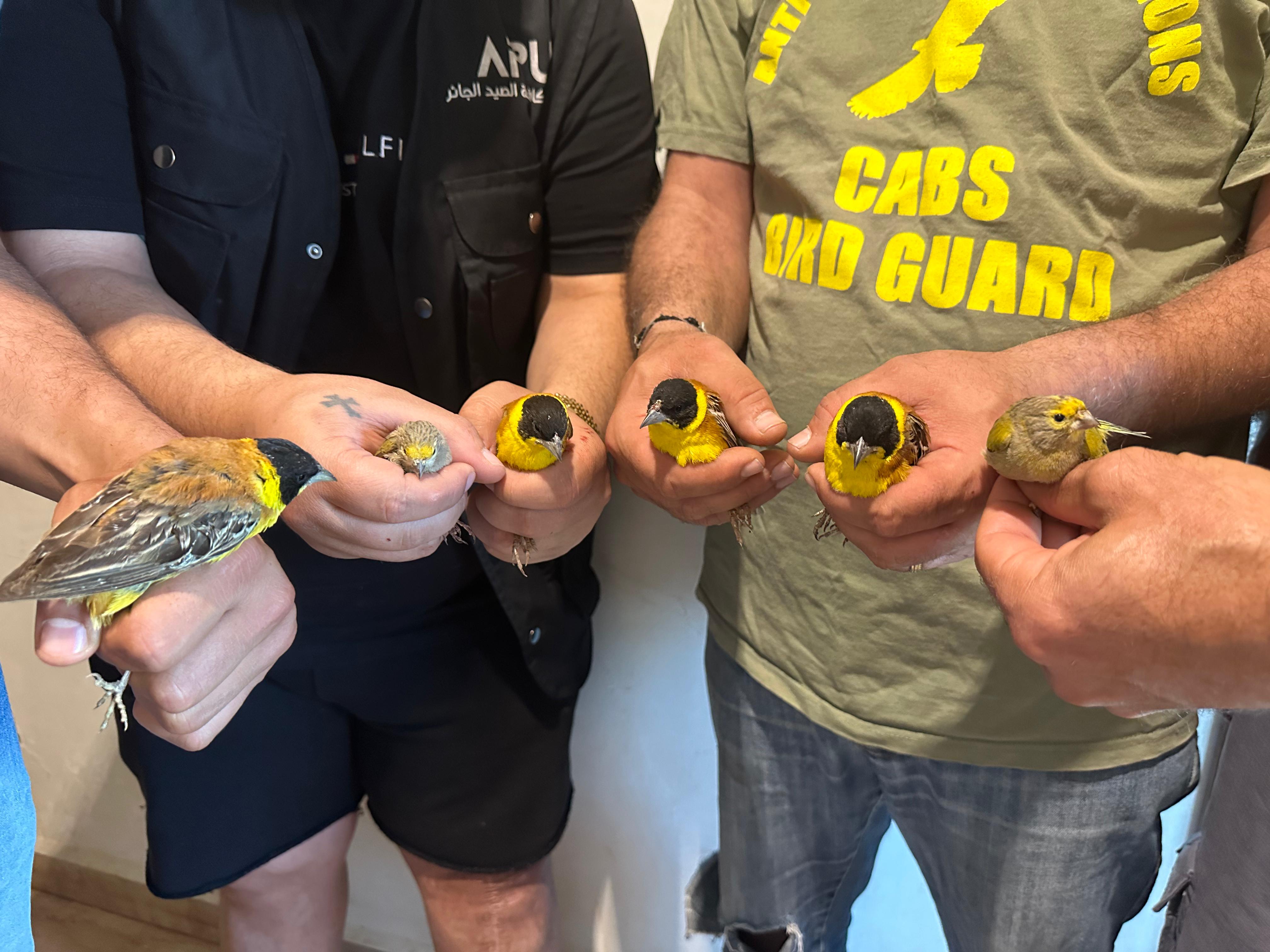
An ISF Investigations operation with field and intelligence cooperation from APU–CABS, following a documented complaint by sustainable hunters.
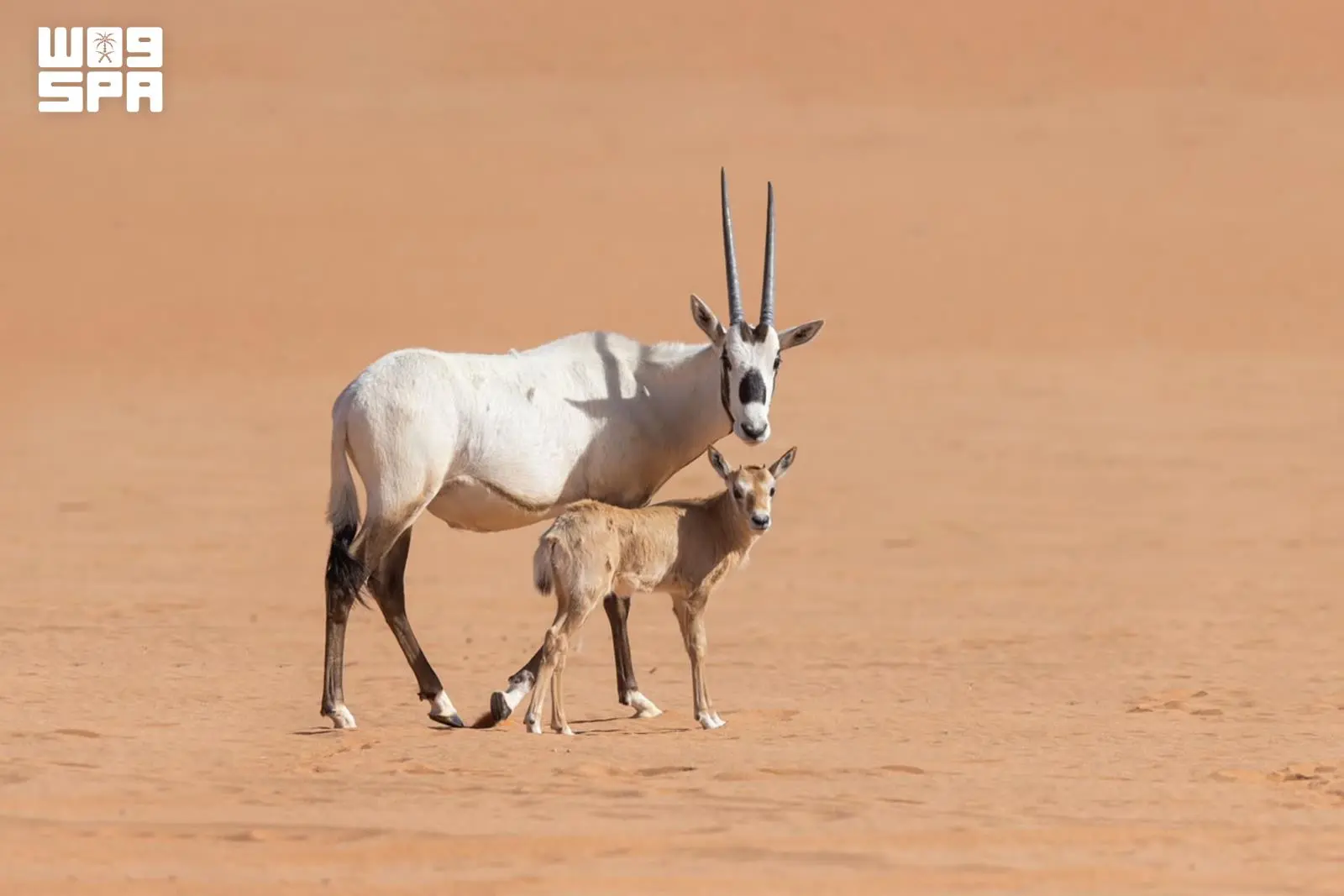
October 2026 roundup: 57 people apprehended or detained, 399 reported game animals seized, and thousands of metres of illegal hunting nets removed.
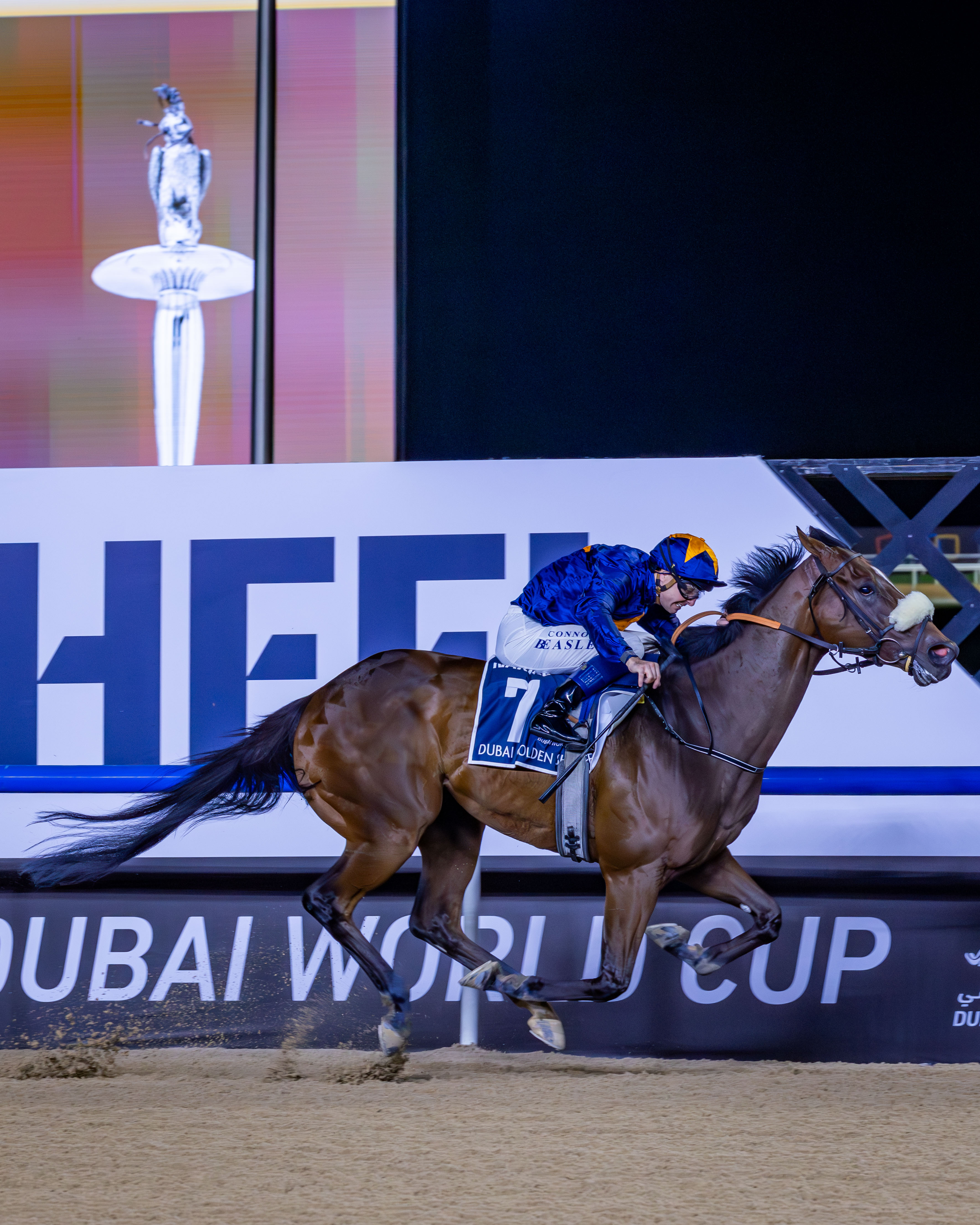
Dark Saffron prepares for the Breeders’ Cup Sprint at Keeneland on 31 October.
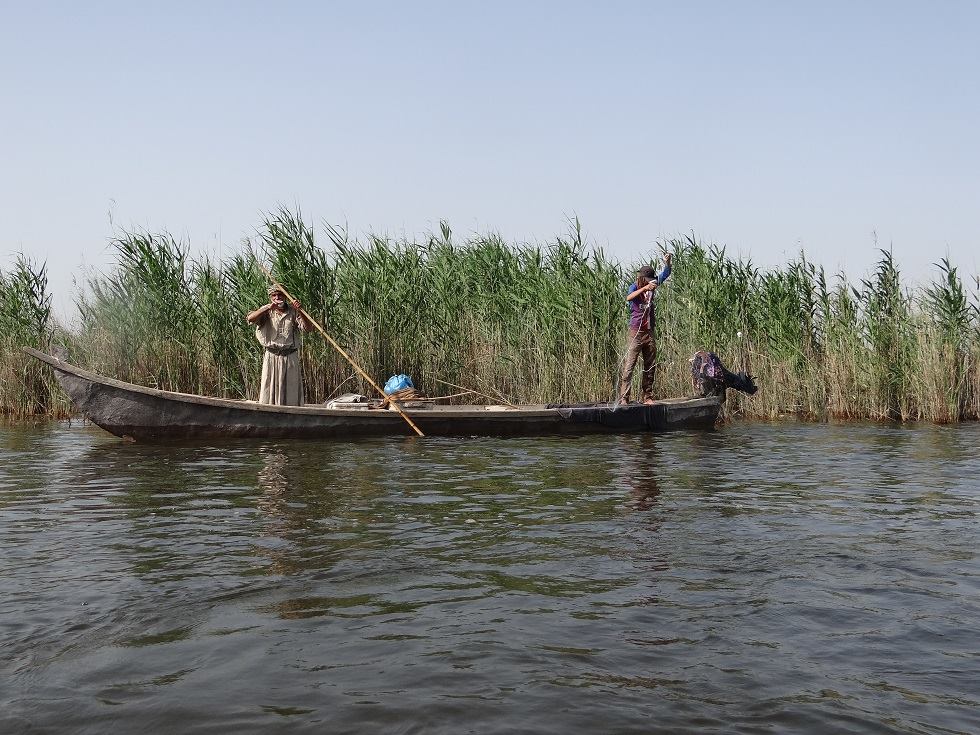
Local services, the cost of organising a trip and falconry in Burqu: three different ways of examining how hunting tourism can contribute to development.
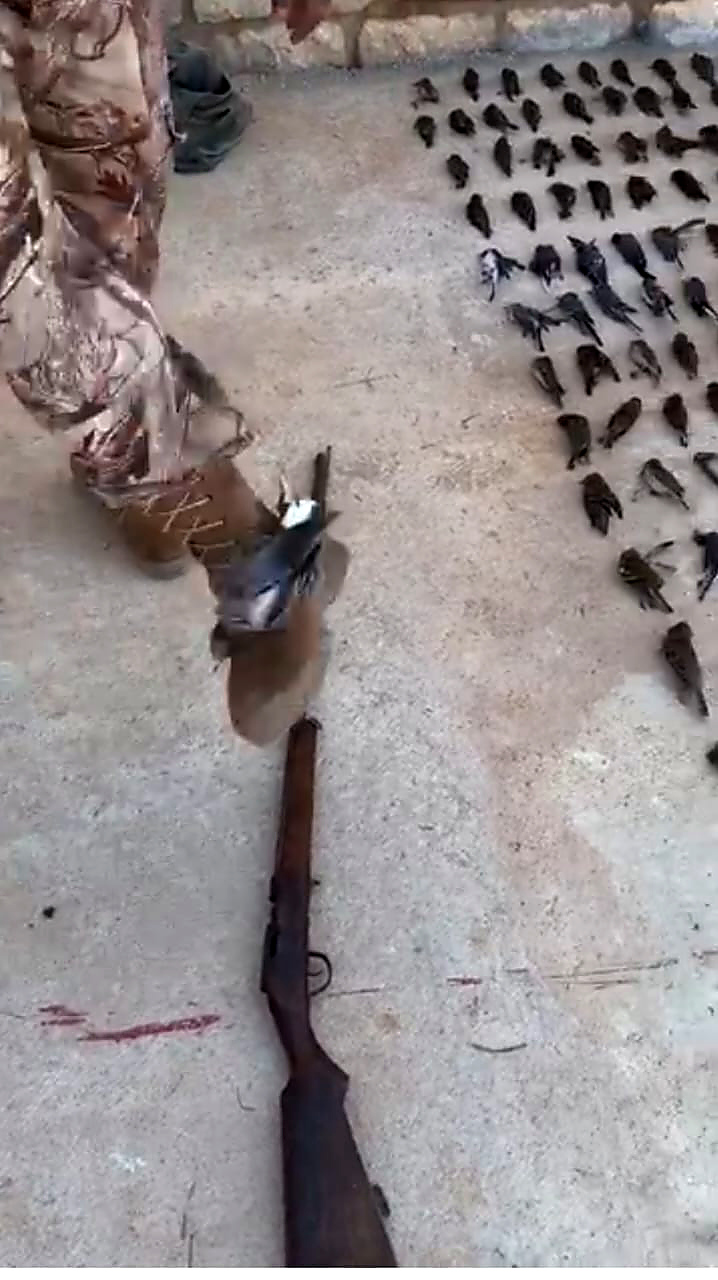
Respect for quarry is the true test of a hunter’s ethics
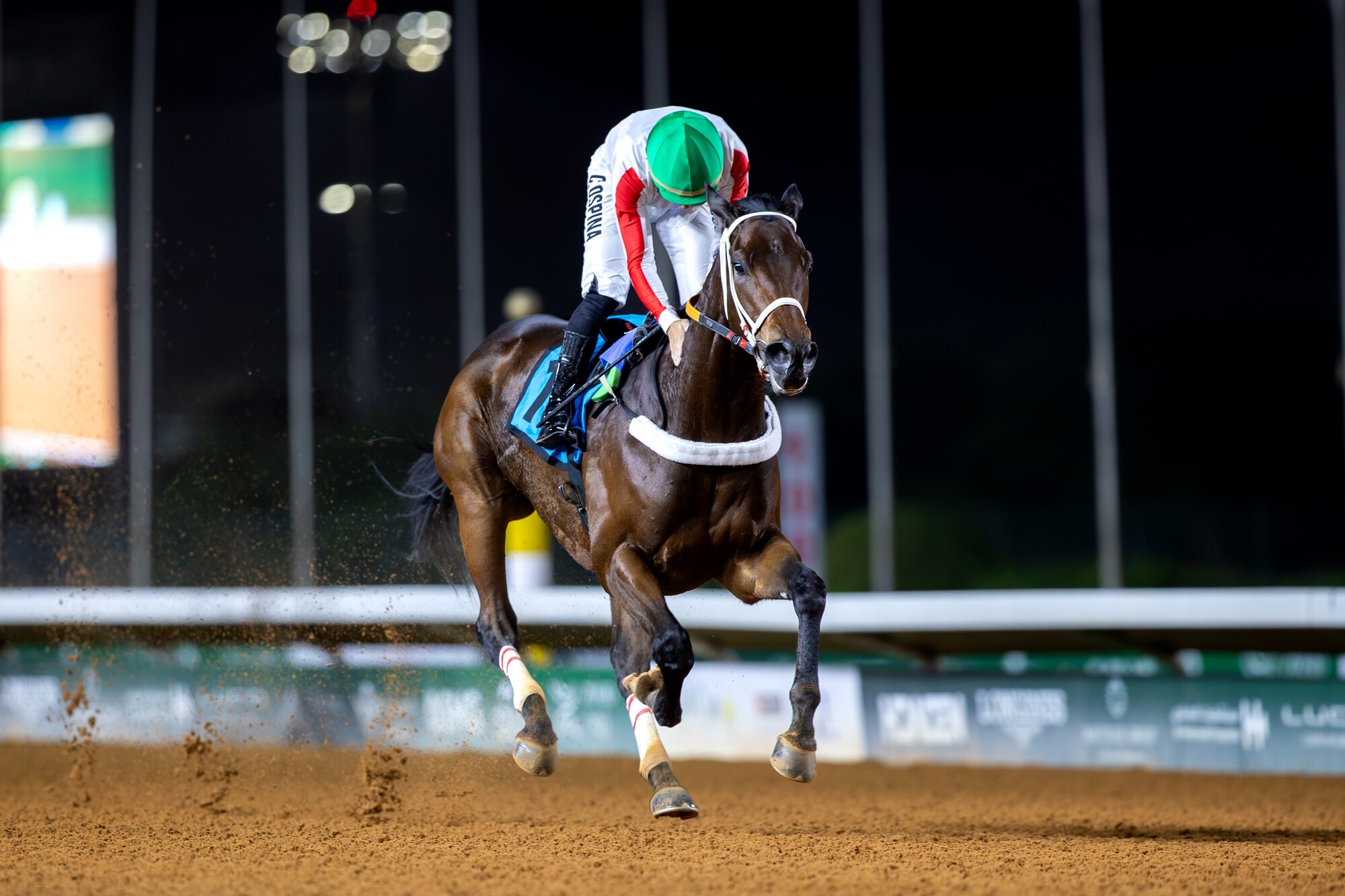
The Saudi-bred horse dominates the 2,000-metre finale as Camilio Ospina completes a treble at King Abdulaziz Racecourse.
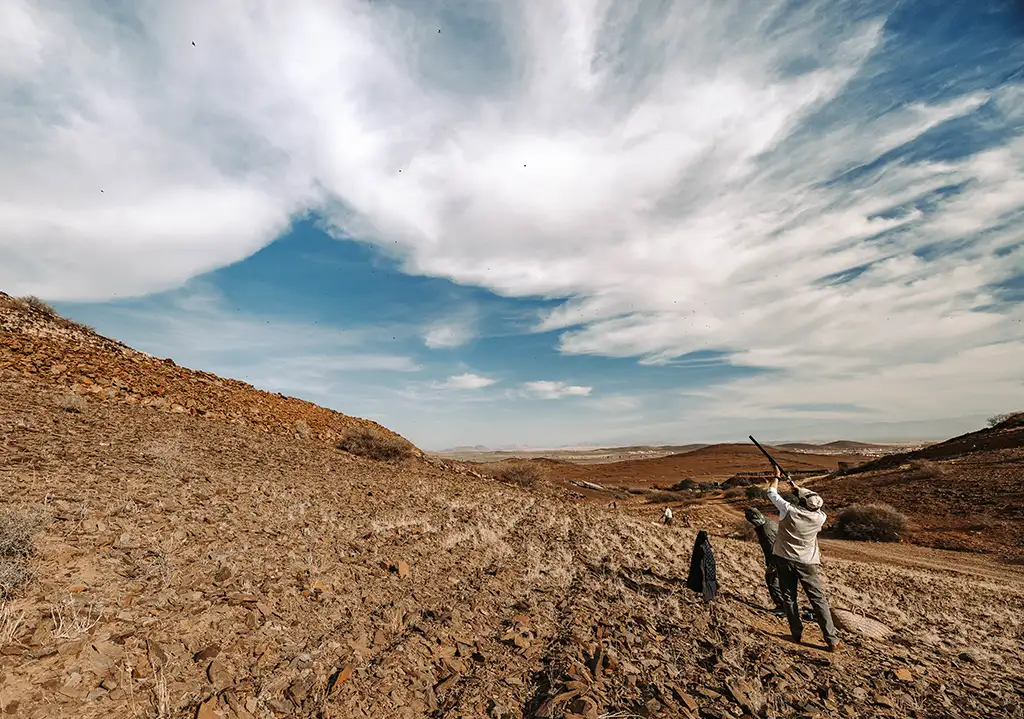
From European travel agencies to lodges, guides and local teams: how do hunting trips generate services and income in Morocco and Tunisia, and what does Algeria need to broaden its appeal as a hunting-tourism destination?
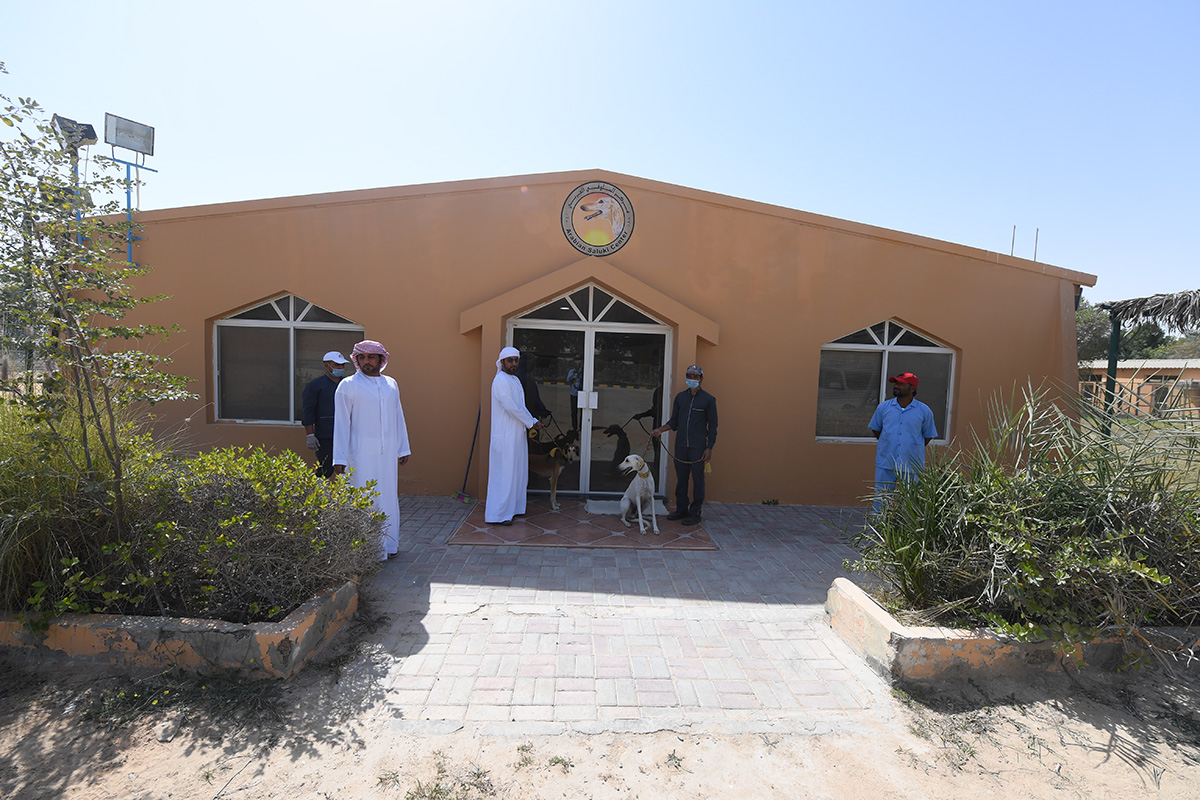
Founded in Abu Dhabi in 2001, the center combines Saluki care and training with the preservation of native Arabian bloodlines.
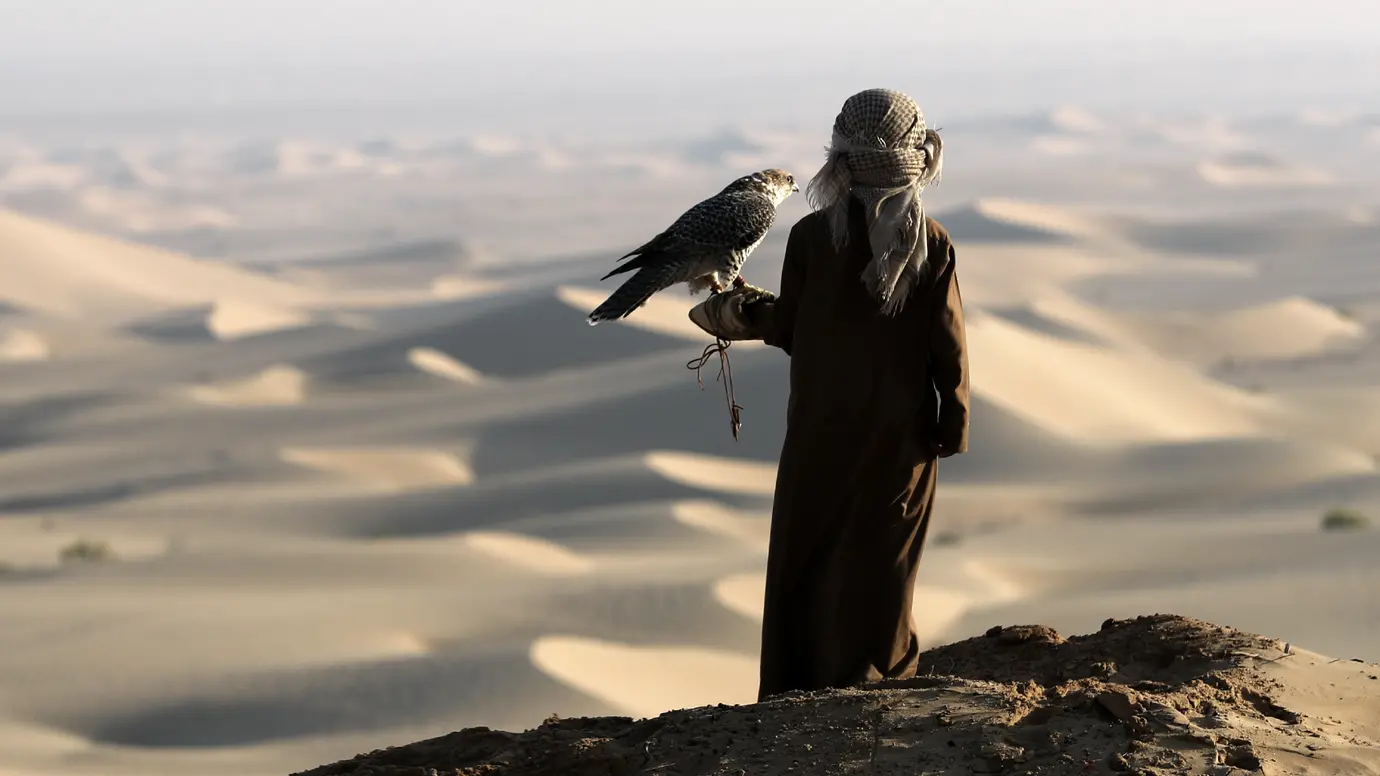
Camps in northern Saudi Arabia, falcons and Saluki hounds in Al Dhafra, hunting linked to a resort in Al Ain, and game from Qatari farms. Behind these trips are accommodation, guiding, transport and breeding services, while the knowledge and crafts of desert communities become part of a tourism offering with its own visitors and bookings.
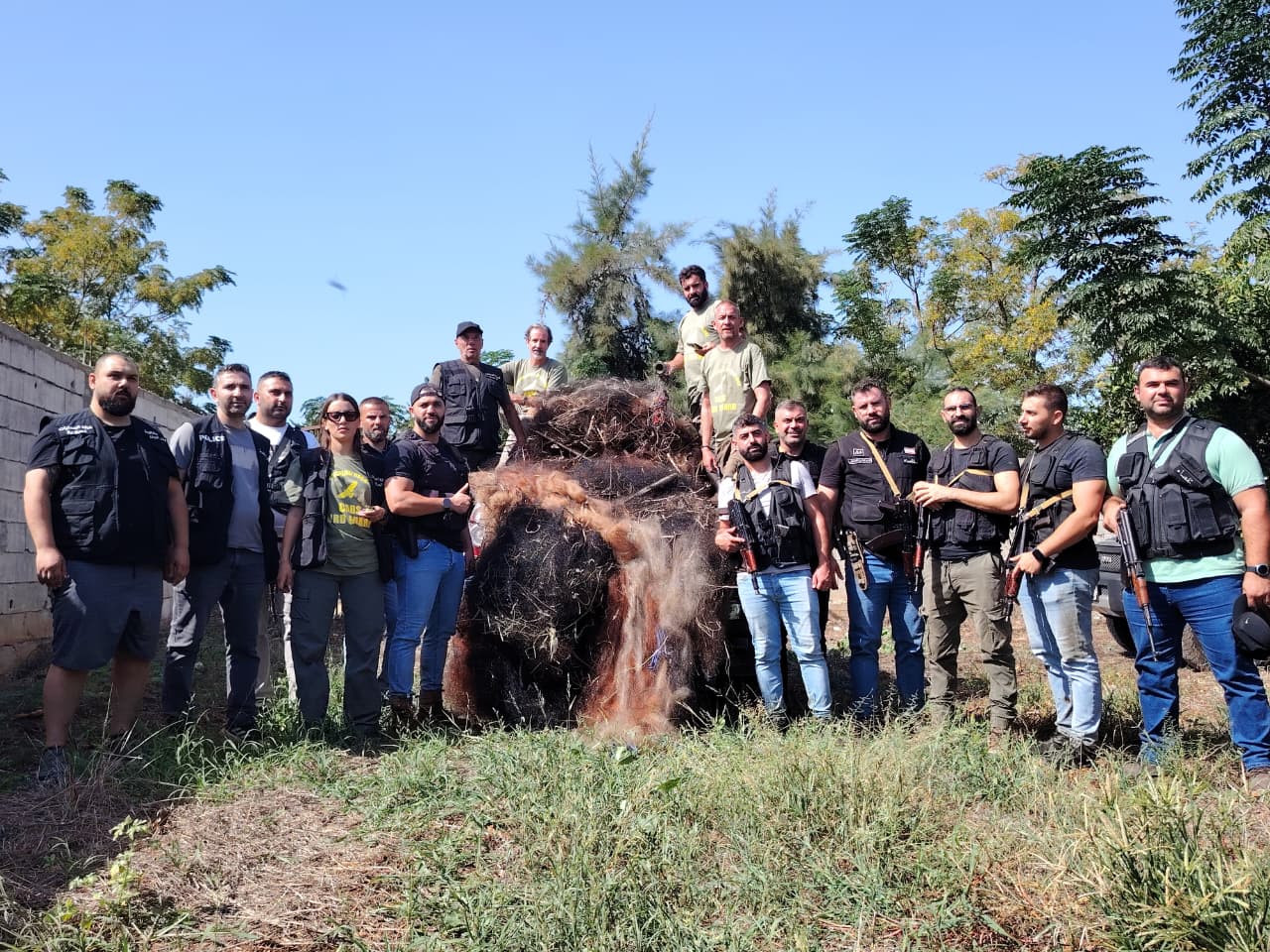
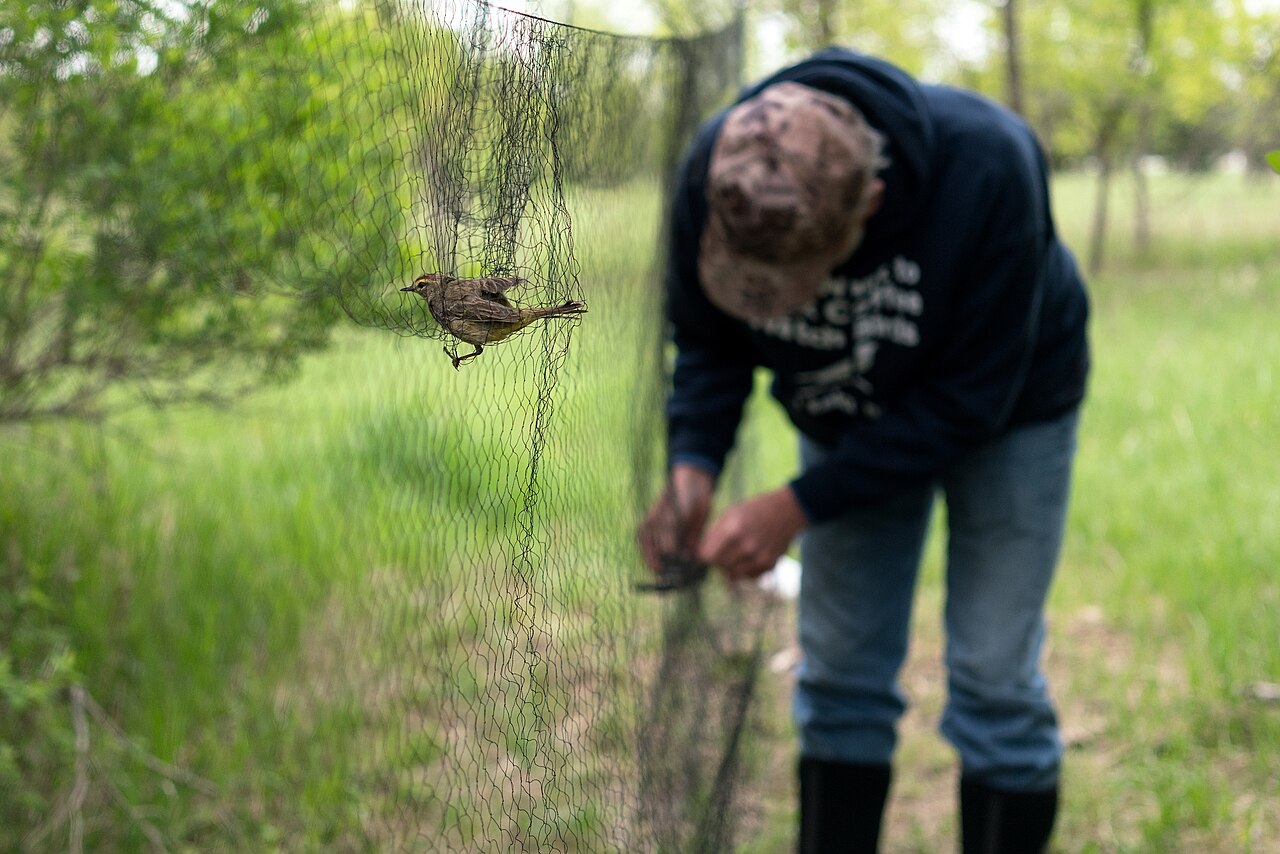
Net removals in northern Bekaa and northern Lebanon have reached a combined 63,030 square metres.
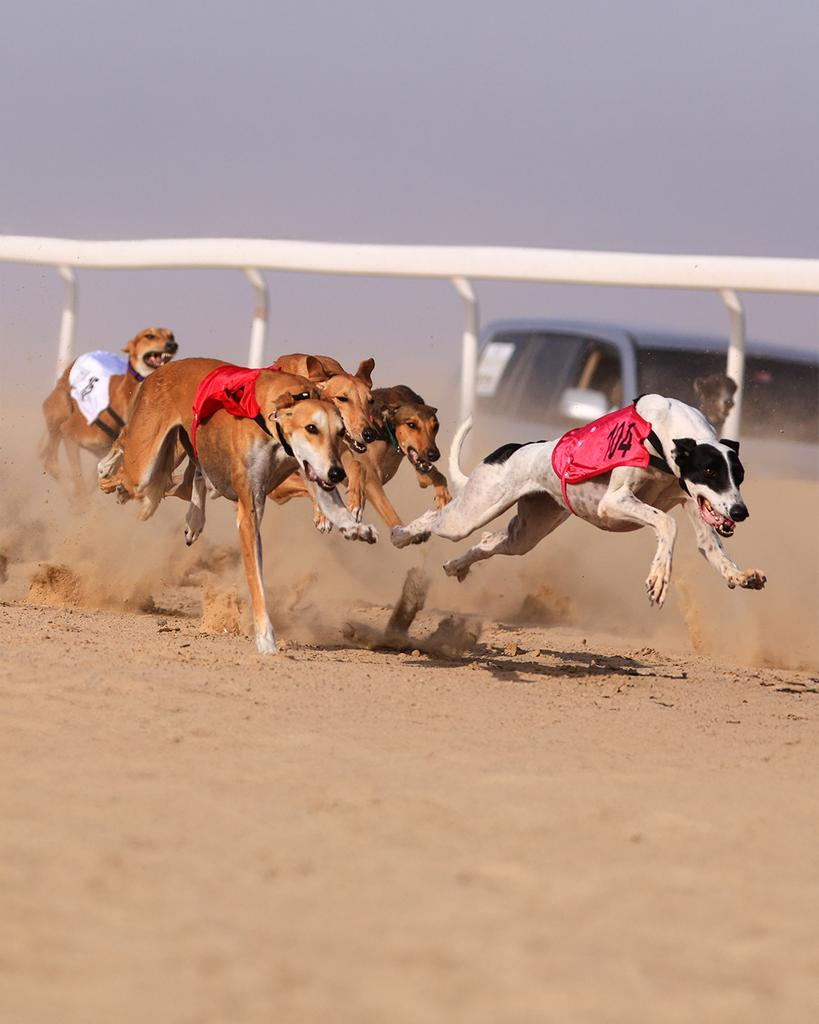
The Emirates Falconers’ Club and Abu Dhabi’s Arabian Saluki Centre will hold the inaugural season in Al Ain and Al Dhafra from November 2026 to April 2027.
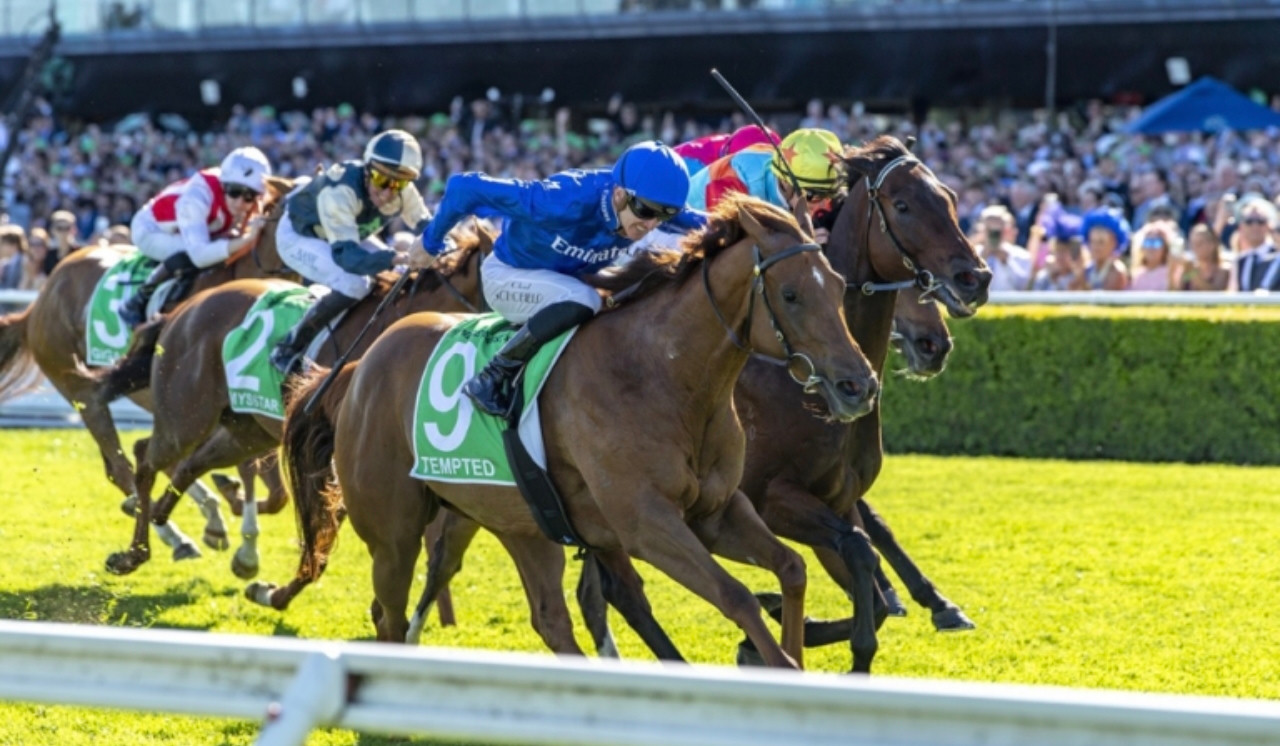
The Australian filly reverses the 2025 result against Ka Ying Rising, with Flemington and Randwick among the options being considered.
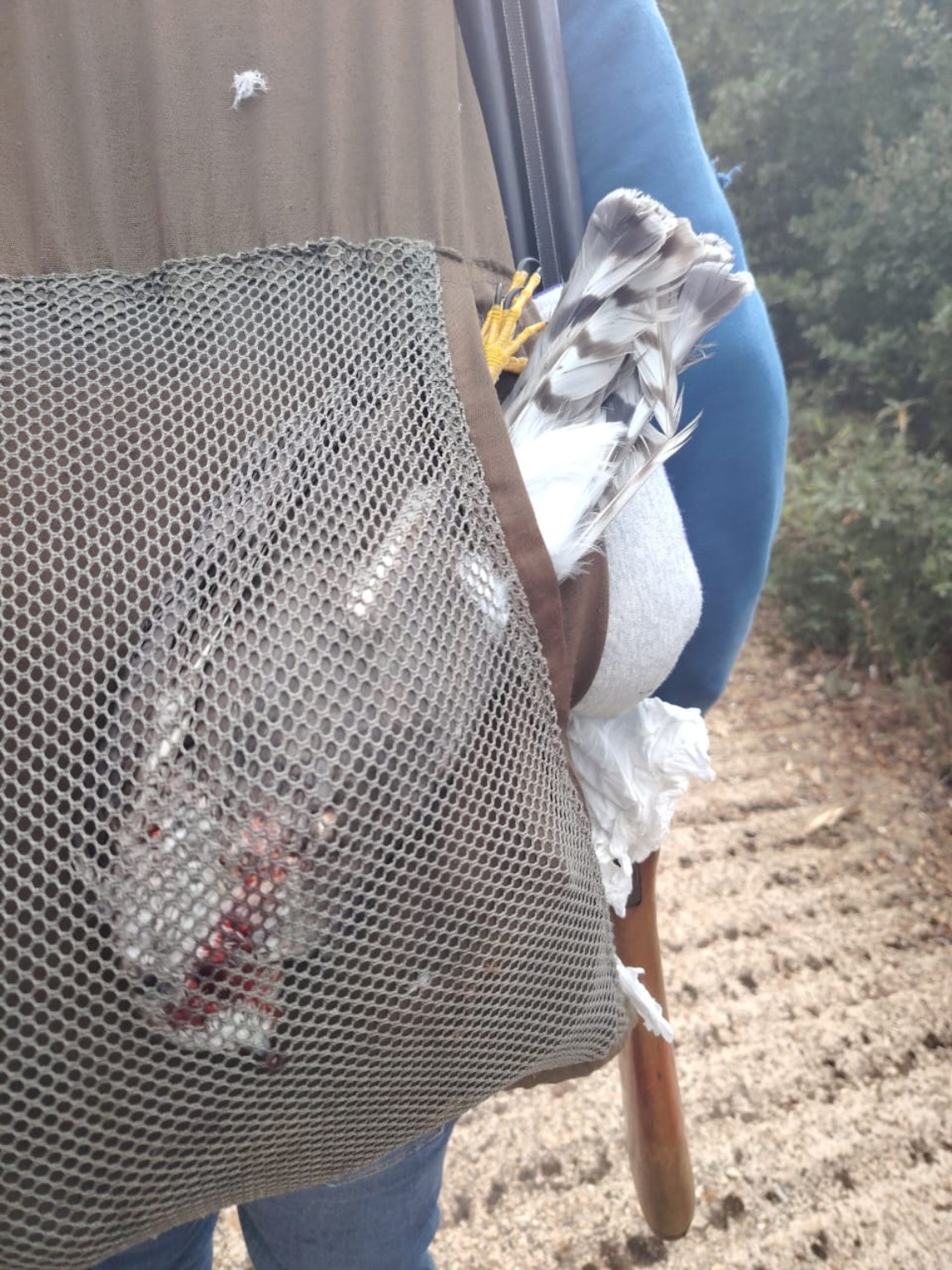
A sparrowhawk concealed in Lebanon, two chicks that exposed a case in Spain, and goldfinches intercepted before crossing the Mediterranean. Separate incidents raise fresh questions about protecting birds, as a forgery case moves through the courts and Tunisia hosts a meeting to tackle illegal trade.
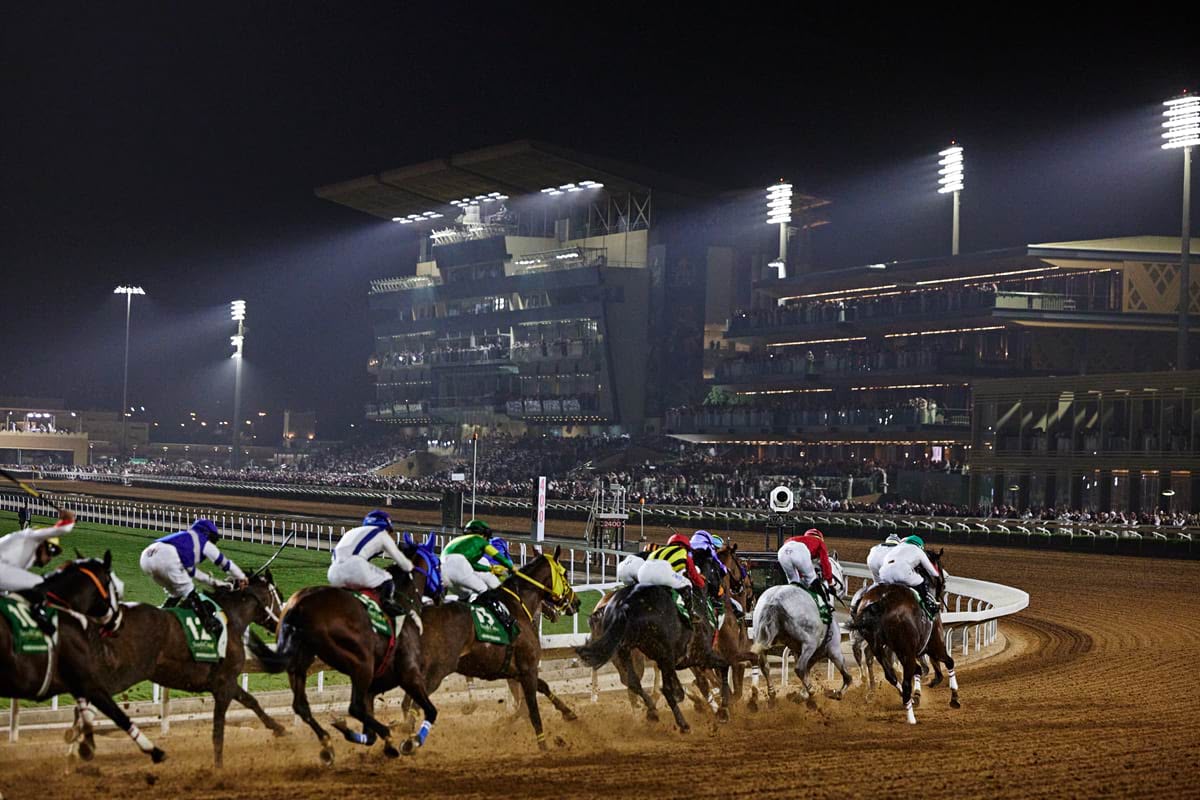
King Abdulaziz Racecourse welcomes the 2026–2027 season with SAR 236.3 million in total prize money and two new racing series.
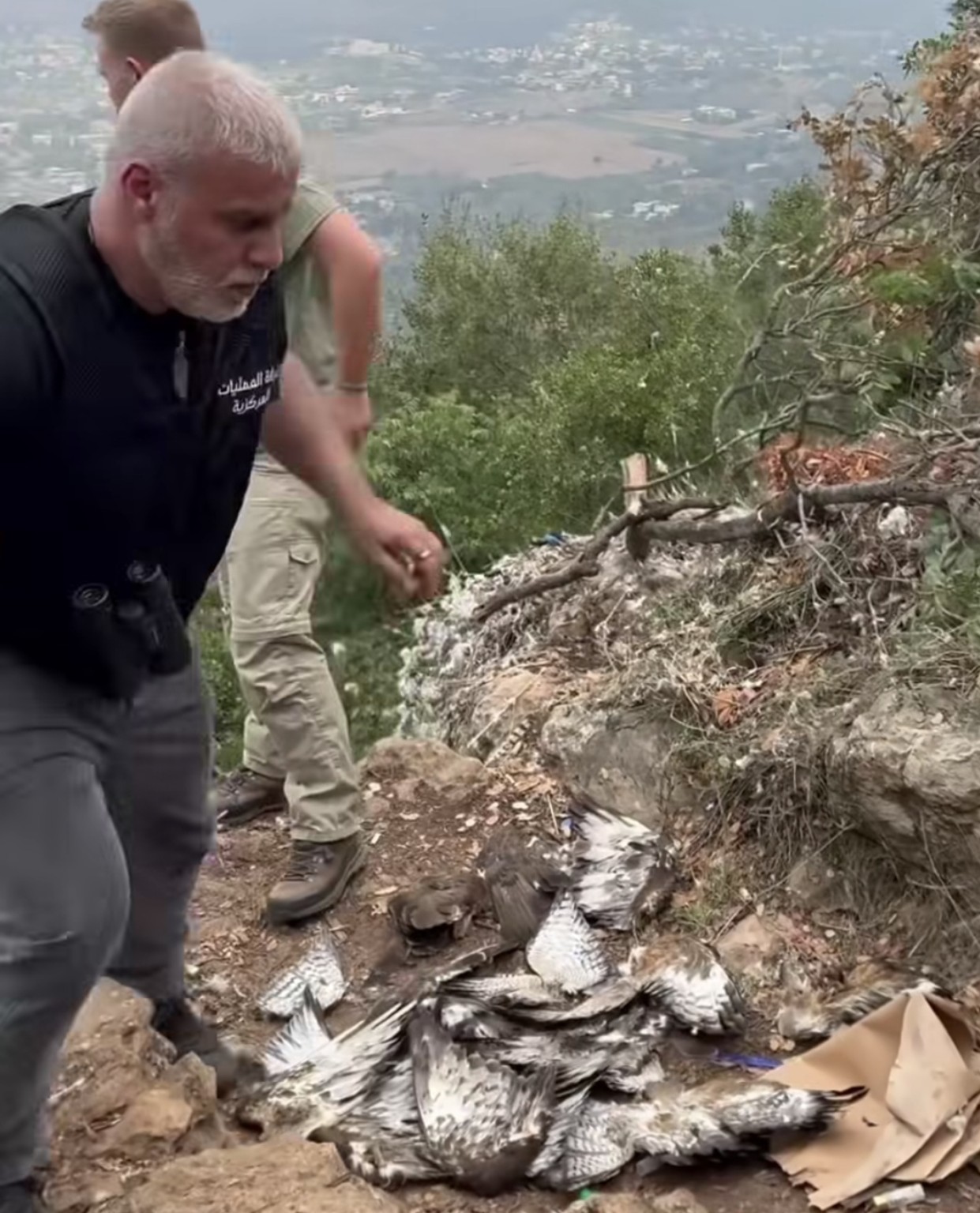
A professional hunter is known for his experience, conduct and respect for nature. He knows his worth well and does not need to display bird carcasses to convince others of his skill.
Field monitoring by CABS with MECSHAP and Lebanese security forces led to weapon seizures and documentation of gunfire directed at four honey buzzards.
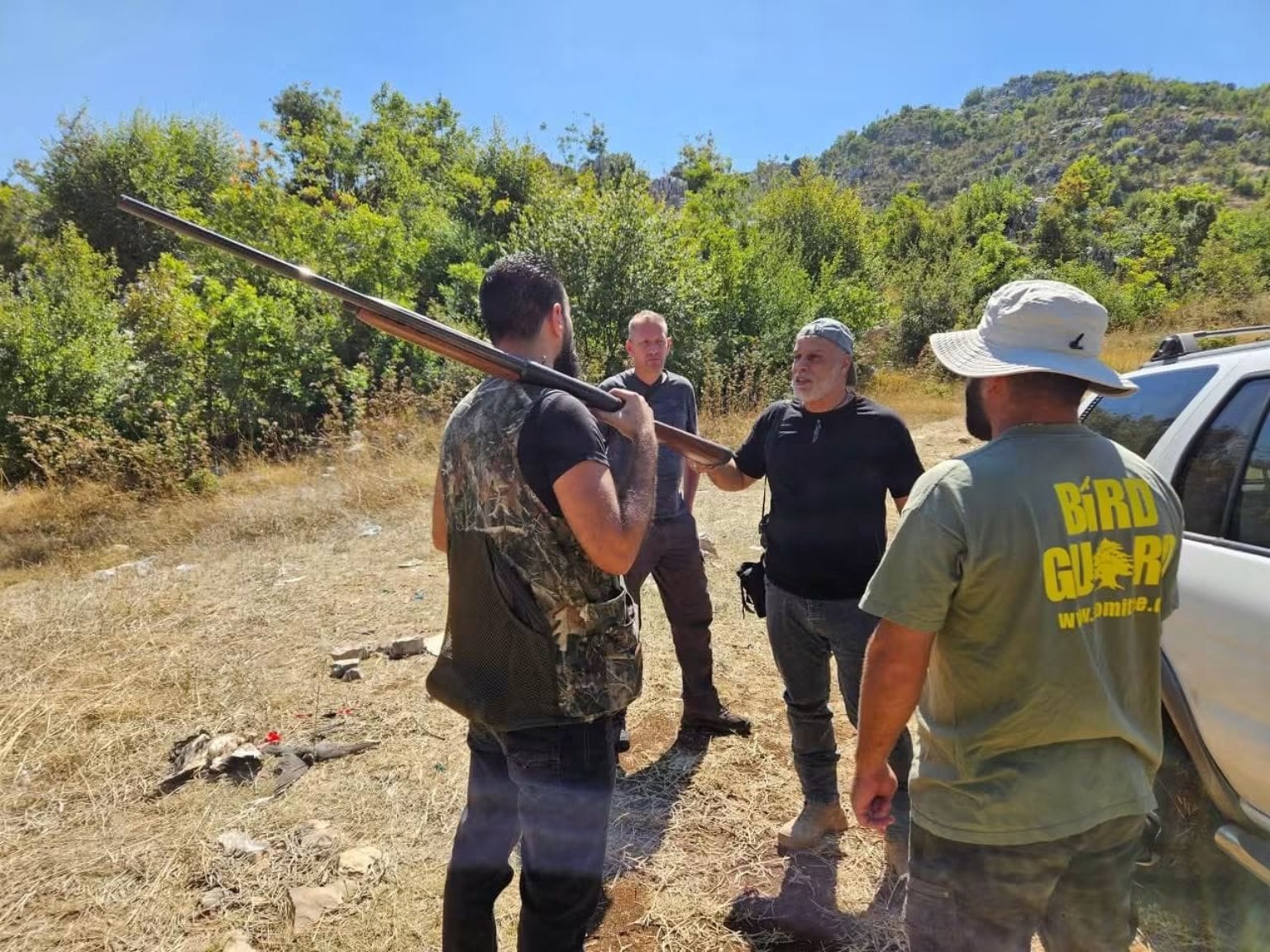
European conservation organisations recall the 11–36 million annual estimate and call for effective measures on Mediterranean flyways.
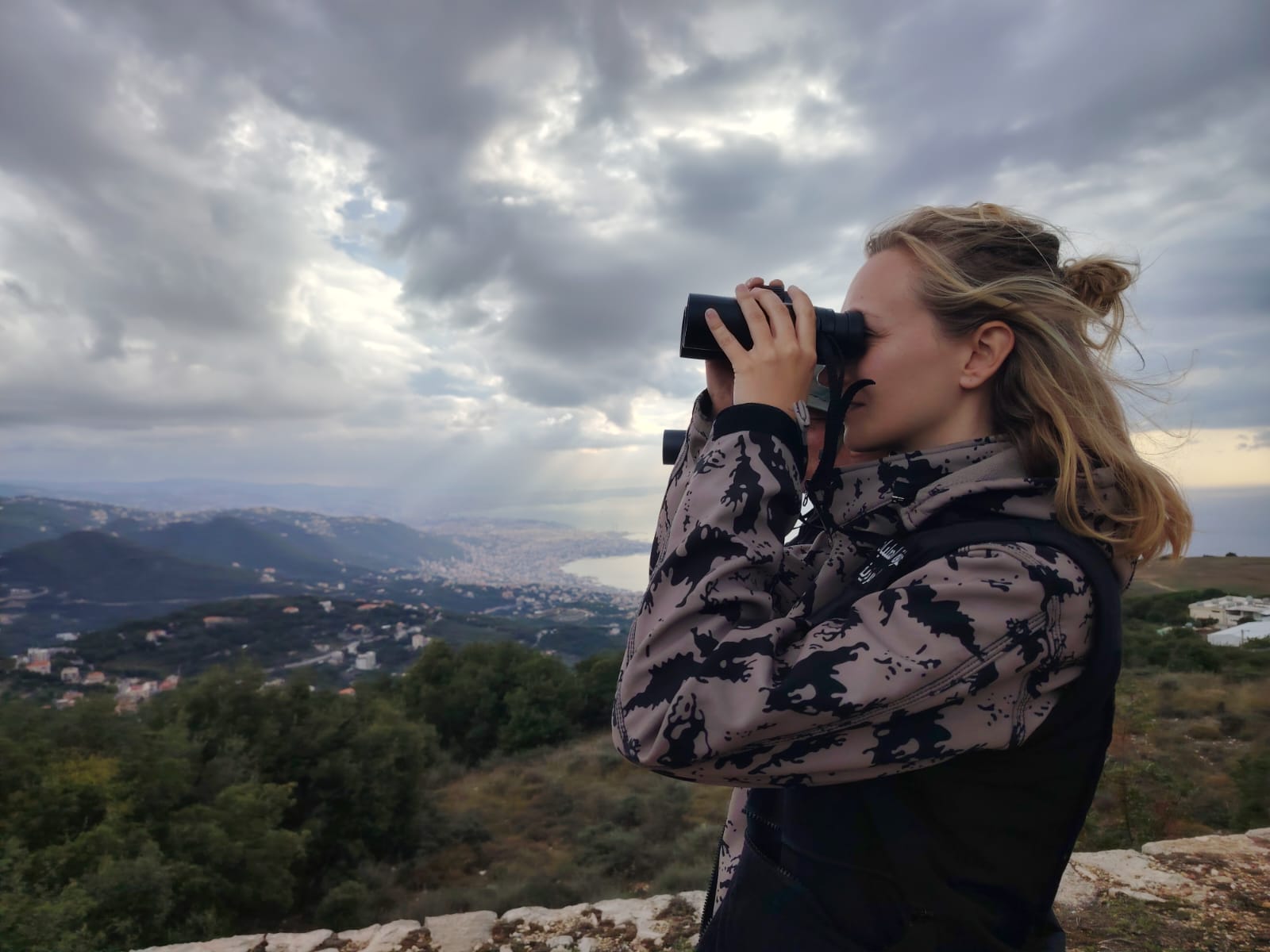
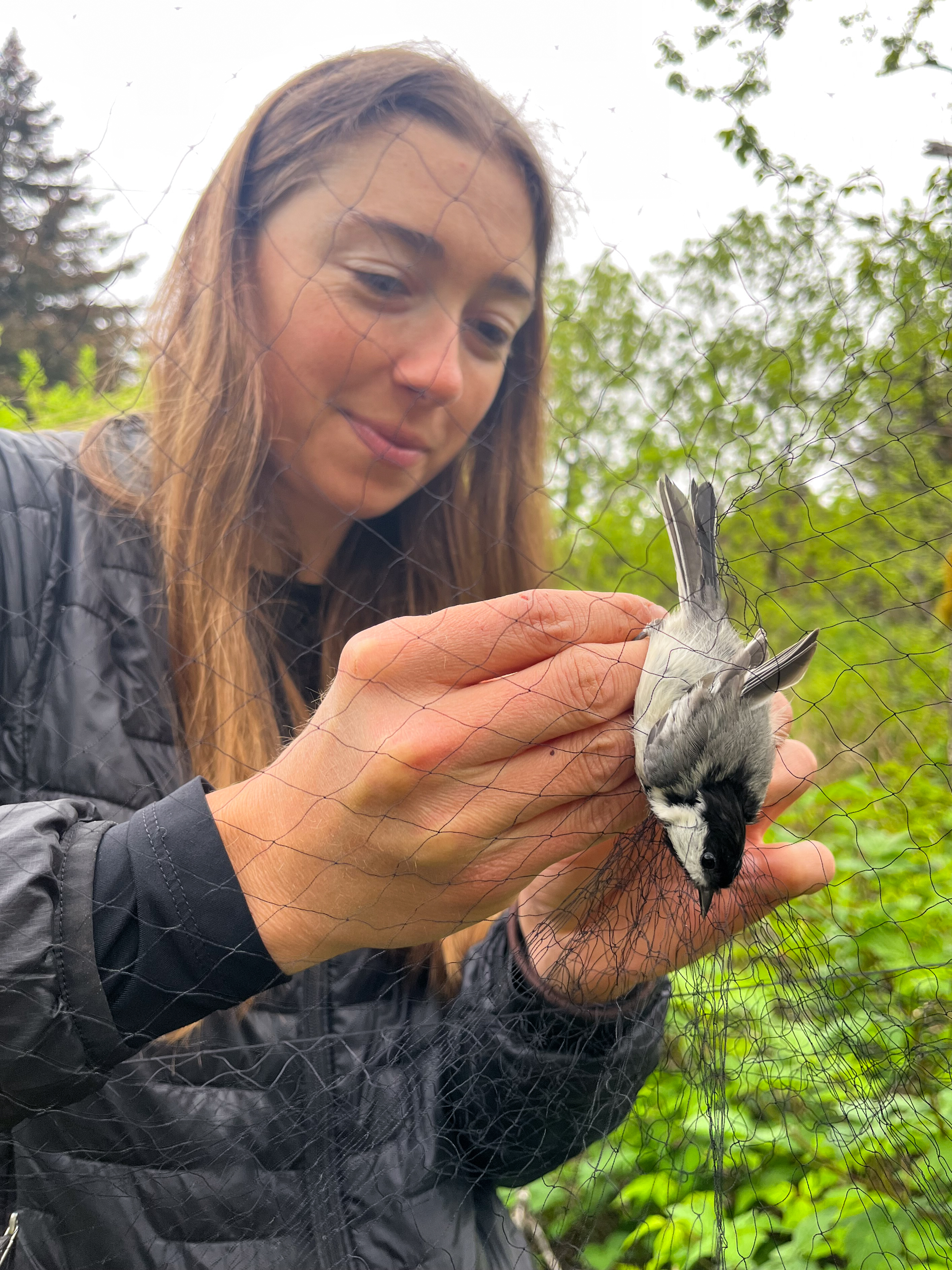
From watching migration routes to documenting offences, CABS volunteer Alexandra discusses her field experience in Lebanon and Europe, and the patience, risks and cooperation involved in protecting birds. In this interview, she explains why she distinguishes responsible hunters from people who break the law.
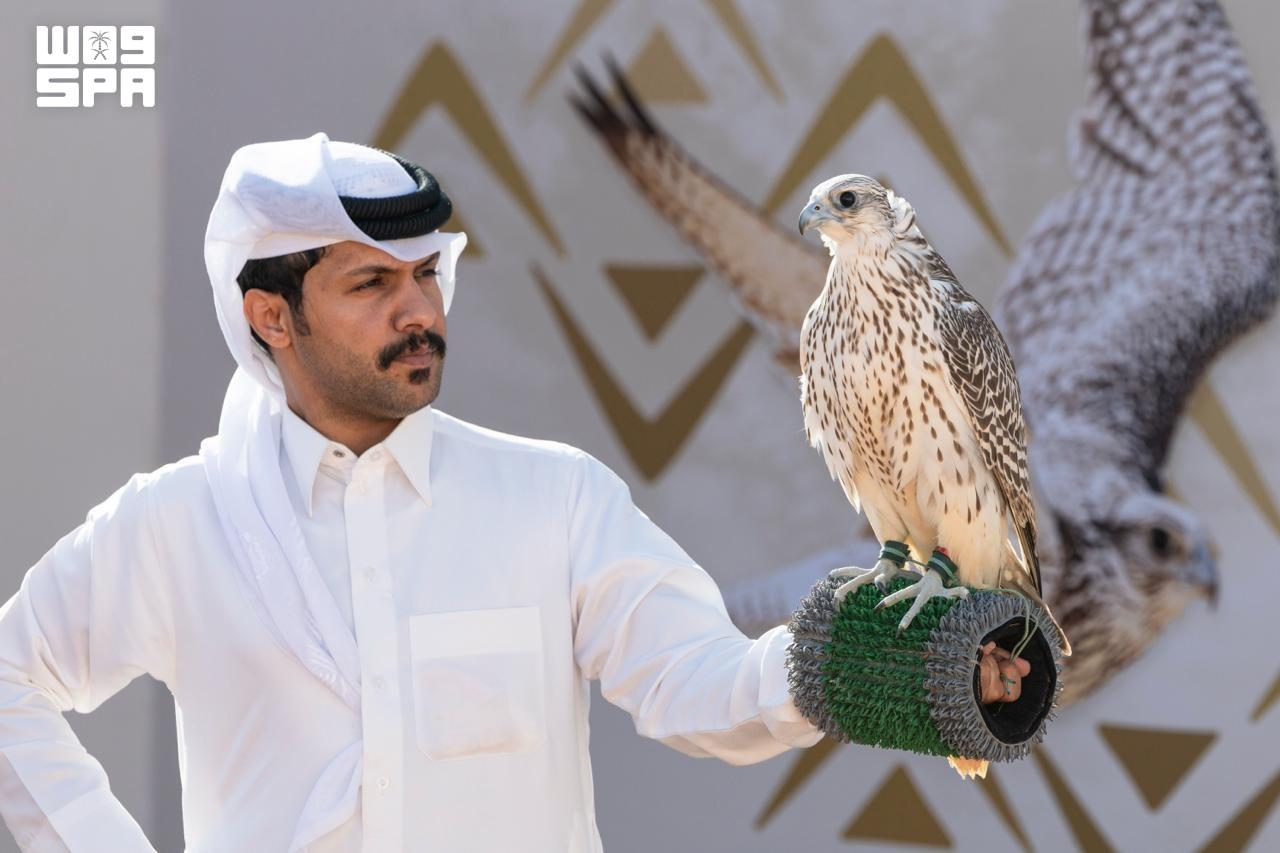
Twelve heats and SAR 723,000 in prizes in Malham; Al-Mansouri and Al-Qahtani lead the final day's races.
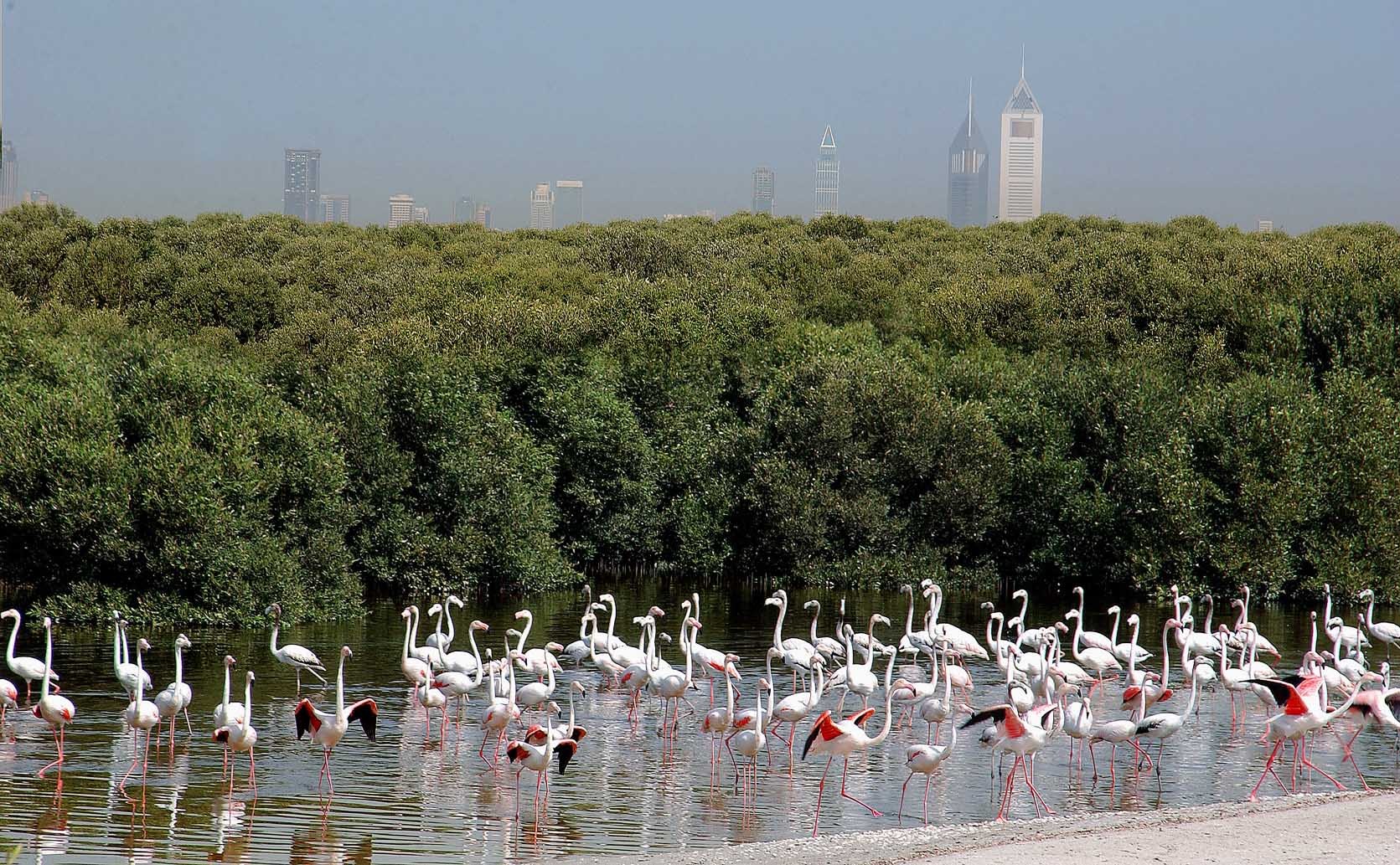
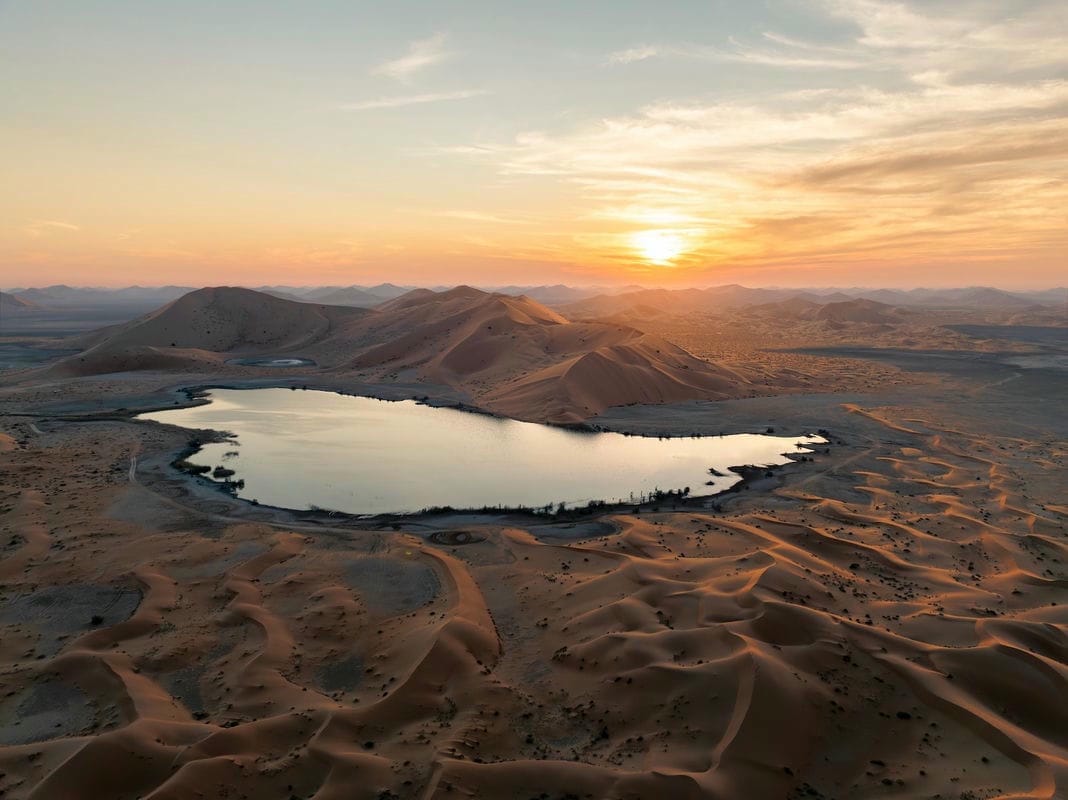
Major migration refuges in the Mashreq and Arabian Peninsula
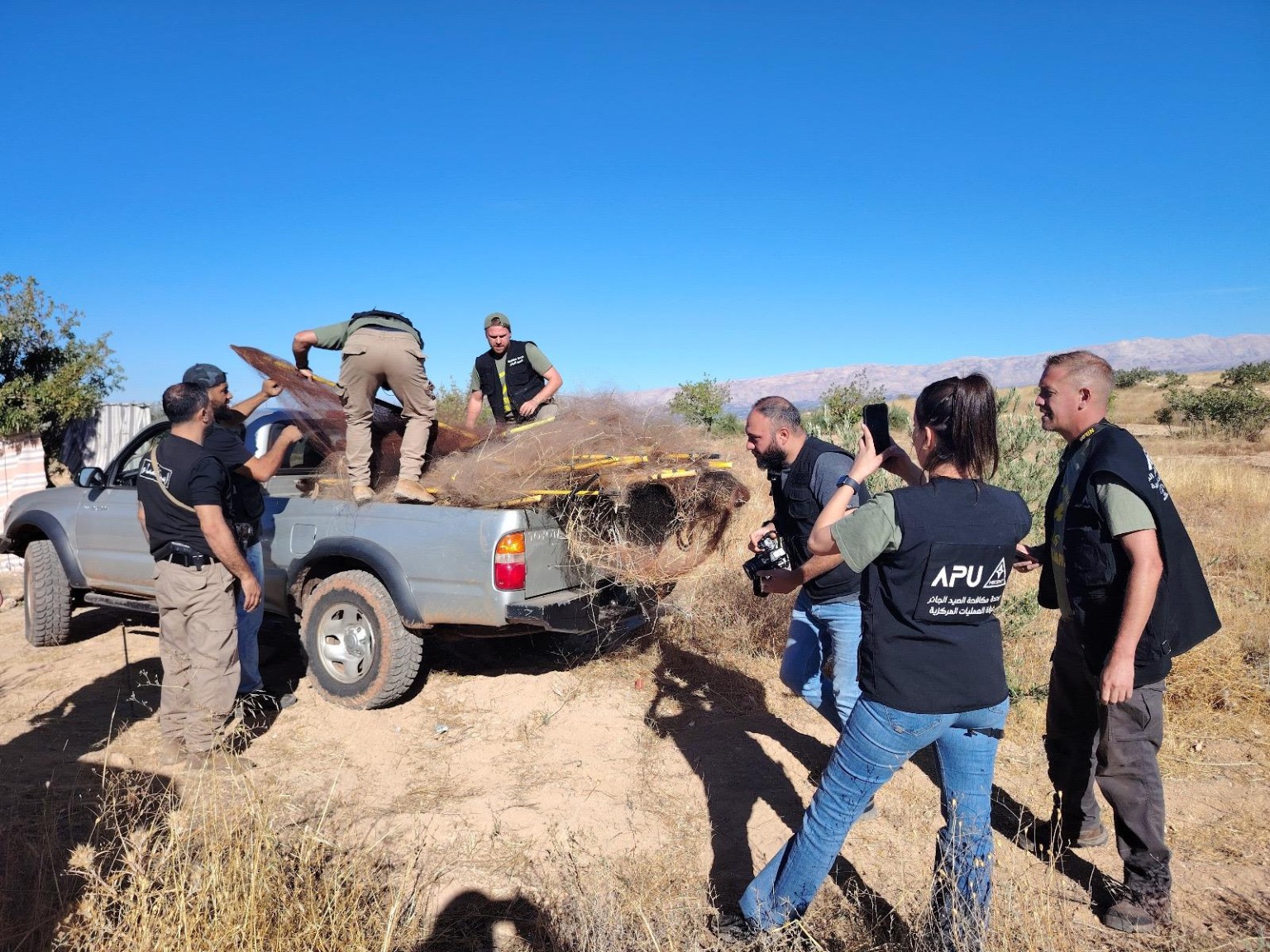
The Bekaa Investigation Detachment and APU–CABS remove illegal bird-trapping nets in northern Bekaa, bringing the campaign’s overall total to 38,280 square metres.
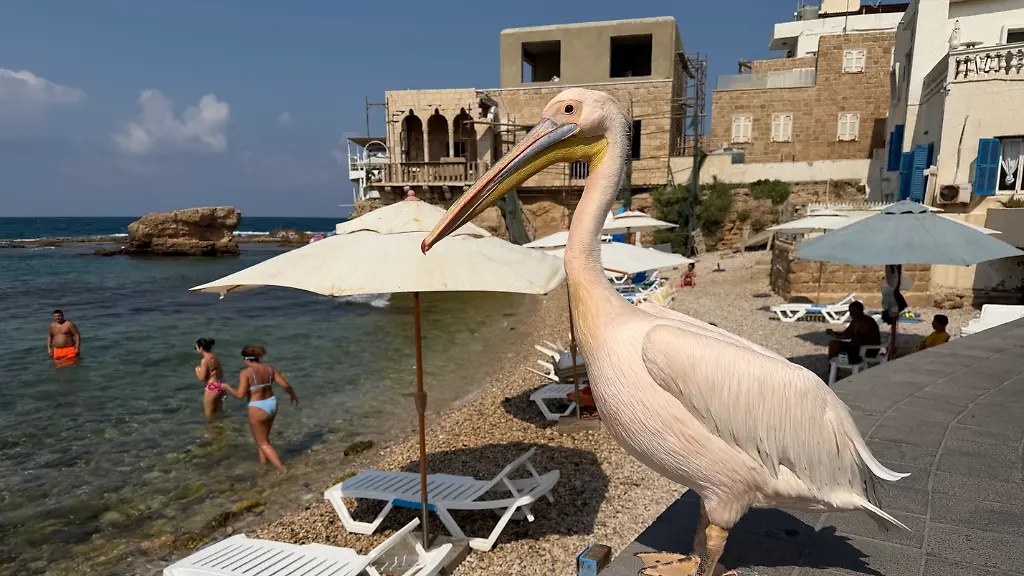
The Lebanon–Cyprus–Egypt triangle: estuaries, salt pans, lakes and harbours in the protection of bird habitats.
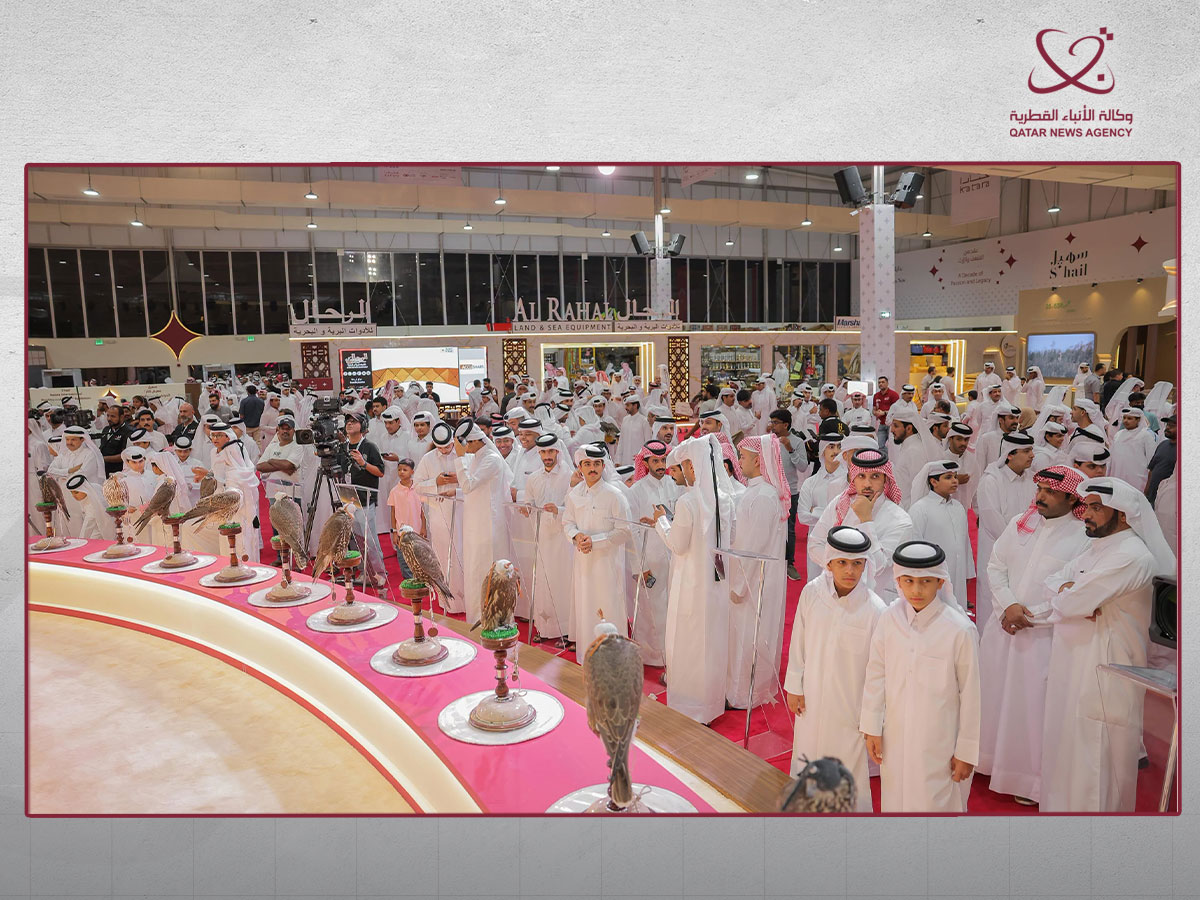
Al-Melwah races, Mongolian falcon auctions and monitoring and protection technologies join hunting and shooting equipment and maritime heritage in Malham, north of Riyadh.
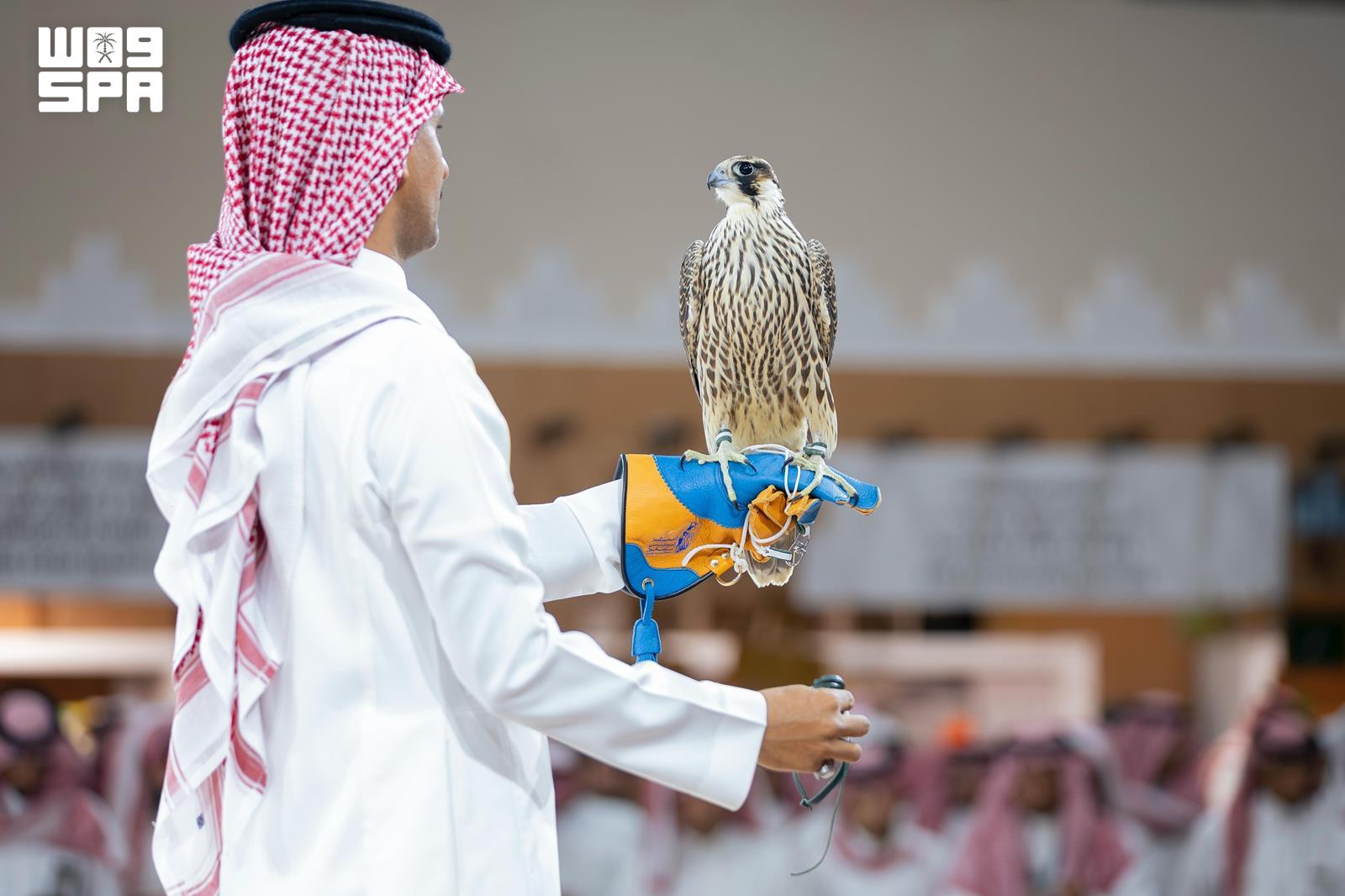
Ten days bring together falconry, hunting, travel and adventure, allowing visitors to discover a living heritage passed down through generations.
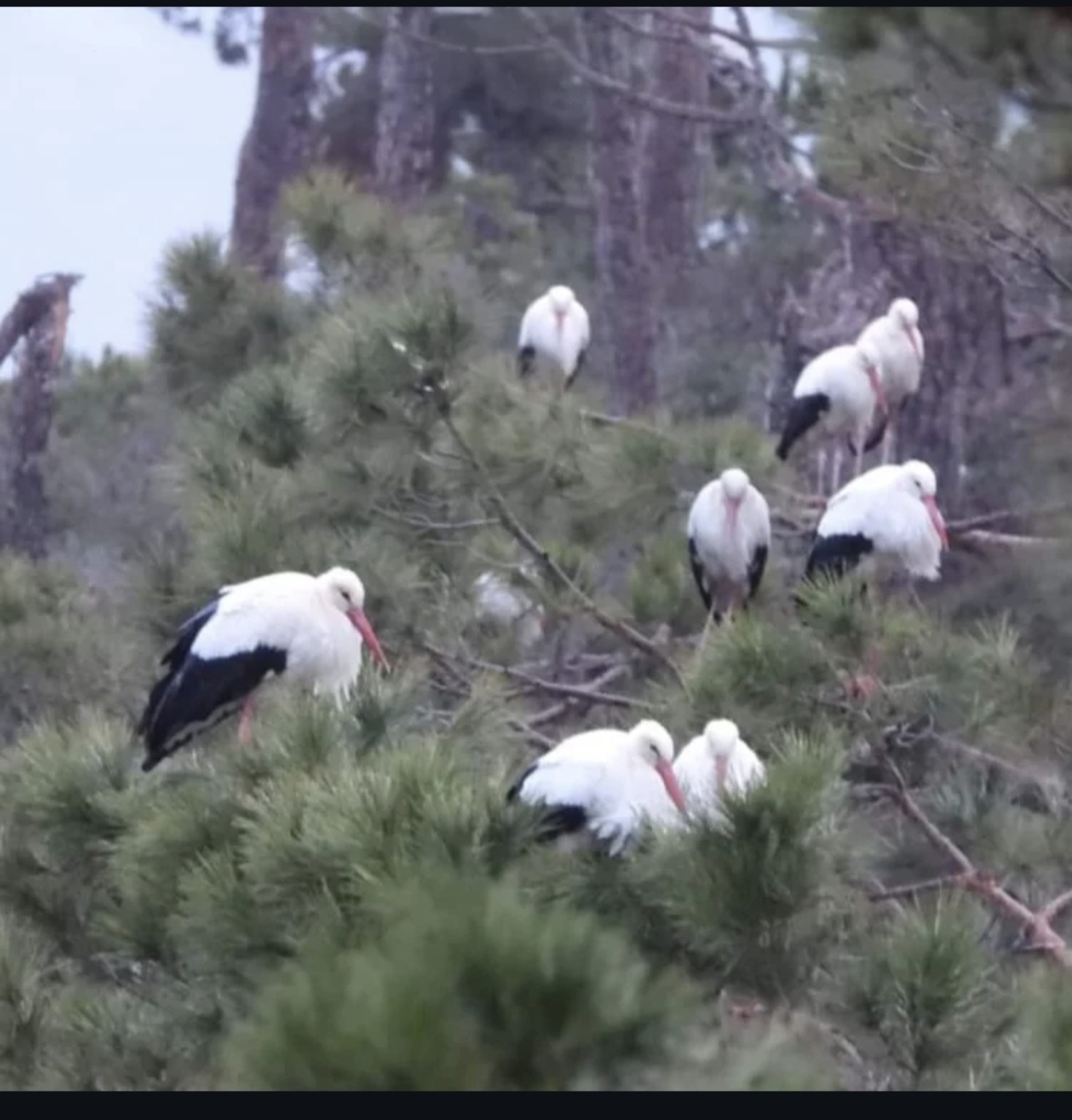
From the rifle to the lens: how journalism can help protect migratory birds and change the culture of displaying kills.
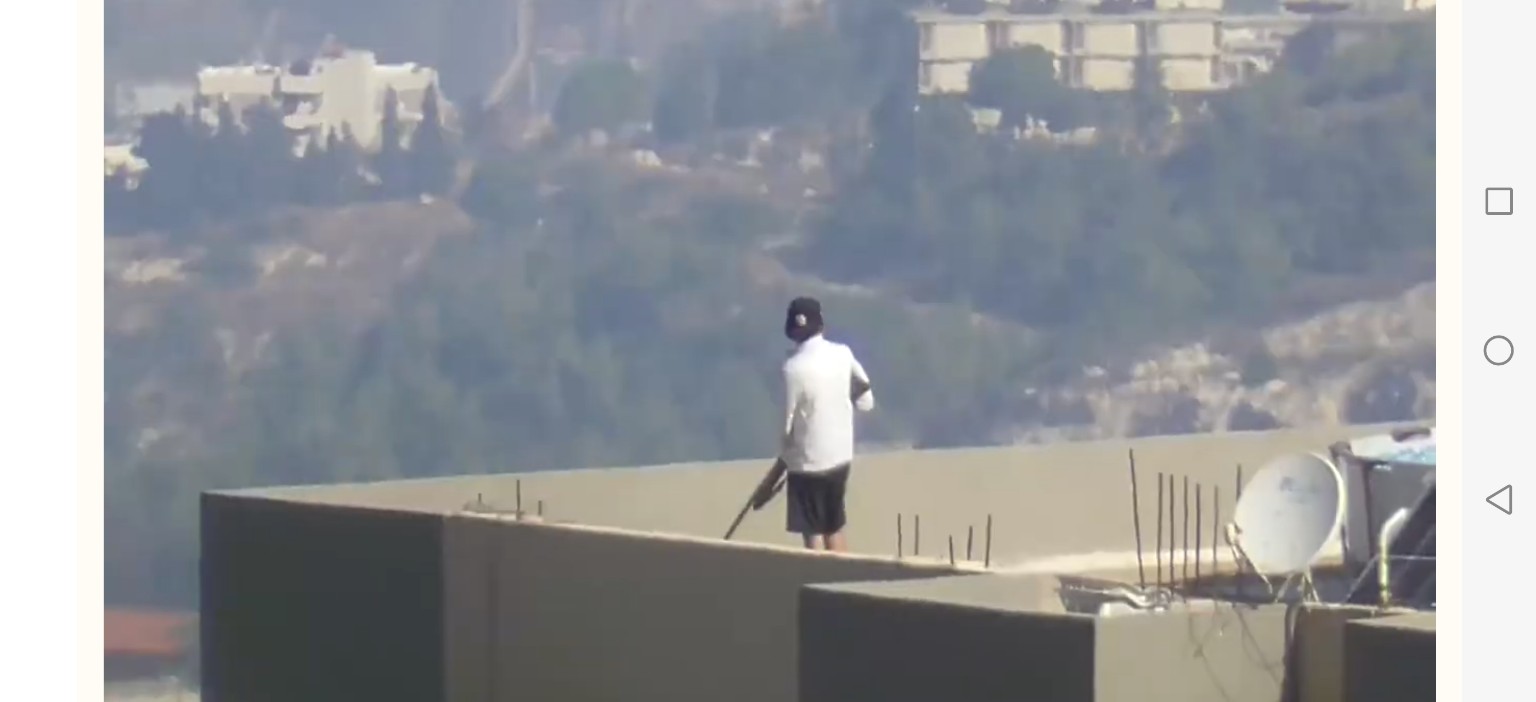
Sayd Arab Radar for September 2026: 50 people reported in the listed cases, 294 trapped wild animals seized, thousands of birds rescued, and illegal weapons and nets confiscated.
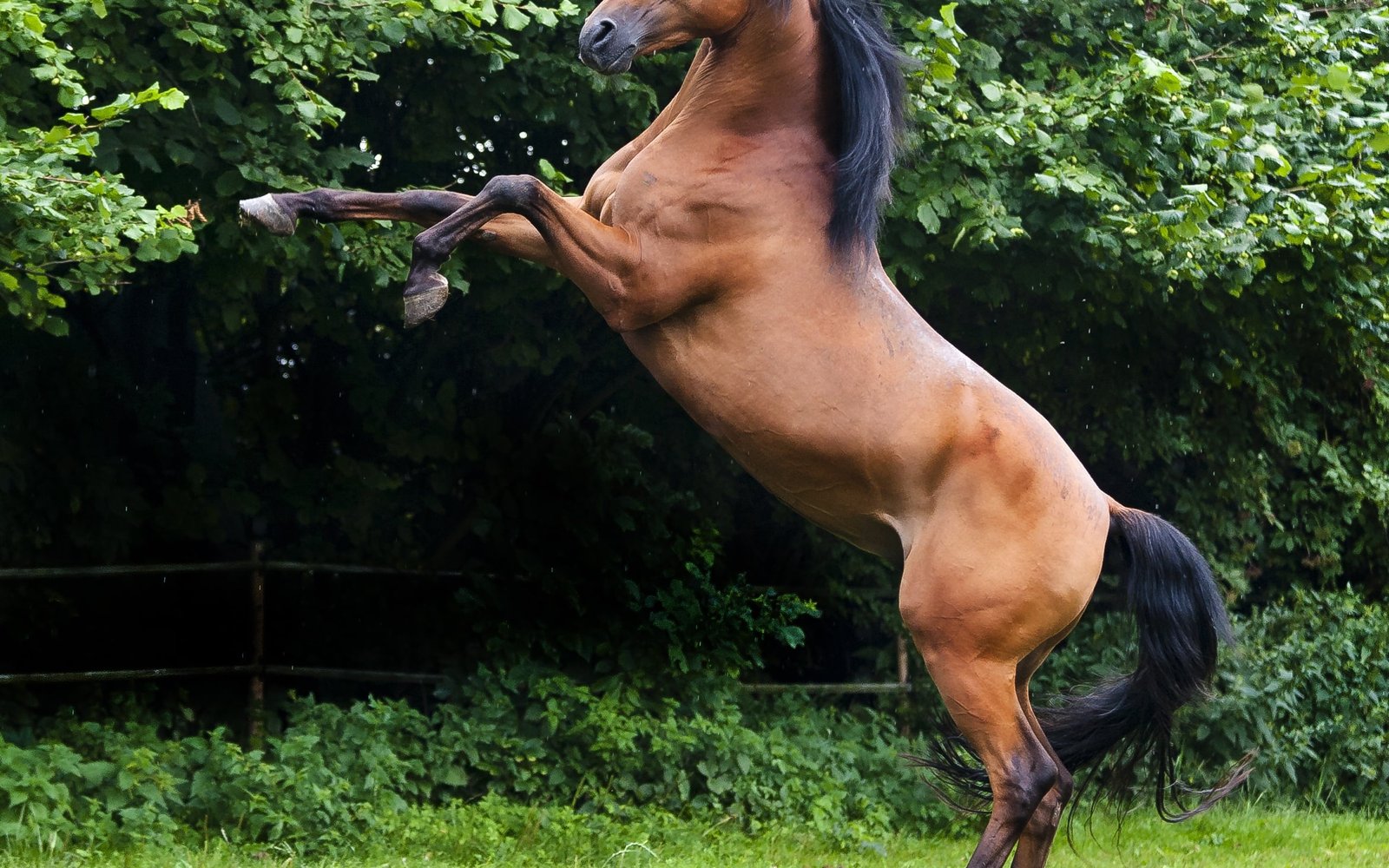
A literary essay on people who ride not to arrive but to remain: dawn rituals, heat as teacher, and presence in the saddle. From Sayd’s Equestrian section.
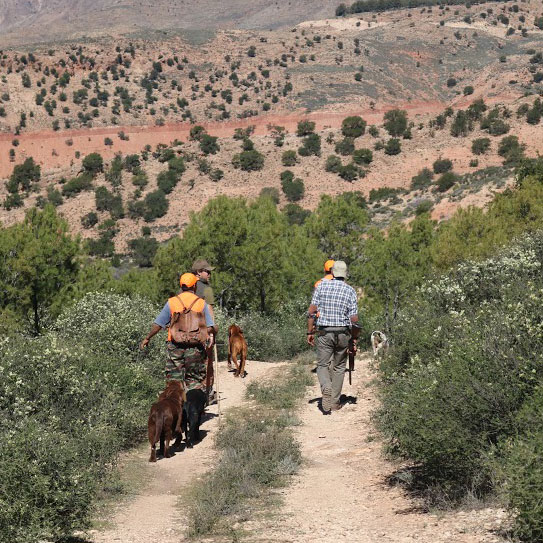
Nine Arab hunting maps for autumn 2026: Morocco and Tunisia open 4 October; Saudi season since 1 September; Jordan by bags; Lebanon still closed; Libya protection order.
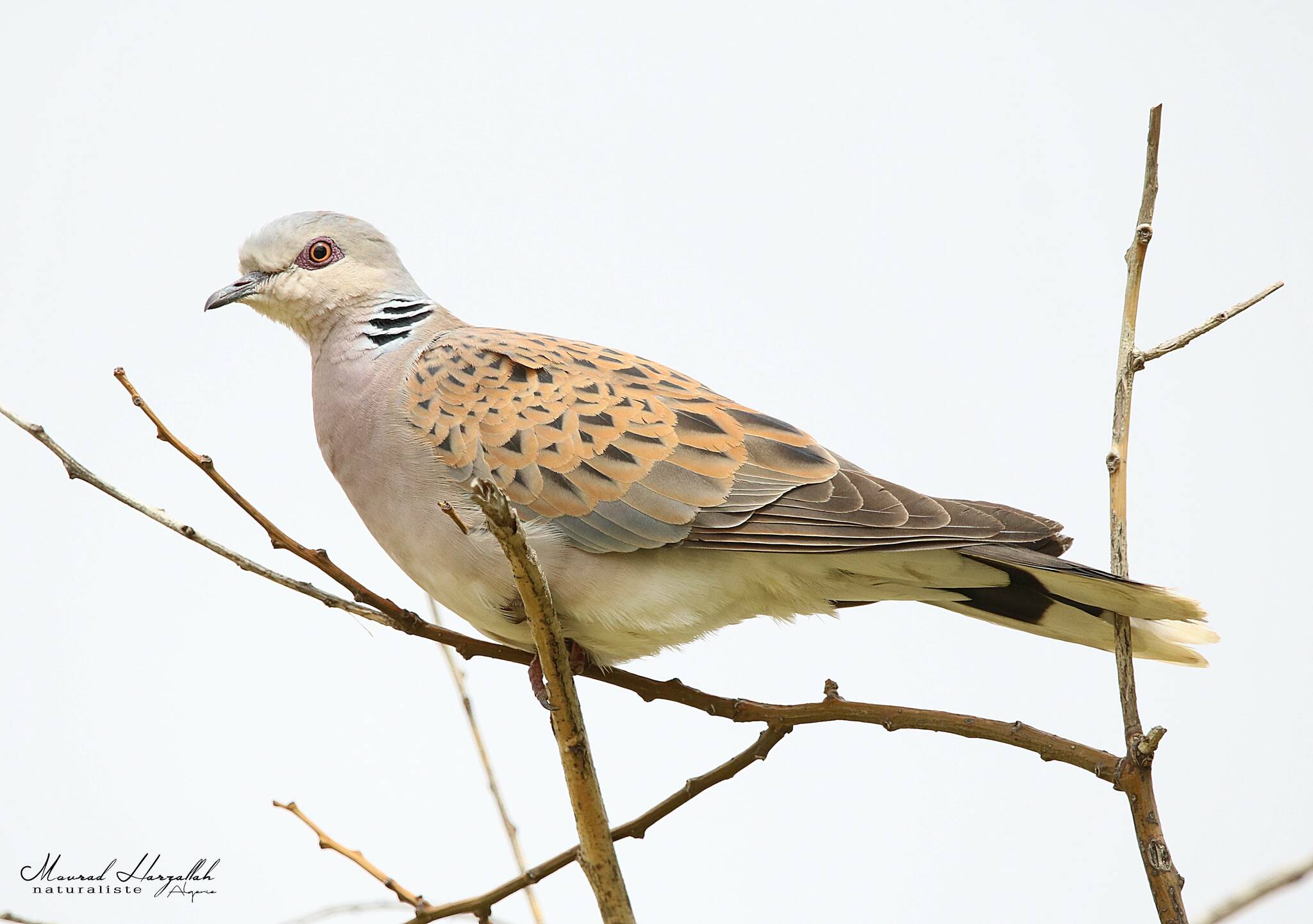
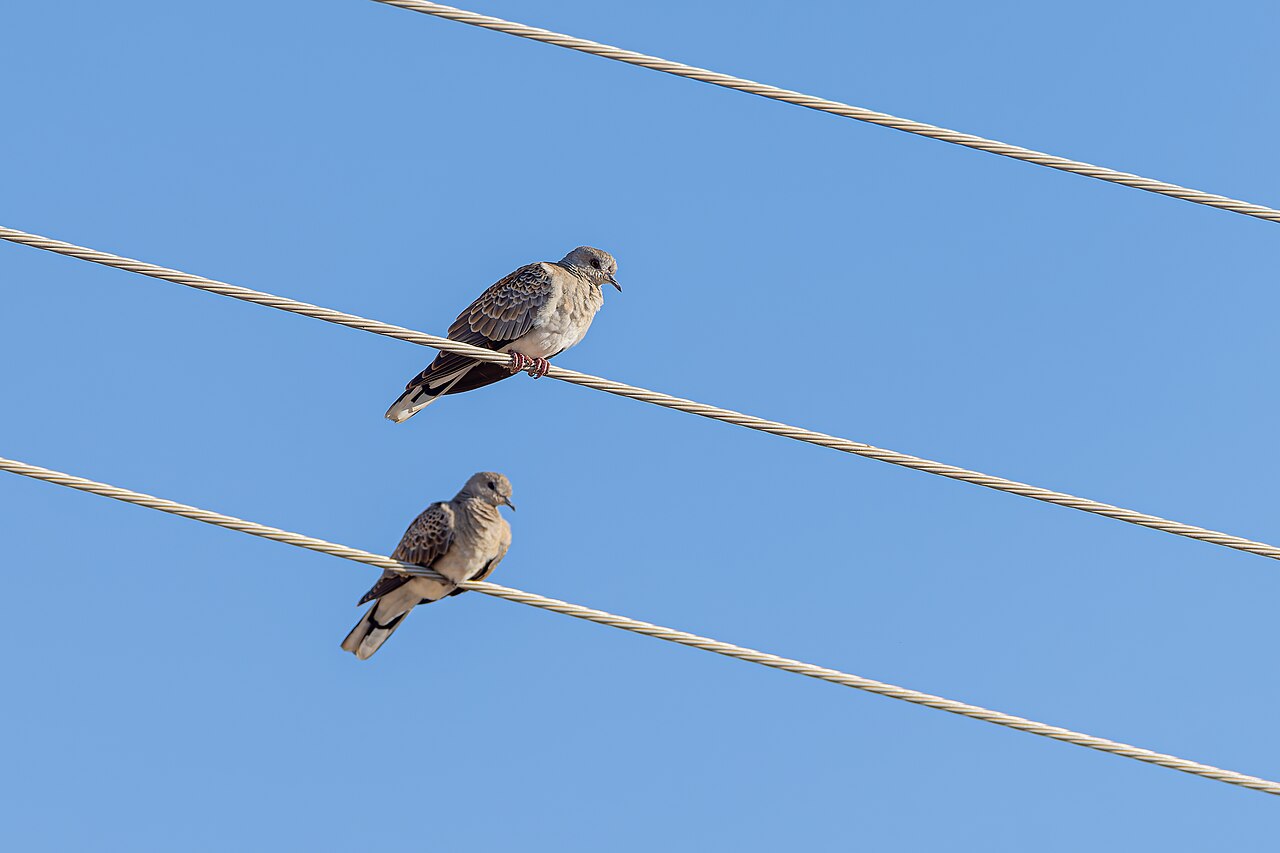
Hunting has fallen by about 90% on both managed European flyways, but Turtle Dove populations are rising in the west while the central and eastern route remains under pressure. What does this mean for countries along their migration routes?
From Sicily to Lebanon, Cyprus and Libya, courts, field teams and cooperation with the authorities form different fronts in protecting migratory birds from illegal hunting.