In a three-part investigation, Sayd explores hunting tourism programmes across the Arab world, from traditional hunting trips to accommodation, guiding services and local products. We begin in the Gulf, then move to the Maghreb, and conclude with Egypt, Iraq and Jordan, exploring how these experiences connect with tourism and local development.
Camps in northern Saudi Arabia, falcons and Saluki hounds in Al Dhafra, hunting linked to a resort in Al Ain, and game from Qatari farms. Behind these trips are accommodation, guiding, transport and breeding services, while the knowledge and crafts of desert communities become part of a tourism offering with its own visitors and bookings.
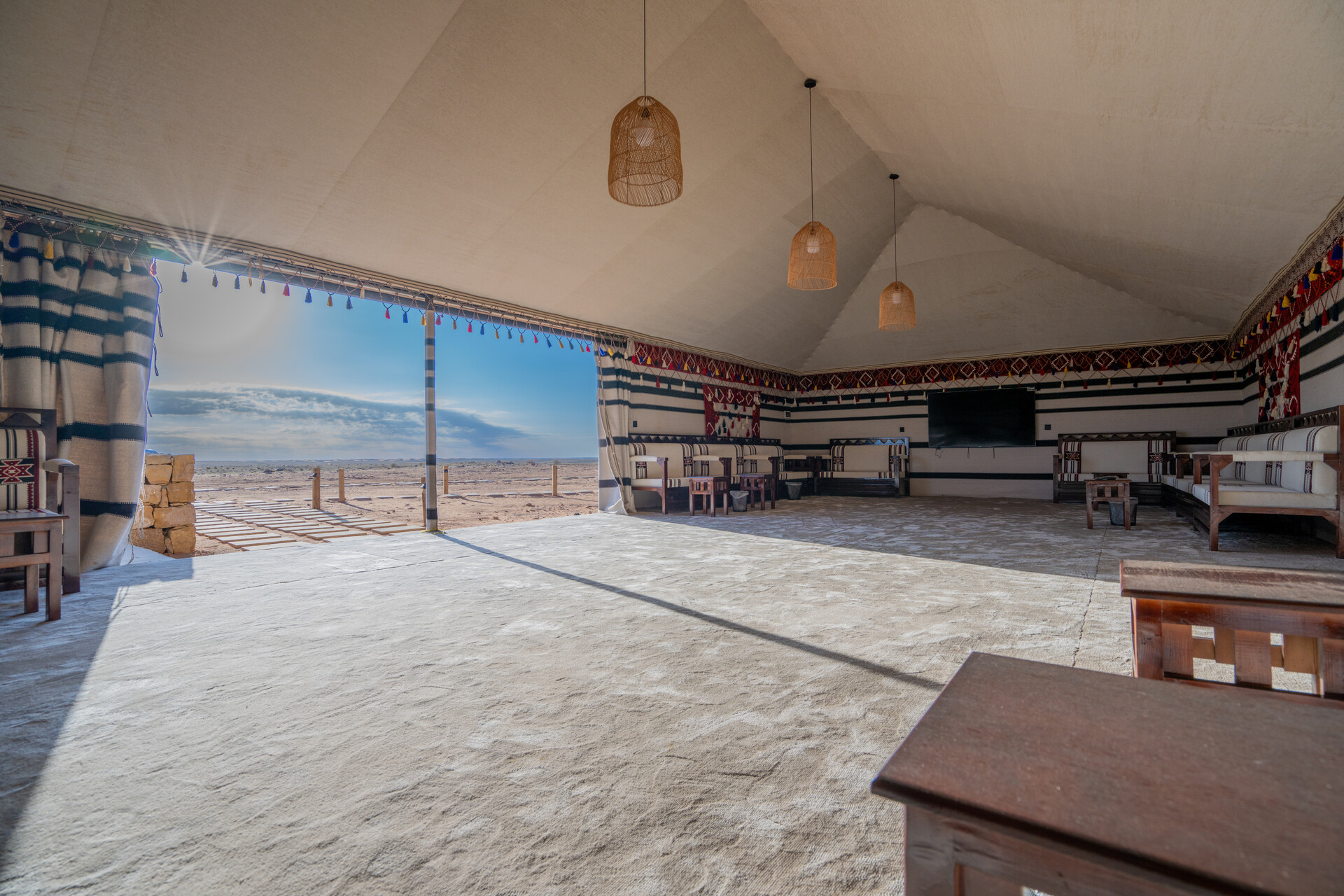
At Saudi Arabia’s Al Shamal Reserve, a group of hunting enthusiasts can choose a camp for twelve people, with six sleeping tents, a traditional woven tent and a dining tent. Larger groups can book a camp for thirty-one guests, with fifteen sleeping tents, a main suite, a kitchen and outdoor seating areas. A guide specialising in the environment and hunting accompanies the guests.
These are the details of a trip built around traditional hunting: where does the visitor stay, who accompanies them, and how do they spend their time in the desert? The Saudi experience, alongside Al Marzoom and Barari in the UAE and Al Jnoub Reserve in Qatar, reveals different sides of a market that combines hunting with hospitality and gives desert heritage a place in tourism programmes.
Northern Saudi Arabia: a camp, a guide and products from the local community
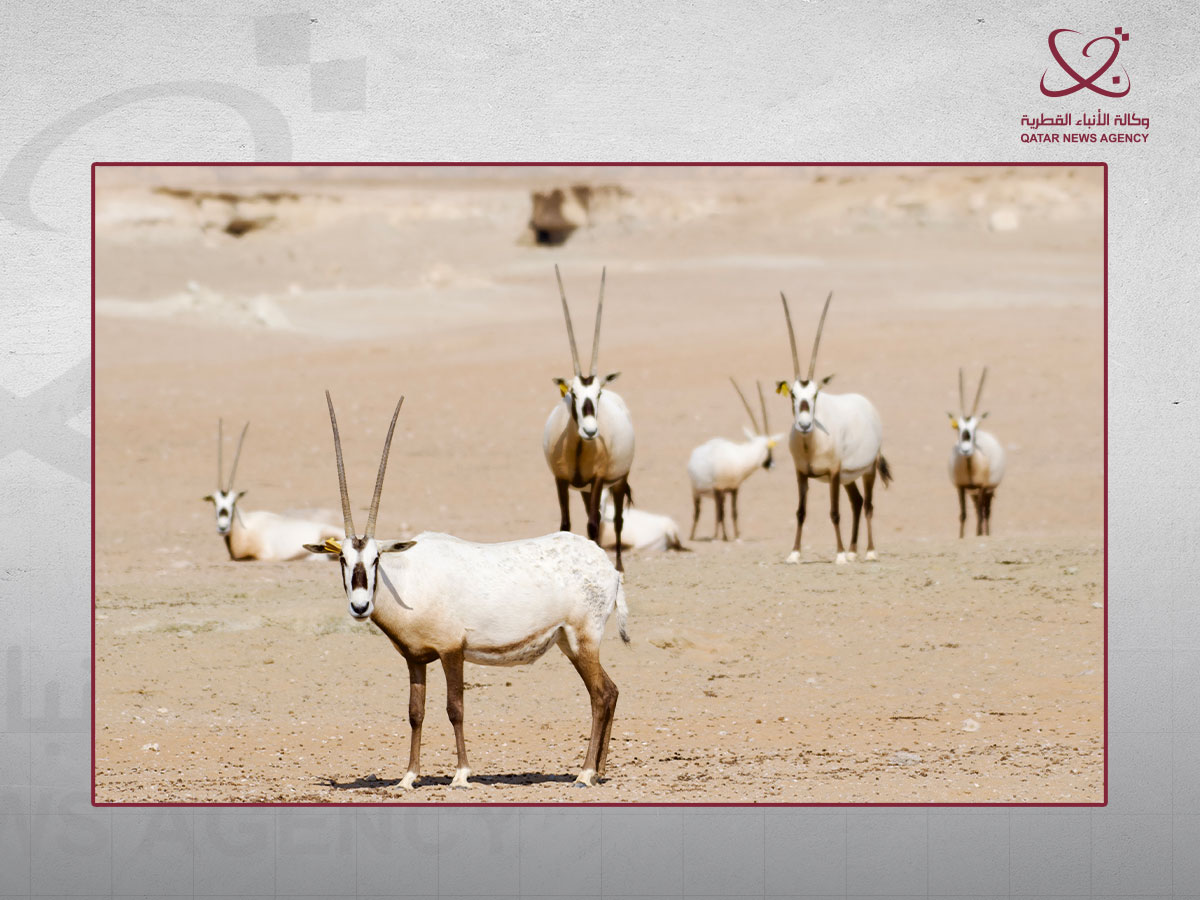
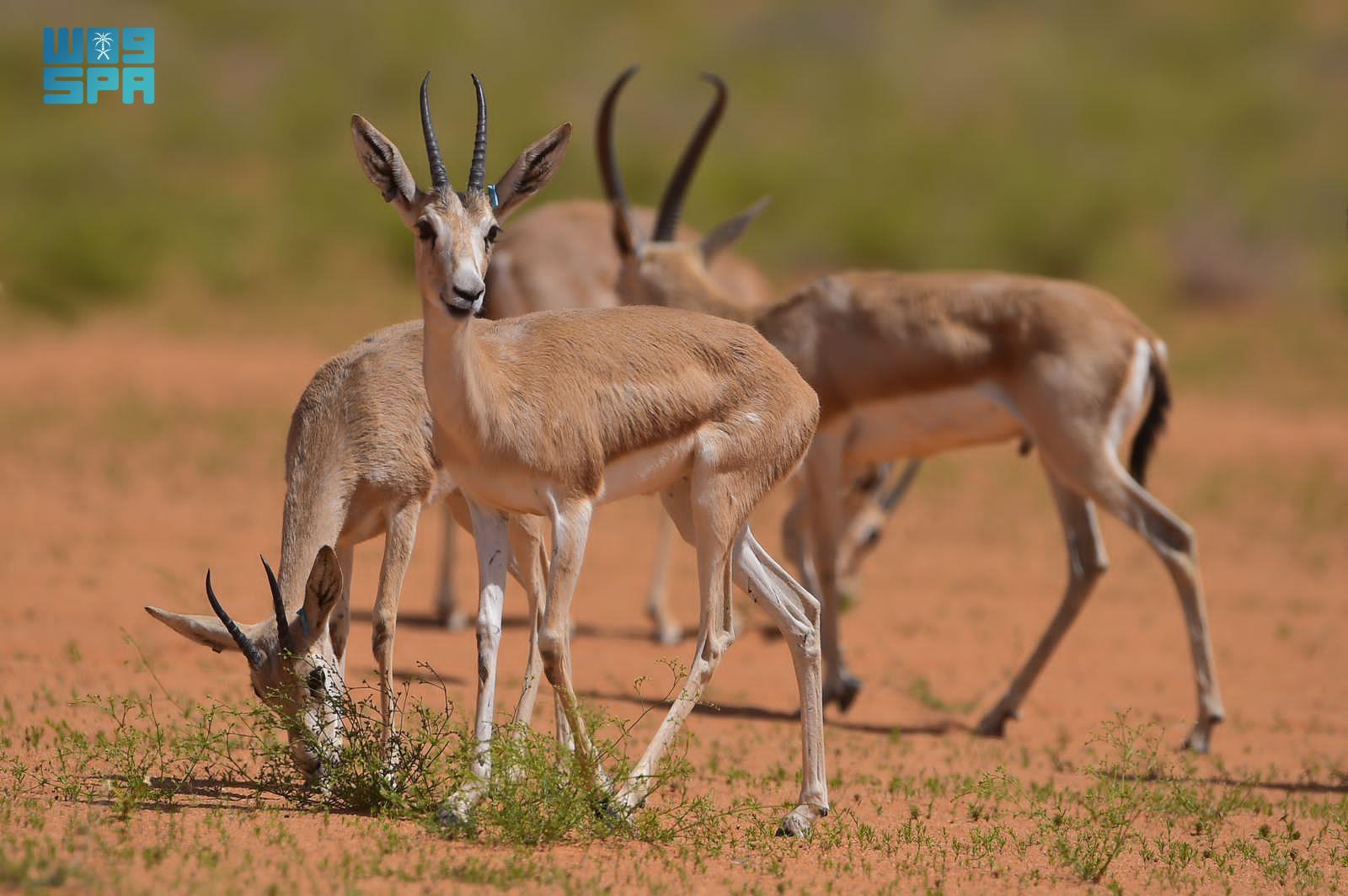
Established in 2022, Al Shamal Sustainable Hunting Reserve covers around two thousand square kilometres within the Imam Turki bin Abdullah Royal Reserve. Its experiences range from hunting houbara bustards with falcons to hunting gazelles with Saluki hounds or designated firearms, and Arabian oryx with firearms, according to the reserve’s rules and the type of programme.
Accommodation ranges from camps to an eco-lodge offering bedrooms, a majlis reception room, a kitchen and outdoor seating areas. This variety makes it possible to arrange a trip for a group of friends or choose a more private stay, while keeping the day’s hunting and hospitality services at the same destination.
Behind the game is a process that begins before the visitor arrives. The authority has explained that the programme relies on breeding game and preparing it to adapt to the natural environment before release, with hunting limited to specified numbers. Through this approach, breeding and field management become part of running the destination, alongside the camps and guest accompaniment.
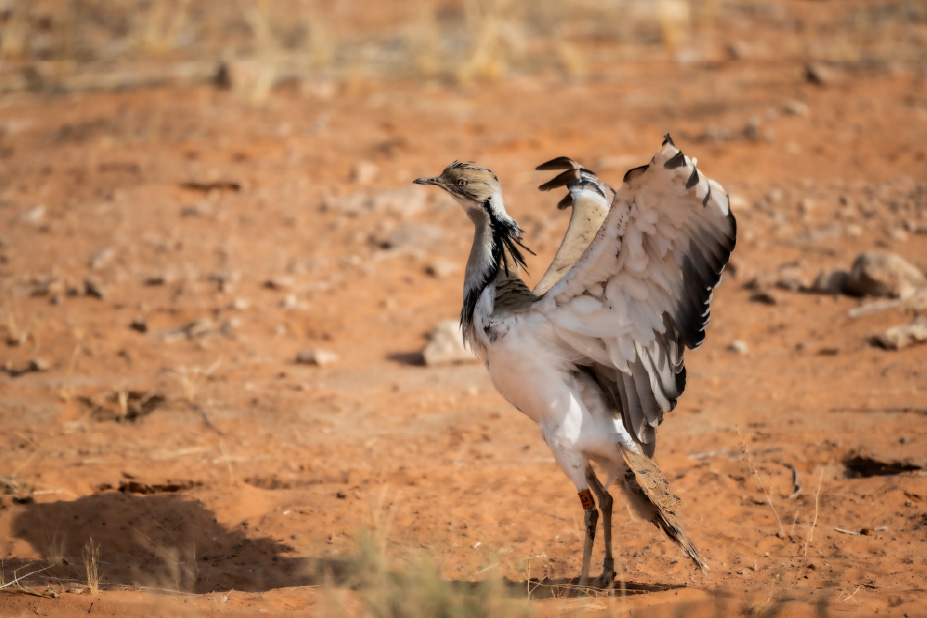
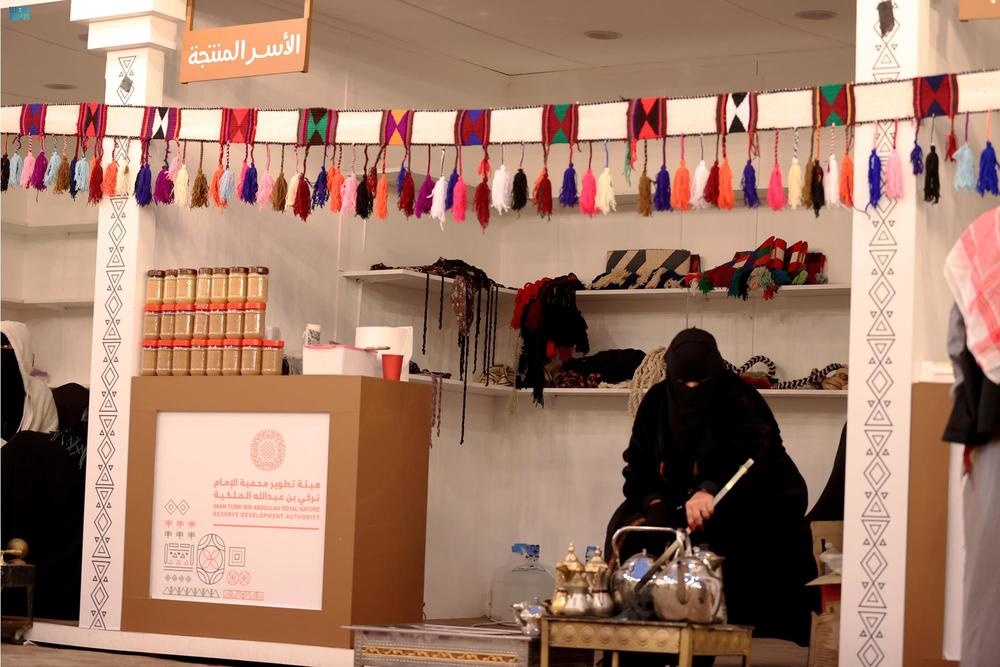
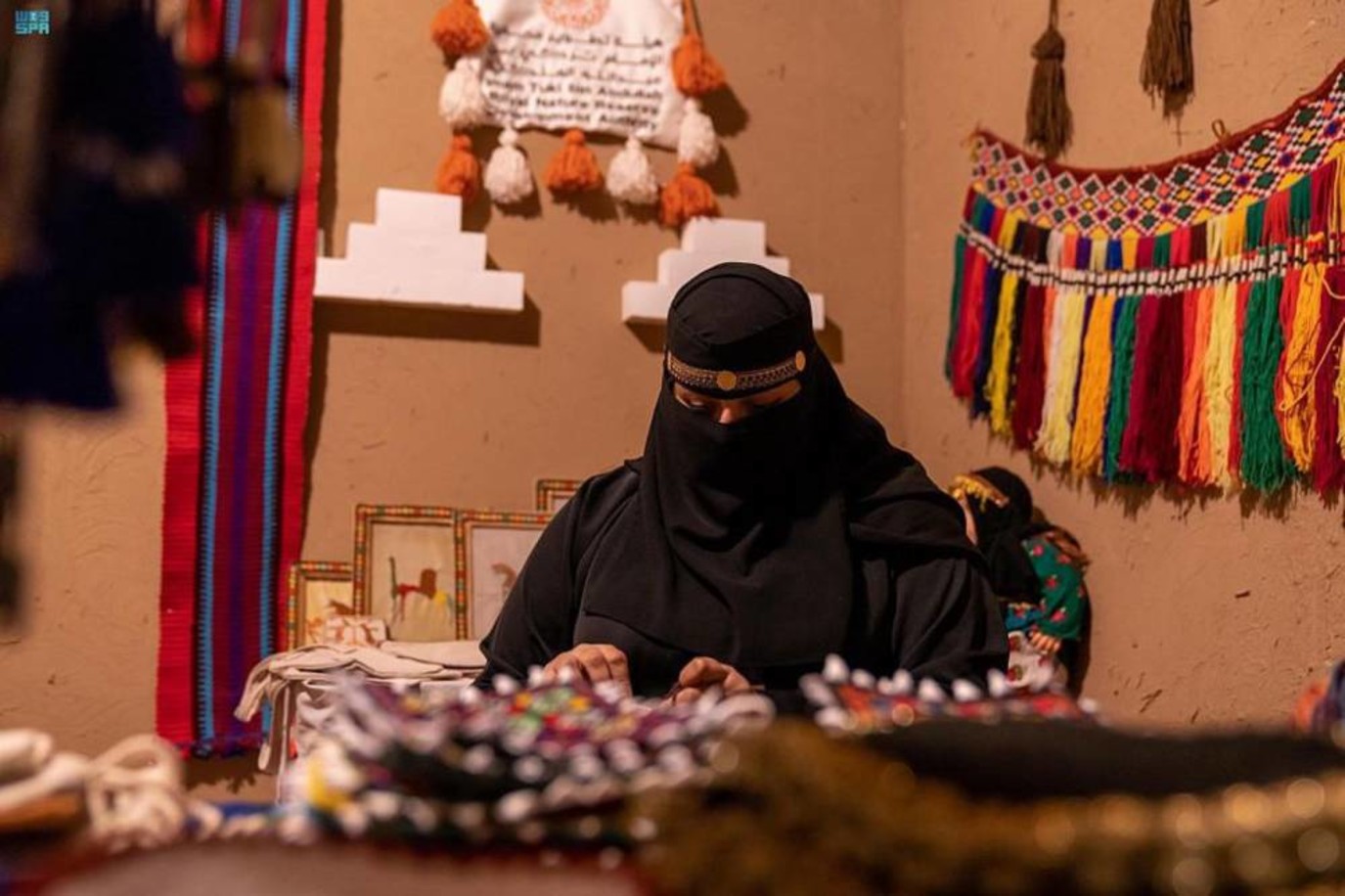
The local community has a direct place in the experience. The reserve has set aside an area where home-based producers display traditional products and handicrafts. This space connects visitors with local people, allowing them to discover and buy what they make.
Across the wider royal reserve, the authority also trains local residents in ecotourism guiding, falcon handling and honey production, and supports artisans and small-business owners. The Darb Zubaydah Winter Festival provides temporary jobs and opportunities for home-based producers to take part. This setting places the hunting trip within a broader tourism activity connecting the desert with heritage and local markets.
Al Marzoom: the falcon leads the journey in Al Dhafra
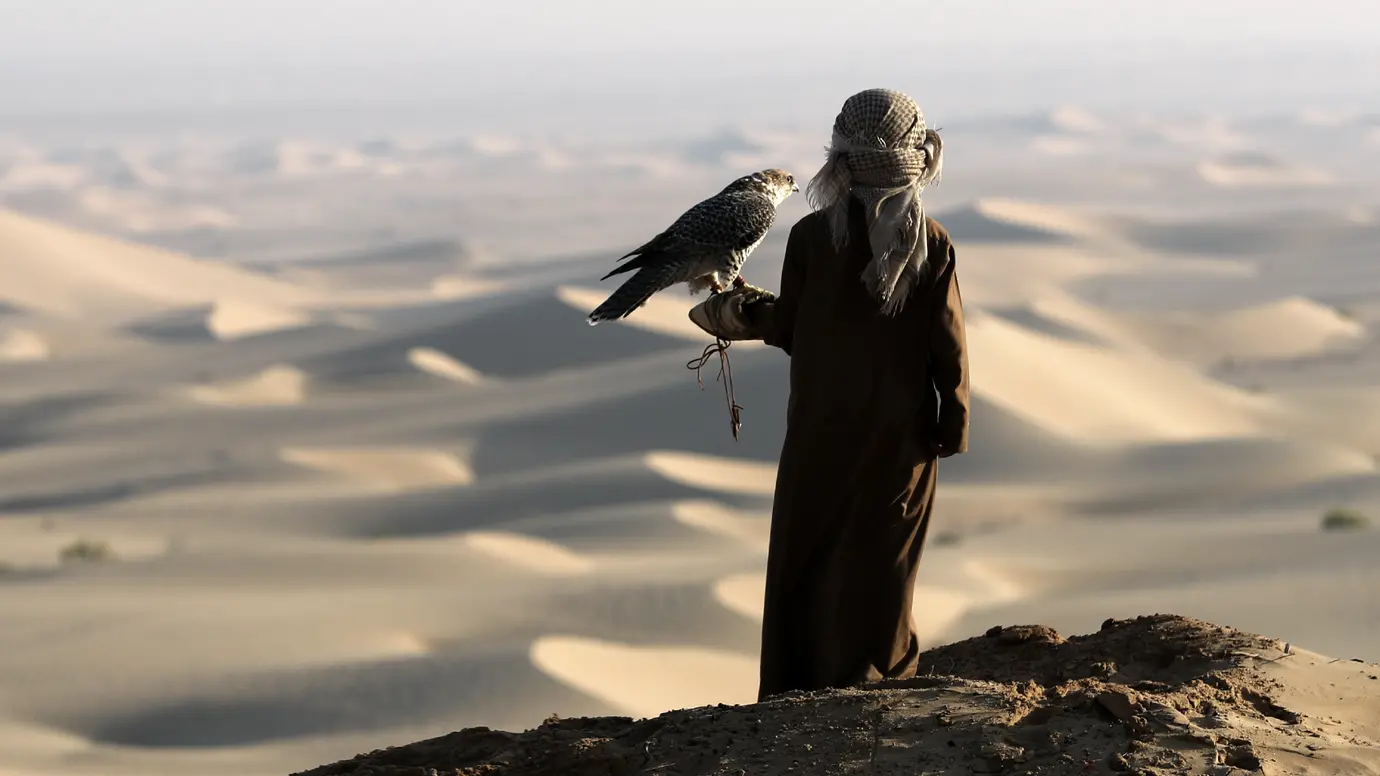
In Abu Dhabi’s Al Dhafra region, Al Marzoom Reserve retains the rhythm of traditional hunting. Visitors are divided into groups accompanied by experienced field guides, and hunt with falcons and Saluki hounds, without firearms. The game includes houbara bustards, hares and antelopes, while travel within the reserve and overnight stays in its camps complete the experience.
Here, the guide is part of the trip’s value: knowing the place, accompanying the group and guiding it through an experience different from a wildlife-watching tour. Overnight options range from the Royal Camp and Elite Camp to the Individuals Camp, while the desert setting allows visitors to discover its plants and wildlife. Since opening in 2015, the reserve has welcomed falconry enthusiasts and tourists from Arab countries and beyond.
The details of hospitality add a social dimension to the hunt. Falconers can take their game away or cook it at the campsite, and activities at the destination include camel riding, guided tours and traditional cooking. The experience thus extends beyond the hunting hours to time spent in camp and with companions.
Al Marzoom also features in Sayd’s early archives: the magazine covered its opening in November 2015, then documented its reception of falconers from Saudi Arabia and Qatar in February 2017 as part of an experience-exchange programme. This history highlights the destination’s role in bringing hunting enthusiasts from the region’s countries together around a shared experience.
Barari in Al Ain: hunting enters the resort world
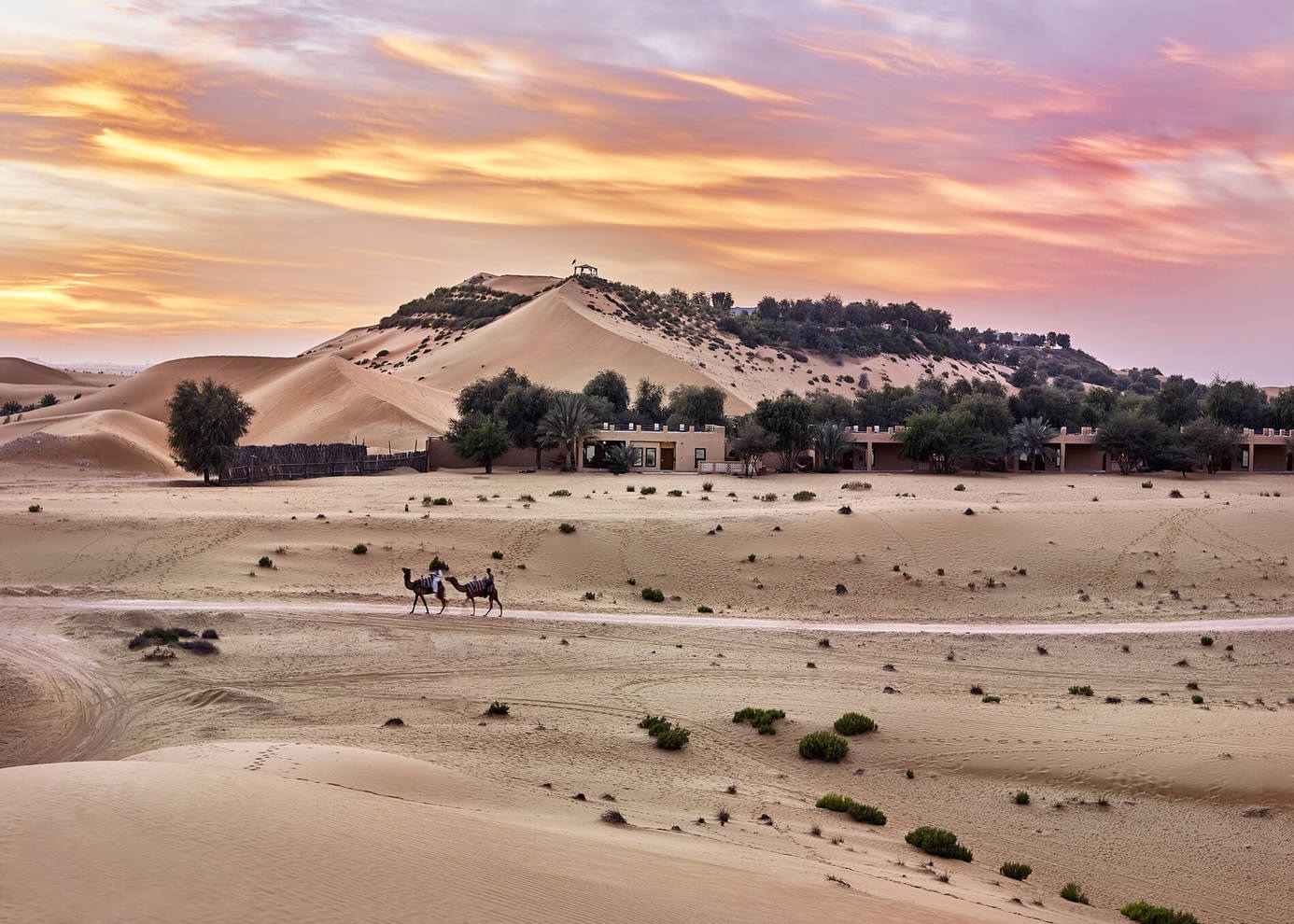
In Remah, Al Ain, Barari Hunting, associated with Telal Resort, offers a model combining hunting experiences with desert accommodation facilities. The operator offers three types of game: Arabian oryx, sand gazelle and the mountain gazelle known as damani. For international bookings and enquiries, it lists agents in Spain and Romania, alongside direct contact with its team in the UAE.
In an interview with Khaleej Times published in September 2026, Barari’s hunting manager, Saif Al Saleh, explained that the operator provides firearms, vehicles and professional supervision, and that participants do not bring their own weapons. He said the game intended for this experience is captive-bred and hunted under the supervision of the Environment Agency – Abu Dhabi. In this model, equipment and accompaniment are services supplied by the operator itself.
Telal Resort, meanwhile, offers accommodation and activities including camel and horse riding and desert safaris. These options give companions a programme of their own, allowing one visit to bring together people who have come to hunt and others who have chosen to stay and explore the desert.
The link between hunting and hospitality also appears in the project’s investment structure. Alpha Dhabi Group’s 2025 financial statements list Telal Resort among the companies of Mawarid Holding Investment, with its stated activities combining hotel and resort management with the operation of sport-hunting reserves. It is a clear illustration of hunting experiences becoming part of the tourism and accommodation business.
Qatar: a journey connecting camp and farm
In southern Qatar, Al Jnoub Reserve combines traditional hunting with camping across terrain ranging from sand to rock and vegetation. The model’s distinctive feature begins with the source of its game: it is bred on Qatari farms, numbered and released under the reserve management’s inspection. The Ministry of Environment and Climate Change explains that this approach aims to ease pressure on wild game and allow its numbers to increase.
The reserve offers a large camp with a majlis, four sleeping tents and a kitchen, and a smaller one with a majlis, two sleeping tents and a kitchen. Its services include vehicles equipped for hunting, while the game list includes hares, houbara bustards, stone-curlews and antelopes.
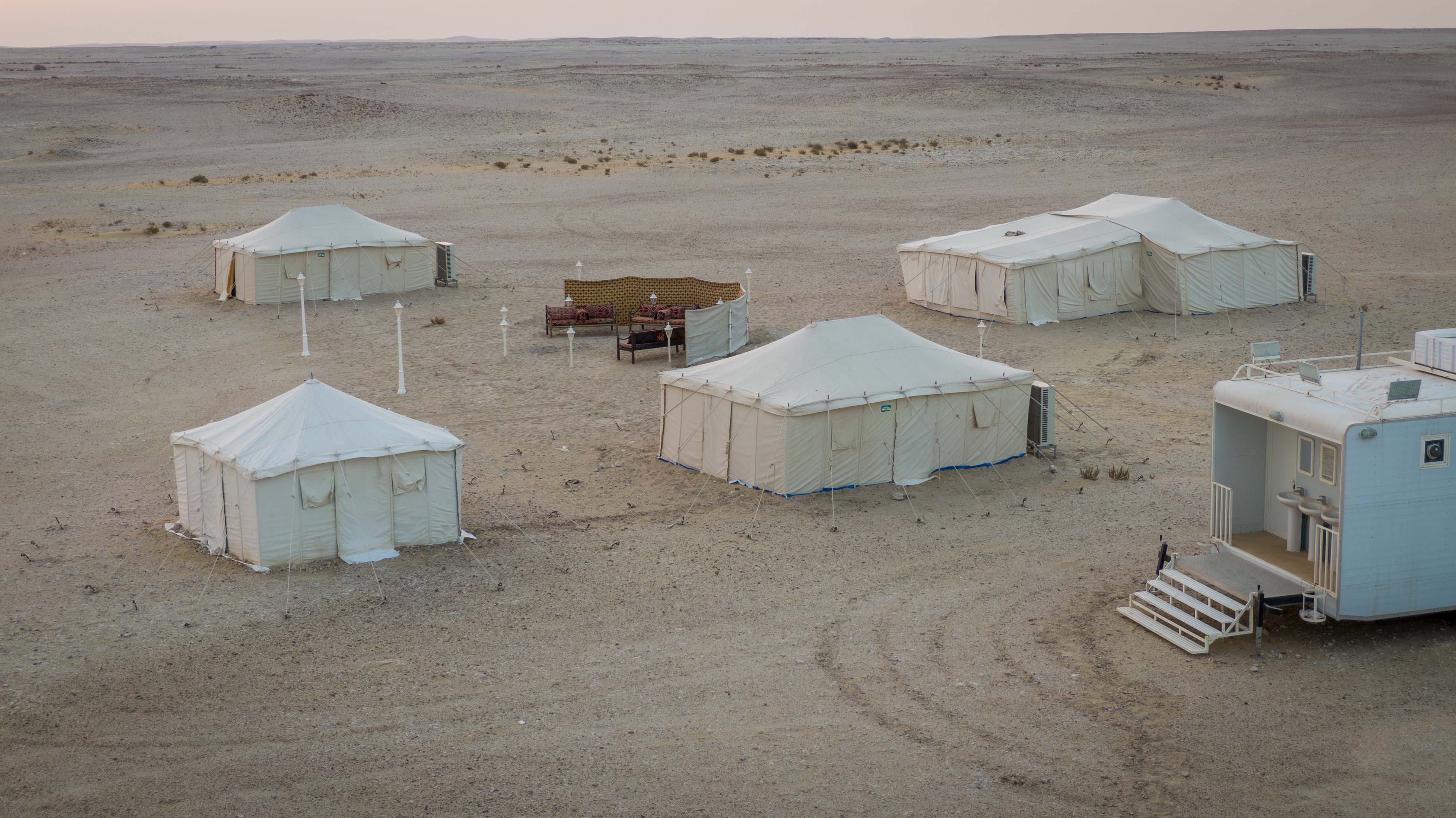
The programme is booked through the reserve’s app, and hunting methods are limited to falcons and hunting dogs. Operational details include the provision of water, fuel, daily cleaning services and transport of visitors’ belongings to the camps, with shops at the main headquarters. Private cars are not allowed into the reserve, and movement and hunting arrangements are subject to its management’s instructions.
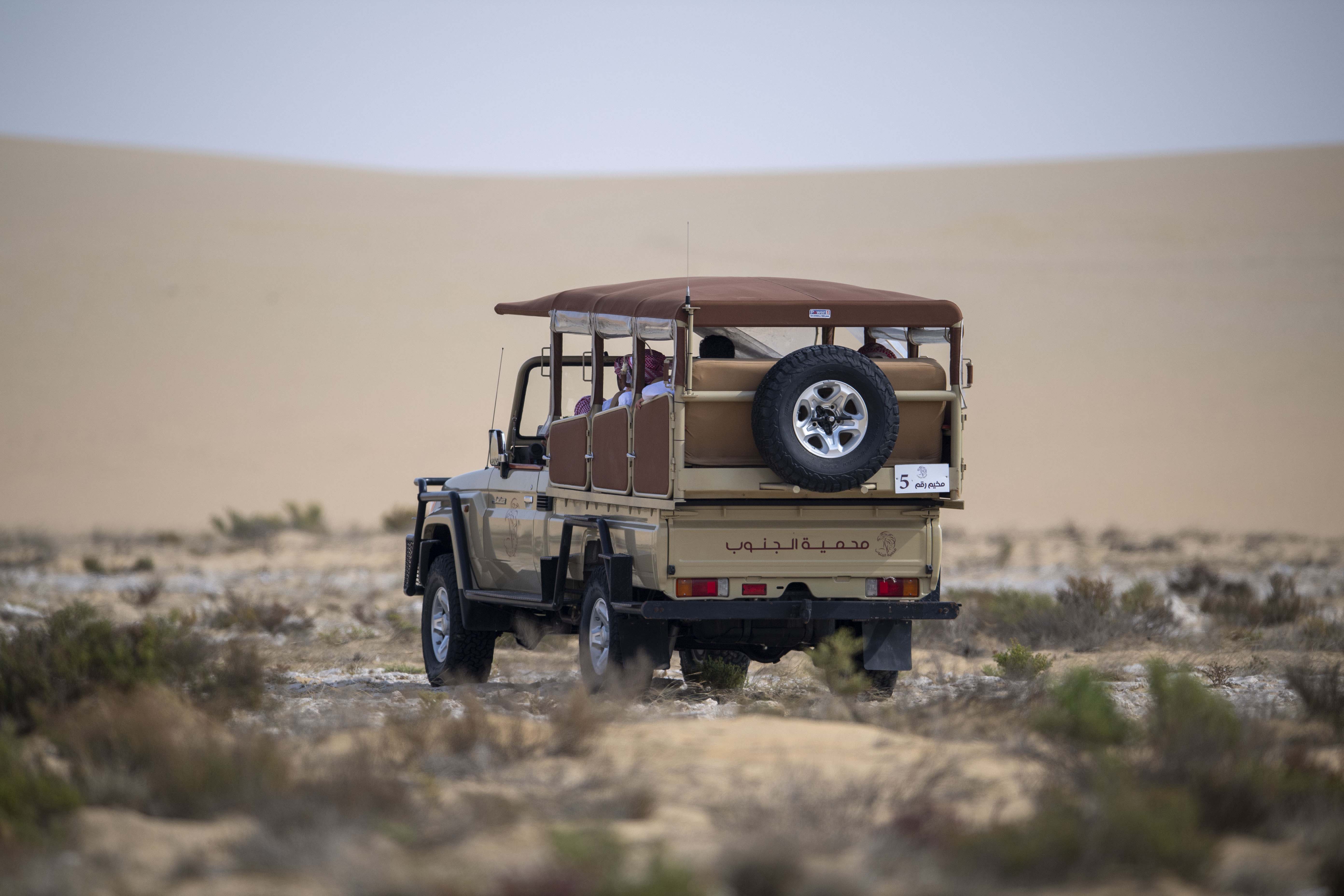
These details show how work is distributed around a single trip: a farm breeds the game, a team prepares the camp, a service transports belongings, and workers handle cleaning and supplies. In this local network, the pursuit of traditional hunting meets services that visitors need throughout their stay.
Where does the value of the trip go?
From Al Shamal to Al Dhafra, Al Ain and southern Qatar, some operational elements are similar, while the character of each experience differs. Falcons and hunting dogs are central to Al Marzoom and Al Jnoub; hunting methods are more varied at Al Shamal; and the Barari model adds outfitted hunting services to a resort stay. These differences allow hunters to choose between a heritage-centred trip, a group stay in camp and an experience combining hunting with hotel services.
The value of the trip is spread across accommodation, transport, specialist guiding, meals and camp equipment, alongside game breeding and the management of releases. The involvement of home-based producers at Al Shamal adds a channel linking visitor spending with local crafts and products.
A destination’s opportunities grow when companions also find things to do. Camel and horse rides, nature exploration and desert stays add other activities to the trip, allowing family members or friends with different interests to take part. This is where organising the whole programme matters: hunting attracts enthusiasts, while hospitality makes the destination suitable for a stay that others can share with them.
These Gulf experiences show the practical elements of hunting tourism: an identified location, an operator responsible for services, specified game and hunting methods, and accommodation linked to the programme. At their heart remain people with expertise, from guides and falconers to breeding and hospitality workers and artisans. Through them, the details of the trip become work, and heritage finds a place in the local economy.
Sources: Saudi Press Agency, Imam Turki bin Abdullah Royal Reserve Development Authority, Abu Dhabi Media Office, UAE Ministry of Climate Change and Environment, Qatar’s Ministry of Environment and Climate Change, the operators, and Sayd’s archives.
In the next two parts
- Hunting Tourism in the Maghreb Countries
- Hunting Tourism in Egypt, Iraq and Jordan