From the rifle to the lens: how journalism can help protect migratory birds and change the culture of displaying kills.
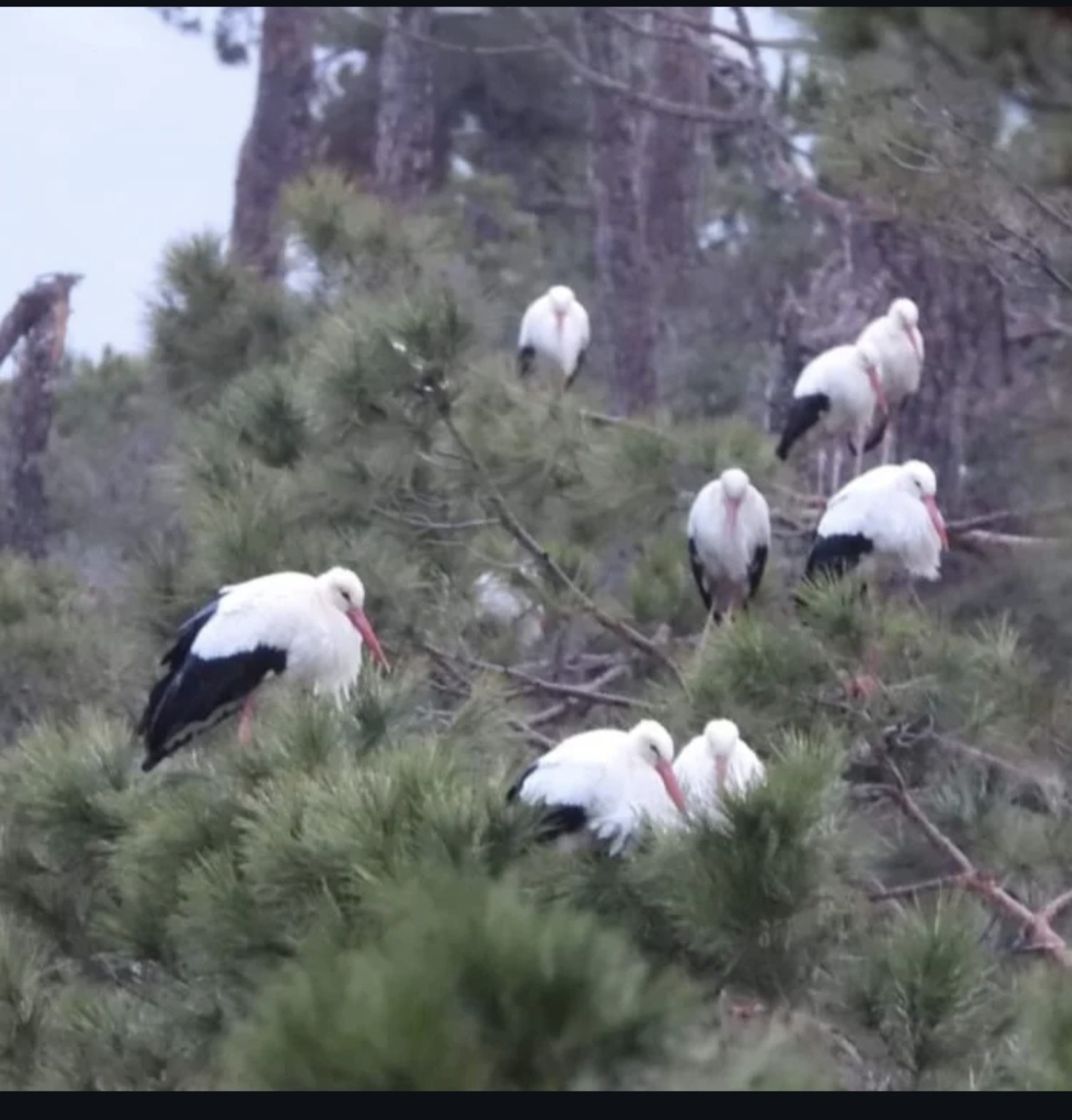
Golden leaves are not the only things that fall in Lebanon’s autumn. Birds that should be crossing its skies on their way to Africa sometimes fall too, discovering that a stopover has become an ambush. Storks and birds of prey arrive along their migration routes, only to be met by some people with a rifle and a phone: the first to bring down the bird, the second to immortalise a false feat of heroism. As though hitting a creature exhausted by its journey required an applauding audience.
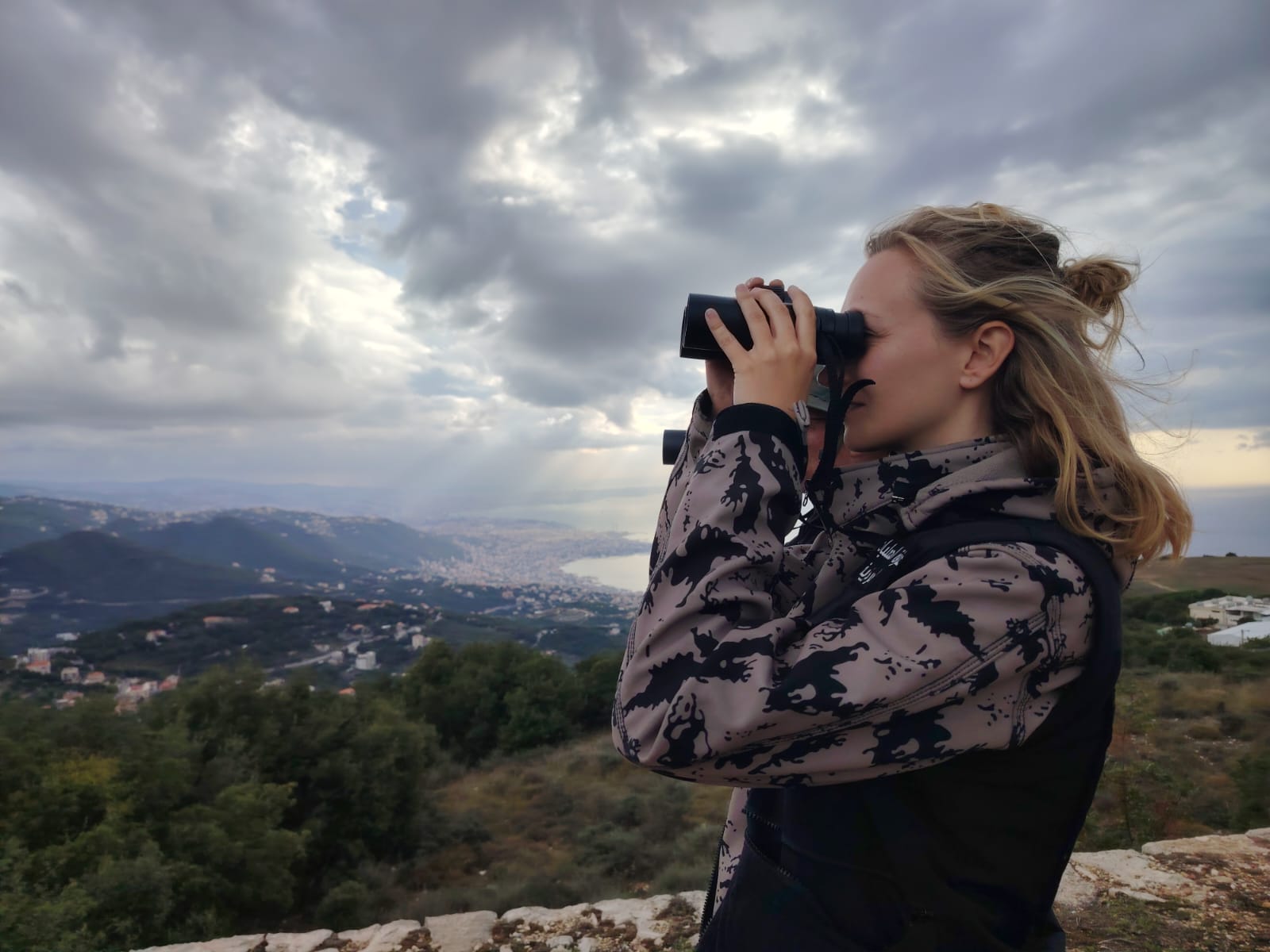
This is precisely where the philosophy promoted by Sayd Magazine comes into focus: ‘hunting the image instead of the bird’. It does not extinguish the passion for pursuit and challenge, but gives it a nobler spirit, replacing the rifle with a lens and camouflage for killing with camouflage for documenting. It allows the bird to live and continue its journey.
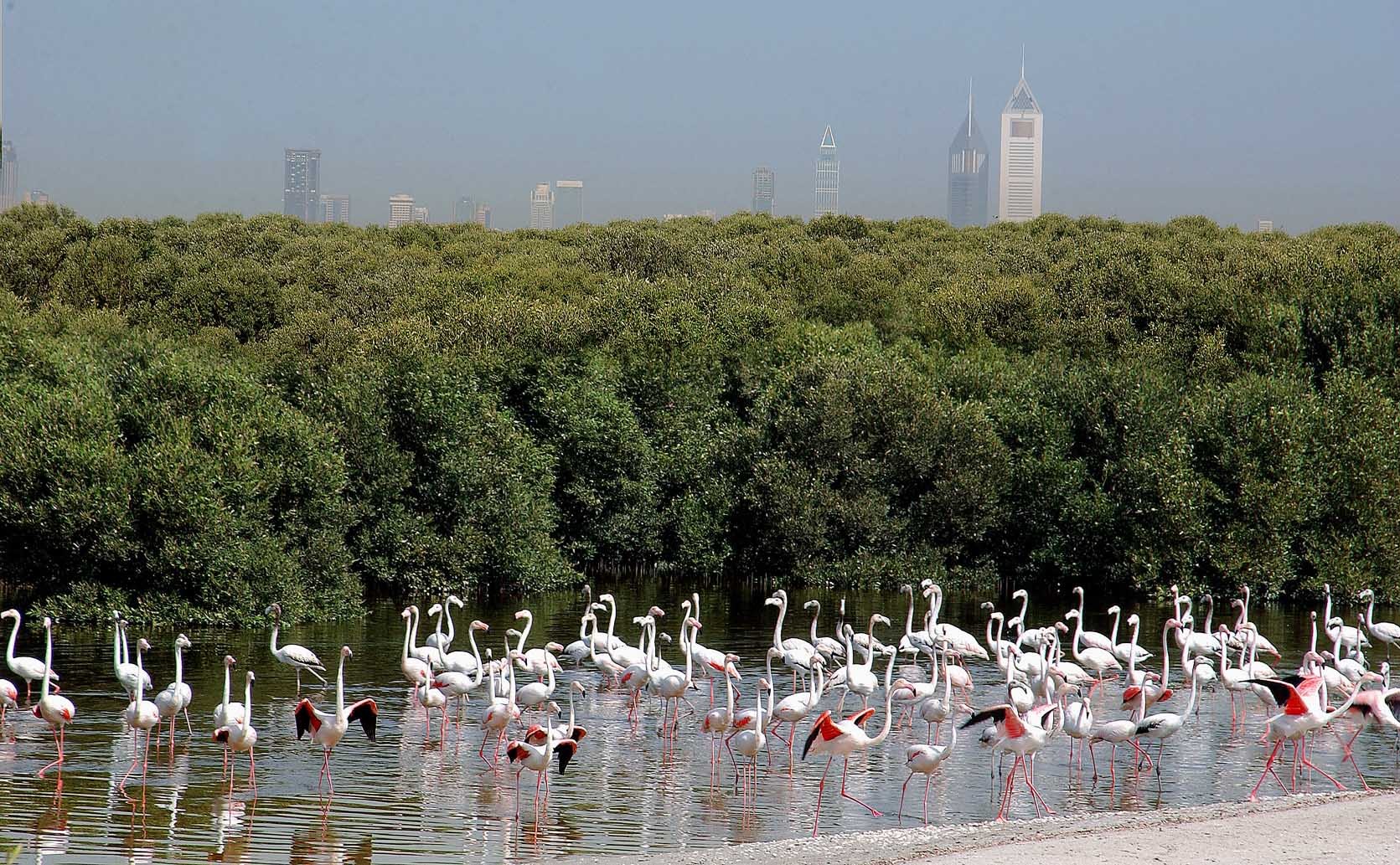
Lebanon is an important passage for migratory birds travelling between Europe, Asia and Africa. Flocks gather along corridors that make them more vulnerable to being targeted. Protecting them goes beyond compassion for a broken wing: depending on their species, birds help control pests, disperse seeds and maintain ecological balance. Their repeated loss is therefore a loss for nature and agriculture alike.
Everyone has a part to play in the cycle of protection that allows birds to pass safely, and the media must provide a broad platform for that effort. Through reporting, broadcasting and public awareness, they can make this loss understandable, moving birds beyond the category of beautiful scenery and showing how their lives serve a function in nature. Coverage that stops at a photograph of a slaughtered flock before moving to the next story may create a passing shock, while leaving the culture that produced the scene comfortably in place.
The image itself carries a striking paradox. A study published by André Raine and colleagues in Oryx in February 2025 analysed approximately 1,844 photographs posted on Facebook and Instagram between 2011 and 2023. Researchers identified 212 species of hunted birds, 94% of which were legally protected in Lebanon. Photographs intended for boasting thus became evidence documenting violations: the irresponsible hunter displays an achievement, while the researcher reads a record of an offence.
One article will not stop every rifle. But the media can withdraw the applause surrounding it.
From awareness to follow-up
Such coverage has value in building knowledge, but statements need more follow-up on the ground: where are the nets set? How are birds sold? And what happens after a violation is detected?
Media follow-up in Lebanon could improve through regular coverage that begins before autumn migration, explains protected species and hunting rules in clear language, and includes experts and law-abiding hunters. Television and digital platforms can tell stories of rescue and birdwatching, while avoiding precise disclosure of sensitive species’ locations or presenting killing footage as entertainment.
The media can thus play a vital and influential role in protecting migratory birds in Lebanon. One initiative would be to challenge ‘hunting for engagement’ through parallel campaigns that present wildlife documentarians and environmental advocates as the real heroes, highlighting images of birds flying free as a constructive alternative to photographs of killing and abuse.
It is important to move beyond emotional awareness towards economic and agricultural understanding, producing investigative reports and accessible media material about migratory birds’ ecological roles. Explaining how birds of prey and storks help control rodents and agricultural pests, for example, can show citizens and farmers that killing these birds causes direct material and economic losses for the country.
Developing environmental investigative journalism and field monitoring could be a particularly important initiative. Investigations could use open-source tools to trace videos and leaked material documenting the mass killing of migratory birds, and hold social media platforms and the relevant authorities to account for shortcomings in enforcing the law and restricting this content.
Media partnerships with schools and field organisations may also be among the most effective long-term initiatives. Interactive content for young people—short stories, interactive documentaries and programmes on TikTok and Instagram—could be created with environmental experts and civil society organisations, spreading a culture of birdwatching tourism as a promising source of economic and tourism activity for Lebanon.
One article will not stop every rifle. But the media can withdraw the applause surrounding it and turn a violation into an issue that persists after the video disappears. Autumn can then become a season for watching the travellers in our skies, and birds can stop paying the price for a human desire to be seen.