Interview: Shireen Bou Rafoul
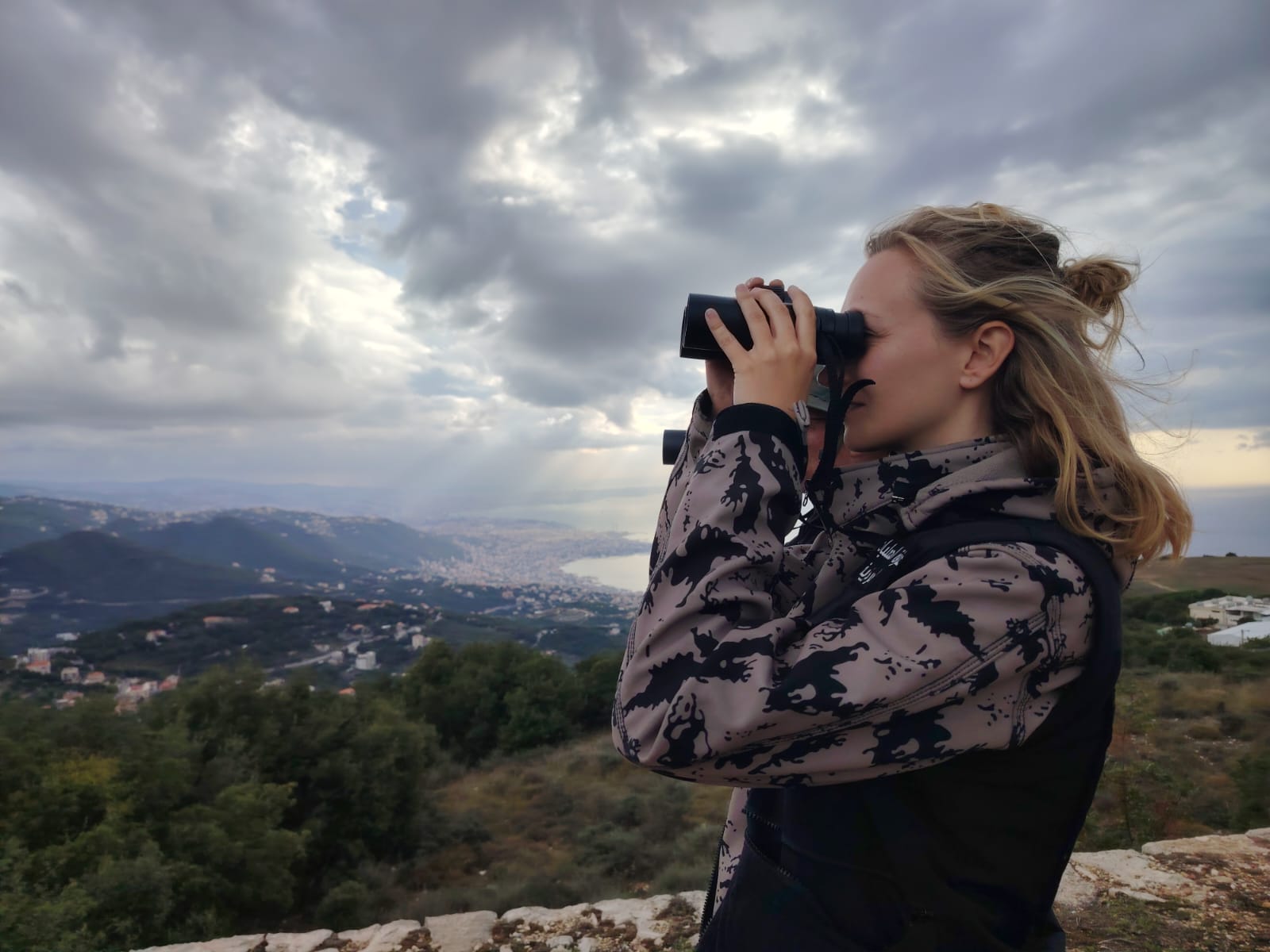
From watching migration routes to documenting offences, CABS volunteer Alexandra discusses her field experience in Lebanon and Europe, and the patience, risks and cooperation involved in protecting birds. In this interview, she explains why she distinguishes responsible hunters from people who break the law.
Alexandra, please introduce yourself and tell us how your work protecting birds and volunteering with CABS began.
I’m Alexandra, I’m 33, and I have been volunteering with CABS for more than three years. I studied conservation biology in Vienna, where I explored species protection in depth and developed a particular love of birds. In my main job, I work with BirdLife Austria on combating the illegal persecution of birds of prey in Austria, so I am involved professionally as well as through volunteering.
You are German, live in Austria and take part in field operations in different countries. What keeps you going?
My strongest motivation is to do my part to stop people destroying nature. I believe we should stand up for the things that matter to us. Of course, this work can sometimes be very frustrating and exhausting, but I draw strength from the people fighting alongside me. Celebrating small and large victories together, and giving each other courage and support, is something beautiful.
What is your role within CABS, and what are your main responsibilities during field campaigns?
As a volunteer field activist, my main task is to monitor hunting areas, identify and document illegal hunting, and gather strong evidence, such as photographs and videos, that can be handed to the competent authorities. The material we collect is also used in our international awareness campaigns and media activities.
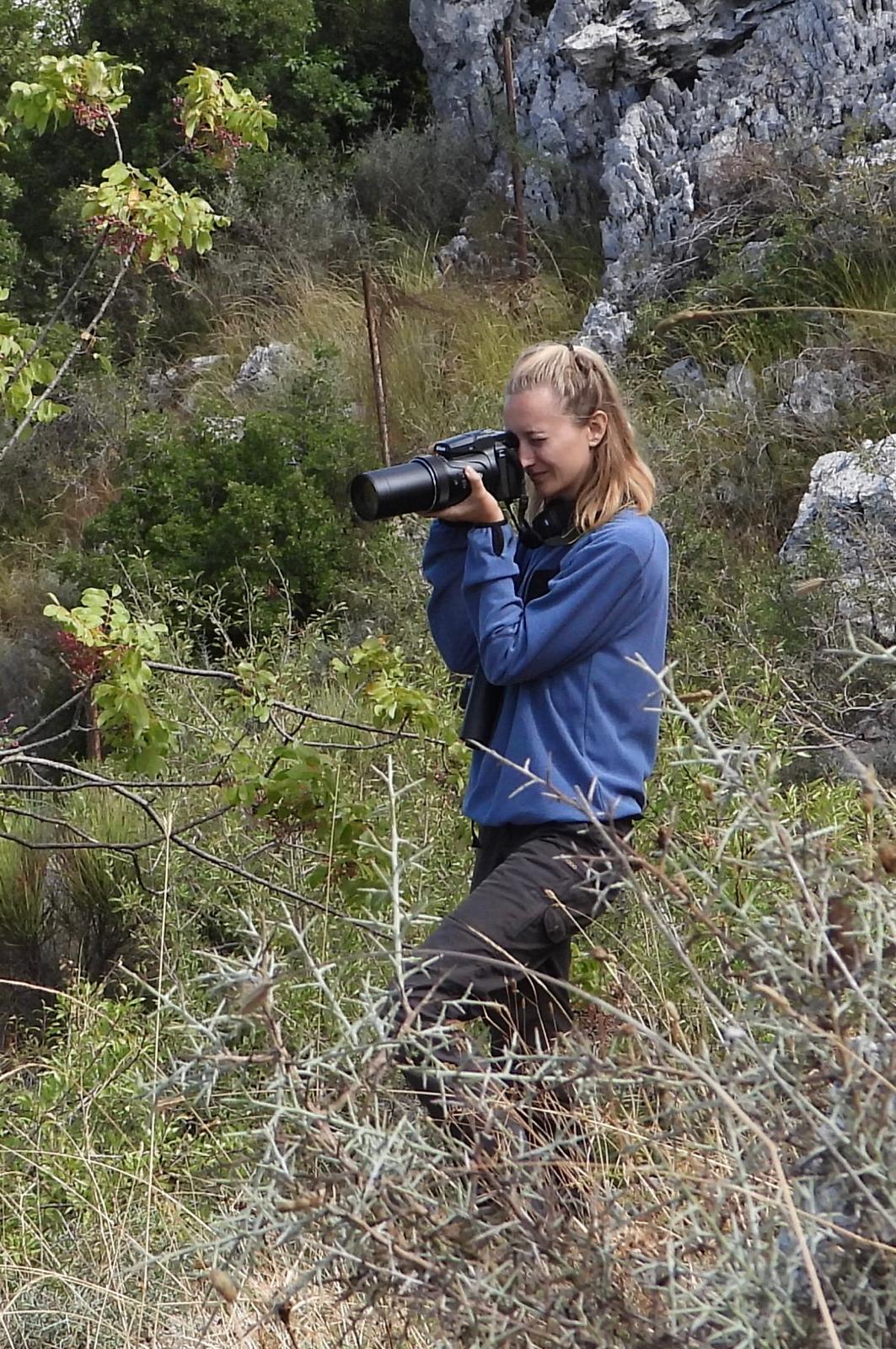
What does monitoring and documenting hunting offences actually involve on the ground?
It means staying alert all the time. It takes patience, calm and perhaps a little stubbornness. Giving up quickly is not an option. You also need a high tolerance for frustration. You spend a lot of time sitting, watching and waiting; then events can suddenly move very fast, and you have to be ready to act.
You have taken part in field operations in Lebanon. What impressed or surprised you most about hunting and bird migration there?
Bird migration here is truly astonishing. Because of Lebanon’s unique position between the sea and the mountains, it is a very important bottleneck for migrating birds. For example, almost all the world’s lesser spotted eagles pass through Lebanon. You can also see an impressive number of species in concentrations rarely encountered elsewhere. It is a remarkable natural spectacle. At the same time, I have never seen so many birds of prey being shot at or targeted. That contrast is very difficult to comprehend.
From your experience in different countries, what are the main differences between Lebanon and Europe when it comes to illegal hunting?
Compared with Austria or Germany, the motives for killing birds are very different. In Austria, some people shoot or poison birds of prey because they see them as pests or competitors for hares and pheasants. Here, migrating birds are shot as a hobby or for food. The second difference is the enormous number of birds killed illegally: it is on an entirely different scale.
Have you ever faced difficult or dangerous situations during fieldwork? How did you handle them?
Not in Lebanon, but in northern Italy someone once pointed a hunting gun at me. It was my first field operation, and of course I was frightened. Fortunately, nothing happened, and my colleague was very supportive and helped me get through it. For a moment, I thought: “What the hell am I doing here?” Just twenty minutes later, we found illegal trapping nets, and I realised again that it was all worthwhile.
How important is cooperation between international organisations, local teams and security forces to achieving real results against illegal hunting?
Cooperation with the police is essential. Without it, we do not have a real chance of tackling poaching. The same applies to cooperation within the team between Lebanese and international members. CABS brings decades of experience and expertise in combating poaching, which is essential to working effectively. But the Lebanese part of the team is equally important: its members understand local conditions and work on the ground all year round. Only by working together can we achieve real results.
If you could specialise more deeply in one area of combating poaching, what would it be, and why?
Combating poaching is not just about birds; it covers other groups of animals too. I already work in a very specialised field: the illegal killing of birds, particularly birds of prey. I do not think further specialisation would be useful, because having varied skills also gives us many advantages in this work.
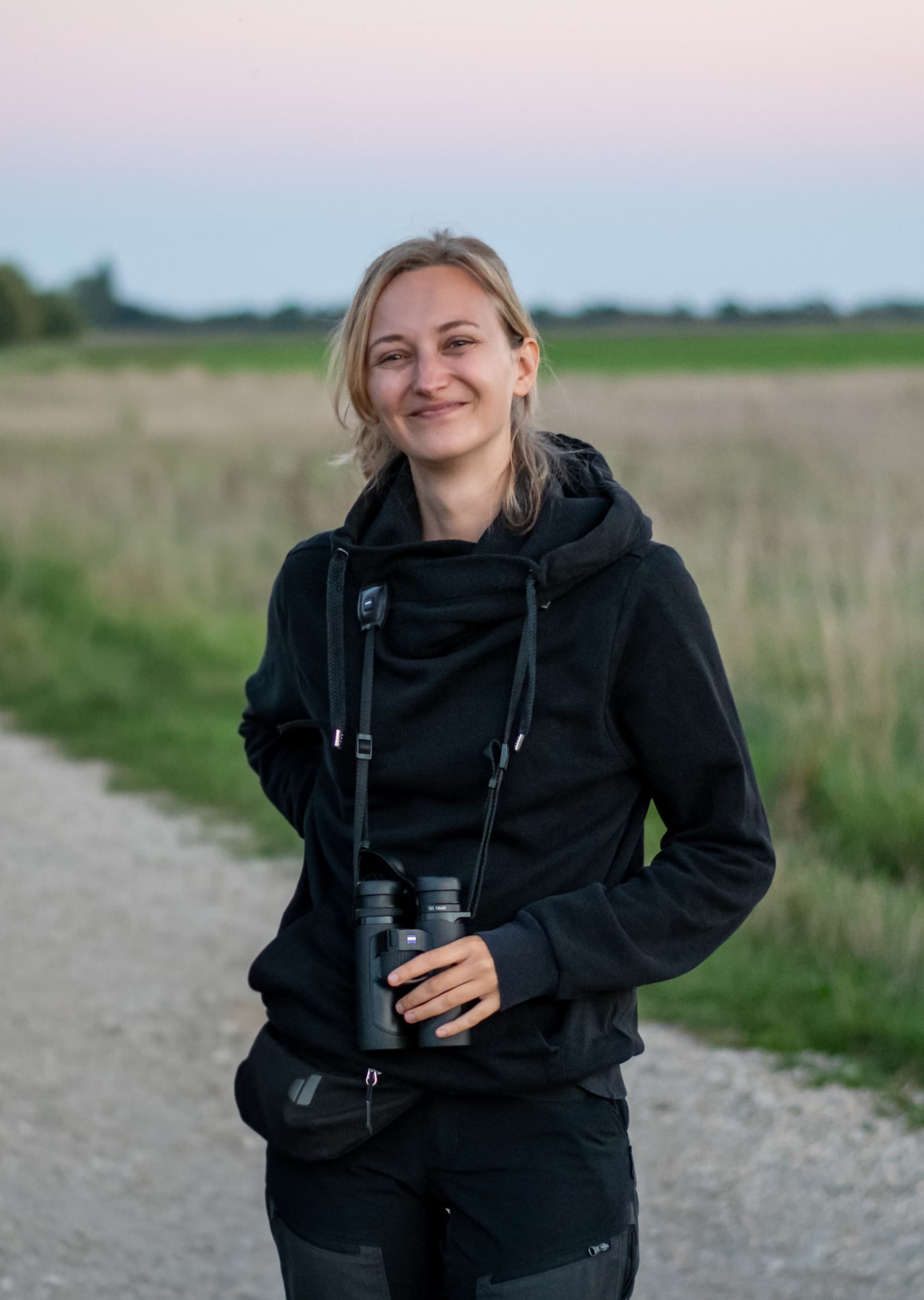
Away from work, what are your hobbies and interests? Which activities best reflect your personality?
I have played volleyball since I was nine. I love spending time in nature, whether hiking, gathering mushrooms or watching birds. I also really enjoy growing my own vegetables.
Some people think combating illegal hunting means opposing hunters. How do you explain the distinction between a responsible hunter and illegal hunting?
First, the key issue is the law: that is the main distinction. A responsible hunter hunts within the law and respects hunting seasons, protected species and permitted quotas. Illegal hunting means ignoring all of that: shooting protected species, hunting during closed seasons and using prohibited methods. Our fight is not against hunters themselves, but against people who break the law and threaten wildlife.
After your experience in Lebanon, what message would you like to give hunters, young people and everyone interested in protecting birds and nature?
Bird migration is one of nature’s greatest wonders, and Lebanon lies at the heart of that route. I would ask hunters to see these birds not as targets, but as precious living beings crossing their skies. To young people, I say: go outside, look up at the sky and help protect nature. The more people know and love these birds, the better their chances of surviving and completing their journey.