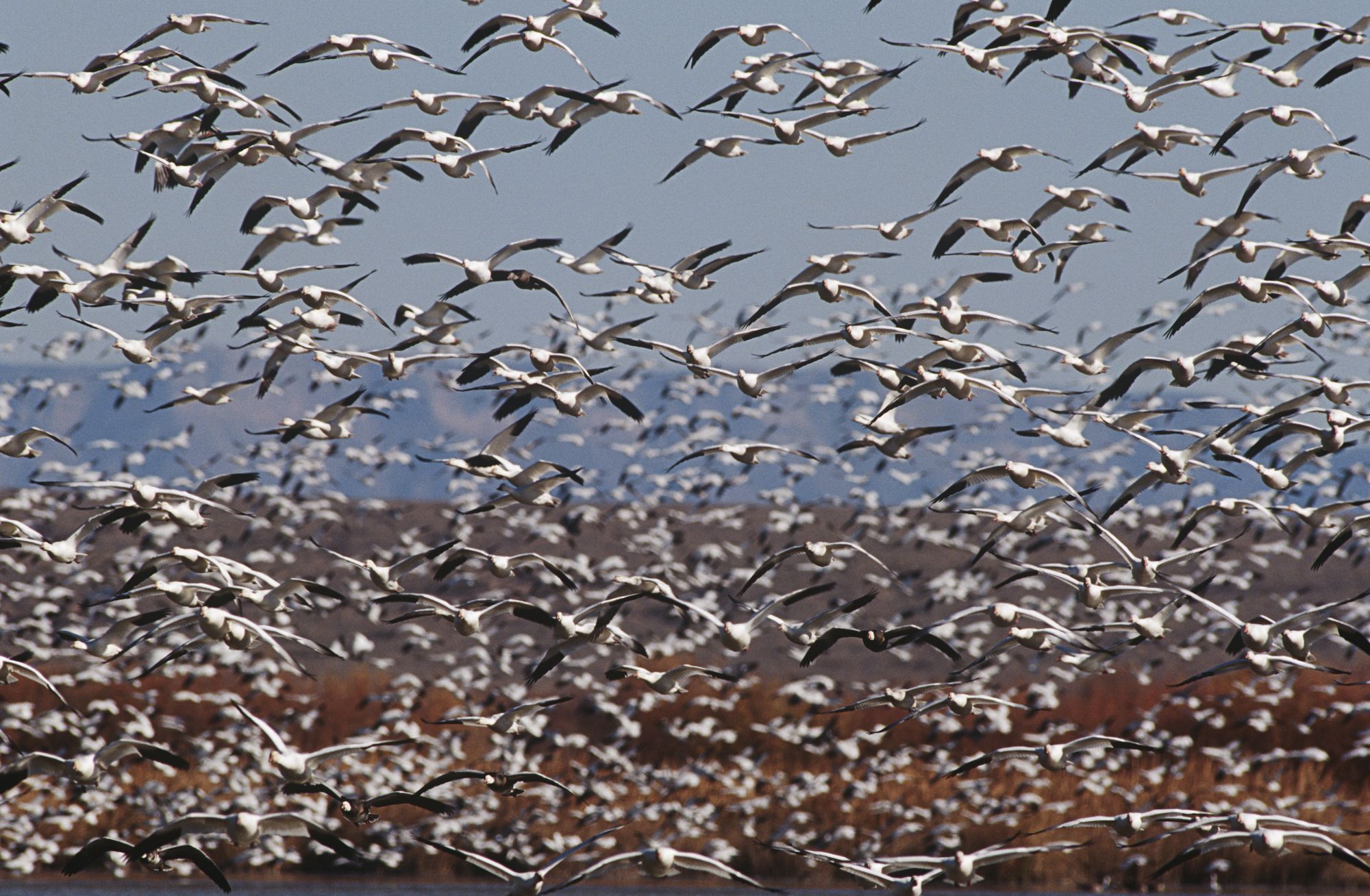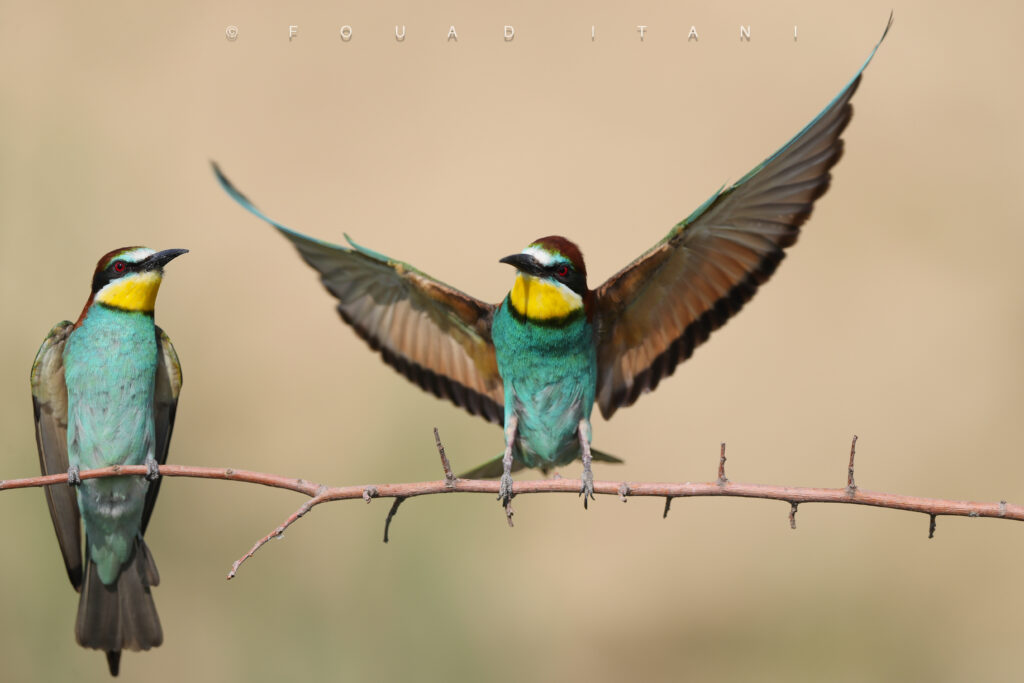
As Lebanon enters the autumn bird migration season, the Middle East Center for Sustainable Hunting and Anti-Poaching (MECSHAP) is intensifying its field efforts through the Anti-Poaching Unit (APU) and a network of sustainable hunters and collaborators, to monitor violations and help protect migratory birds as they cross Lebanese territory.
This action takes on special importance given Lebanon’s location on one of the foremost bird migration flyways between Europe, Asia, and Africa. Autumn migration usually begins in late August and extends to mid-November, with dense movement of birds heading south toward the African continent.
Work during the season focuses on following sensitive points along migration lines, monitoring, documenting, and reporting cases of illegal hunting, alongside coordination with the competent security and judicial agencies and cooperation with local and international bodies concerned with bird protection and anti-poaching.
This approach stems from a vision that sees the responsible hunter as a partner in protecting nature and the sustainability of hunting, not an adversary to them. That vision has accompanied the center’s path since it grew from within the sustainable hunters’ community, and developed with the launch of the Anti-Poaching Unit in 2018 as a specialized field arm for monitoring, documentation, and intervention, in cooperation with official institutions and specialized partners.
The unit has continued its field operations during the current year. In June 2026, members of the Anti-Poaching Unit and CABS carried out a joint patrol in the Baalbek–Hermel area, during which protected wild birds that had been held were received and returned to their natural habitats after their legal status was clarified. (Details of the joint APU and CABS operation in Baalbek–Hermel — linked on the AR page.)
Protection efforts give special importance to birds of prey, protected and threatened species, and large birds that cross Lebanon during migration. Documented incidents during last spring’s migration again highlighted the risks these birds face, including the death of a large pelican after it was shot on Amchit beach while passing within a migrating flock. (Incident of the migrating pelican on Amchit beach — linked on the AR page.)
The importance of protecting these birds is not limited to Lebanon alone. Birds that cross its skies link, on their journey, multiple continents and countries, making the safety of migration flyways a responsibility beyond local borders, and placing cooperation among sustainable hunters, official bodies, local communities, and specialized organizations at the heart of any effective protection of biodiversity.
With the launch of autumn migration 2026, Sayd opens with this follow-up the first files of the new season—to track bird movement over Lebanon, the risks and violations they face, and protection and monitoring efforts—in parallel with following the file of regulating the hunting season and the role of the responsible hunter in protecting the sustainability of their hobby and the nature in which they practice it.
Lebanon is a corridor for migratory birds… and protecting that corridor is a shared responsibility.