Exclusive to Sayd Magazine | An editorial reading of the State of the World's Birds report
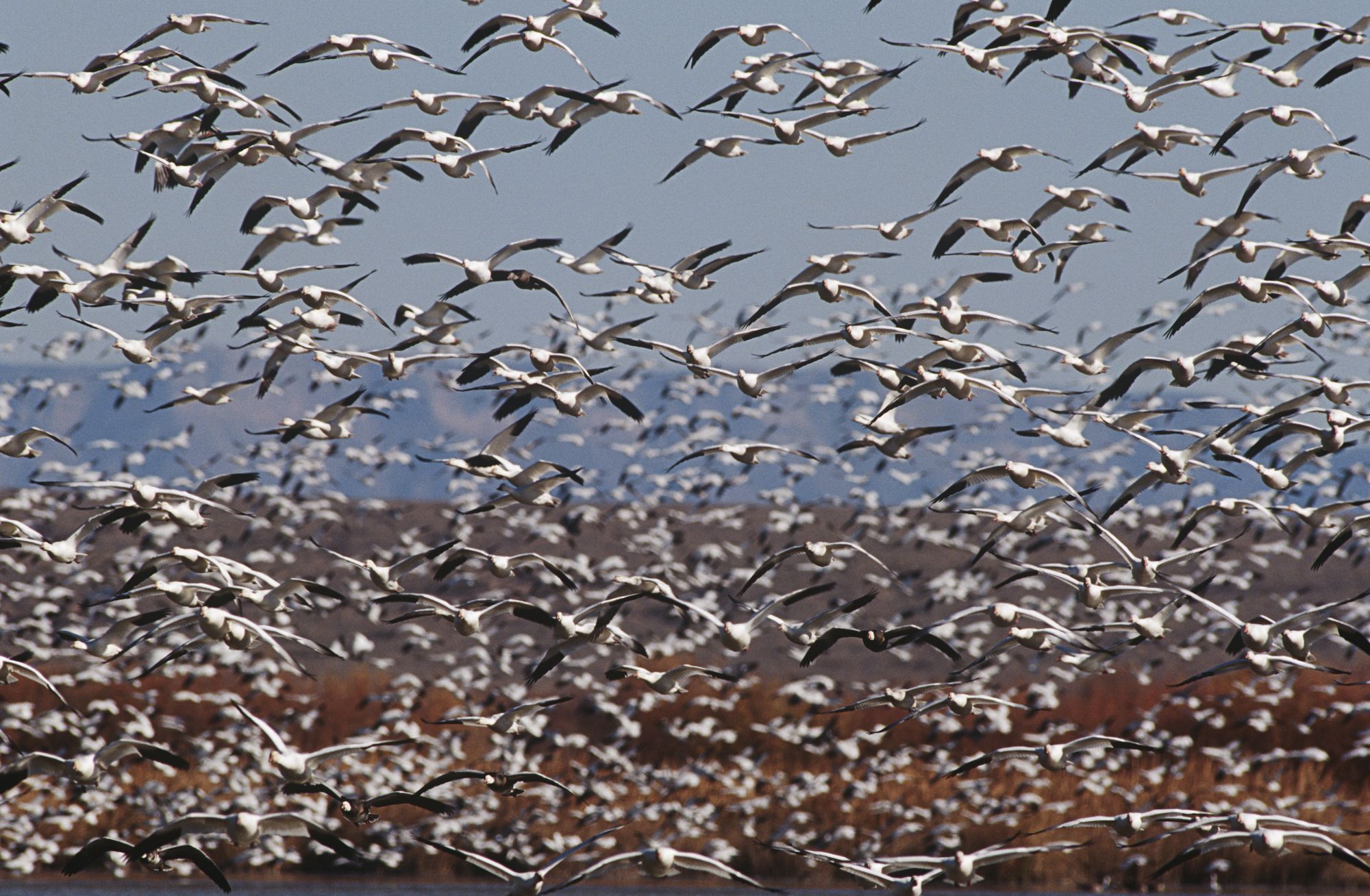
Seasonal migration is no longer only a beautiful sight of flocks crossing the horizon as the seasons turn. It has become a precise vital sign of the planet’s pulse and the health of its ecosystems. In its latest edition, devoted entirely to intercontinental flyway networks, BirdLife International released its flagship report, revealing a dark and complex picture of what migratory birds are enduring. Their flocks face rising pressures that are redrawing the map of the world’s biodiversity.
The bleed in numbers: 45% of species in continuous decline
The report draws on a scientific database that assessed 1,843 migratory bird species worldwide. It finds that 45% of these species are recording a continuous numerical decline along their various routes, while only 14% are increasing, and 30% remain relatively stable.
The data indicate that one in nine species (about 11%, or 200 species) is now globally threatened with extinction under the IUCN Red List. The degrees of risk break down as 32 species classified as Critically Endangered, 57 as Endangered, and 111 as Vulnerable, alongside dozens of other species close to the threat threshold — a sign that the crisis spans wide ecological groups.
The most fragile groups: shorebirds and seabirds in the lead
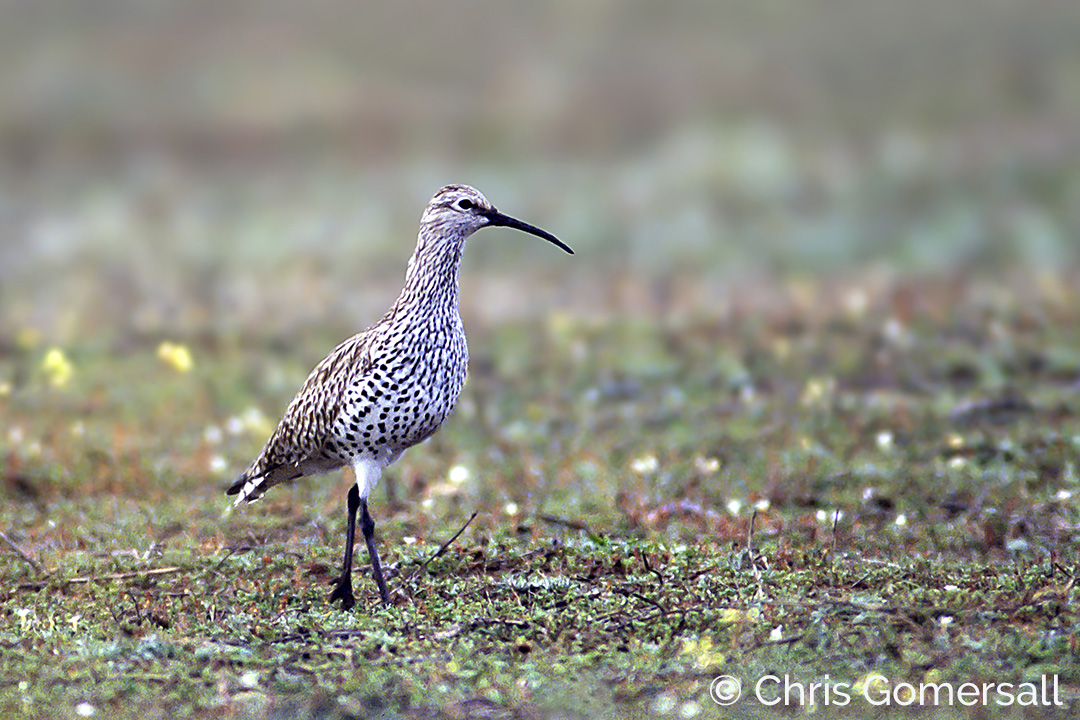
The report’s findings show that wetlands and marine environments are taking the hardest hit. Fifty-four percent of migratory shorebirds and waders are in sharp decline, as sabkhas are drained and coasts and tidal zones — vital refuelling stations before desert and sea crossings — are filled in.
Forty-nine percent of seabird species face a similar drop because of bycatch in nets and fishing lines on the high seas, plus plastic pollution and the decline of fish stocks. Even birds once considered common in hunting and migration seasons, such as the European Turtle-dove and some ducks and coots, have suffered successive declines that have led to tighter international protections.
Traps along the route: when wings meet infrastructure and human activity
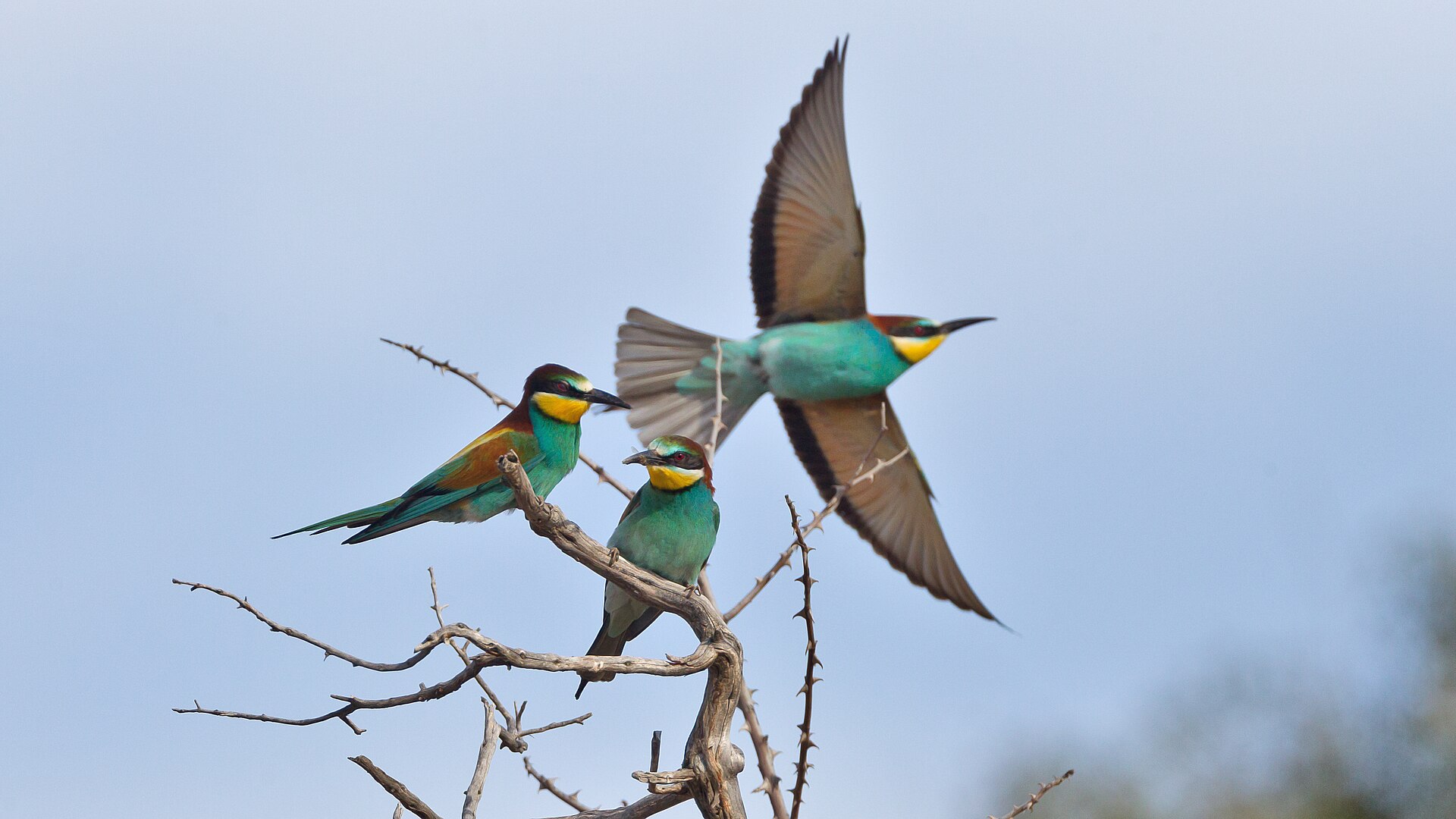
The report stresses that protecting a migratory bird in its breeding country alone does not guarantee its survival unless stopover sites and wintering grounds are equally safe. The main threats overlap along international routes:
- Habitat loss and degradation: more than 58% of 1,099 Key Biodiversity Areas (KBAs) are severely degraded by intensive agriculture, industry, and wetland drainage.
- Unregulated and illegal hunting: long coastal nets, electronic calling devices, and hunting outside permitted periods continue, especially at the Mediterranean and Middle East bottleneck, where estimates point to tens of millions of birds taken each year.
- Energy and wind corridors: wind farms and uninsulated high-voltage lines in narrow thermal corridors cause repeated collisions and electrocution of soaring birds such as eagles, storks, and falcons.
- Climate change and invasive species: the timing of food at arrival sites falls out of step, and rodents and other introduced animals prey on nests on remote islands.
From diagnosis to rescue: a window of hope and the Nairobi Declaration
The report does not stop at bleak numbers. It stresses that conservation science works when international efforts come together. The Global Flyways Summit adopted the Nairobi Flyways Declaration, under which governments and international development banks (including the World Bank) committed billions of dollars to protect wetland networks and restore safe routes.
The clearest message BirdLife’s report sends to communities, people who love the wild, and hunters alike is that migratory birds cross political borders without passports. Keeping them requires moving from limited local protection to integrated, sustainable management along the entire flyway, so these flocks remain in our skies for generations to come.