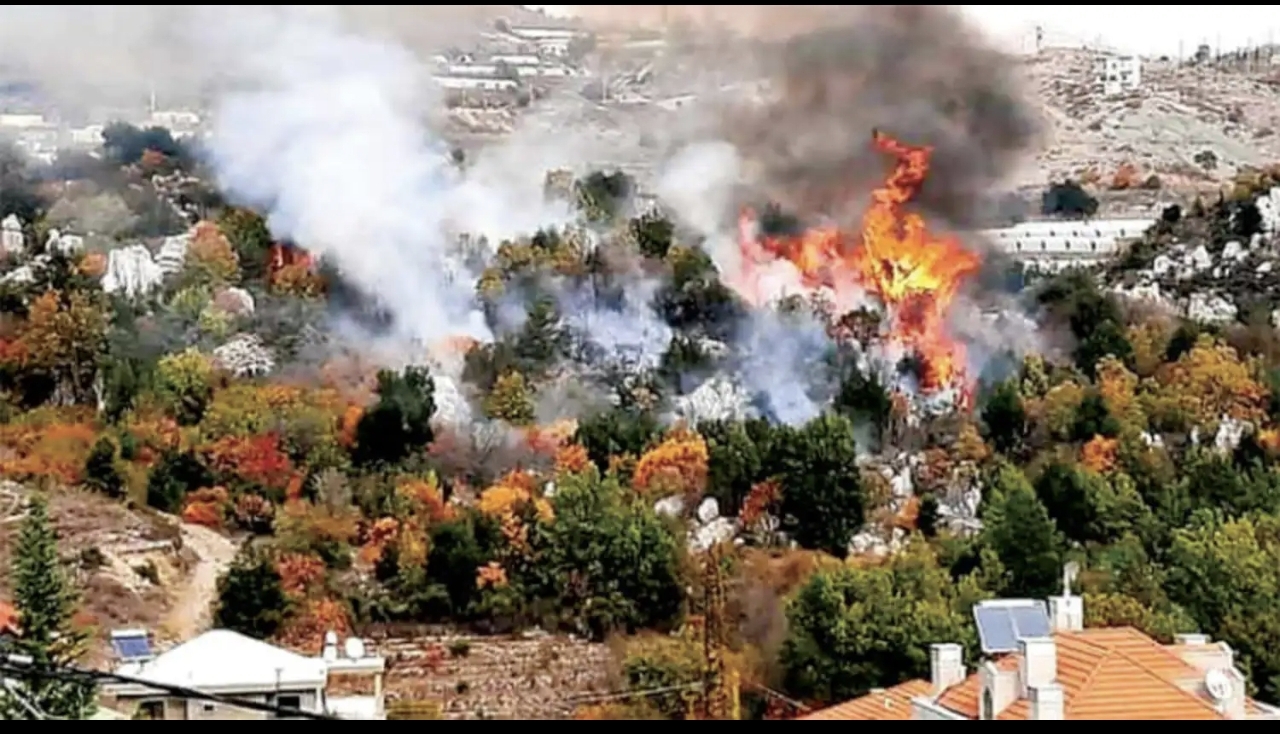
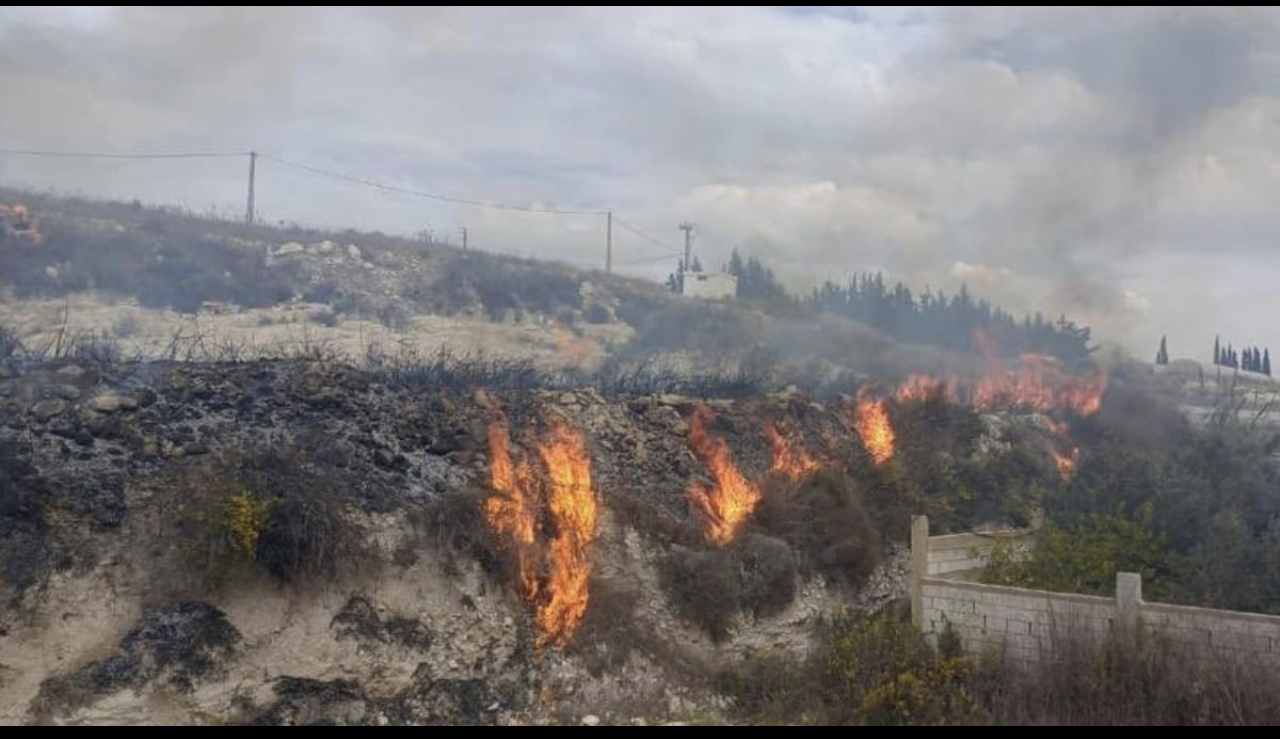
Since October 2023, and through the escalation of March 2026, southern Lebanon has continued to see documented environmental destruction, recorded by several international and local bodies, that has hit forests, farmland, soil, and water. To this day (September 2026), and despite Lebanon and Israel signing a US-sponsored framework agreement on 26 June 2026, Israeli raids and explosions continue in southern border areas.
White phosphorus: international documentation
Human Rights Watch documented the Israeli army’s use of white phosphorus munitions in at least 17 towns in southern Lebanon. According to data gathered by the Lebanese researcher Ahmad Baydoun with the group “Al-Janoubiyyun al-Khudr” (the Southern Greens), more than 918 hectares were damaged in 191 documented white-phosphorus attacks between October 2023 and the ceasefire in November 2024. Amnesty International documented that Israel began using white phosphorus in Lebanon between 10 and 16 October 2023. Its use in populated areas violates Protocol III of the Convention on Certain Conventional Weapons.
On the scientific side, the Lebanese National Council for Scientific Research estimated that at least 2,000 hectares of forest, olive and citrus groves, and farmland were partly destroyed by white phosphorus. Among the losses, the historic woodland “Horj al-Rahib” was destroyed — a 16-hectare oak forest on the edge of Aita al-Shaab. The Conflict and Environment Observatory (CEOBS), in a detailed report, also recorded Israel’s use of white phosphorus munitions that set wide fires in farmland, killing vegetation and causing long-term degradation of soil and water.
Migratory birds in the line of fire
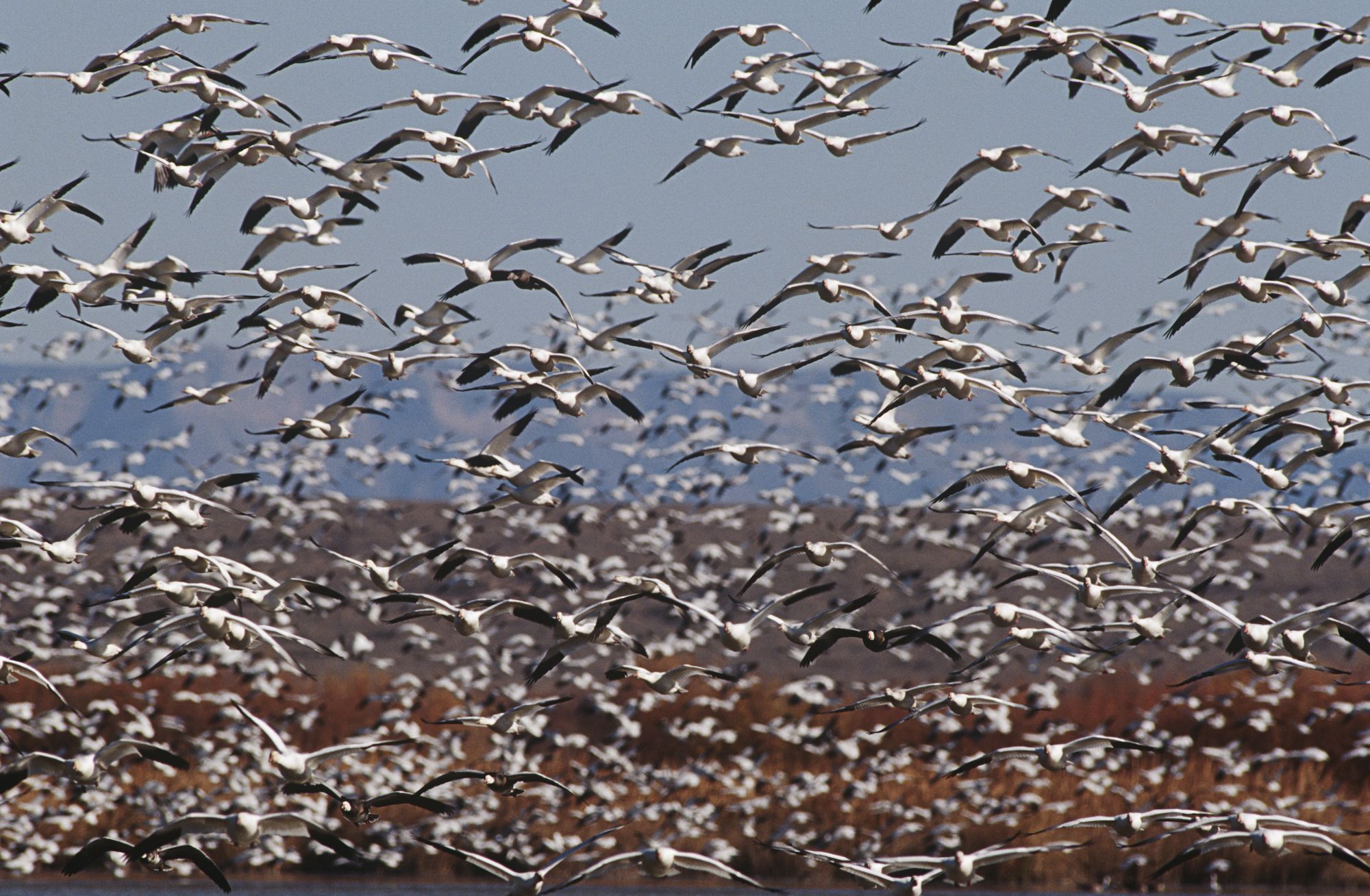
Lebanon lies on one of the world’s most important bird-migration corridors. It forms the second most important migration route for birds between Europe, the Middle East, Asia, and Africa, also known as the African–Eurasian flyway or the Eastern Mediterranean flyway. Millions of birds of more than 400 species cross it, between breeding sites in central and eastern Europe and wintering grounds in central and eastern Africa, among them the White Stork, the Lesser Spotted Eagle, and pelicans.
A specialist study published in 2026 in the journal Environment and Security concluded that drone warfare generates “multi-layered environmental risks,” among them noise disturbance, pollution from electronic debris, and behavioural stress in wildlife, especially birds. The study indicates that birds may interpret the sound of drones as an aerial predator, which can drive panicked flight, disrupt feeding, or cause them to abandon nest sites.
More serious still, the International Union for Conservation of Nature (IUCN) confirmed in its 2025 assessment the global extinction of the Slender-billed Curlew (Numenius tenuirostris), one of the first officially recorded extinctions of a migratory bird species. This bird was among the species that relied specifically on the southern Lebanon corridor within their migration route. The IUCN warns that migratory birds already face accumulated pressures from habitat loss, urban expansion, pesticides, and climate change, in addition to the reality of conflict zones damaged by white-phosphorus pollution and heavy metals.
In October 2025, during the IUCN World Conservation Congress in Abu Dhabi, members adopted a resolution calling for the rehabilitation of Lebanon’s damaged ecosystems, recognising wide environmental degradation that includes soil and water pollution, loss of vegetation cover, erosion, fire risk, and the threat to ecological connectivity between habitats.