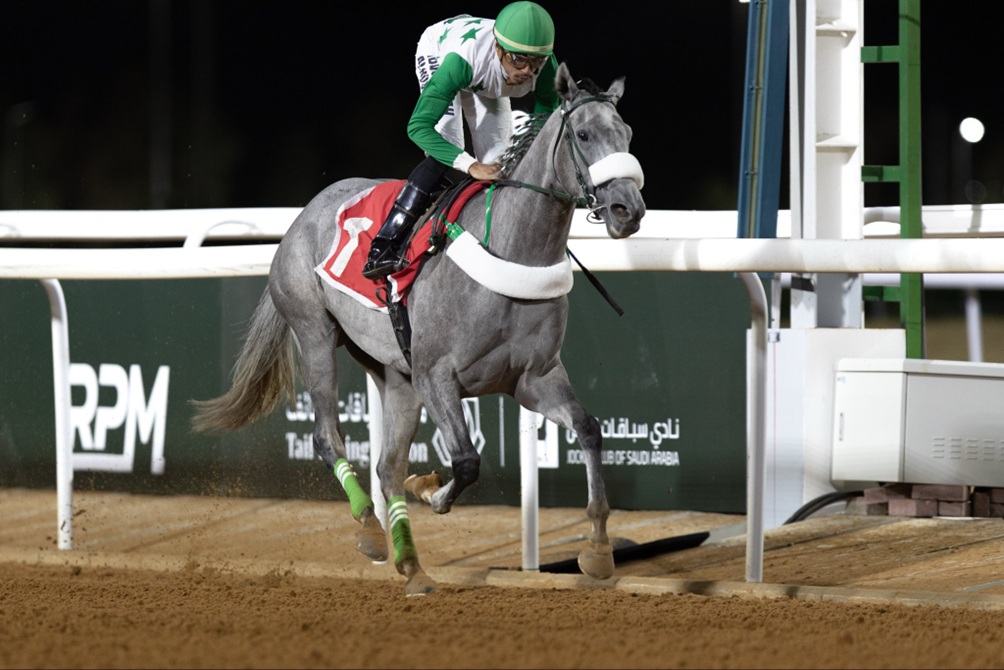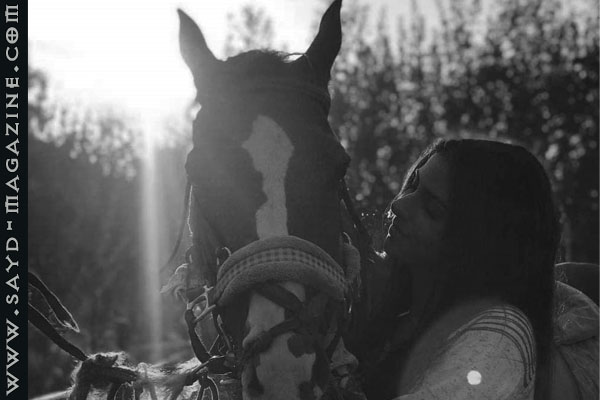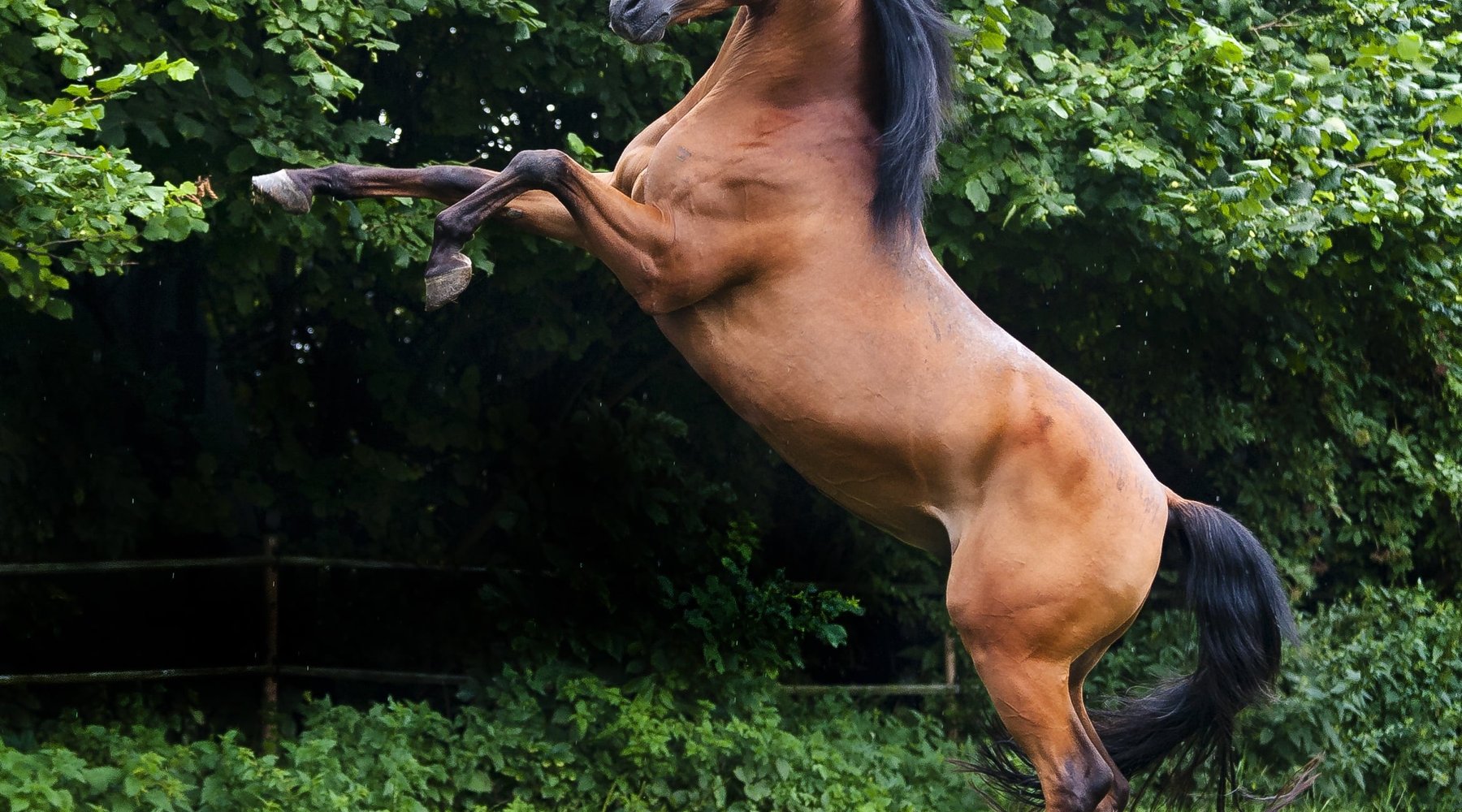
On those who ride not to arrive, but to remain
An hour before the sun finds the stable, someone is already there—a man or a woman who has beaten the light to the door. No cameras. No crowd. No cups lined up on a shelf. Only the smell of hay and damp sand, warm breath rising in the last cool of dawn before the day’s heat, and a hoof that strikes the ground once, as if to say: You’re late.
This is the world newspapers rarely show. The world of people who truly love horses—who know a mare is not possessed but companioned, and that trust built over years can collapse in a moment of neglect. In the barns they say horses read their people before their people read them. They catch the tightness in a shoulder, the hesitation in a hand, whatever sits unspoken in the chest. That is why no one lies in front of a horse.
Dawn Rituals
And this world has its quiet rites. Cleaning a hoof is less a chore than a habit of attention; long grooming is a conversation without words; a leather saddle that softens with the years carries its rider’s memory the way an old notebook does. The rider who starts the day already cantering—before pausing once at the horse’s head to breathe with her—misses half of what he came for.
There is elegance in this life that has nothing to do with extravagance. It is the elegance of what lasts: riding boots you care for over ten years until they grow more beautiful; a light linen shirt that takes in morning sweat and the scent of horses together; a simple stable kept as ordered as a reception room. Luxury, here, is having time—and spending a full hour on a creature that thanks you only with a look.
Heat as Teacher
In our countries, heat governs the stable. People who truly love horses do not fight the heat; they make peace with it and learn its rhythm:
- When to ride: Early dawn and late afternoon belong to horse and rider. The hours between are for shade and rest.
- Water first: A horse drinks tens of liters a day—more in hot weather. Water should be clean, as cool as practical, and always available. On long, hard work, salts (electrolytes) are added under a veterinarian’s guidance; sweat takes more from the body than water alone.
- Cooling after work: Do not leave a horse suddenly after effort. Walk until the breathing settles, then wet the body and legs with lukewarm or cool water and scrape the excess so heat does not stay trapped against the skin.
- Warning signs: Breathing that stays rapid, sweat that suddenly stops, or unusual lethargy. These can signal heat stress; calling the vet then is not something to postpone.
- Sand and its risks: Sandy ground looks soft, but a horse that eats feed off the ground may swallow sand with it and develop what is called sand colic. Better to offer feed in raised mangers or on mats, and keep fiber intake regular.
- The hoof: Severe dryness makes the hoof brittle. It needs balanced moisture and regular farrier care—not an excess of products.
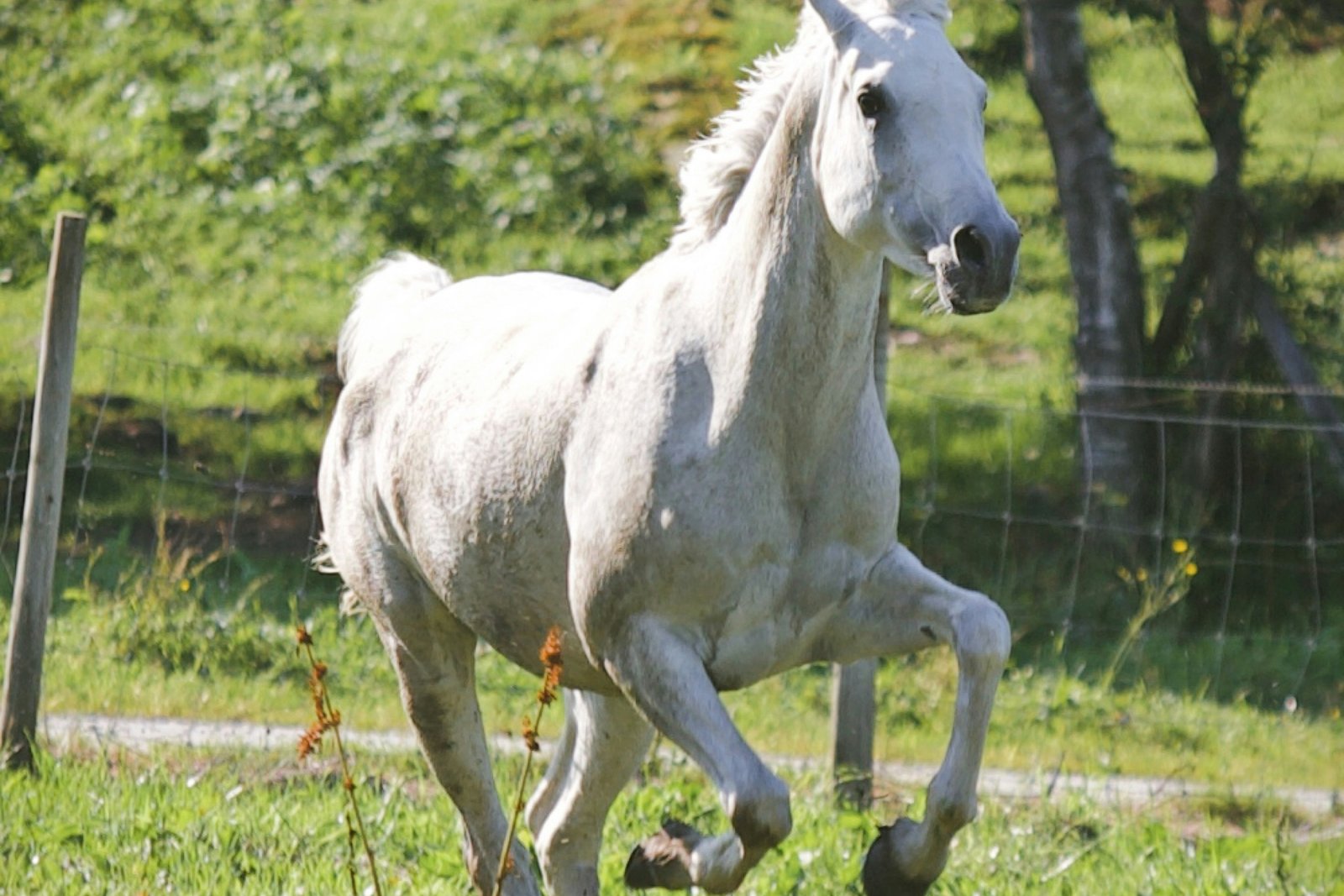
This is knowledge horse people learn by living with animals—knowledge our ancestors mastered in the desert long before it was written down. Arabian horses, long known for patience and for enduring hard ground, answer care with a loyalty few other creatures match.
People of the Land, People of the Sky
Those who know horses know the land as well: which pastures ripen first, which tracks soften under a hoof, which way the wind arrives. Very often a lover of horses is also a lover of birds—from the falconer with a bird on the forearm to the rider who stops to watch a flock cross at sunset—because both have learned to listen: to a distant neigh, or to a wing cutting the air so that the mare turns her ears before anyone has seen it.
Some say horses teach patience. More truly, they teach presence. When you ride a mare across open ground at the golden hour, and the sun descends in honey light over the dunes, there is no inbox left in your head, no appointments—only the rhythm of four hooves, the warmth of a body beneath you, and a horizon that approaches without hurry.
That is what it means to belong to horses: to know that the finest part of riding is the stretch of time when you do not seem to be going anywhere at all.