An interview with George Taza, head of the “Lebanese Fishermen” page — on illegal methods at sea, weak enforcement, women anglers, and a shared duty to protect fish stocks.
The sea has its own world! Underwater we enjoy watching marine creatures, coral, and caves; on the surface we enjoy the calm of the horizon, relax under the sun, converse with moonlight, and dance to the sound of the waves…
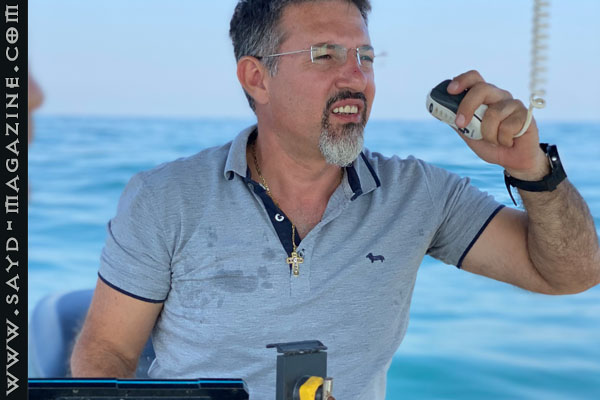
That is how George Taza — head of the “Lebanese Fishermen / الصياد اللبناني” page — sees it.
From the conversation:
- I began this hobby on my first outing with my father in 1999.
- Hunters face many problems, including illegal, abusive fishing — putting poison in bread and throwing it to catch fish, blasting, or dredging — all violations with severe consequences for fish stocks.
- Disrespect for marine fishing laws stems from lack of accountability, absence of monitoring, and scarce awareness programmes from the relevant ministry.
- The state as a whole has a duty to monitor and to stop dumping waste into the sea, because it is a livelihood for many fishermen.
- Fishing is both a hobby and a livelihood, always in need of development. Every fisherman’s experience helps raise the level of the craft.
- “The sea is treacherous” — but in our lexicon it means fishing and passion; that does not cancel the need for caution and safety.
- The landfill project over the seal cave in Amchit was stopped by a decision of the Ministry of Environment after complaints from environmental activists and after our rapid mobilisation and posting of photos on social media.
- Young women compete with men in sea fishing; they have patience and composure.
- Often, when you reel in the line, a large fish comes to seize the one already hooked and pulls the line loaded with hooks; a fish fighting for its life can also injure you — these are among fishing’s risks.
- We laugh a lot when a fish slips off the hook inside the boat between our feet — and when fish leap at night as the boat moves and land aboard.
- The sea’s bounty is great; we must all take part in protecting fish stocks and respecting the law.
- What is needed: awareness in schools; monitoring fish markets; media awareness programmes; more visits to ports; and follow-up on fishermen’s problems so they become partners in conserving fish stocks.