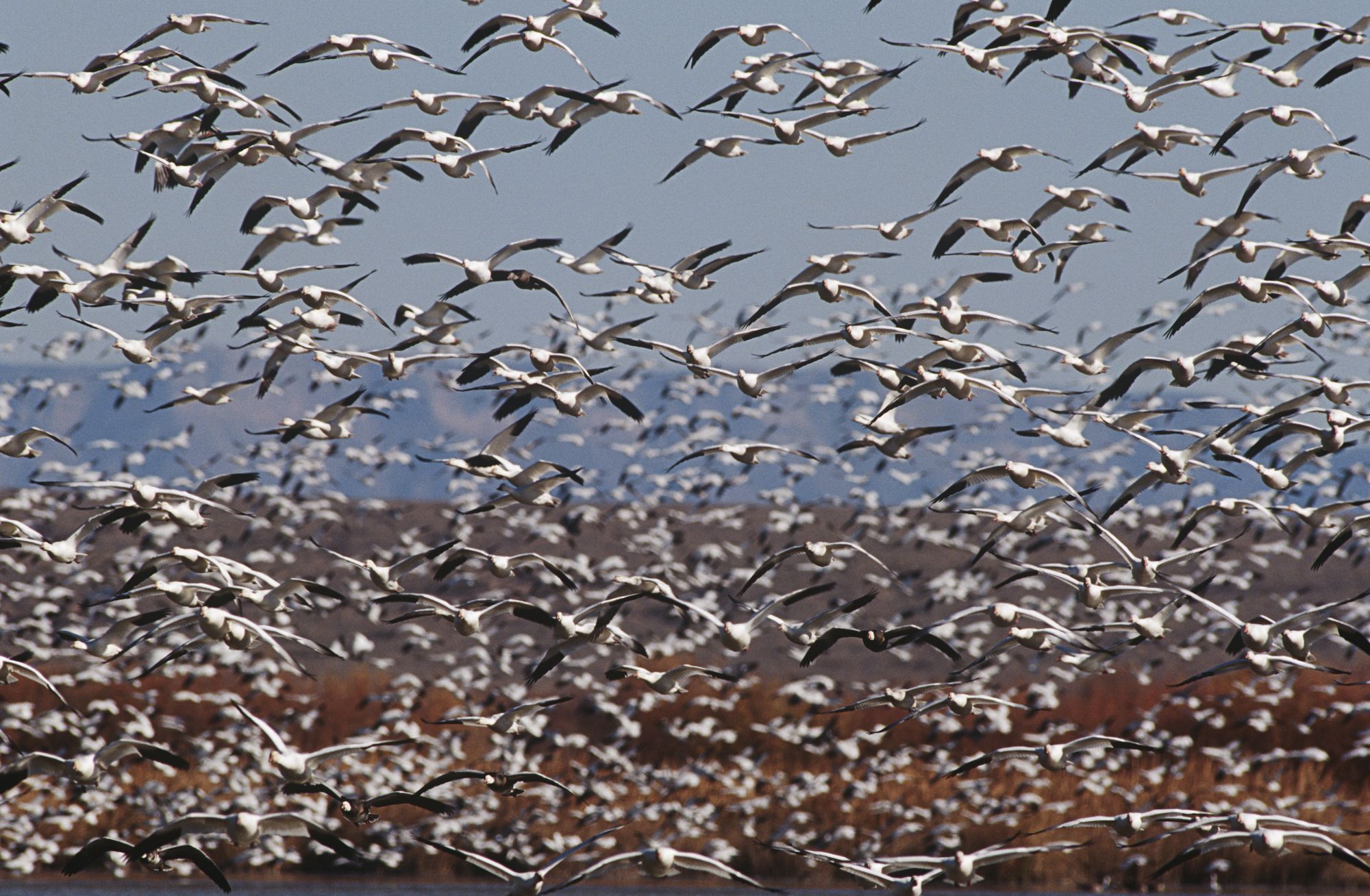
Illegal hunting — mist nets, birdlime, electronic callers, and night shooting — is a major threat to migratory and endangered birds in Lebanon, and to the ethical sport of hunting itself.
Illegal hunting (“poaching” / al-sayd al-ja’ir) is a major problem in Lebanon. Many migratory and threatened bird species — including raptors, the White Stork, Turtle Dove, and Golden Oriole — are killed during their annual passage through the country.
Hunting often uses illegal methods such as mist nets, birdlime, and electronic bird callers, and is frequently carried out outside the hunting season and in spring, the birds’ breeding season.
These methods serve both personal take and commercial ends, with small birds sold to restaurants and cage-bird shops.
Sadly, over the past twenty years night hunting has appeared as a multi-method practice: besides electronic devices, the indiscriminate shooter lights a tree, paints a tree on a wall and lights it, or uses lasers and spotlights to kill birds at night — especially thrushes (samman) in large numbers — with a clear impact on their populations.
Illegal hunting does not only threaten bird numbers; it also undermines the work of conservation advocates, ecologists, and the responsible hunter to protect these species — especially those at risk of extinction.
Competent authorities have adopted laws and regulations against illegal hunting, but enforcement is often lax, particularly amid the crises the country faces.
Irresponsible hunting also endangers people: hunting accidents and the use of shot are sources of concern. Environmental organisations therefore work to raise awareness and to call for stricter enforcement of land-hunting laws in Lebanon.