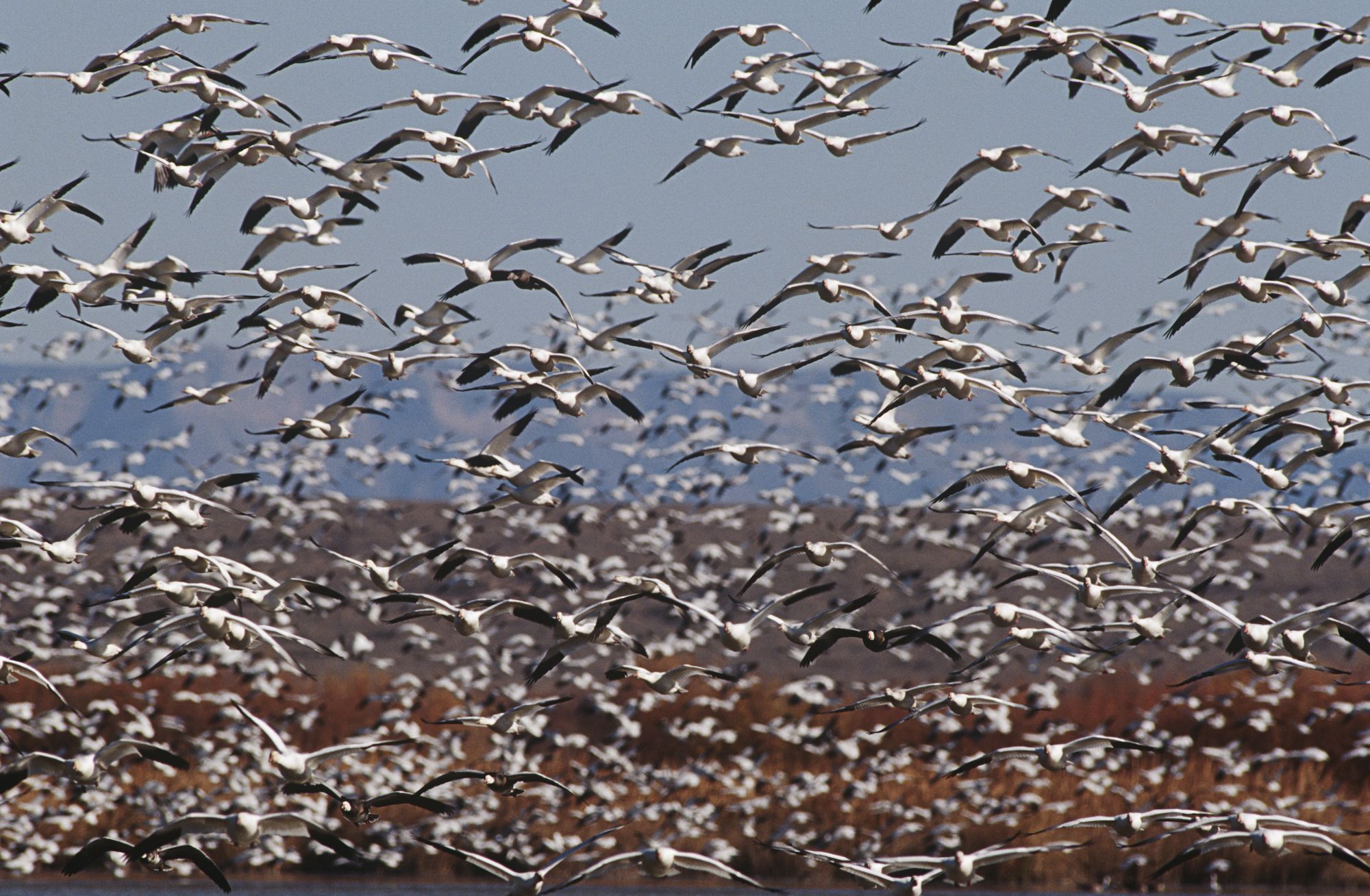
The Kingdom of Saudi Arabia launched the wild hunting season for 2026–2027, in an experience entering its sixth year and continuing to develop a model that organizes hunting practice and links it to wildlife protection and the sustainability of its resources.
The National Center for Wildlife (NCW) announced that the season, which began on 1 September, runs until 31 January 2027 and is limited to the species, locations, and means allowed under approved regulations and controls.
The current season sees a measured expansion compared with previous seasons: the number of species allowed for hunting rose to 30; the national hunting quota increased by 11%; and the number of licenses rose by 34%—adjustments the center says are based on monitoring results, studies, and evaluation of the previous five seasons.
Holders of licensed hunting guns of the allowed types—air and gas guns that operate without gunpowder—as well as falconers registered with the Saudi Falcons Club, must obtain hunting permits electronically via the “Fitri” platform. Issuing licenses to hunt allowed species with falcons has also become linked to the existence of a falcon ownership certificate or passport.
In parallel, the permanent ban on hunting endangered wildlife species continues, and hunting is prohibited inside cities, villages, farms, rest houses, and population gatherings, and inside protected areas and major projects—including NEOM, Qiddiya, and the Red Sea Project—in addition to a belt extending 20 kilometers inland from the Kingdom’s coasts.
The regulations also ban hunting means that allow catching more than one animal at the same time, including shotguns and nets, as well as unauthorized attraction and calling methods.
The National Center for Wildlife (NCW) considers that the previous five seasons made it possible to build a base of data and experience that helps set species, quotas, and licenses according to species’ status and capacity to renew.
The center’s CEO, Dr. Mohammed Ali Qurban, affirmed that the lawful hunter is a partner in wildlife sustainability, stressing that regulating hunting allows the practice to continue, while random and excessive hunting depletes species and reduces their numbers.
Tightening on prohibited places
The Special Forces for Environmental Security renewed the warning against wild hunting in prohibited places, affirming that the violation carries a fine of 5,000 Saudi riyals, and calling for compliance with regulations and instructions on protecting the environment and wildlife.
The tightening comes as the season continues until 31 January 2027, within a policy aimed at balancing regulated hunting with habitat conservation, especially during migration seasons.
The Saudi experience holds particular importance in the Arab region, offering a model that combines the right to practice hunting with scientific regulation, monitoring, and species protection, at a time of growing need to develop the concept of responsible and sustainable hunting in the region.