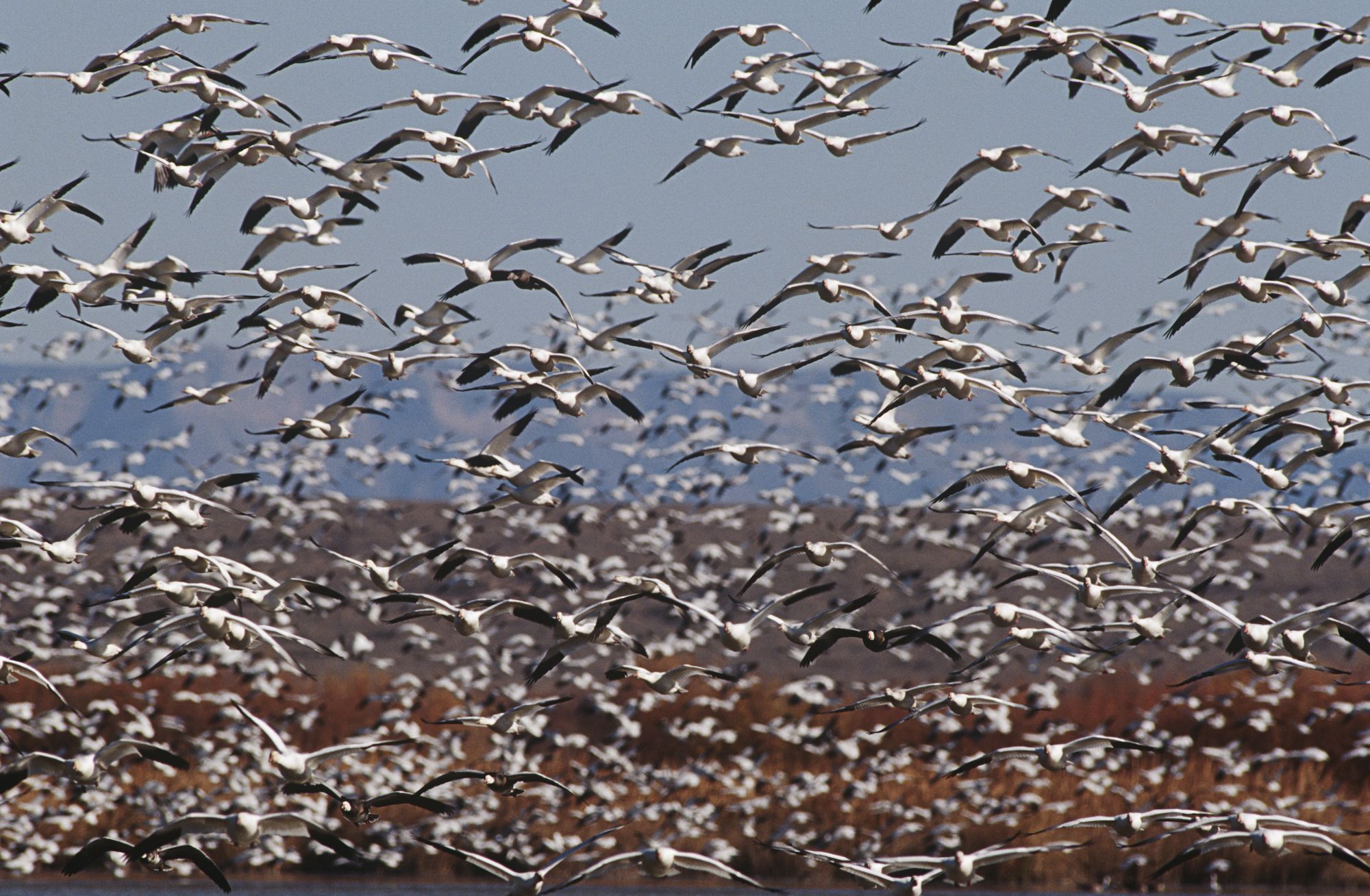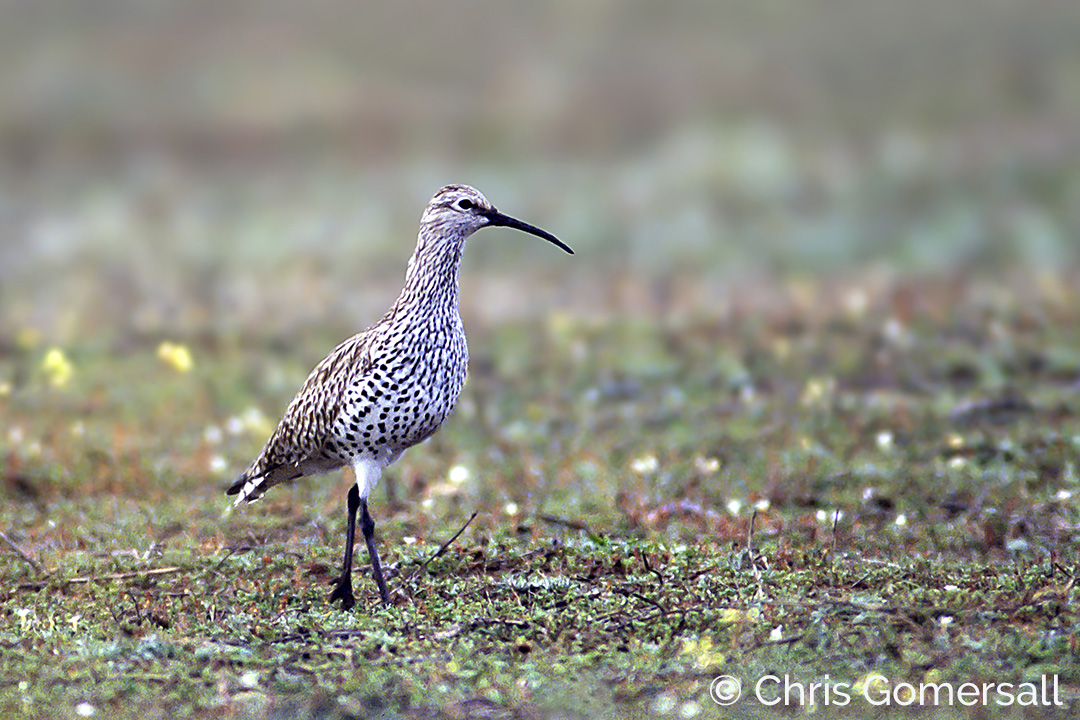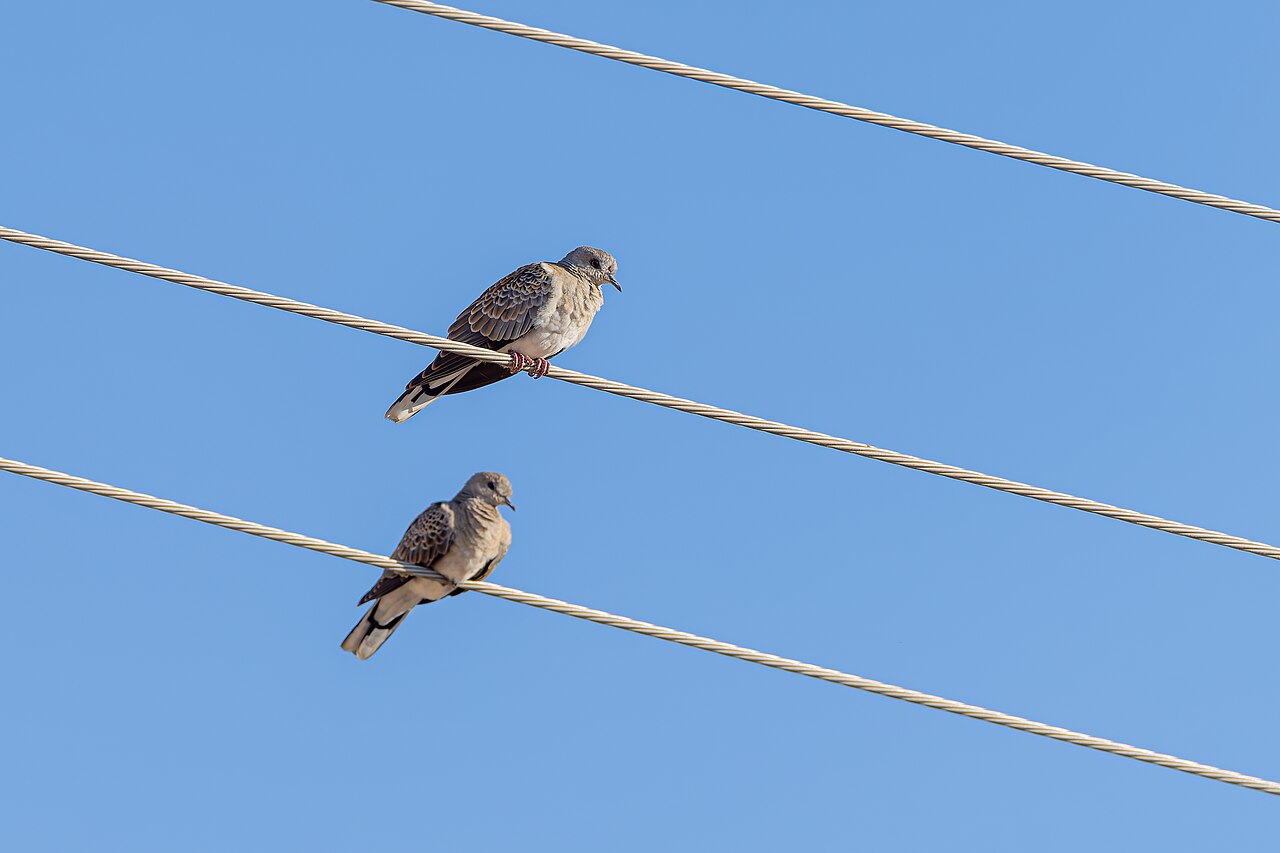
As autumn migration continues, efforts to protect birds are unfolding on several fronts around the Mediterranean: legal action in Sicily, the seizure of nets in Lebanon’s Bekaa Valley, a defence of field cooperation in Cyprus, and warnings about large hunting hauls in Libya. These different events share a common aim: safeguarding birds’ journeys between their breeding grounds and wintering areas.
Sicily: A Court Halts Early Hunting of Turtle Doves
In Sicily, nature conservation organisations have secured a legal advance for the European Turtle Dove. According to a statement published by LEAL on 4 September, the region’s Council of Administrative Justice upheld the suspension of hunting this species during the early opening of the season, following legal action led by LEAL and Pro Natura, with support from the Committee Against Bird Slaughter (CABS) and Green Impact.
The decision concerns the early hunting of turtle doves specifically; it does not amount to a ban on all hunting on the island. Its significance lies in reducing pressure on the species at a sensitive stage of its seasonal journey.
Lebanon: More Than 20,000 Square Metres of Nets
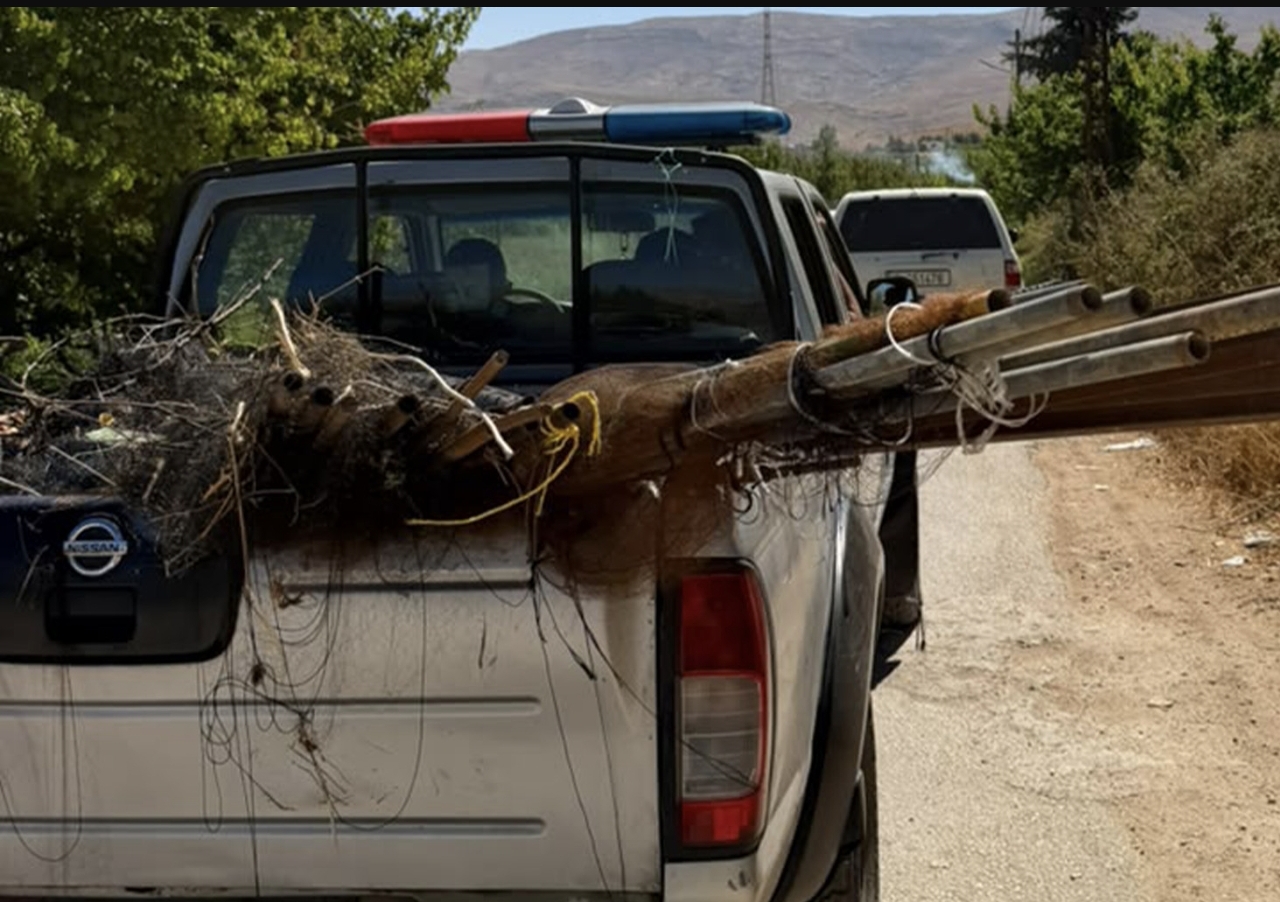
In Lebanon’s Bekaa Valley, the Internal Security Forces announced the seizure of illegal hunting nets covering a total area of 20,640 square metres, during a campaign carried out by the Bekaa Investigation Detachment of the Regional Gendarmerie Unit.
The campaign coincides with the autumn bird protection camp run in Lebanon by CABS in cooperation with the Middle East Center for Sustainable Hunting and Anti-Poaching (MECSHAP), amid daily field cooperation between the organisations participating in the camp and the security forces.
CABS announced the launch of the camp on 8 September, despite tense regional conditions, to monitor migration routes and combat the trapping of birds with nets and limesticks.
Cyprus: Defending Cooperation with the Authorities
In Cyprus, the debate has reached parliament. Ahead of a meeting of the parliamentary environment committee in mid-September, CABS urged lawmakers to protect cooperation between civil society organisations, the police and the authorities responsible for combating illegal hunting, warning of attempts to disrupt it.
The case shows that bird protection depends not only on fieldwork, but also on maintaining the institutional framework that enables violations to be detected and pursued.
Libya: When Hunting Hauls Become a Competition
On the African shore, Libya’s Al-Barari nature conservation organisation warned about circulating photographs of large hauls of European Turtle Doves. According to a report by Al-Wasat, the organisation said one of the photographs showed more than 700 birds.
The organisation warned that displaying such hauls could turn into a competition that encourages further hunting, and called for the circumstances and legality of the hunting to be investigated. It also raised concerns about trade in the birds — a matter that requires investigation and cannot be established by photographs alone.
Protection Beyond Borders
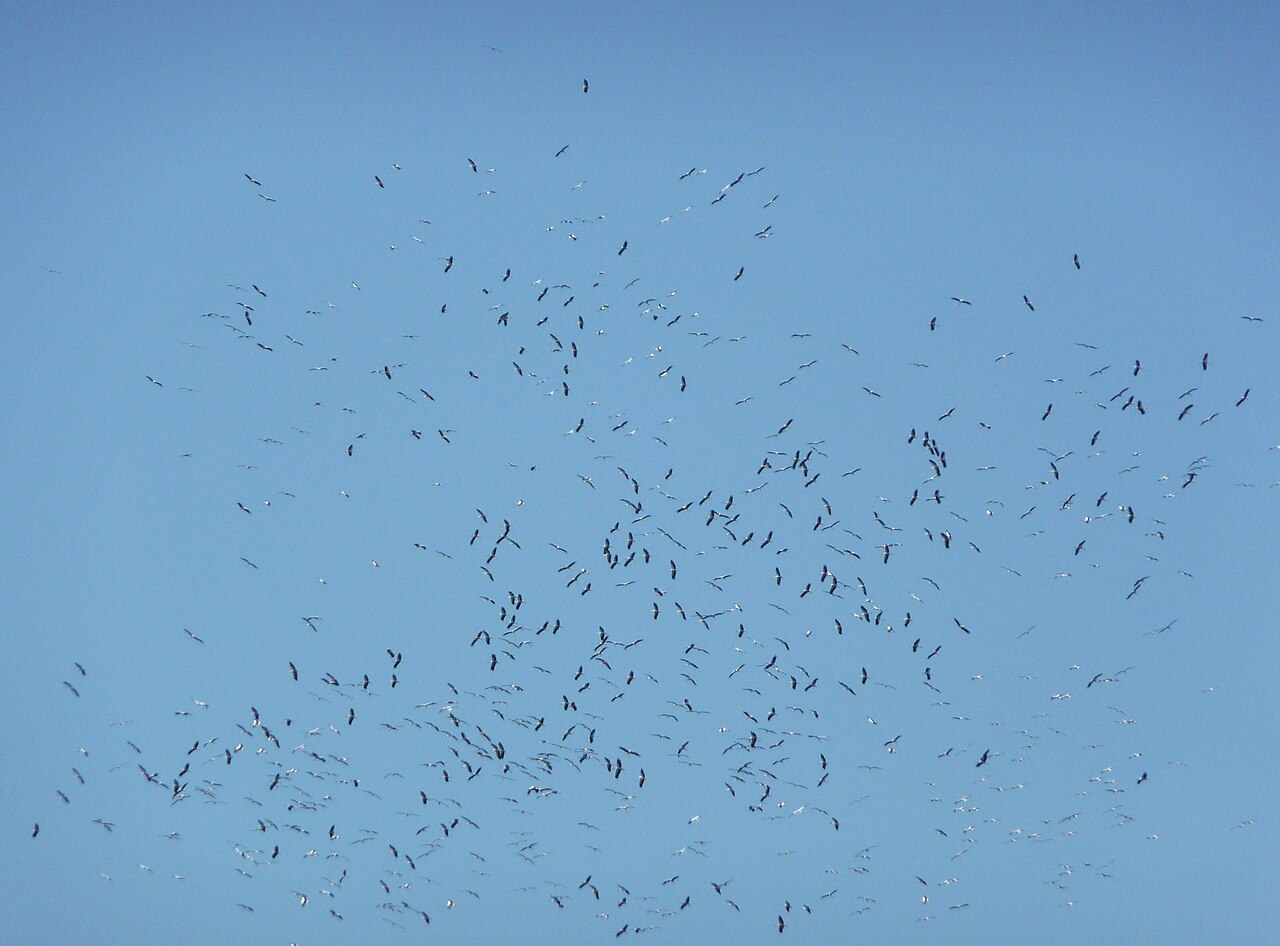
The events, organisations and methods differ, but the issue extends beyond any one country. Birds travel along interconnected routes, and protection at one stop on their journey remains incomplete if nets or illegal hunting await them elsewhere. From courtrooms to field patrols, complementary forms of protection help safeguard migration and conserve nature.