Local services, the cost of organising a trip and falconry in Burqu: three different ways of examining how hunting tourism can contribute to development.
When a hunter travels to another country, they are not buying only an opportunity to hunt. They need somewhere to sleep, a guide who knows the terrain, transport, food and services throughout the trip. This is where economic value can begin to reach villages and areas far from major tourism centres. But that benefit is not automatic: a trip may be expensive while local people receive very little of its value.
After our visits to the Gulf countries and the Maghreb, we conclude this series in Egypt, Iraq and Jordan. Three different cases raise one question: how can regulated hunting, where it is permitted, become an activity that serves the local economy without depleting the wildlife on which it depends?
Egypt: the value of a trip lies in what surrounds the hunt
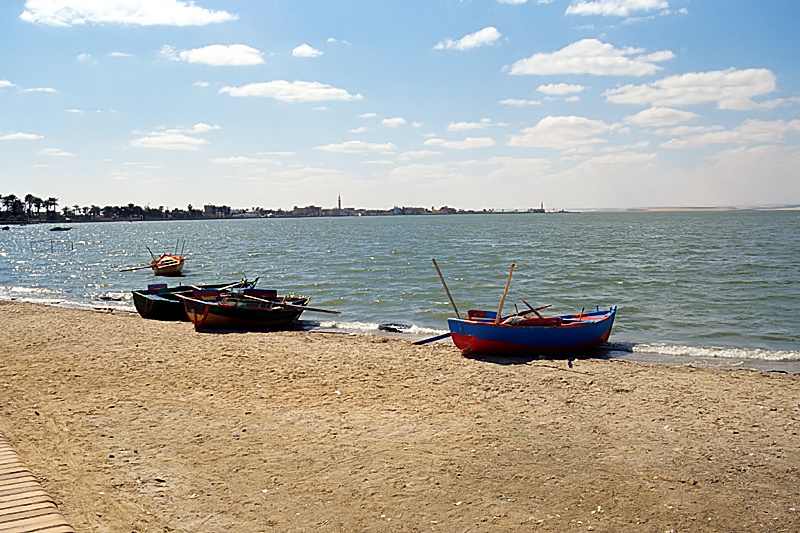
Egypt offers enough variety to combine several experiences in one trip. In Fayoum, for example, the Egyptian Tourism Authority presents a mix of countryside, lakes, desert, traditional crafts and local food. These services can extend a visitor’s stay and spending, rather than limiting the visit to one activity and a few hours.
For the organiser of a licensed hunting trip, this means opportunities to buy services from rural accommodation providers, hire local drivers and guides, and add a craft visit or a meal featuring the area’s cuisine. But the presence of a lake or an abundance of birds does not make a place available for hunting. The tourism product must be built around the permits, species, sites and dates that are allowed, not an attractive advertising photograph.
In 2026, the Egyptian Environmental Affairs Agency announced the implementation of Decision No. 559 regulating hunting, alongside campaigns against violations in Burullus. These measures show that regulating the season and protecting places where birds congregate are two aspects of managing the same resource. A responsible trip cannot be marketed outside the rules that protect it.
Burullus also offers a practical example of broadening bird-related sources of income. Nature Conservation Egypt reports that a programme began in 2023 to train bird hunters and a local tourism agency in birdwatching, and that Camp Burullus worked with a hunter who uses his boat for these trips. The man retained the value of his knowledge of the area and the usefulness of his boat while offering visitors a different service.
This does not make birdwatching another name for hunting. It demonstrates how local work can be diversified, particularly where hunting is prohibited at a site or its season has ended. A guide who understands birds’ movements can also help people watch and photograph them, while boats, accommodation and food retain their value after the season ends.
A broader trip, a wider benefit
Accommodation, guiding, transport, food and local crafts widen the circle of people who benefit from a hunter’s visit, without requiring more game to be taken.
Iraq: regulating entry is not enough to create development
Iraq’s rules for the 2025–2026 season clearly illustrate that receiving foreign hunting groups requires arrangements extending beyond booking accommodation. The document published through the UAE Embassy in Baghdad set a season from 1 December 2025 to 1 February 2026, with groups of five to fifteen hunters, entry procedures, security escorts and a temporary hunting permit from the Ministry of Agriculture.
The cost table listed US$125,000 for a group of five hunters, including US$25,000 for food and transport for the accompanying security detachments. These figures concern the arrangements for that particular season. They are not a current price for a tourism package, nor evidence of how much reached local communities.
This is the economic question: what share goes towards procedures and security services, and what share becomes wages for local guides, purchases from producers, accommodation, meals and transport within the area? Regulatory fees and costs alone do not answer that question, however high they may be.
If this activity is to serve development, local services should be an explicit part of its design: contracts with transport and accommodation providers, training for guides who know the permitted species and limits, and purchases whose benefits to local people can be tracked. Protecting habitats and water remains a prerequisite for the continuity of any economy that depends on wildlife.
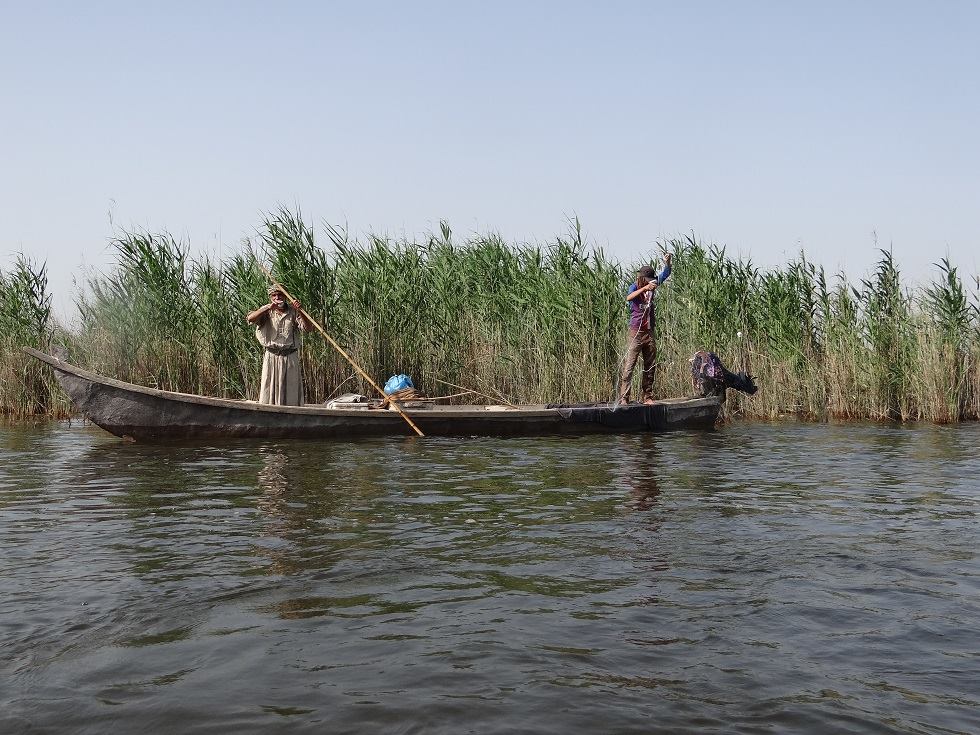
Discussing Iraq’s wetlands here does not automatically make the marshes hunting grounds. Their tourism and ecological value is broader than that, and any activity must comply with the site’s legal status and applicable restrictions. Nor do the rules for a past season establish that a new season has opened on the same terms.
Where does a visitor’s spending go?
Measuring local wages and purchases reveals a trip’s contribution to development more accurately than looking only at the amount of its fees.
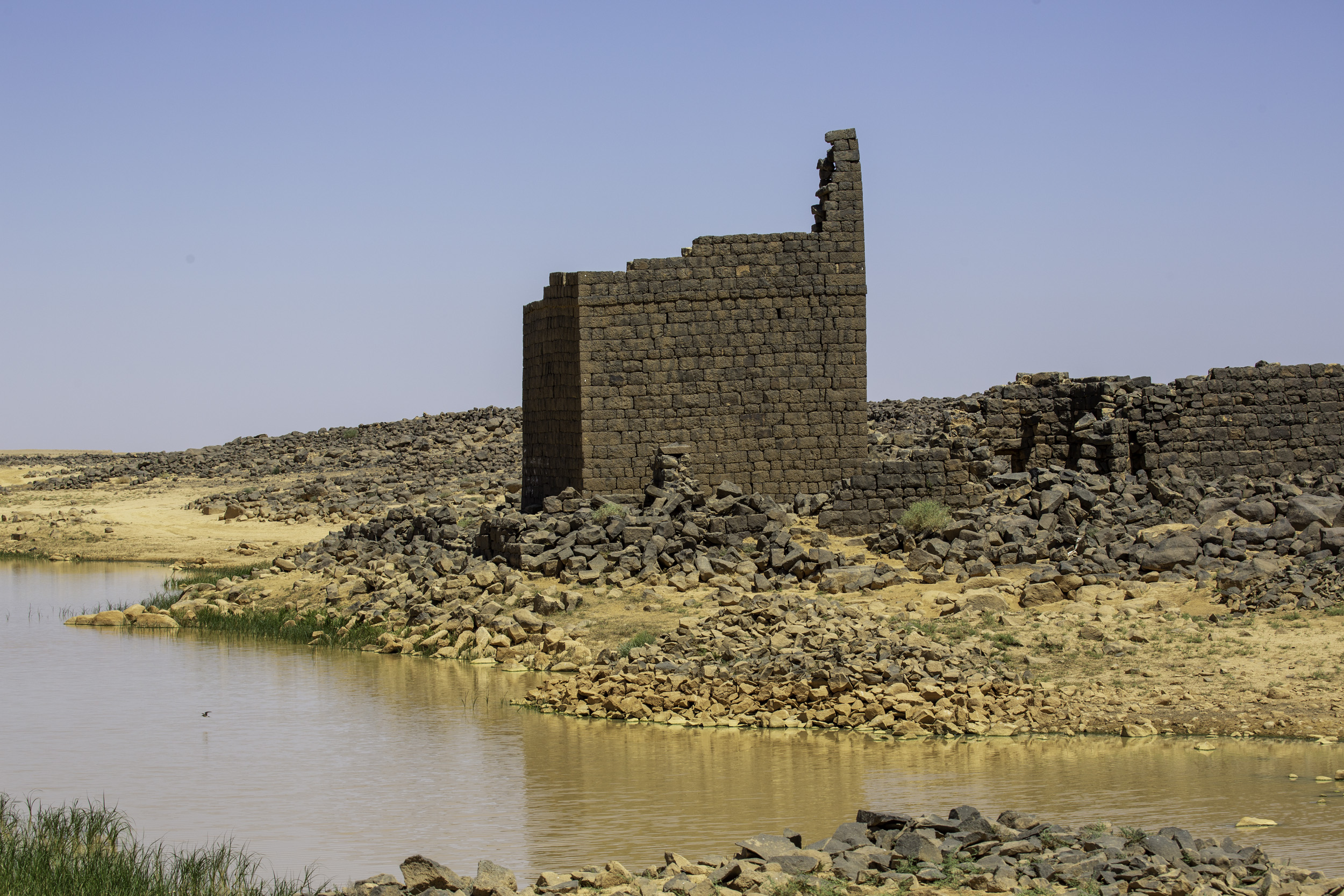
Jordan: falconry becomes a tourism experience in Burqu
In the northeastern Badia, the Burqu area provides a direct example of the connection between hunting with falcons and travel and accommodation services. The Royal Society for the Conservation of Nature presents an experience in training falcons using captive-bred houbara bustards, within an area covering no more than 20% of the reserve. In November 2025, the society included Burqu’s sustainable-hunting experience among successful case studies implemented in its reserves.
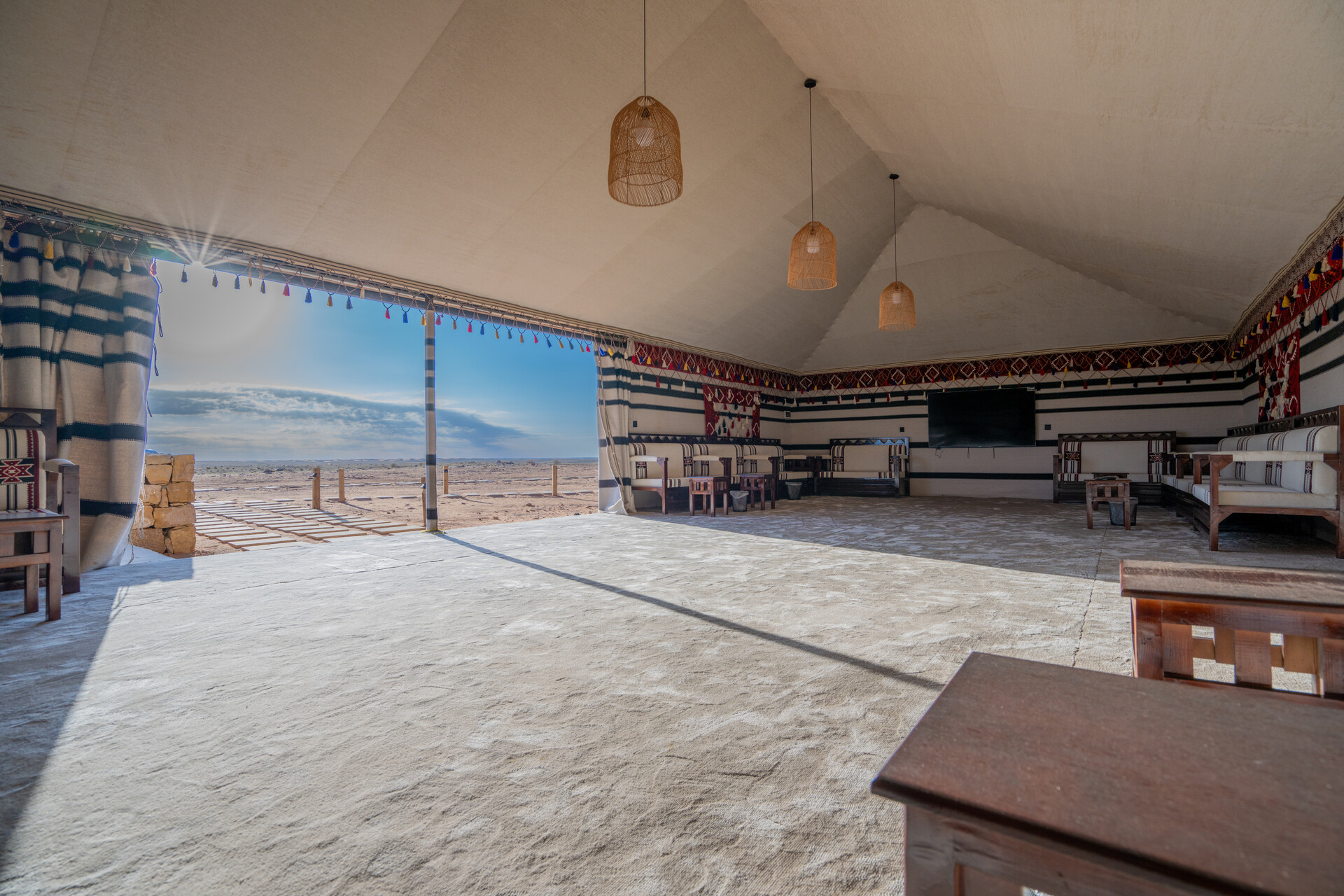
The tourism dimension of this experience is apparent in the programme offered to visitors to Jordan by Falconry Experiences. According to its published services, the trip begins with the reception of falconers at Queen Alia International Airport or the Al-Omari border crossing. It includes accommodation, meals, four-wheel-drive transport and guides, as well as facilities for caring for falcons. The visitor is buying not an isolated activity but a trip combining hospitality, transport, guiding and specialist services.
This is not an invitation to hunt wild birds without restrictions. Under the programme rules published by the company, captive-bred houbara are specified for falcon training, and the use of guns is excluded from this experience. The distinction matters: organised falconry tourism does not mean opening the entire reserve to hunting or treating wild houbara populations as a resource freely available to visitors.
Through these advertised services, Burqu shows how a trip’s economic value extends to what surrounds the hunt: accommodation, food, transport, field knowledge and bird care. These are the services that can connect visitors with the area’s economy, rather than reducing a visit to the number of birds taken. How much of that value reaches residents, however, requires data on employment and local procurement. The existence of a programme cannot be turned into an assumed number of jobs or an unverified revenue figure.
A complete trip, not unrestricted hunting
Falcon training with captive-bred houbara, accommodation, transport and guiding are specific elements of the Burqu experience, not general permission to hunt wild birds.
What remains for local people?
This tour brings together three lessons: diversify the services within a trip, distinguish its cost from the share that reaches residents, and connect the activity with specific travel and accommodation services. Successful hunting tourism does not require open-ended promises of abundant game. It needs a protected natural resource, enforceable rules and a service that makes visitors want to return.
At the end of this series, the yardstick remains simple: when a hunter leaves, do they leave behind income, skills and opportunities for the local community, while wildlife remains capable of renewing itself? Only then does the idea of hunting as a resource for development become more than an appealing headline.
Sources: Egyptian Tourism Authority; Egyptian Environmental Affairs Agency; Nature Conservation Egypt; Iraq’s 2025–2026 hunting-season rules published through the UAE Embassy in Baghdad; the Royal Society for the Conservation of Nature in Jordan; the Jordan programme and services published by Falconry Experiences.
Photos via Wikimedia Commons: Ahmed Alsarraf — “The Shakhtoor, a transportation device in the Iraqi marshes” (CC BY-SA 4.0); Roland Unger — “QarunLake” (CC BY-SA 3.0); Bashar Tabbah — “Qasr Burqu’ and Lake” (CC BY-SA 4.0). Original images unchanged. · 1 · 2 · 3 · https://creativecommons.org/licenses/by-sa/4.0/ · https://creativecommons.org/licenses/by-sa/3.0/