They leave from almost the same area and head for Africa, but their routes are less alike than we might expect. Five male European honey-buzzards breed at sites no more than 60 kilometres apart, yet their migration routes diverge until they are separated by 3,750 kilometres.
The contrast emerged from a study published in the Journal of Ornithology, after researchers tracked the birds in northeastern Poland between 2018 and 2024. They used four migration corridors: Gibraltar, the Apennines in Italy, the Balkans and the Bosporus.
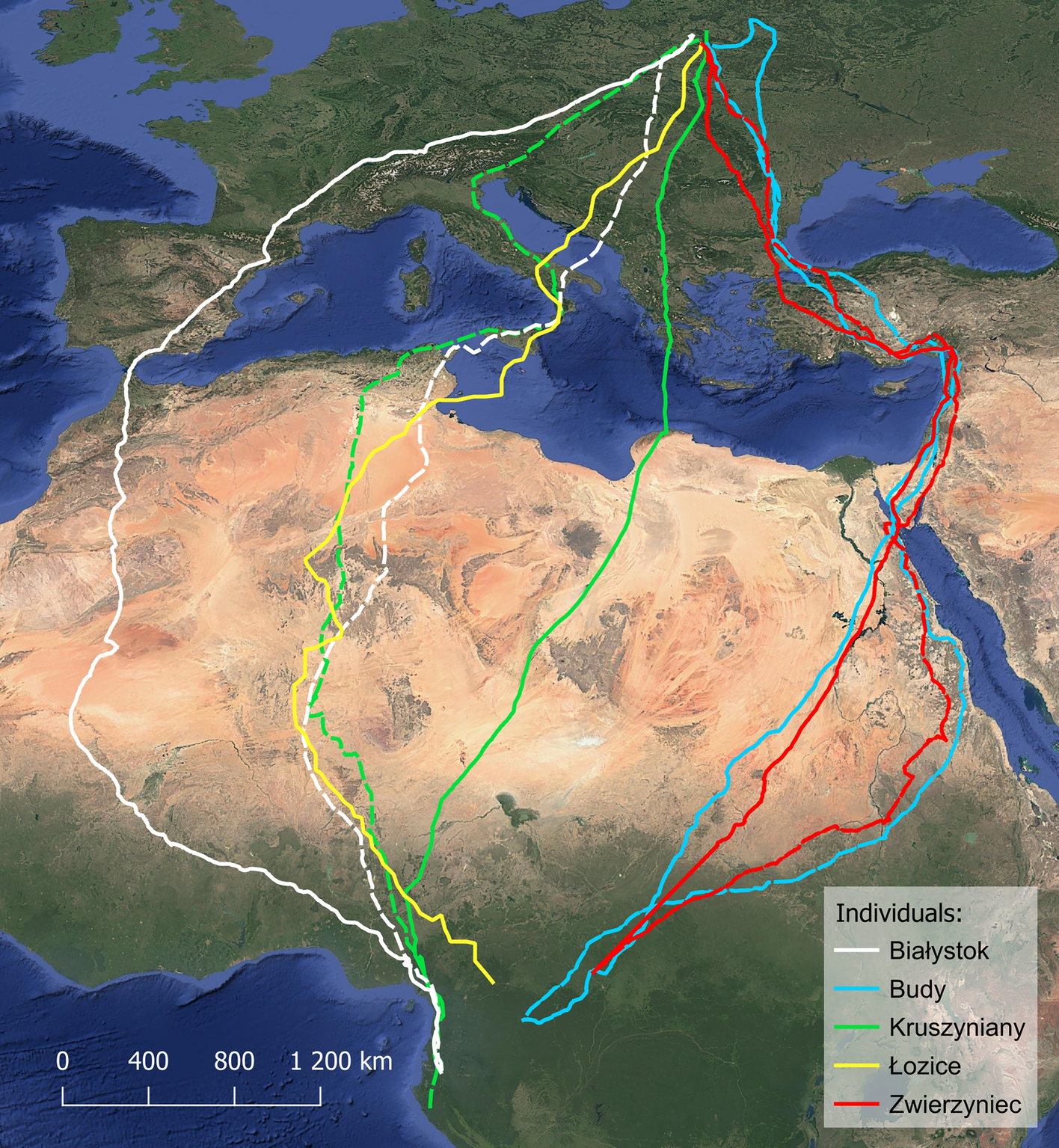
More strikingly, their wintering areas were much closer together than their routes, with no more than 575 kilometres between them. Neighbours at departure, widely separated paths across continents, then relatively close destinations.
The same bird can change its route
The differences were not only between birds. Some individuals changed their routes from year to year, taking detours around obstacles such as mountains, seas and deserts.
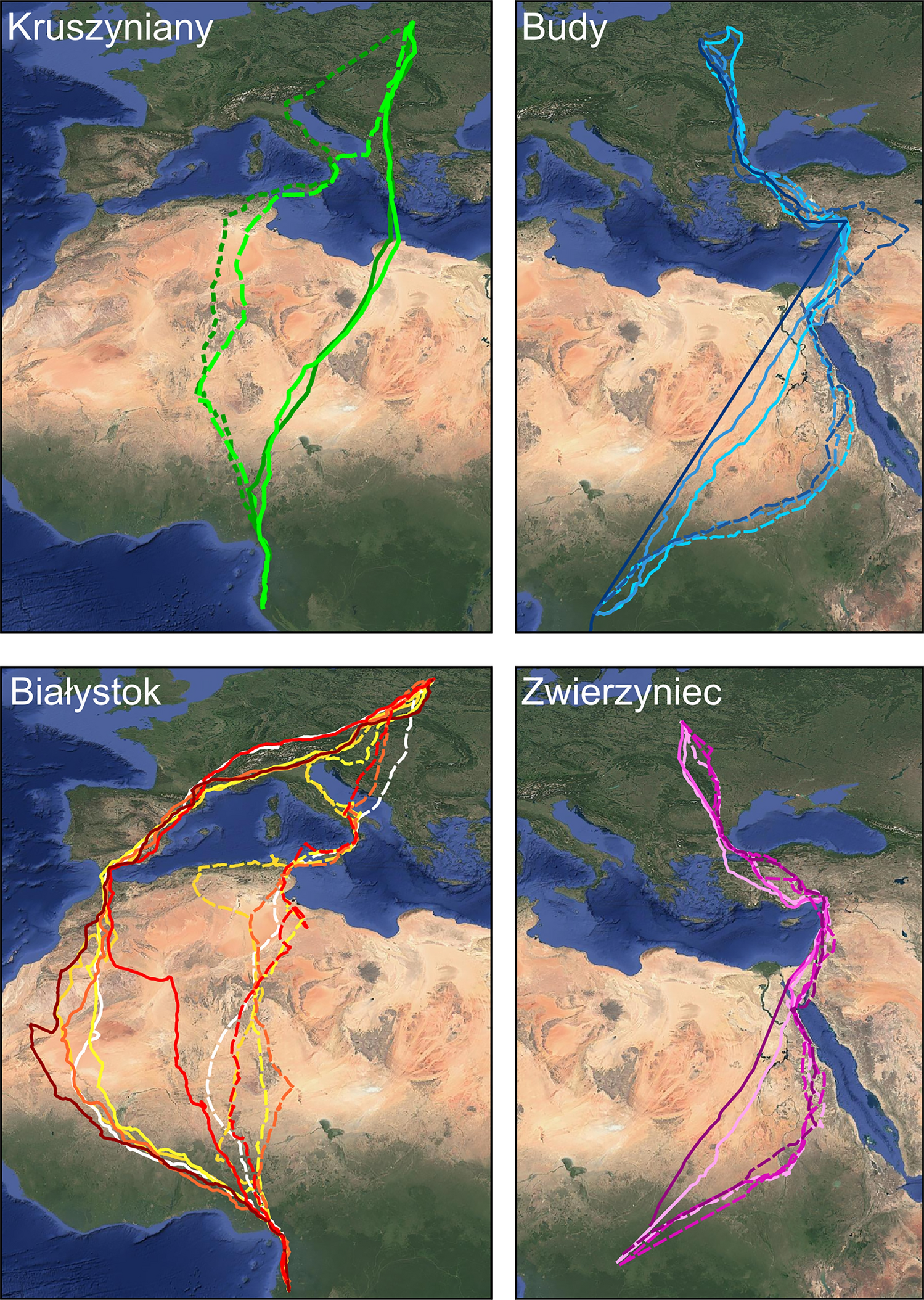
Variation in migration timing was most apparent during the spring return, with clear differences in arrival dates at the breeding grounds. The researchers see the results as evidence of flexibility and individuality in route choice. The small sample of five males documents this flexibility among the tracked birds and opens the way to studying it on a larger scale.
Why is the shortest route not always the best?
Earlier research helps explain some of the reasons for detours in this species. In an independent study tracking 62 journeys by 12 adult birds, researchers found that seasonal detours through West Africa allow the birds to take advantage of favourable winds, reducing the energy cost of crossing the Sahara. The shortest distance on a map is not necessarily the least costly in the air.
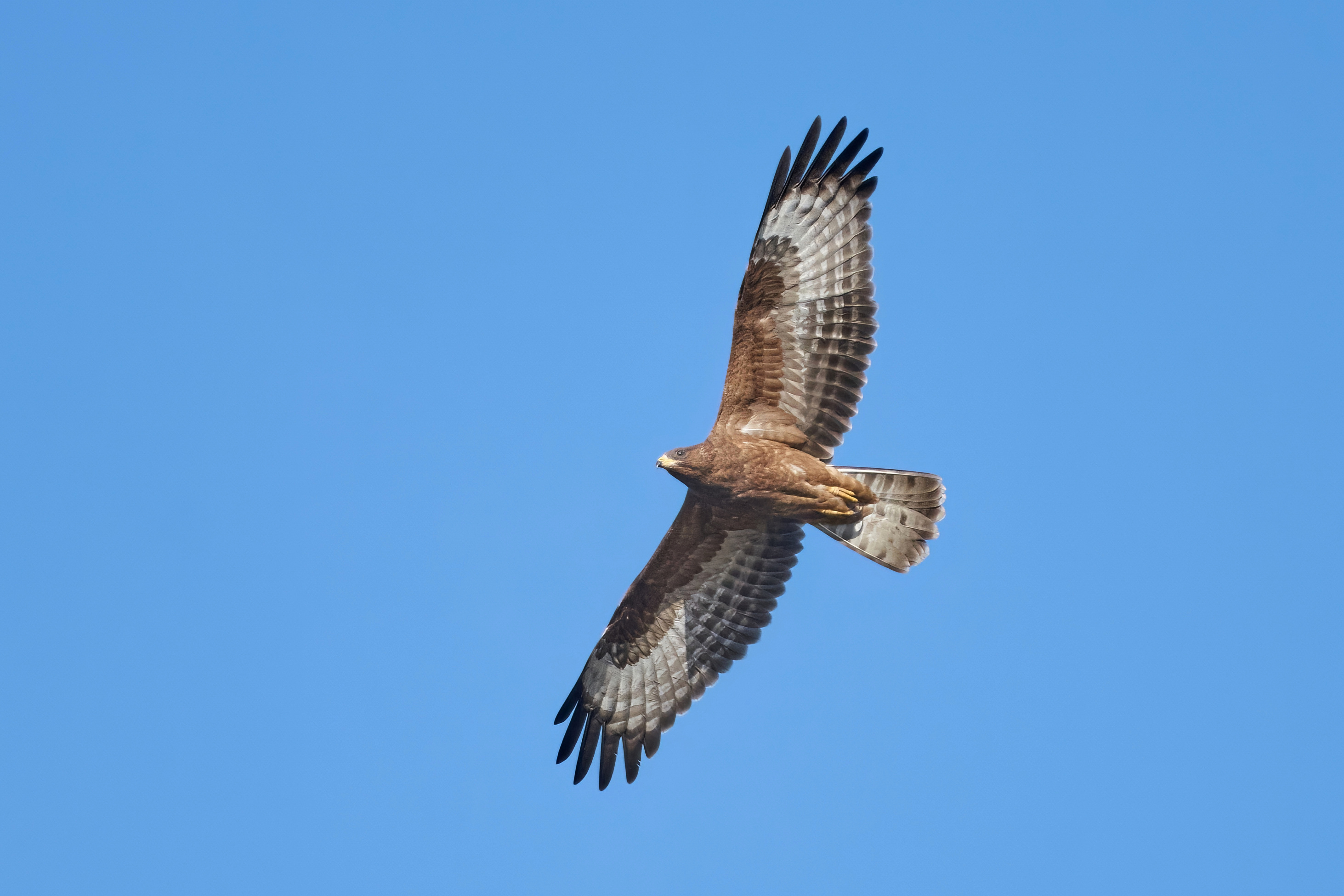
The European honey-buzzard, whose scientific name is Pernis apivorus, is a broad-winged, long-tailed raptor that spends the winter in tropical Africa. It searches bees’ and wasps’ nests for larvae, and large numbers may gather during autumn migration before crossing the Mediterranean.
Yet behind a flock that seems to be heading in one direction, tracking devices reveal different stories: each bird has its own route, and that route may change from one journey to the next.
Sources: Mirski, Komar and Tumiel study in the Journal of Ornithology; Independent research on wind effects in the Journal of Animal Ecology; Royal Society for the Protection of Birds (RSPB)