Respect for quarry is the true test of a hunter’s ethics
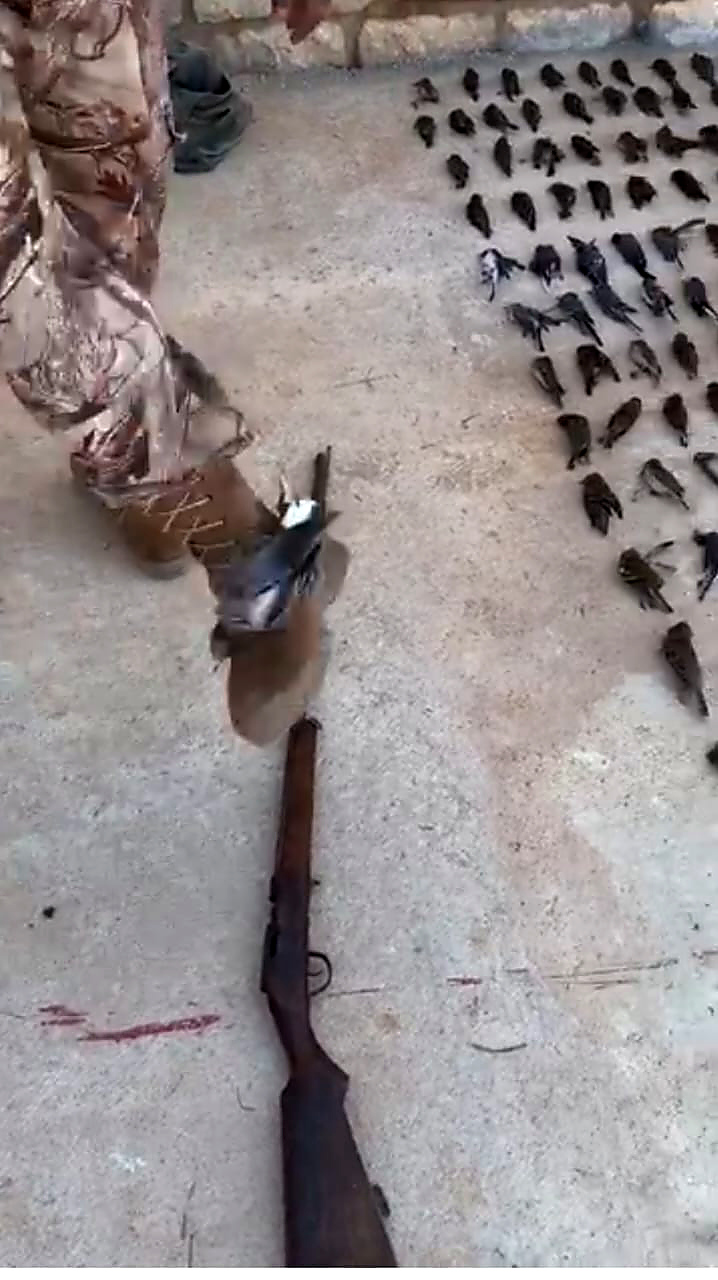
In Lebanon, where hunting is part of our heritage, culture and relationship with nature, we sometimes witness distressing behaviour by hunters who treat their quarry with hostility and contempt after killing it. They violently fling a bird from their hands, slam it against the ground or kick it, as though facing an enemy they wish to humiliate and proclaim victory over, even after its life has ended. Such scenes suggest that the shot that killed the bird was not enough to satisfy their sense of superiority, so they vented the rest of their aggression on a helpless body.
Moments earlier, this bird was a living creature, flying and searching for food. It may have travelled thousands of kilometres on an arduous migration, facing storms and dangers before its life ended with a shot. Does this creature lose its value and its claim to respect simply because it falls dead?
In long-established hunting cultures, respect for quarry holds a special place. Some peoples have even developed rituals and traditions to honour the animals they hunt.
In Germany, hunters maintain a tradition known as Letzter Bissen, or the “last bite”, in which a small green branch is placed in the mouth of certain wild animals taken in the hunt, as an expression of respect for the life that has been taken. In the traditions of collective hunts, the quarry is carefully laid out and special hunting-horn calls are played in its honour. Stepping over the bodies is considered disgraceful behaviour that goes against inherited customs.
In Japan, the Matagi hunters were known for their traditional bear-hunting rituals. After killing an animal, they would offer special prayers and perform ceremonies expressing their spiritual beliefs and respect for nature.
In New Zealand, the code of ethics for game-bird hunting stresses the need to retrieve and care for quarry, avoid waste and kill no more than is needed. In Britain, hunting organisations emphasise proper handling of shot birds and avoiding piling them up in ways that cause spoilage, on the principle of respecting and preserving the quarry.
Customs and rituals differ between peoples, but they meet around one ethical principle: the life you have taken deserves respect even after it has ended.
The Lebanese hunter does not need to imitate these rituals or adopt other people’s beliefs. Respect for quarry does not require ceremonial observances. It is enough to carry it carefully, preserve it and refuse to turn its death into a scene of mockery or showing off.
Hunting culture reveals itself in a hunter’s behaviour when alone in nature, in the way the hunter treats the quarry when cameras are absent, and in the respect taught to children and to new hunters who accompany them.
You may carry the most expensive gun in the world, wear the finest hunting clothes and own the latest optics and equipment. Your hand may be steady and your eye so accurate that you hardly ever miss a target. But all these capabilities lose their value when respect is absent from your conduct.
The true test of a hunter’s ethics begins after the quarry falls. If you are incapable of respecting your quarry, do not consider yourself a hunter.
Photo: Social media.