From European travel agencies to lodges, guides and local teams: how do hunting trips generate services and income in Morocco and Tunisia, and what does Algeria need to broaden its appeal as a hunting-tourism destination?
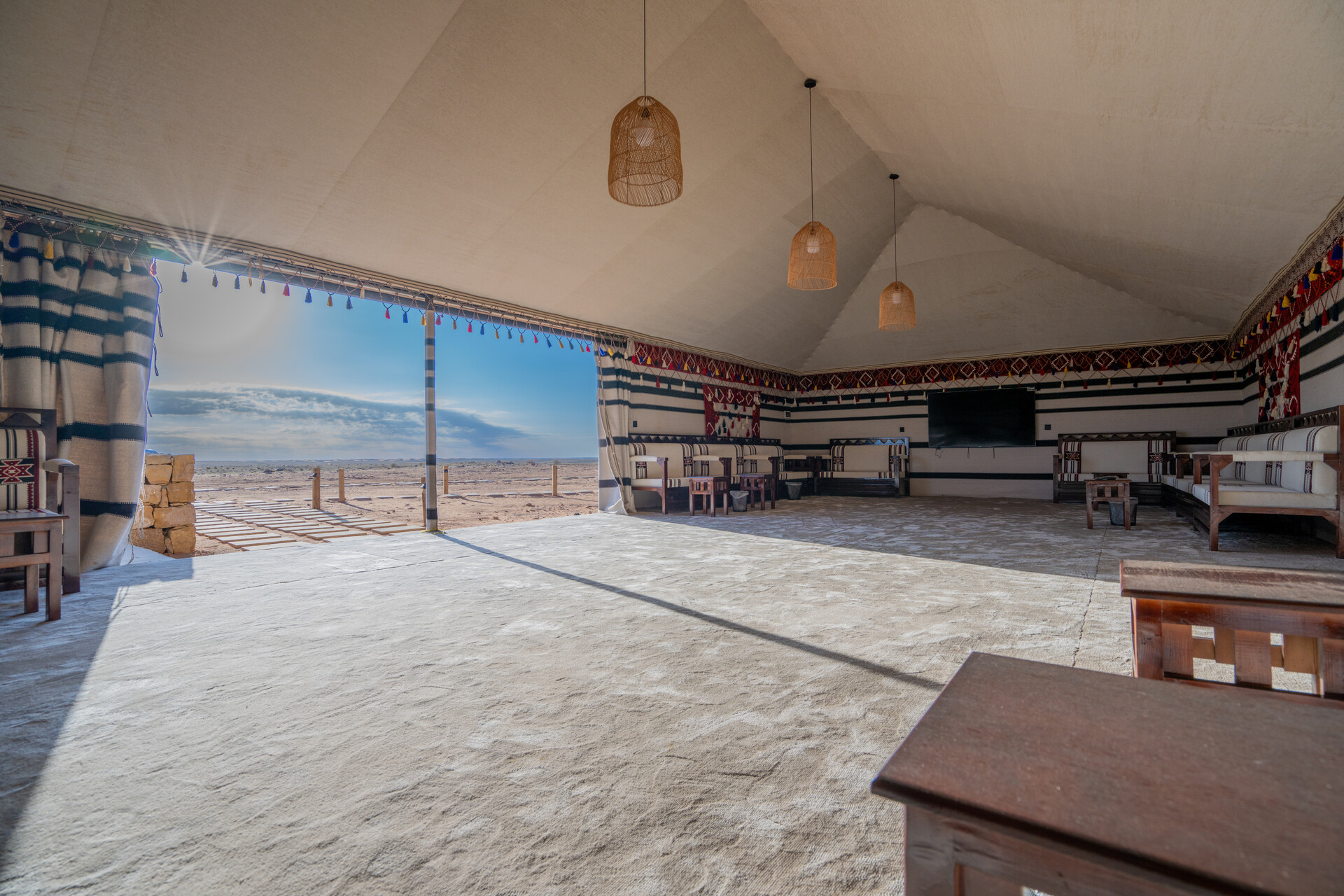
A trip may begin in an office in Paris or London, but that office cannot deliver a day’s hunting on its own. Behind it are a driver welcoming the group, a lodge preparing rooms, a guide who knows the terrain and a team handling meals and work in the field. Across the Maghreb, these services come together in packages marketed by European and local agencies to enthusiasts who visit for a few days and spend on much more than game.
After exploring the Gulf, Sayd turns in this second instalment to a different market: proximity to Europe, programmes for partridge, small game and wild boar, and businesses providing local organisation. Morocco and Tunisia offer commercial examples and statistics that reveal the outlines of this activity, while Algeria raises the question of how hunting regulation can translate into a complete tourism product.
Morocco: from three days in the field to a stay in Marrakech
According to figures from Morocco’s National Agency for Water and Forests reported by 2M, hunting tourism welcomed around 5,000 visiting hunters during the 2025–2026 season, and the sector comprises 146 specialist companies. This is a base of visitors and organisers extending beyond isolated individual trips.
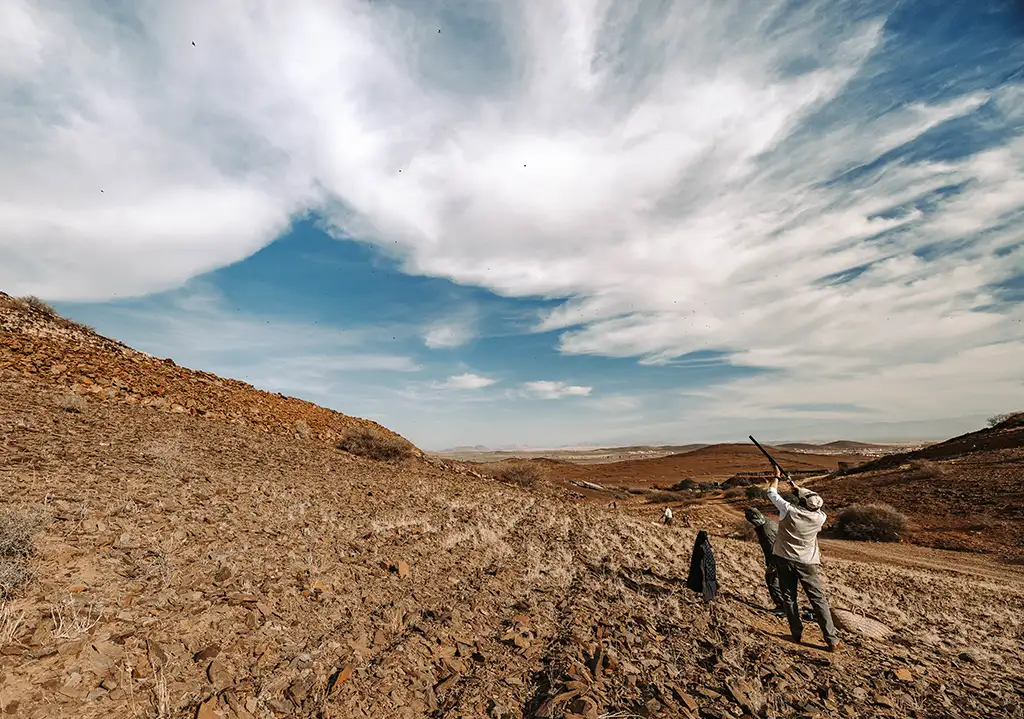
The offers show how European demand reaches Moroccan terrain. French agency DHD-Laïka advertises a programme between Rabat and Tangier with three hunting days and four nights, starting at €2,750 per hunter for groups of five or more. It includes flights from Paris, excluding airport taxes, accommodation, meals, transfers, guides, porters and permits. The package spans international travel and services at the destination; its entire price does not flow into the local economy.
In a different model aimed at private groups, Britain’s William Powell Sporting markets El Koudia in the Jbilet hills near Marrakech: two days for eight hunters at an advertised team price of €40,400. Field staff, hospitality, transfers, permits and the equipment specified in the offer are included; hotel accommodation is not. Marrakech also offers non-hunting companions places to stay, sights to visit and shopping, extending the trip beyond time spent hunting.
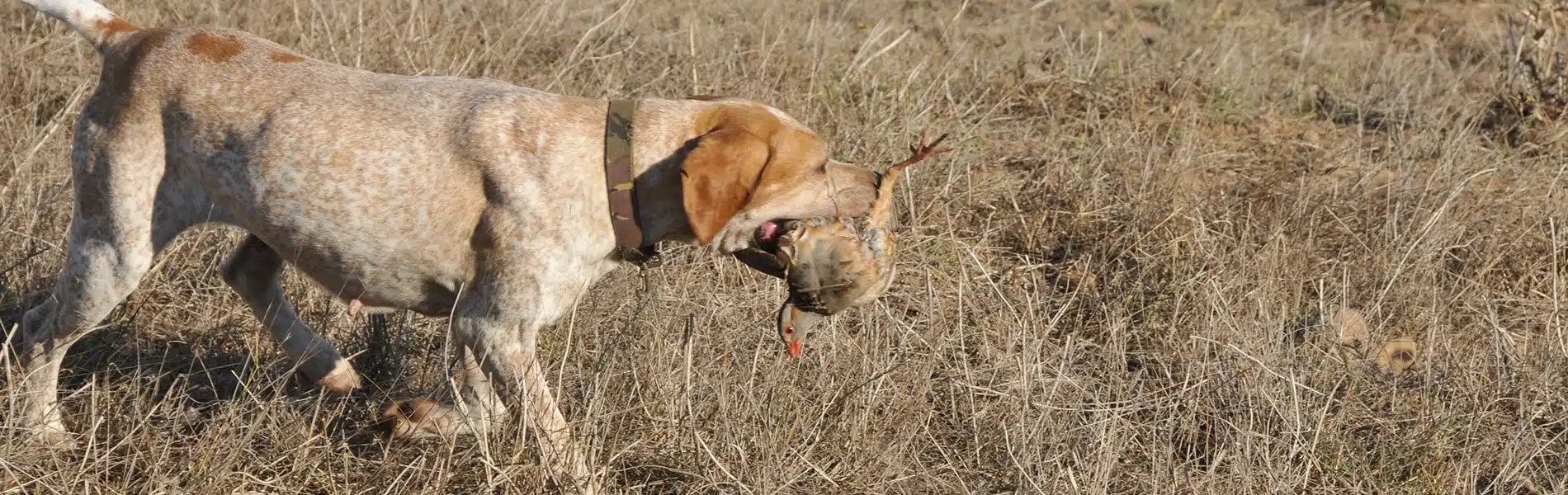
Yet the two products are not the same experience. At El Koudia, the marketer explains that reared birds are released before the season. This differs from a programme based on wild game. Each model requires management and environmental monitoring; neither bird density nor a high price establishes sustainability.
The Moroccan organiser also has a place in the legal framework. Hunting-tourism rules link the reception of non-resident visiting hunters to an authorised organiser and require staffing, an investment project and a leased hunting area. The local partner is therefore more than a sales intermediary: it carries responsibilities for managing both the trip and the area.
more than the price of game
Rooms and meals, transport and guiding, field work and fees: these are the services within a hunting trip. Local communities’ share depends on wages, purchases and local contracts, not the package price alone.
Tunisia: a clear French market—and teams from villages
In Tunisia, the figures provide a tangible picture of visitors and public revenue. The National Report on the State of the Environment and Sustainable Development for 2022 records 606 visiting hunters in the 2021–2022 season, including 532 French nationals. Treasury receipts from hunting tourism reached 300,233 Tunisian dinars. This is a historical total of fees and public revenue associated with the activity, not visitors’ total spending or organisers’ profits.
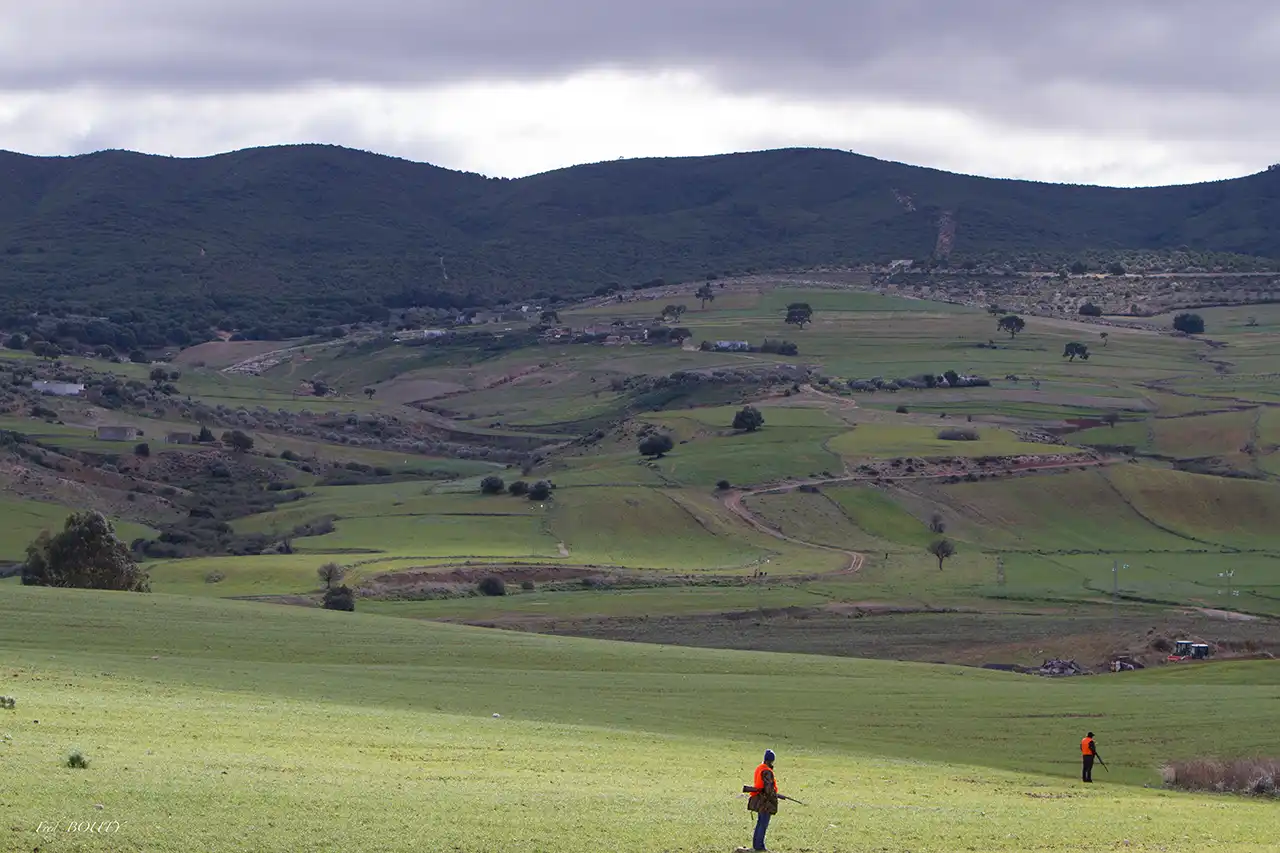
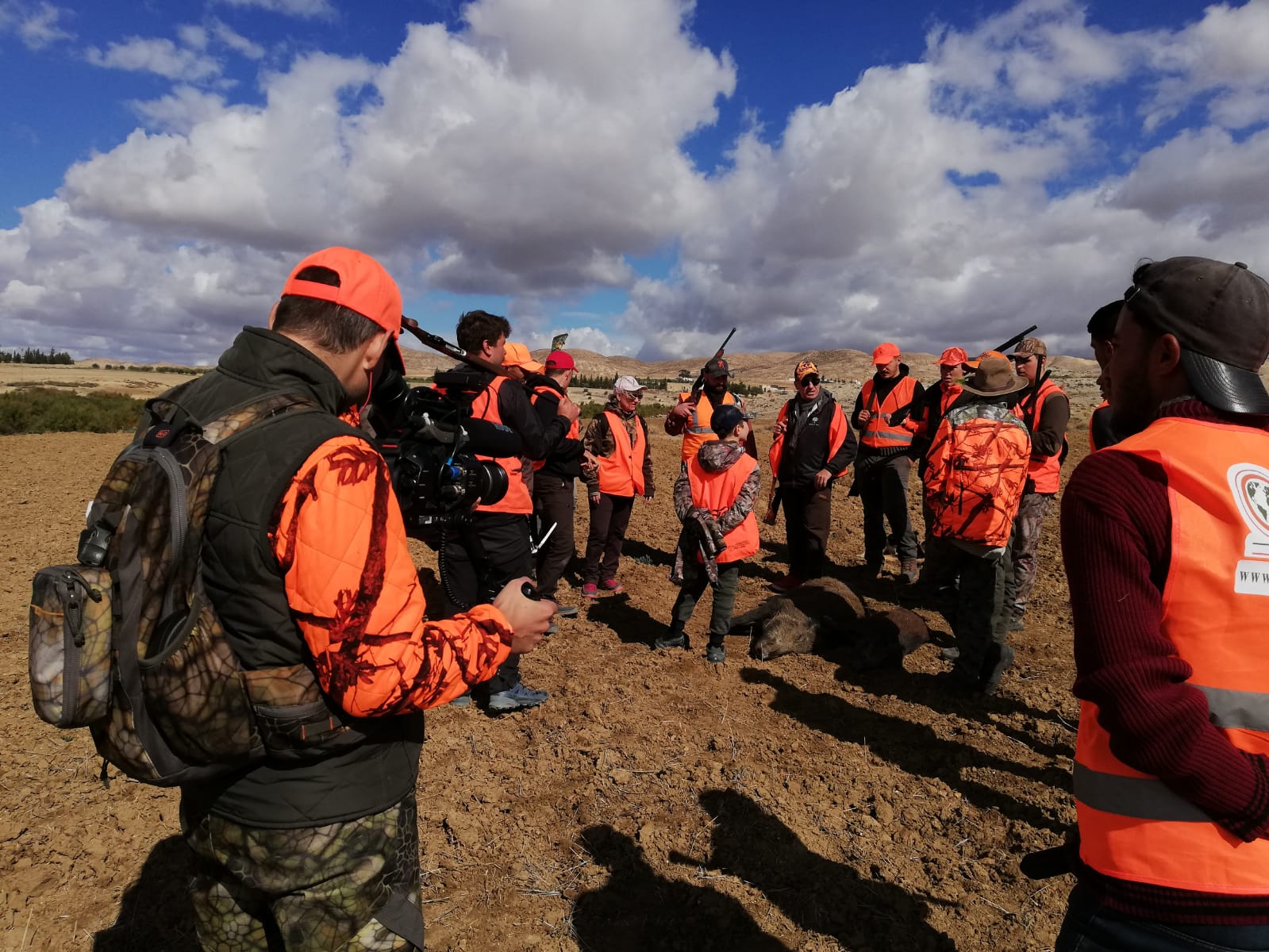
France remains visible in the marketing. DHD-Laïka advertises a wild-boar programme with five hunting days and six nights for €2,390 per person in groups of ten to twelve. It describes employing a team of fifteen to twenty beaters from villages, alongside hotels, transport and local organisation. These services create opportunities for seasonal work in villages, tied to trip dates rather than necessarily providing permanent, year-round jobs.
Within Tunisia, Desert Rose offers programmes in Spanish, providing another channel to European customers. The advantage is not simply language: a local agency brings knowledge of the region together with accommodation, transport and group reception.
Tunisian regulations give this role practical substance. Hunting tourism is organised by Tunisian travel agencies and hotel establishments under rules that include accompaniment by a guide, insurance and obtaining hunting permits in advance. When a responsible organiser oversees the trip, monitoring participants and game becomes part of the service rather than something left to the visitor.
Treasury revenue, not turnover
300,233 Tunisian dinars: Treasury receipts from hunting tourism in the 2021–2022 season, according to the national environment report. The figure does not automatically include spending on hotels, transport and meals, nor establish that all of it was earmarked for nature conservation.
Algeria: regulation alone does not create a destination
Algerian legislation explicitly addresses hunting tourism, linking it to a tourism agency and specific conditions, including areas where game is artificially bred. The Directorate-General of Forests announced the opening of the 2026–2027 hunting season for 10 October, as reported by Algeria Press Service. Opening the general season, however, is different from making a fully compliant programme available to foreign hunting tourists.
Developing this activity into a broader tourism product requires bringing together the elements of the trip: an agency to receive visitors, a suitable hunting area, accommodation, transport, guiding and a clearly defined programme that can be marketed and booked. The Moroccan and Tunisian examples show that geography alone is not enough. What visitors buy is an organised trip from arrival to departure.
Mauritania: an opportunity raised in development plans
In Mauritania, the operational assessment of the tourism strategy, prepared in 2017 with support from the United Nations Development Programme and published by the ministry, considered the potential revival of hunting tourism under strict, enforced regulation and coordination between the tourism and environment sectors. This approach puts management before expansion. It is a historical planning proposal, not an announcement of a hunting programme operating today.
From seasonal income to a lasting resource
The Maghreb’s examples show where value can arise: in lodges and hotels, through drivers, guides, cooks and field workers, and in fees collected by the state. Companions and other tourism activities can broaden spending rather than confining a visit to a single day’s hunting.
Turning an opportunity into development, however, takes more than increasing visitor numbers. Contracts, wages and local purchasing determine what remains in the area, while training, safety and predictable seasons influence the quality and continuity of work. Game and habitats, meanwhile, require scientific monitoring, quotas and enforcement: pressure on the natural resource can undermine the very activity on which livelihoods depend.
Calling a trip “sustainable” in an advertisement is therefore not enough. The test is whether it combines legal, accountable activity with services that benefit local people and management that safeguards the resource for future seasons. At that intersection, hunting tourism becomes more than a brief visit: an opportunity for a local economy that deserves careful organisation, measurement and protection.
Sources: Morocco’s National Agency for Water and Forests, as reported by 2M; Tunisia’s National Report on the State of the Environment and Sustainable Development for 2022; legislation governing hunting tourism in Morocco, Tunisia and Algeria; Algeria Press Service; the 2017 assessment of Mauritania’s tourism strategy; published offers from organisers. The prices cited come from commercial offers checked on 23 October 2026, not market averages or confirmation of booking availability.
From the series: Hunting Tourism in the Arab Gulf Countries.
Next instalment: Hunting Tourism in Egypt, Iraq and Jordan.
Photo sources: William Powell Sporting, DHD-Laïka, Chasse Sanglier Tunisie