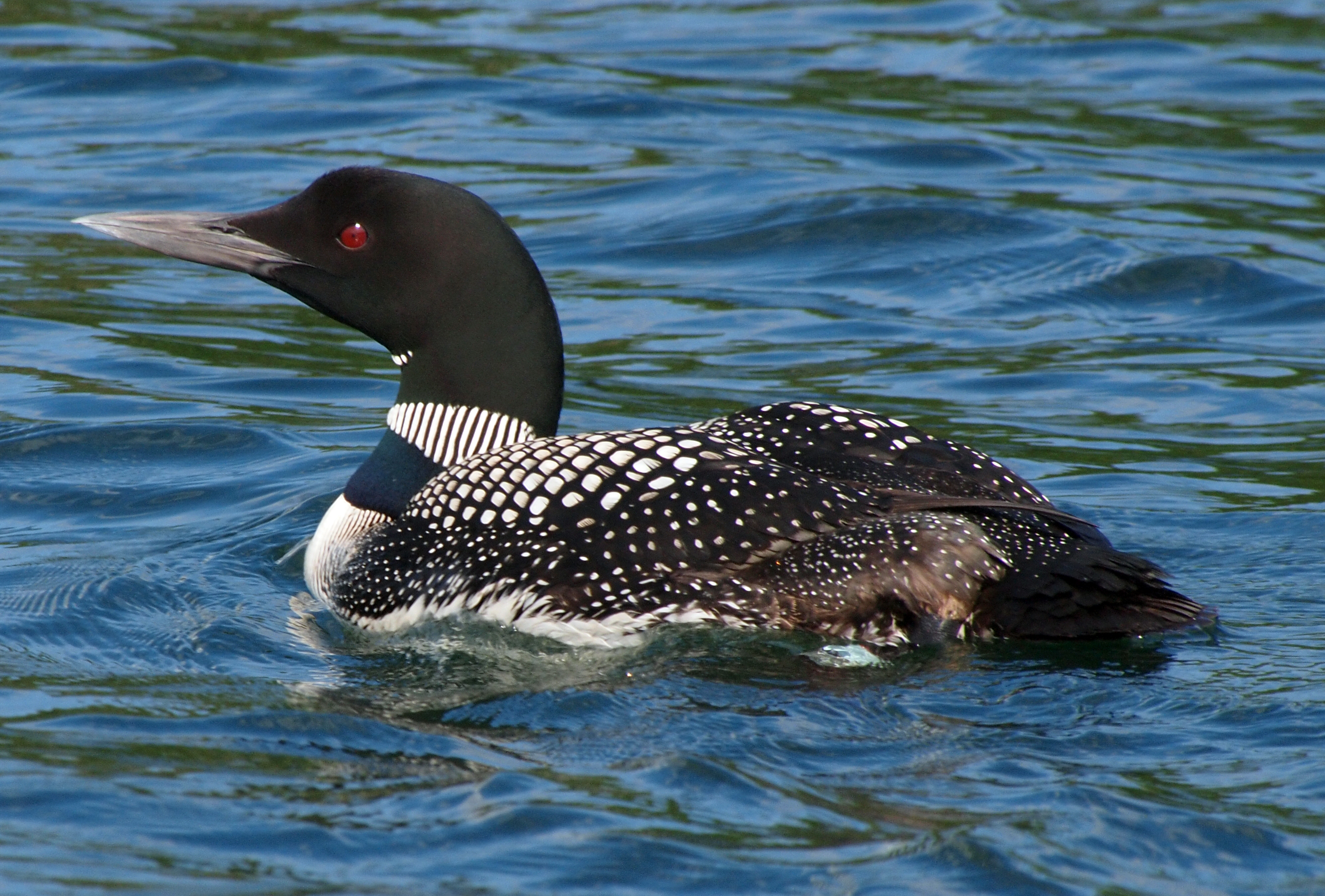
Photo: MehmetBurakCoban, via Wikimedia Commons. Original image, unchanged. · CC BY-SA 4.0
A Nature Cities study drawing on around 17 million records across 452 North American cities shows how urban bird diversity varies with season and climate.
Cities are more than buildings interrupting a natural landscape: they may also reshape the distribution of bird diversity. A study published in Nature Cities on 19 October 2026 analysed around 17 million eBird records, comparing 452 North American cities with their surrounding areas.
The team examined species richness rather than simply the number of individual birds, distinguishing native from non-native species and comparing seasons. The north–south difference in native bird diversity was more pronounced in winter, but cities weakened that difference relative to surrounding areas.
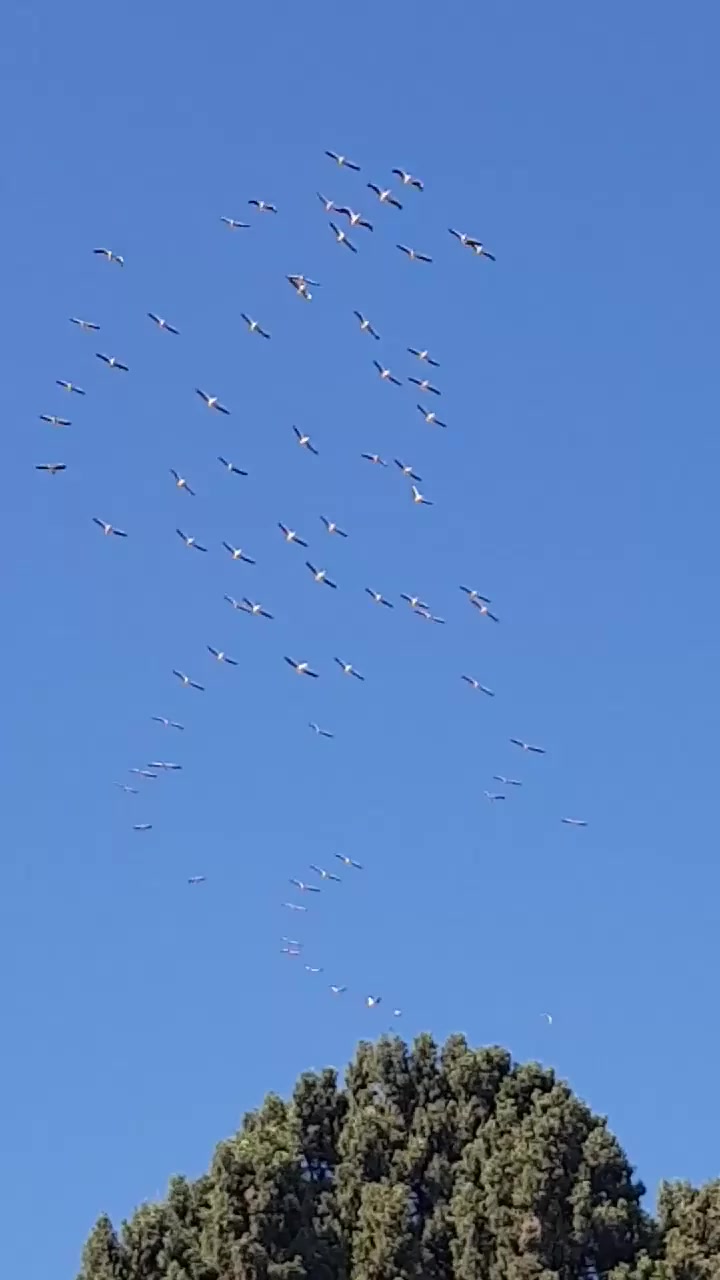
Footage: Bassem (باسم), via Wikimedia Commons. Still frame extracted at 60 seconds, unretouched. · CC BY-SA 4.0
Season and climate change the picture
Another contrast emerged: higher human population density was generally associated with fewer native bird species, but the direction of that relationship reversed under cold conditions. For non-native species, the relationship between diversity and latitude was weak or absent across seasons.
The findings highlight the importance of considering season and climate together when studying birds and cities: the distribution of species diversity across cities varies with climatic and seasonal conditions.
Sources: Nature Cities study, published 19 October 2026