Direct conservation was associated with population recovery in species reduced to fewer than 50 individuals in the wild
When only a few dozen individuals of an animal species remain in the wild, saving it may seem a distant prospect. But a new study shows that direct interventions were associated with population recovery in species that had reached the brink of extinction.
Researchers from Monash University and the Zoological Society of London compiled records for 147 bird and mammal species whose wild populations fell below 50 individuals at some point since 1950. Outcomes could be assessed for 141 of them.
What did the numbers show?
Of 51 species that received direct conservation interventions, 31 recovered to 100 individuals or more, approximately 61%. By comparison, only two of the 90 species that received no direct intervention reached that level, while 33 species in this group became extinct.
Interventions included controlling invasive predators, restoring habitats, conservation breeding, translocations and releases. Six species in the group that received direct intervention also became extinct.
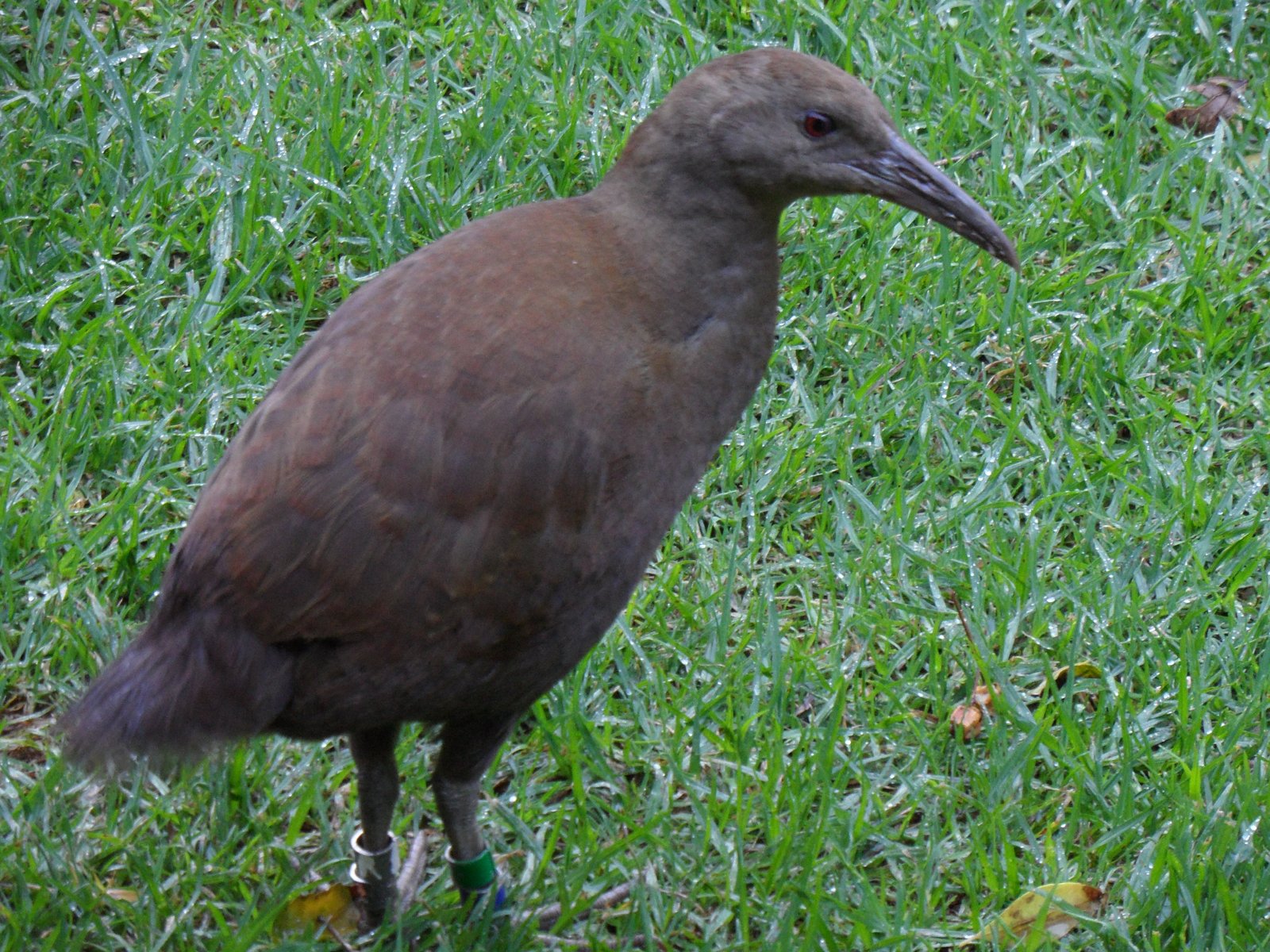
The Lord Howe woodhen: a return spanning decades
One example examined in the study is Australia’s Lord Howe woodhen. Its population fell to approximately 23 birds in the late 1970s, before measures including the removal of introduced animals, breeding and releases were implemented. By 2024, the recorded population had reached 1,638 birds.
Among species that recovered after direct intervention, the median time to reach 100 individuals was approximately 18 years. The researchers note that reaching 100 individuals is a numerical benchmark for comparison, while species continue to need protection; some still depend on care and breeding outside their natural habitat.
Source: study published in Proceedings of the Royal Society B on 4 November 2026.
Photo: Granitethighs / Wikimedia Commons. · 1 · https://creativecommons.org/licenses/by-sa/3.0/
