
A shared protocol records nets, traps, injured and dead birds, bringing field observations into a common database.
On 17 November 2026, the Tour du Valat research institute announced the launch of a digital platform for the Mediterranean Waterbird Network (ROEM), bringing together information on illegal waterbird hunting in eight countries: Morocco, Algeria, Tunisia, Libya, Albania, Serbia, North Macedonia and Türkiye.
The platform uses a shared protocol to record field observations and compare them across sites and countries, helping identify hotspots of illegal activity and guide bird conservation efforts along migration routes.
What the protocol records
The protocol integrates monitoring of signs of illegal hunting into winter waterbird counts, drawing on the presence of survey teams in wetlands. Alongside information on the site, timing and conditions of each visit, observers record hunters or gunshots where and when hunting is prohibited, as well as nets, traps and bird-luring devices.
Documentation covers ammunition remains, newly established hides where their illegality can be determined, and injured or dead birds and other animals, including their numbers and condition. The recording form also indicates whether incidents have been reported to the competent authorities, helping track the response to violations.
Visits are recorded even when no signs of these practices are detected. The common approach places observations in the context of their location, timing and nature, rather than assembling isolated incidents that are difficult to compare.

From field trials to a shared database
The monitoring programme began in 2023, with its protocol drawing on initial projects in Tunisia, Albania and Serbia. Data are integrated into the platform as they are entered in the field, feeding country-level and network-wide summaries alongside specialist references.
The violations covered include hunting protected species, hunting outside permitted periods or in prohibited areas, and using banned techniques. Understanding the nature, location and recurrence of these practices helps set monitoring and conservation priorities.
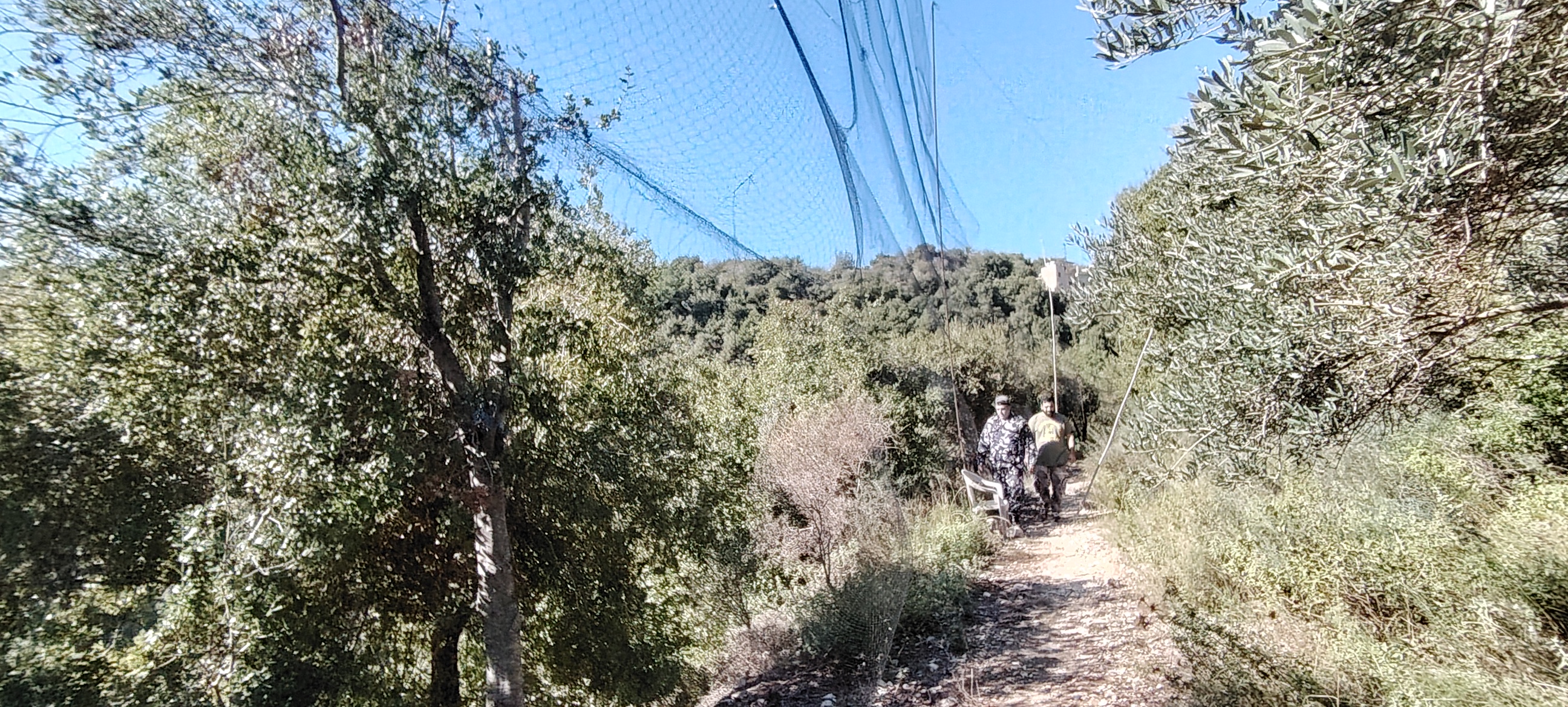
The Tunis workshop and exchange of experience
As part of regional cooperation against the illegal killing, capture and trade of birds, Tunis hosted a workshop from 16 to 18 October 2026. It was organised by the Association Les Amis des Oiseaux in Tunisia and the Bird Protection and Study Society of Serbia under the PROZHUM projects.
According to the participating Libyan Society for Birds, the meeting brought together organisations and associations from Arab and European countries, including Lebanon. Participants presented their experience in monitoring, documentation, awareness-raising and cooperation with relevant authorities, while the Libyan presentation addressed national legislation and bird conservation efforts.
Activities included field visits to Sebkhet Soliman and Sebkhet Korba in Tunisia, combining waterbird observation with documentation of signs of illegal killing. This approach shows how a bird-counting visit can also provide information about threats at sites where birds rest and feed.
Tour du Valat — ROEM · ROEM — Monitoring protocol · Libyan Society for Birds — Tunis workshop
Photos: Saudi Arabia — SPA; Tunisia — Skander zarrad / Wikimedia Commons (both CC BY-SA 4.0); Lebanon — MECSHAP. · 1 · 2 · https://creativecommons.org/licenses/by-sa/4.0/
