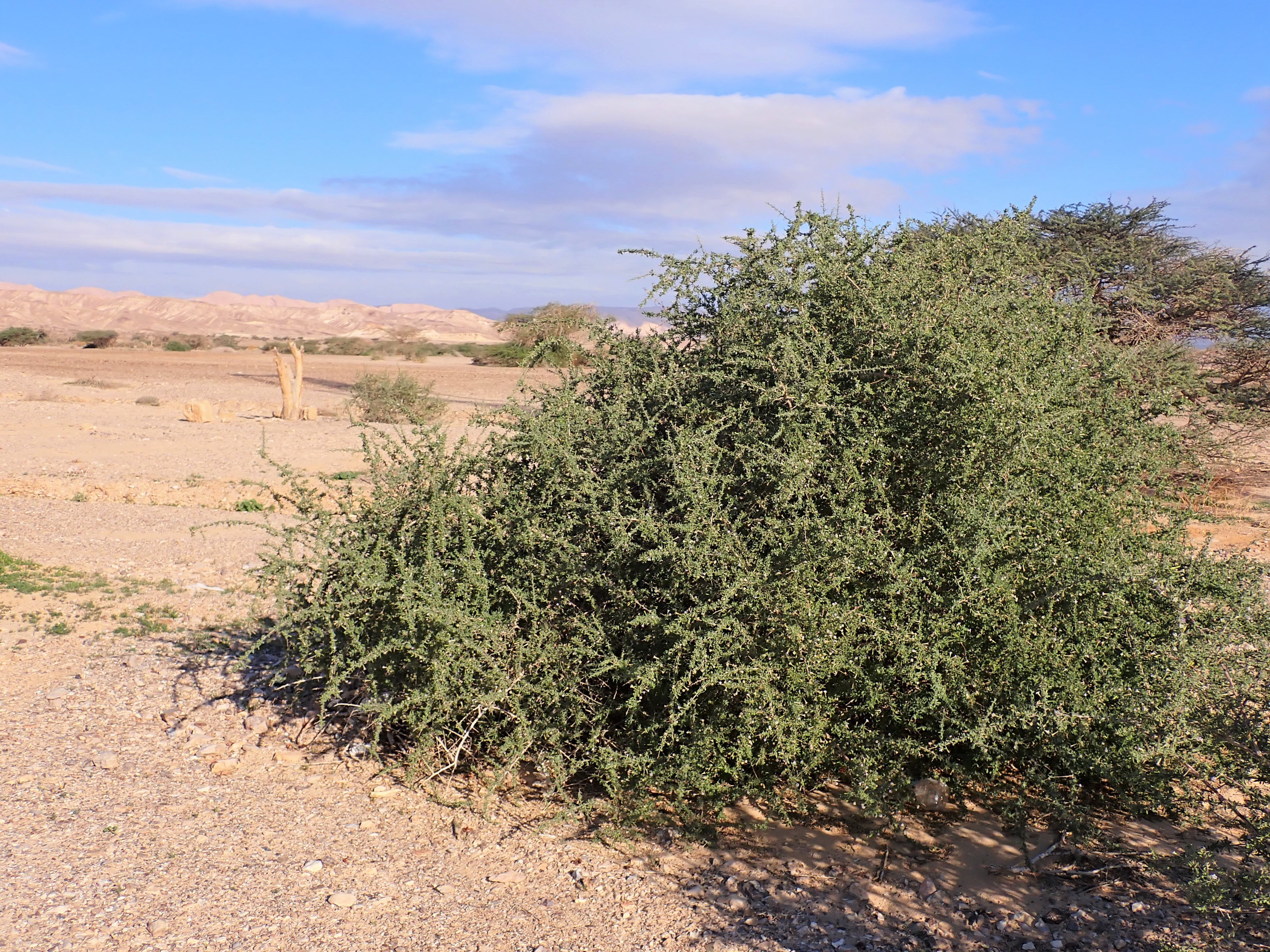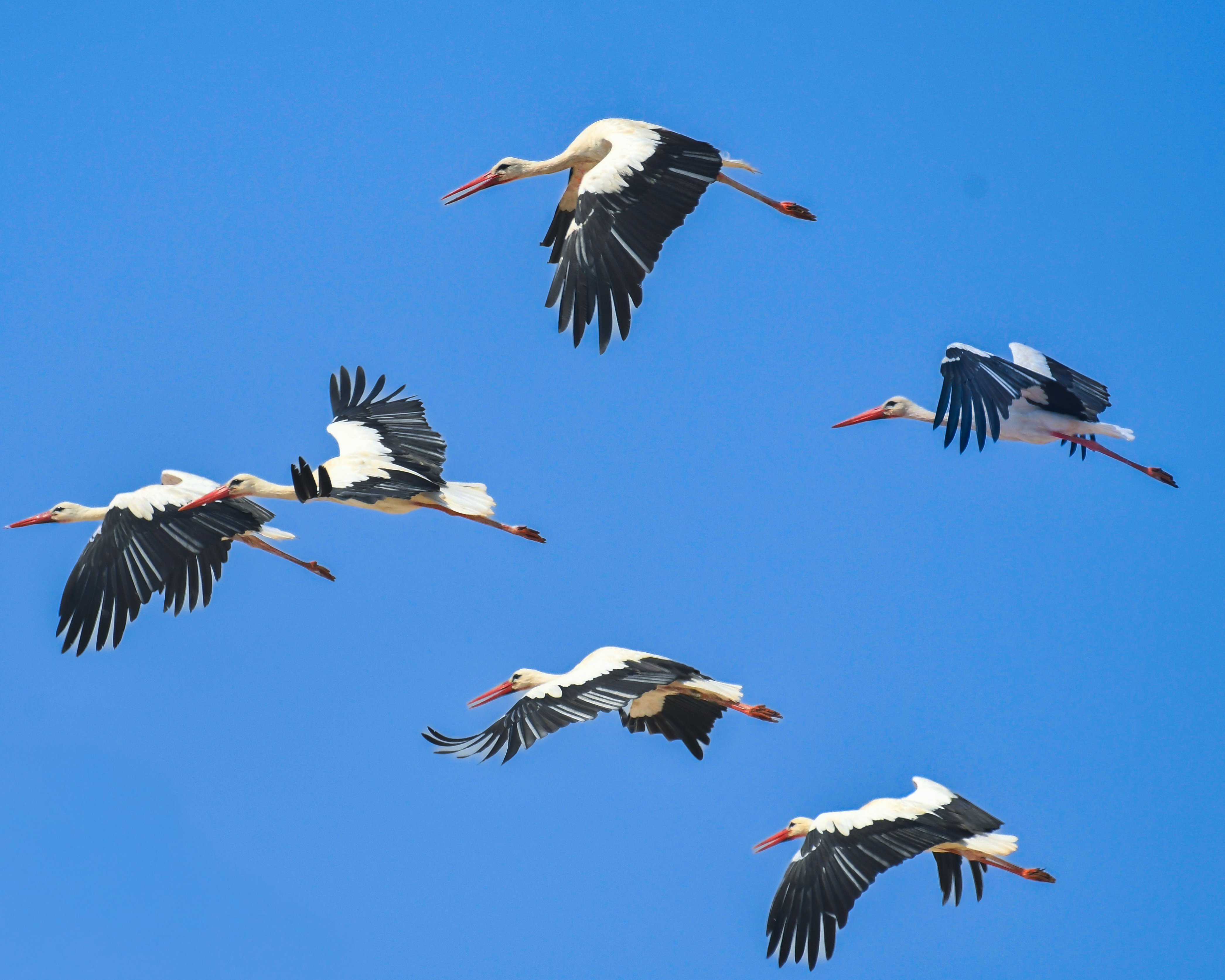
In these very weeks, flocks of white storks (Ciconia ciconia) and herons cross the skies of the Bekaa on their way south, while the olive harvest peaks in the mountains and along the coast — from Lebanon to Syria and Jordan. The two events are not as separate as they may seem. The agricultural calendar that governs our harvest season overlaps in time with the biological calendar followed by millions of migratory birds along the eastern Mediterranean flyway.
Our olive harvest: an existing strength worth keeping
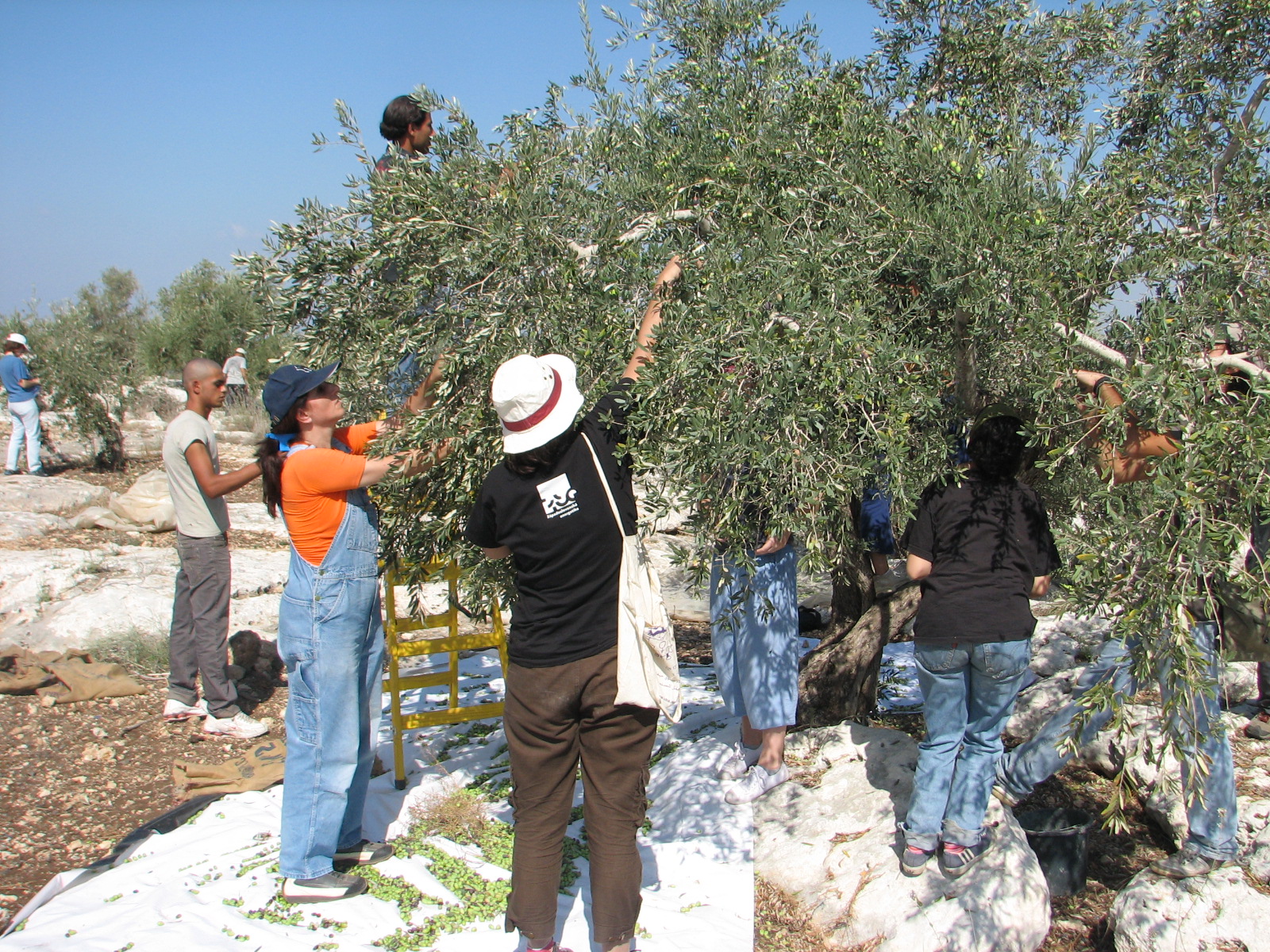
Unlike some southern European countries where olive growing has shifted to intensive systems with large suction and shaking machines that work at night under floodlights — a practice official bodies there have documented as killing millions of migratory birds sleeping in the trees each year, prompting bans in some regions — harvesting in Lebanon, Syria, and Jordan remains largely manual or done with a handheld comb/shaker, and usually by day within family or community labour. That in itself is a real environmental strength our farmers deserve credit for, not only warnings drawn from others’ mistakes. Keeping this pattern — daytime picking, without turning to suction machines or strong night lighting if operations expand later — is enough to spare Lebanon the fate that hit intensive European olive estates.
One practical detail still deserves attention: nets spread under the trees to gather fallen fruit, if left stretched on the ground all night without being lifted or checked in the morning, can hinder birds that feed on the ground near trunks or use neighbouring grassy patches to rest. Lifting or folding the nets at the end of each workday, instead of leaving them out between picking sessions, is a simple step that costs almost no extra time.
Grain fields: a refuelling stop that needs no complex intervention
Unlike the spring breeding season, when birds focus on the nest and longer-term food, their autumn needs are simpler and more urgent: quick energy, water, and a safe place to rest before continuing. Wheat and barley fields harvested in summer provide that service for free if the farmer leaves them without immediate ploughing for a few weeks, so flocks can use spilled grain as fuel for mountain bottlenecks. A small, low-edged water pond in a corner of the land is also enough to draw noticeable numbers of birds exhausted by the journey.
Timing rodenticide in orchards
In olive and fruit orchards, some farmers use rodent poisons around trunks or storage sheds. The problem is that raptors such as the common kestrel (Falco tinnunculus) and owls, which feed specifically on these rodents and form a free natural defence line against them, suffer secondary poisoning when they eat a poisoned rodent. Better to avoid these pesticides or cut them back during the peak of passage itself, and rely on resident and passing raptors as the alternative control tool.
Living hedgerows: shelter that costs nothing
Native shrubs along field edges, instead of wire or metal fencing, give passing flocks safe rest points from wind and predators, plus wild fruit that adds another energy source at this exact time of year.
The greatest danger remains the gun, not the plough
However careful farming practices become, the first danger to these flocks has nothing to do with agriculture at all: indiscriminate shooting by irresponsible individuals at entire flocks in passage — a practice specialist organisations document every year, and one that sometimes turns into mass slaughter of fully protected species, unrelated to any legally permitted quarry. That is precisely the focus of the current autumn campaign run by the APU unit of MECSHAP in cooperation with CABS, which we recently announced in Sayd to protect migration corridors this season.
Alongside that direct threat sits a different kind of environmental harm: military operations in southern Lebanon in recent years left wide destruction of forests and farmland — Lebanese official estimates speak of some 16,000 hectares burned, including thousands of dunams of age-old olive trees, and more than a fifth of the south’s agricultural and woodland area — and the south itself sits on one of the most important flyways millions of birds use between Europe and Africa twice a year. Losing plant cover and natural stopover points there deepens the fragility of flocks already worn down by thousands of kilometres of flight.
A shared duty: the farmer’s field and the sustainable hunter’s gun
The farmer who waits a few weeks before ploughing, and the sustainable hunter who tells lawful quarry from a protected passing flock, serve the same goal from two places: a living environment able to renew itself season after season. Neither has to sacrifice their interest for the other — only some awareness of when and how farm work is done, so that autumn shifts from a season of risk for birds into a safe passage worthy of Lebanon and the Levant’s long history as a natural corridor for their migration.