A planned scientific study will support management and habitat conservation in Matrouh, building on cooperation that included African houbara reintroduction in 2022.
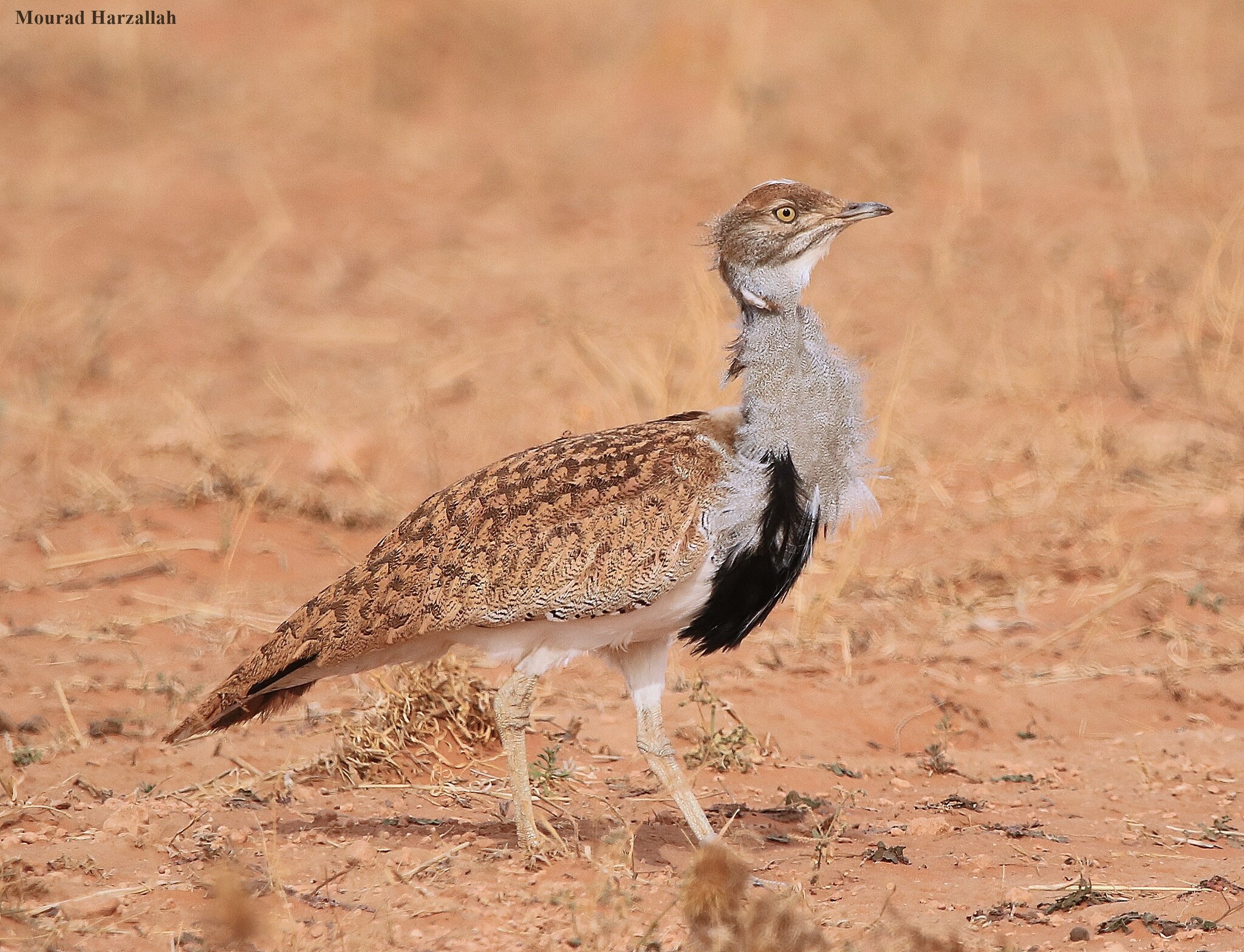
Egypt and the United Arab Emirates have discussed strengthening cooperation to protect African houbara and improve the management of Omayed Reserve in Matrouh Governorate, through a scientific assessment of the reserve’s ecological characteristics and natural habitats and more coordinated biodiversity protection measures.
According to a statement published by Egypt’s Ministry of Local Development and Environment on 18 October 2026, discussions with the UAE-based International Fund for Houbara Conservation covered support for the reserve, protection of its resources and the use of specialist scientific expertise in wildlife management.
A scientific assessment of habitats
The latest step includes a directive to establish a scientific committee bringing together experts from outside the ministry and representatives of the protected areas sector. The committee will study Omayed’s ecological features, assess its biodiversity and propose appropriate measures to protect its natural resources and habitats.
The work focuses on the needs of the reserve and the birds that depend on it, alongside environmental safeguards suited to its characteristics and the long-term health of its ecosystems. The statement did not specify a completion date for the study.
Building on the 2022 reintroduction
The cooperation builds on an earlier initiative at Omayed on 18 June 2022, when 2,000 African houbara were released and reintroduced. DNA and molecular biology analyses preceded the operation, with results compared against reference samples to confirm that the birds belonged to the local lineage present, or historically present, in Egypt.
The cooperation framework also covered joint research and activities to restore and conserve houbara, the exchange of expertise and the development of national wildlife management capacity. It included exploring projects that could deliver economic and social benefits to communities around species conservation areas.
A reserve with varied habitats
UNESCO has listed Omayed as a biosphere reserve since 1981. The reserve represents part of Egypt’s Mediterranean coastal desert and contains coastal dunes, inland ridges, saline and non-saline depressions, and an inland plateau.
According to UNESCO, environmental pressures in the area include land degradation, habitat fragmentation, overgrazing and biodiversity loss. The reserve also has an important role in long-term ecological monitoring, improved rangeland and ecotourism management, and linking nature conservation with sustainable local livelihoods.
Sources: Egyptian Ministry of Local Development and Environment: Omayed cooperation, 18 October 2026; Egyptian Ministry of Environment: African houbara release, 18 June 2022; UNESCO: Omayed Biosphere Reserve
Photo: Mourad Harzallah / Wikimedia Commons · CC BY 4.0