With cartridge prices rising, air rifles are among the first practical alternatives — cheaper guns, cheaper pellets. This opener covers spring / gas-ram designs, how they work, and why they demand respect.
After our discussion of rising cartridge prices and available alternatives, it is worth noting that one of the first practical options is hunting with air rifles — for their relative affordability and that of their pellets.
We begin with air rifles in their many types, shapes, and sizes: what they share, what sets each type apart, and how the firing system shapes performance.
In a series of articles we will cover each type, its weak points, and the advantages and drawbacks of each design.
The best-known air-rifle type is the spring / gas-ram airgun. What made it so widespread is availability and an acceptable price, putting it within everyone’s reach; most hunters owned one at the start of their path.
How the rifle works — brief overview:
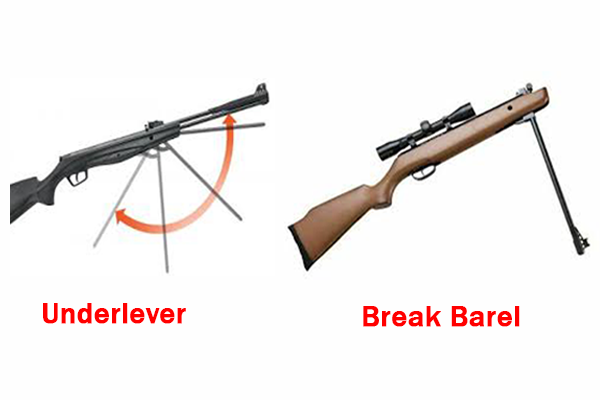
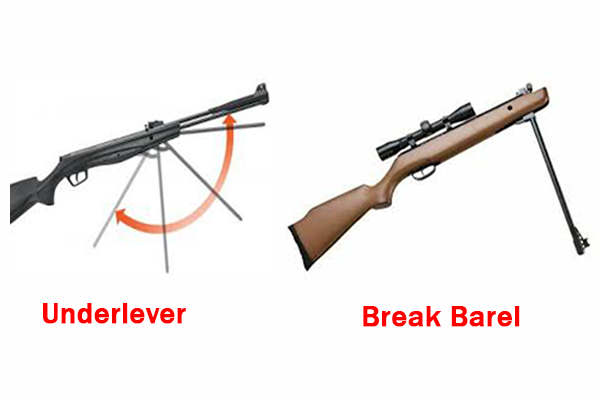
- Opening the barrel (“break barrel”) or using a tool or handle under the barrel (“underlever”).
- In both types above, the purpose of the handle or barrel action is to compress the spring or piston so that air is compressed in the storage chamber inside the rifle body.
- When the trigger is pressed, the spring or piston is released, and with it the compressed air in the reservoir, driving the projectile.
- The pellet leaves the barrel with a spiral (rifled) spin.
Many believe that a piston- or spring-powered air rifle is inaccurate. That is wrong: there are very accurate rifles, but one must always choose high-quality guns.
Among the drawbacks of this system is that the shooter must practise thoroughly because of barrel vibration; that vibration varies and affects accuracy depending on how the rifle is held and handled.
The rifle is very sensitive to hold and practice — the only way to reach satisfactory accuracy.
It is worth noting that air rifles have hunting limitations; chief among them is that take is on perched birds, with its own challenges — challenges that add an extra pleasure to the hunt.
Air-rifle pellets remain relatively affordable. Will we see a rush toward air rifles in the near future? Will the scene shift from 12-gauge and .410 shotguns to air guns? Next season will tell us everything.
We stress: air rifles are very dangerous. Everyone must be responsible and treat them as firearms — they must never be underestimated.